Luxembourg War in Middle East
 Ukraine Emergency Response
 War in Sudan
War in Middle EastUkraine Emergency ResponseWar in Sudan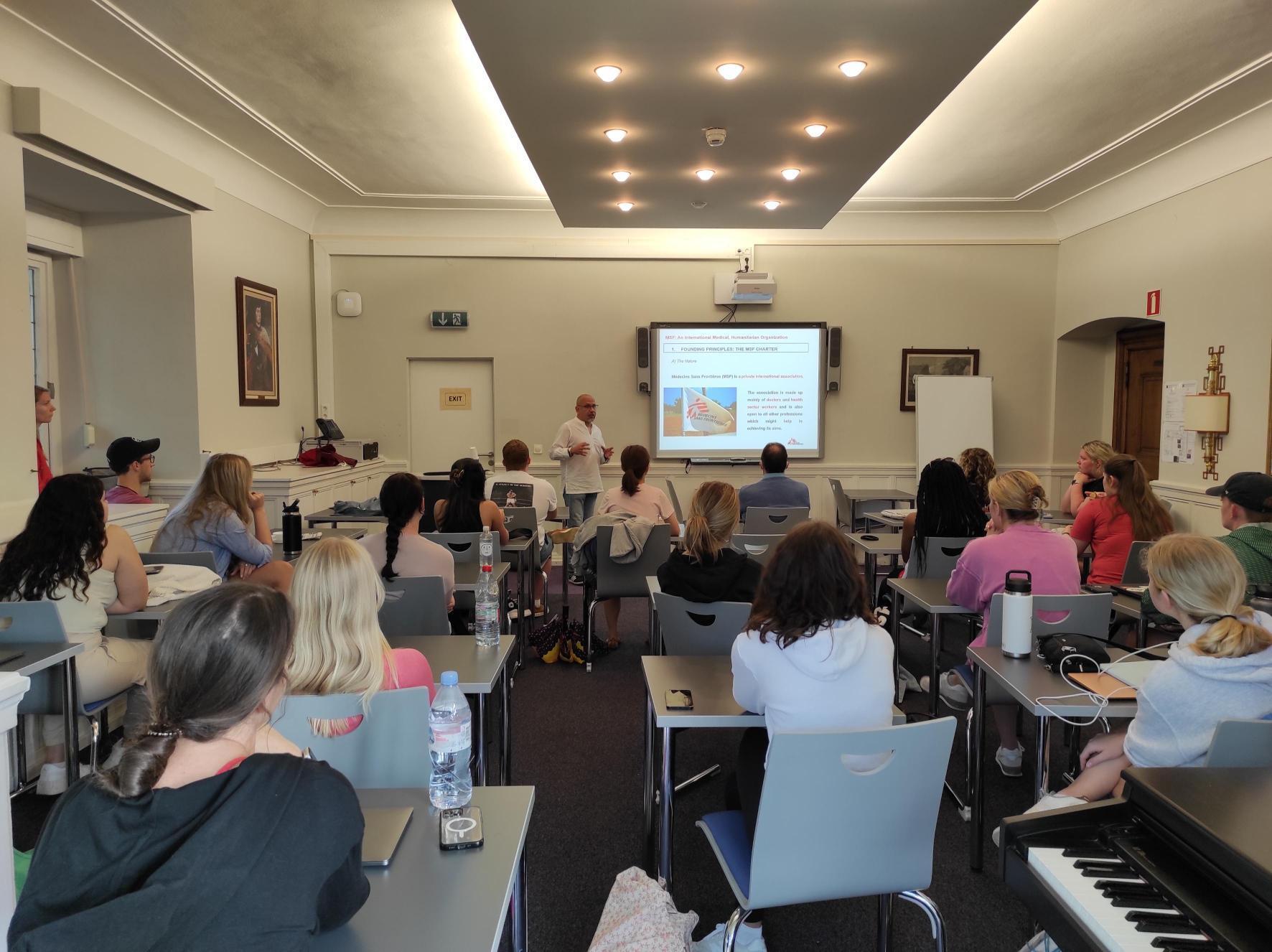
Luxembourg6/8/2022
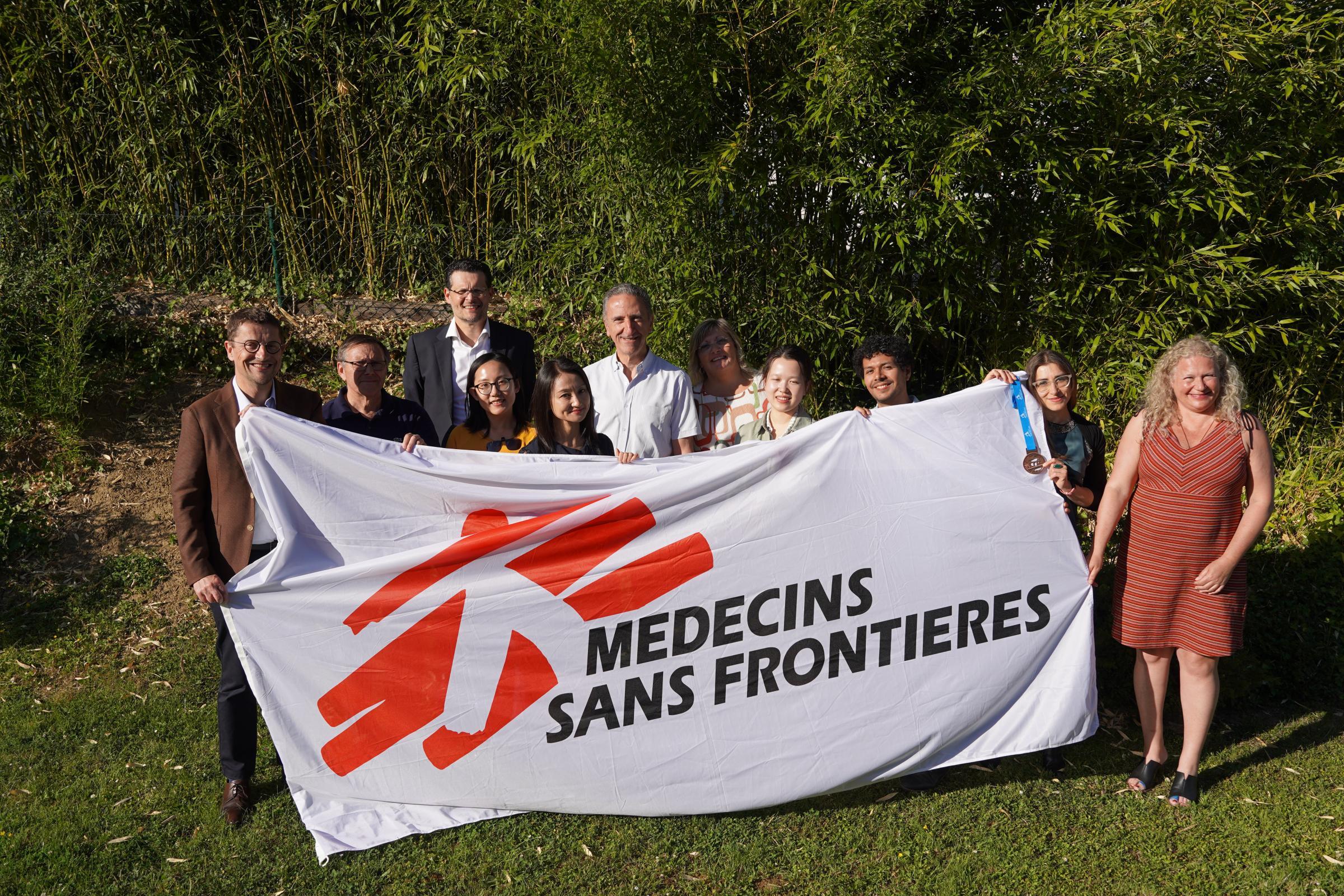
Intervention of MSF Luxembourg at the Miami University John E. Dolibois in Differdange
MSF Luxembourg's Public Engagement team went to Differdange on Monday, May 23 to present the organization's activities to students of the Miami University.
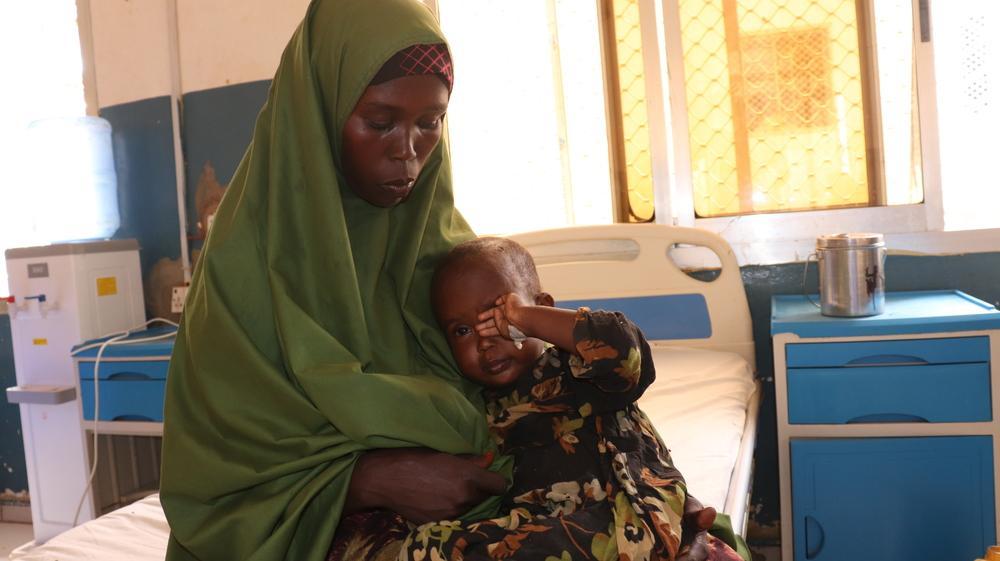
Somalia and Somaliland: Drought intensifies health crisis
Somalia and Somaliland are facing one of their worst droughts in decades, following four poor rainy seasons and a locust invasion that was sweeping across the Horn of Africa. Severe water shortages and dry pastures have decimated livestock, affecting the livelihoods of Somali pastoralist communities. As crops fail and food prices rise, the ability of people to stave off hunger has weakened.
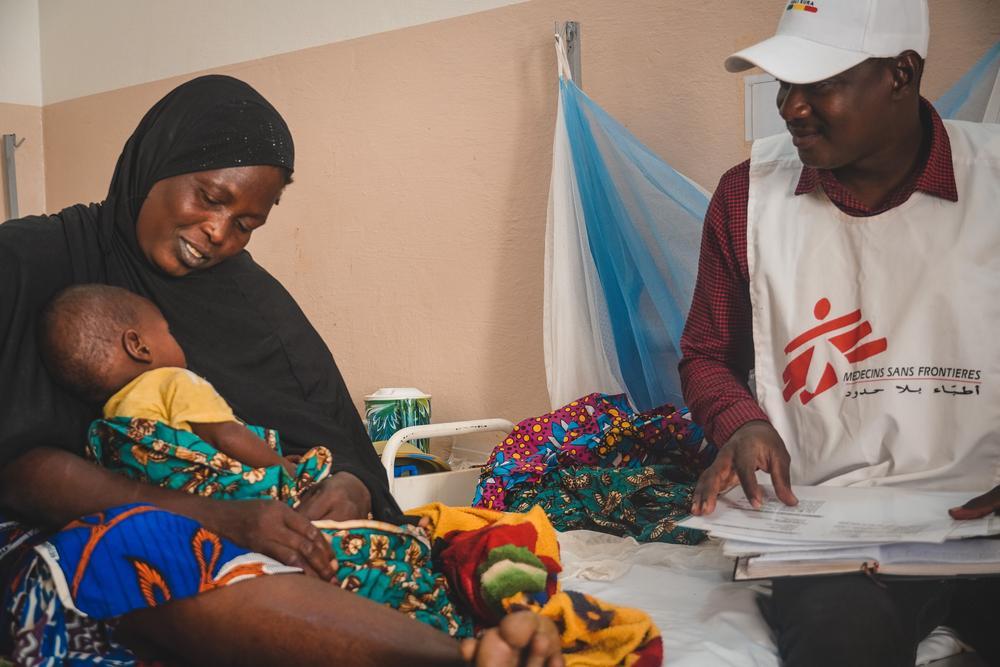
More than 1,100 children have already been treated in the new MSF project in Niafounké since project opening last year
Since Médecins Sans Frontières (MSF), in collaboration with District Health Authorities, launched activities in Niafounké in June 2021, teams have provided more than 1,100 children aged 0 to 15 with in-patient healthcare at the local referral health centre. In addition, more than 2,200 outpatient medical consultations have been carried out by community health teams for people affected by insecurity in the Gourma area of Timbuktu.
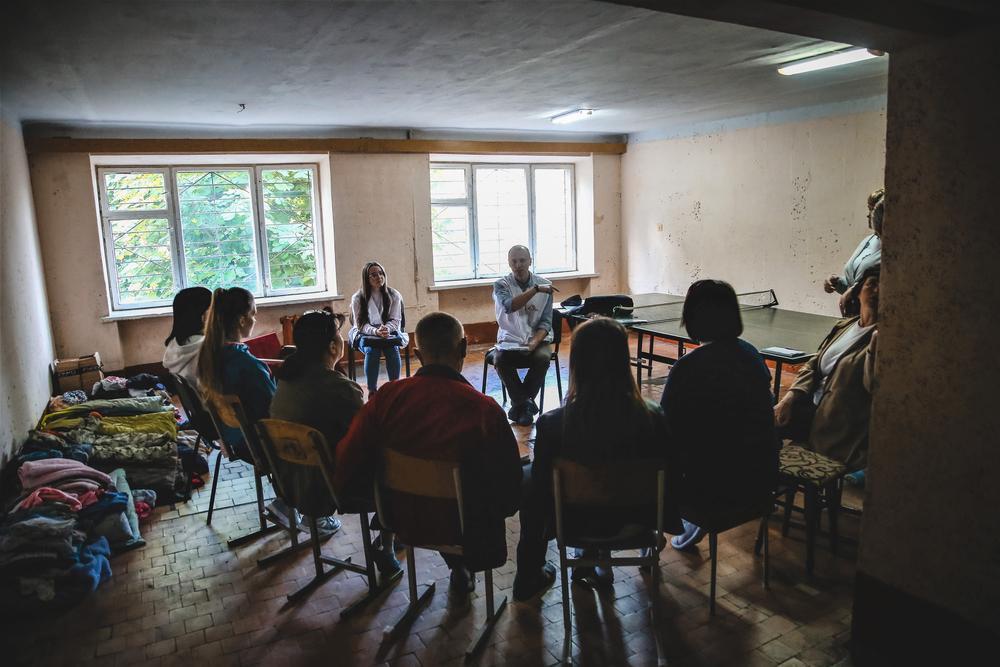
“We want to help people understand that their symptoms are a normal response to an abnormal situation”
Raul Manarte is a mental health activity manager for Médecins Sans Frontières (MSF) in Ukraine. He helped launch MSF’s mental health response in the towns of Uzhhorod and Ivano-Frankivsk in southwestern Ukraine and Kropyvnystskyi in central Ukraine. Here, Manarte describes how MSF is addressing mental health needs in these areas where many people have fled to from areas closer to the front lines.
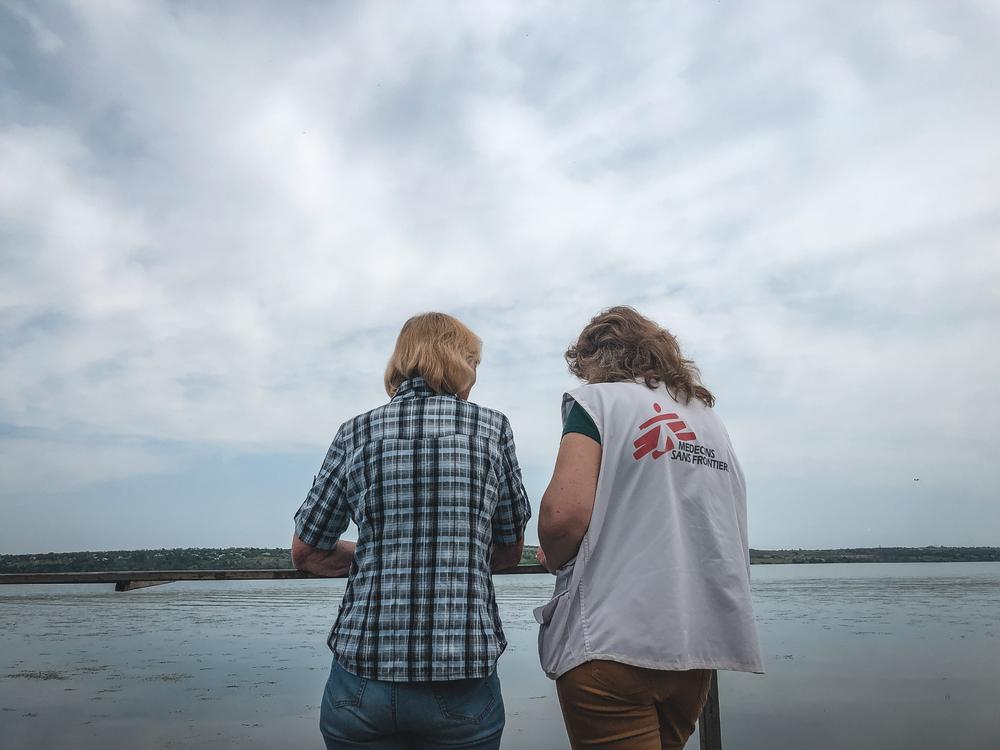
Mental health needs grow after 100 days of war in Ukraine
After 100 days of war in Ukraine (3 June), the medical humanitarian organisation Médecins Sans Frontières (MSF) has been providing mental health support in shelters for displaced people, at mobile clinics in remote villages, and in urban metro stations. In the past months, MSF has observed that the war, especially the indiscriminate shelling and military occupation of certain areas, has caused serious psychological issues for the men, women and children.
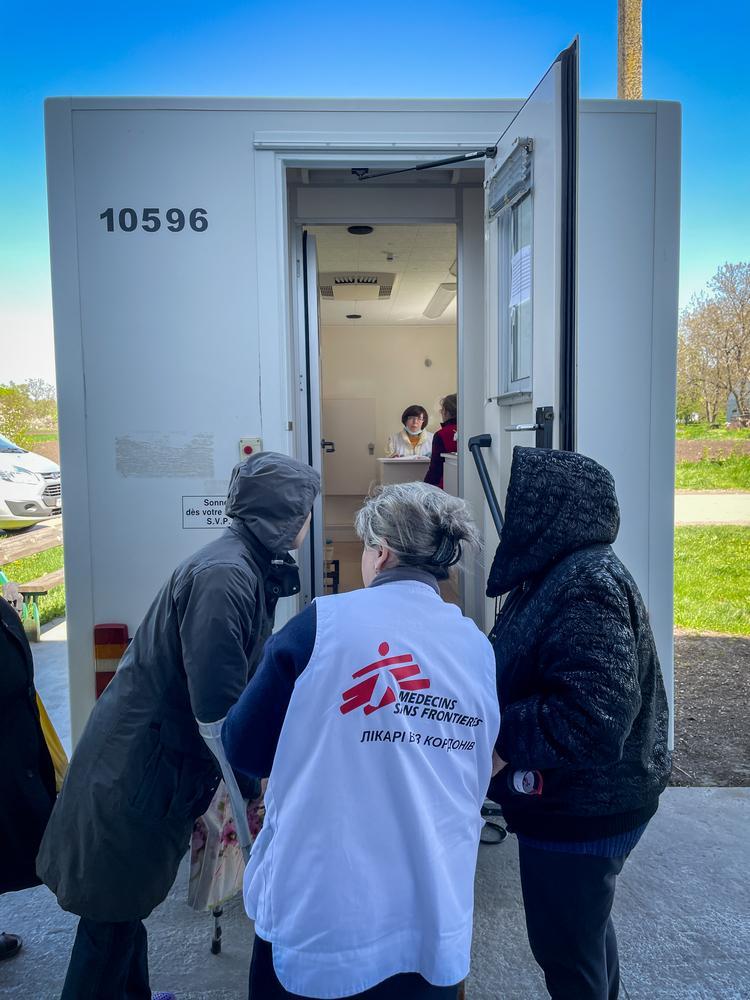
MSF mobile clinics to support people fleeing conflict in eastern and south-eastern Ukraine
With hundreds of thousands of people having fled heavy fighting in eastern and south-eastern Ukraine, Médecins Sans Frontières (MSF) teams are expanding medical and psychological support to vulnerable people living in shelters in and around Dnipro and Zaporizhzhia.
The challenge of a safe pregnancy and childbirth in Cabo Delgado
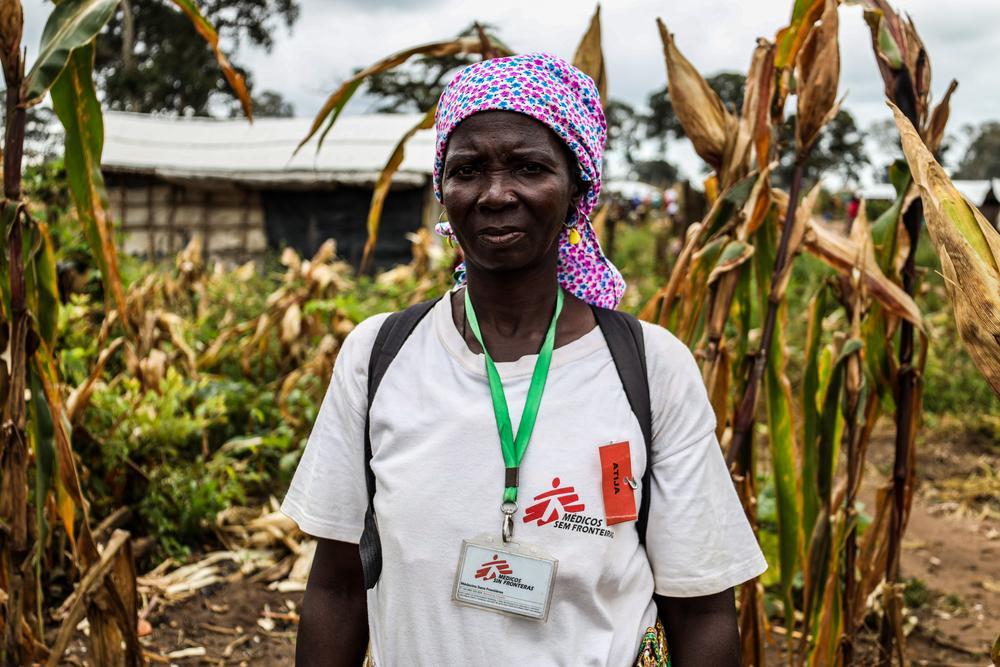
Atija Bacar is 66 years old and lives in Eduardo Mondlane, a camp for people who are internally displaced in Mueda, in Cabo Delgado, Mozambique. She is originally from Mocímboa da Praia, a town heavily hit by attacks in the ongoing conflict in the northern province. Atija works with Médecins Sans Frontières (MSF) as a traditional birth attendant, pregnancy and childbirth care providers living in the community, and assists more than 100 women in the camp.
MSF denounces inhumane treatment of migrants turned back from Algeria and Libya
From January to May 2022, MSF recorded 14,196 migrants expelled from Algeria, including 6,749 non-Nigeriens. Some 139 of these migrants were women, and 30 were minors. Approximately two thousand migrants are expelled from Algeria and Libya every month on average, including people with severe injuries, rape victims, and people suffering from serious trauma. Upon expulsion, these migrants are abandoned in the middle of the desert at the Algerian-Nigerien border, at a place called "Point Zero", 15 km from the town of Assamaka.