Ukraine Emergency Response

Last update: February 2026
Context
Nowhere in Ukraine is safe.
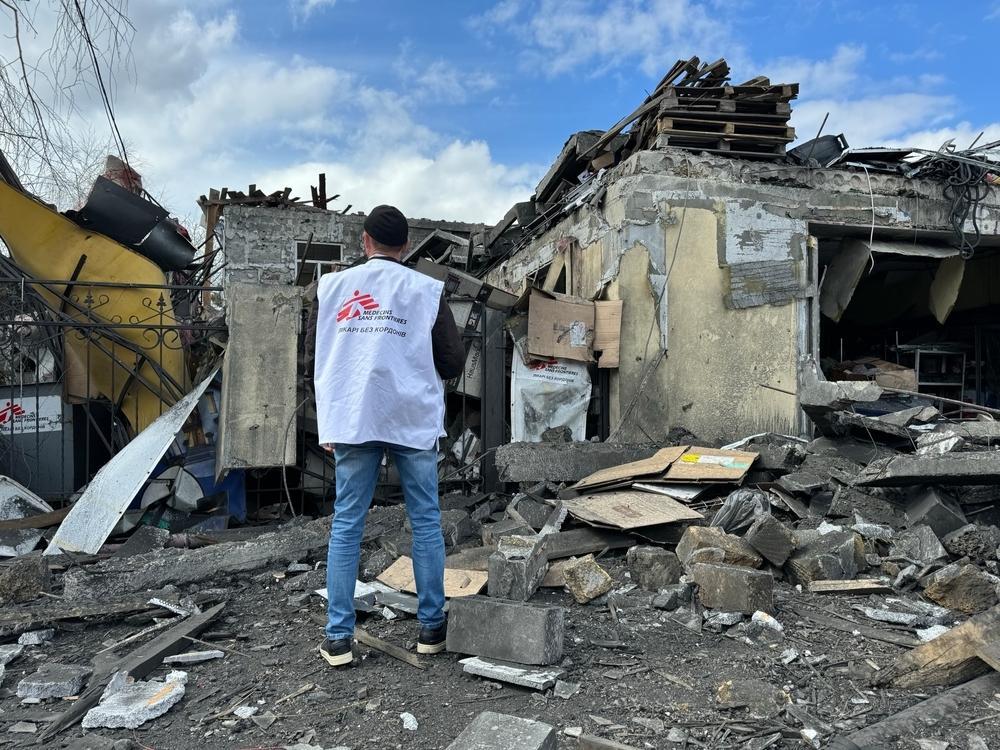
According to the UN, more than 2,000 medical structures have been damaged or destroyed in bombing since February 2022. In areas close to the frontline, the number of medical workers is diminishing due to the extreme danger.
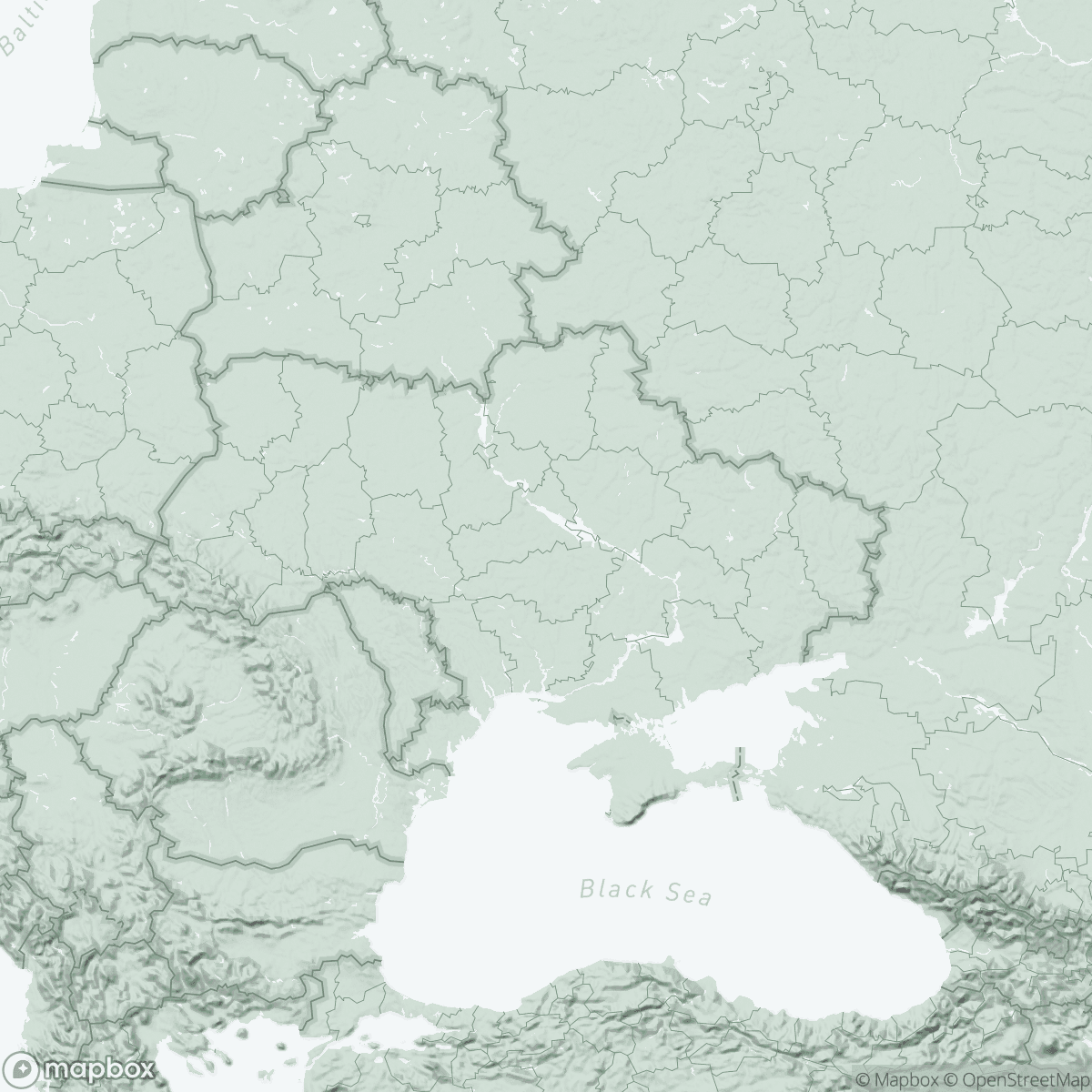
Drone strikes and missiles are near-constant, and have struck from the frontlines in Sumy, Kharkiv, Donetsk, Dnipropetrovsk, Zaporizhzhia, Kherson, Mykolaiv and Odesa regions, and as far west as the Polish and Moldova borders.
MSF teams have been forced to leave seven different hospitals since June 2022 due to violence and dozens of mobile clinic locations.
The increased attacks on medical facilities in Ukraine are disrupting every facet of daily life including the running of hospitals.
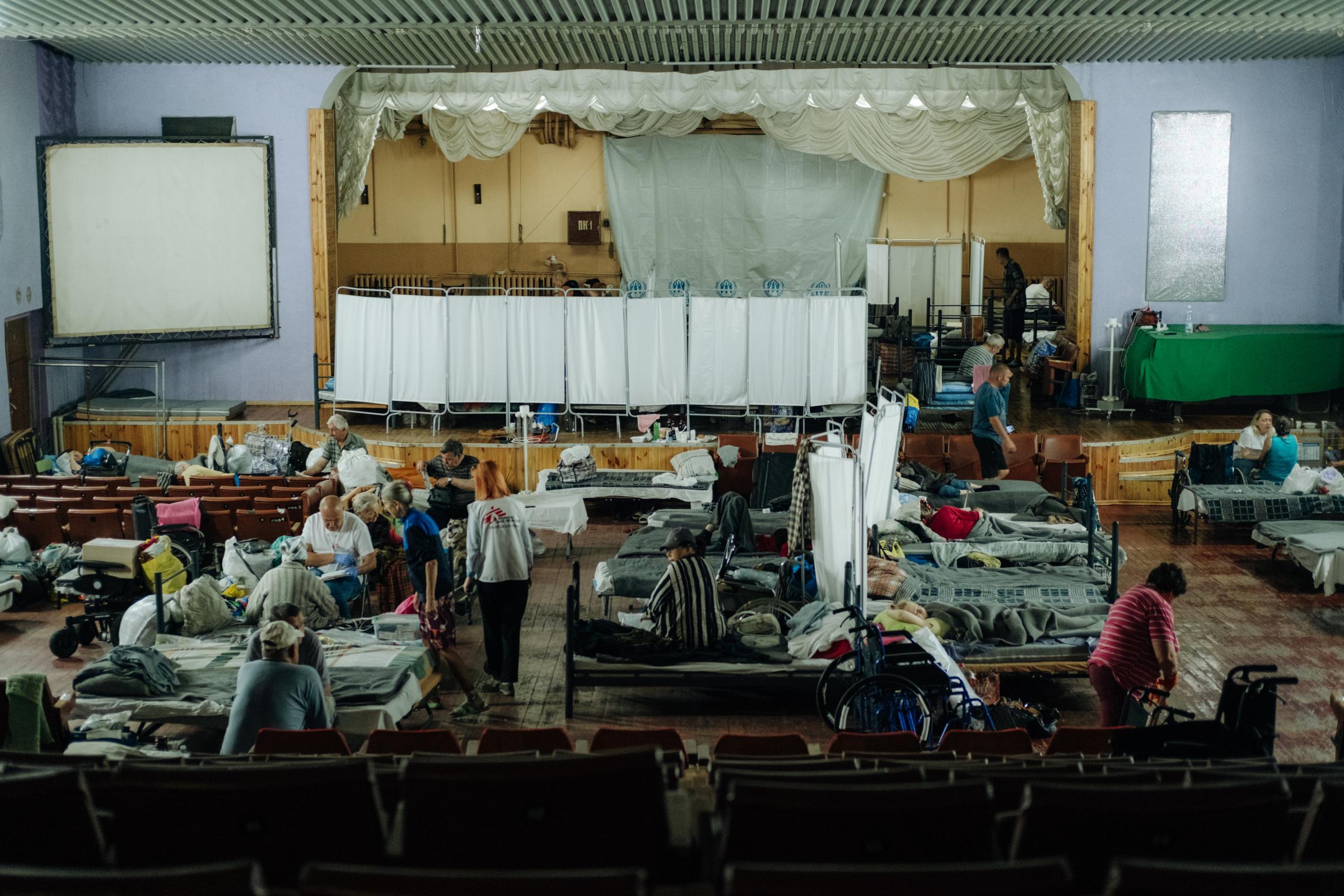
As temperatures in Ukraine drop as low as –20 degrees centigrade, these strikes are depriving people of heating, running water, light and the ability to cook and maintain hygiene. This, coupled with indiscriminate strikes, has left many people, including some MSF staff and patients, living in homes with blast damage, including broken windows.
As the war continues, the number of people in need of long-term rehabilitative care including physiotherapy for amputations, and treatment for post-traumatic stress disorder is accumulating, putting additional pressure on the ministry of health, which will last for years to come.
Key Figures
Figures as of January 2026.

million refugees from Ukraine
million internal displaced people inside the country
Our response to the crisis
In the first two years after the full scale invasion, MSF’s activities focused on the most immediate and life-saving needs, such as emergency referrals, evacuations, ambulance referrals, emergency responses close to the frontline and in the immediate aftermath of significant strikes. Today, MSF has expanded the range as the consequences of unrelenting war mount up.
In near-frontline areas teams continue to:
- support MoH hospitals, sometimes detaching medical teams to make up for increasingly limited MoH staff in hospitals’ Emergency Departments, Operating Rooms and Intensive Care Units;
- run a much needed ambulance referral service;
- provide mobile clinics in remote communities with a focus on treating chronic conditions, assist the MoH with active TB screening.
Away from the frontlines, MSF teams:
- help the MoH to develop more rapid rehabilitation systems for patients in the immediate post-surgery phase of major trauma wounds;
- provide mental healthcare and treatment for post-traumatic stress disorder.
- A multidisciplinary mobile team in Kyiv region will provide energy and heating support, WASH, NFI distribution, medical assessments and referrals, mental health and psychosocial support, and health promotion. The team will conduct outreach to older adults, people with disabilities, and others unable to access invincibility points (currently in the process of being established).
These activities reflect the quasi-epidemic levels of physical and mental trauma wounds, while the frontlines remain as dangerous in terms of bombings and aerial attacks as ever.
Key Data
As of February 2026

outpatient consultations were provided through mobile clinics between 2022 and 2025
mental health consultations between 2022 and 2025

patients transported by ambulance in 2025

physiotherapy sessions in 2025
Details of our activities
The impact of the war on medical facilities and MSF operations
MSF’s ways of working have adapted to the way this war is being fought, including the provision of psychological first aid to our own teams when they come under fire while carrying out medical activities, or the fact that MSF’s ambulance crews must sometimes wait before responding due to ongoing shelling, or even so-called ‘double tap’ strikes.
Since February 2022, a number of hospitals that MSF supports and an MSF office, have been damaged or destroyed in bombardments. Below is a timeline of attacks on medical facilities and MSF structures, and of how MSF has been forced to withdraw from some locations or hospitals as shelling encroached.
The following is split into two sections, the first being how our operations have adapted based on the fighting/shelling etc. The second is focused on incidents where medical facilities or MSF facilities have been damaged, or incidents such as the bombing of the Kramatorsk railway station, where our teams responded to the aftermath of a significant attack.
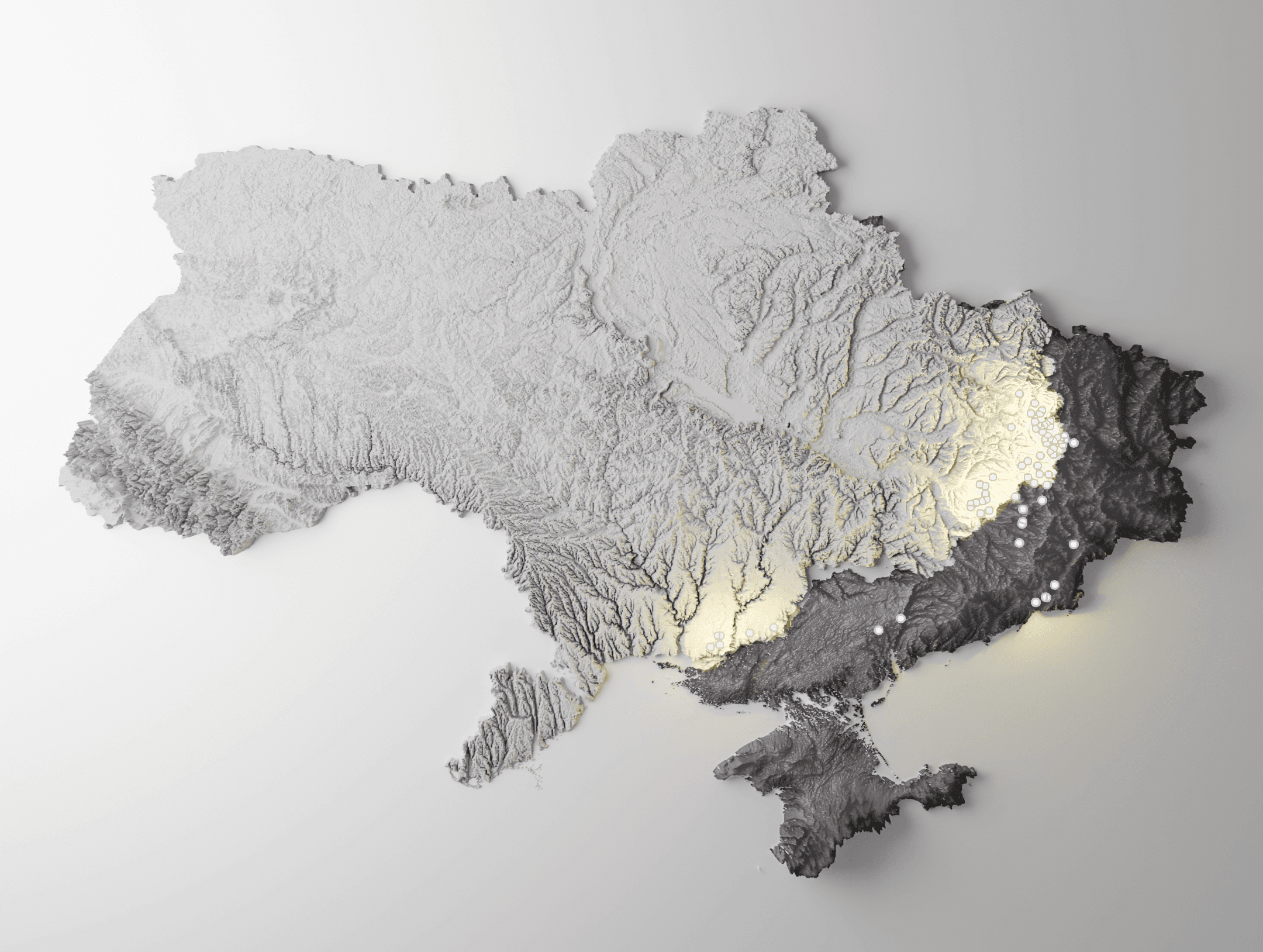
Timeline of attacks that MSF has spoken out about:
Apr. 2022
April 4, 2022 - An MSF medical team in Mykolaiv oncology hospital witnessed a bombing by Russian forces that could be consistent with the use of cluster munitions. Both the oncology hospital and the nearby paediatric hospital came under fire in the attack.
April 6-7, 2022 - The MSF medical train evacuated 40 patients from the crowded Kramatorsk train station where hundreds of people were waiting to be evacuated. The following day, on 8 April, Russian forces shelled the station, killing at least 58 people and injuring around 100. The MSF medical train then returned to Kramatorsk to evacuate the people, many of them children, many of whom suffered severe trauma, in some cases requiring amputations.
Spring 2023
MSF was able to reach numerous medical facilities located in areas formerly occupied by the Russian military areas in Kherson and Donetsk regions. The facilities had been looted, medical vehicles including ambulances had been destroyed. Inside two of these facilities they saw weapons and explosives.
May 2023
May 26, 2023 - A Russian missile struck a medical facility in Dnipro, killing two people and injuring an estimated 23, including two children. MSF responded by providing psychological first aid and medical supplies for the hospital;
Aug. 2023
August 1, 2023 - An MSF-supported hospital in Kherson was shelled by Russian forces, resulting in a Ministry of Health doctor being killed. The operating theatre suffered a direct hit. On 4 August the hospital was shelled for the second time which resulted in the destruction of the morgue;
Oct. 2023
October 5, 2023 - An MSF-supported hospital in Beryslav, Kherson region, was hit in an attack by Russian forces. The two top floors of the hospital were destroyed and two medical staff were injured. The hospital had to cease all medical activities.
Nov. 2023
November 13, 2023 - A hospital in Kherson region where MSF works was hit in an artillery strike. Four people were injured, including two medical staff.
November 20, 2023 - A hospital in Selydove, Donetsk region, where an MSF team was working, was targeted by gunfire. The hospital and two MSF ambulances were damaged, with windows shattered by the shockwave of the explosion.
Feb. 2024
February 13, 2024 - Russian forces struck the MSF-supported hospital in Kherson city, forcing our surgical team to seek shelter in the bunker, and damaging the outpatient clinic.
February 14, 2024 - An MSF-supported hospital in Selydove was hit, killing 3 and injuring 6.
Mar. 2024
March 14, 2024 - A hospital in Trostianets, Sumy region, which MSF had supported, was shelled. This resulted in damage to multiple departments and medical equipment.
Apr. 2024
April 5, 2024 - The MSF office in Pokrovsk, Donetsk region, was destroyed as Russian forces bombarded the city. Five people were injured, including MSF’s security staff. Our pharmacy storage with medicines for ambulance teams was destroyed. MSF had to temporarily scale down its medical humanitarian activities in the Donetsk.
July 2024
July 8, 2024 - During a massive wave of bombings by the Russian military across Ukraine, the largest diagnostic and treatment facility for children in Ukraine was hit. Two adults were killed, and more than 50 were wounded, including 8 children who were in the hospital. At the beginning of the full-scale war, MSF doctors assisted medical staff in surgical wards in the hospitals and provided training for physical therapists. After the attack, we donated medical supplies for the hospital.
Oct. 2024
October 25, 2024 - During the Russian forces attack on Dnipro, one of the largest hospitals in Ukraine was hit. MSF has been working with it since 2022, referring critical patients by ambulances here.
Nov. 2024
November 7, 2024 - A cancer hospital in Zaporizhzhia was struck amid intense bombardment. Since the escalation in 2022, MSF has been referring critically ill patients from this hospital to other facilities for specialised care.
Dec. 2024
December 10, 2024 – Eight people were killed and another 22 injured in the shelling of Zaporizhzhia. A clinic was destroyed, with patients and staff injured. The day before MSF was due to refer two patients to this clinic, and after shelling it was impossible.
Jan. 2025
January 8, 2025 – Missile attack on Zaporizhzhia, 13 people have been reported killed and 120 others injured, including a 13-year-old child. MSF was making a medical donation to one of the hospitals who received the wounded.
March 2025
March 1, 2025 – Russian forces struck a hospital in Kharkiv city. The roof and wards were damaged, and four patients were injured. Reportedly, more than 50 patients had to be evacuated. MSF had been working with this hospital since August 2023, transferring stabilised patients from surgery, ICU, and therapy to hospitals with greater capacity in central and western Ukraine.
March 7, 2025 – Dobropillia, Donetsk region, faced massive attack, which killed 11 people and injured at least 50. MSF referred injured from the local hospital to Dnipro for further treatment.
March 14, 2025 – the hospital in Zolochiv, Kharkiv region was attacked. According to authorities, patients were not physically injured, a medical staff member suffered severe emotional distress. MSF was supporting the hospital with medical donations.
April 2025
April 14, 2025 – Strikes in Kyiv saw a missile hit a residential building. 12 people have been confirmed killed, and over 70 injured—among them, six children. Many remain in hospital, with life-threatening injuries. Kyiv is home to MSF’s coordination offices in Ukraine. MSF teams live and work in the city.
June 2025
June 16, 2025 – Kyiv saw yet another massive attack notably targeting residential areas. 10 people were killed and about 100 were injured.
June 24, 2025 – Russian military attack on Dnipro resulted in 15 people dead and more than 170 injured. Residential areas and civilian infrastructure came under fire. MSF treated a train passenger who were injured.
July 2025
July 1, 2025 – Russian forces shelled an MSF-supported hospital in Kherson city. Four shells landed extremely close to the hospital, and one hit a hospital building directly. Eight people were wounded, including patients and hospital staff. Two hospital wards were destroyed, and another two were damaged.
July 25, 2025 – TB hospital in Kharkiv was heavily damaged in an attack. Two patients and four medics were injured. Part of the hospital is no longer operational. MSF has been supporting people with TB in Ukraine since 2011 and remains committed to ensuring access to healthcare.
July 29, 2025 – During an attack by Russian forces on Kamianske, Dnipropetrovsk region, multi-specialty hospital No. 9 was damaged. Three people, including a pregnant woman, were reportedly killed and more than 10 injured. MSF worked closely with this hospital, referring patients there by our ambulances for surgical care and rehabilitation.
July 31, 2025 – Strikes on residential areas of Kyiv. At least 8 people were reportedly killed, including a 6-year-old child, and more than 100 injured — among them, children.
August 2025
August 23, 2025 - 18 people were travelling to work on public transport in the morning when they came under drone fire in the Dnipropetrovsk region. MSF medical team, together with staff from the Ministry of Health, provided medical care to 6 injured people at the local hospital.
Sept. 2025
September 4, 2025 – The regional hospital in Kostiantynivka, Donetsk region, has been forced to close, after months of bombardments on and around the hospital. MSF supported this hospital from April 2022 until June 2023, before the advance of the frontline simply made it too dangerous for us to operate.
September 9, 2025 – MSF referred four patients, wounded during the Russian forces strike on Yarova village, Donetsk region. The patients had serious injuries and were taken from the hospital in Sloviansk to Dnipro. They had been waiting for their pensions when the attack happened, killing 25 people.
September 17, 2025 – Mezhova, Dnipropetrovsk region. After repeated bombardments, the hospital was forced to cease operations, leaving those unable to flee without access to medical care. An MSF mobile clinic had worked in this hospital for 6 months, until March 2025.
September 29, 2025 – In Pokrovske, near the frontline in Dnopropetrovsk region, MSF teams were treating patients in the intensive care unit when the building shook from the explosions. Eight wounded people arrived with shrapnel injuries, limb trauma, and traumatic brain injuries.
Oct. 2025
October 24, 2025 – Following widespread and largely indiscriminate shelling by Russian military on Kherson, MSF doctors received seven patients with blast and shrapnel injures at the hospital we support.
Nov. 2025
November 4, 2025 – Russian military forces carried out strikes on Synelnykivskyi district, Dnipropetrovsk region, hitting civilian infrastructure and private homes. MSF supports a hospital close to the frontline in this area, where wounded patients were brought.
Dec. 2025
December 4, 2025 – Russian forces carried out a major aerial attack on Sloviansk. There was a blast just metres from the MSF staff house. The explosion damaged the building, 2 MSF vehicles, and an ambulance of “Cadus” NGO. No one was injured. MSF was forced to leave this guesthouse after the attack.
Extend your solidarity with those in need
Whatever your means, there are several ways you can help MSF in its work:
- Join our community
- Follow us on the networks and share our publications: Facebook / Instagram
- Make a one off donation
- Make a monthly donation
Make a donation with Payconiq
#1. Scan this code with your Payconiq App.
#2. Indicate the amount of your donation.
#3. Validate your donation.
By making a donation via Payconiq, your donation will be allocated to all Médecins Sans Frontières projects, where the needs are greatest.

MSF History in Ukraine
1999 – 2005: HIV/AIDs and prevention of mother-to-child transmissions. Odesa, Mykolaiv and Simferopol.
2011 – 2015: Drug-resistant tuberculosis treatment activities in pre-trial detention centres and prisons. Donetsk region. In September 2015, the Humanitarian Committee of the self-proclaimed Luhansk People’s Republic refused permission for MSF to work in Luhansk, and in October 2015, MSF received official notification from the self-proclaimed Donetsk People's Republic of the withdrawal of its accreditation to work in DPR.
2014 – 2015: Primary healthcare and mental health support through mobile clinics and medical donations to hospitals. More than 40 cities in northern Luhansk and Donetsk region. Self-proclaimed Luhansk People’s Republic issued a notification to MSF at the end of 2015 to withdraw and stop activities in Donetsk and Luhansk.
2015 – 2022: Primary healthcare and mental health support through mobile clinics to 30 villages along the line of contact in thebuffer zone from Mariupol, Kurakhove, Volnovakha and up to Ocheretyne. Based in Mariupol, Kurakhove and Pokrovskteams worked near the frontlines and areas controlled by Ukraine improving access to healthcare for vulnerable people living in rural areas affected by the conflict.
2015 – 2017: Drug-resistant TB treatment in pre-trial detention centres. Mariupol and Dnipro.
2017 – 2020: Hepatitis C treatment to people co-infected with HIV and medical personnel infected with Hep C in line of work in the Mykolaiv region. Due to the spread of Covid-19, MSF decided to close activities in March 2020.
2018 – 2023: Drug-resistant-tuberculosis treatment. Zhytomyr region.