Homepage

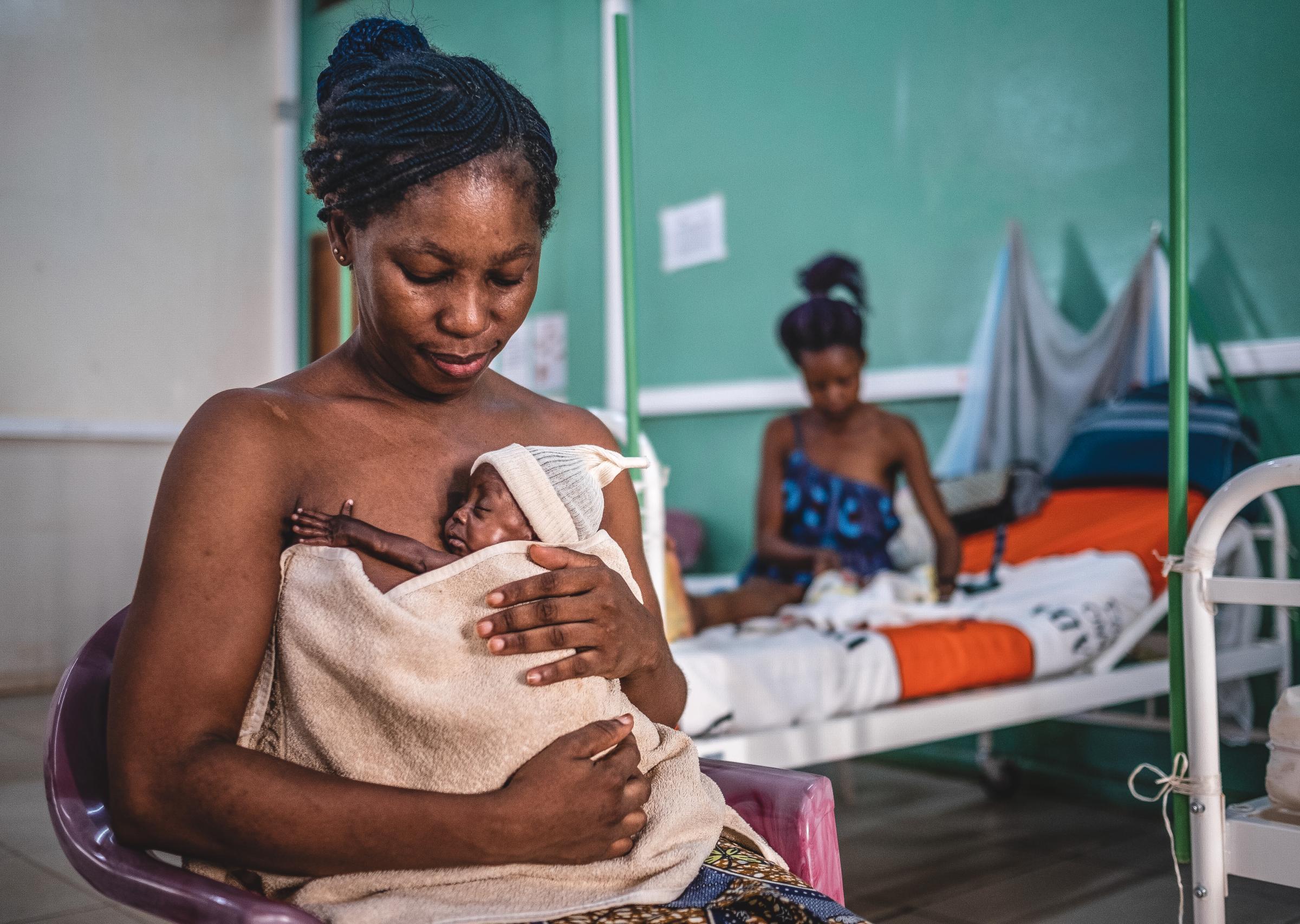
We are
Doctors Without Borders.
Neutral. Independent. Impartial.
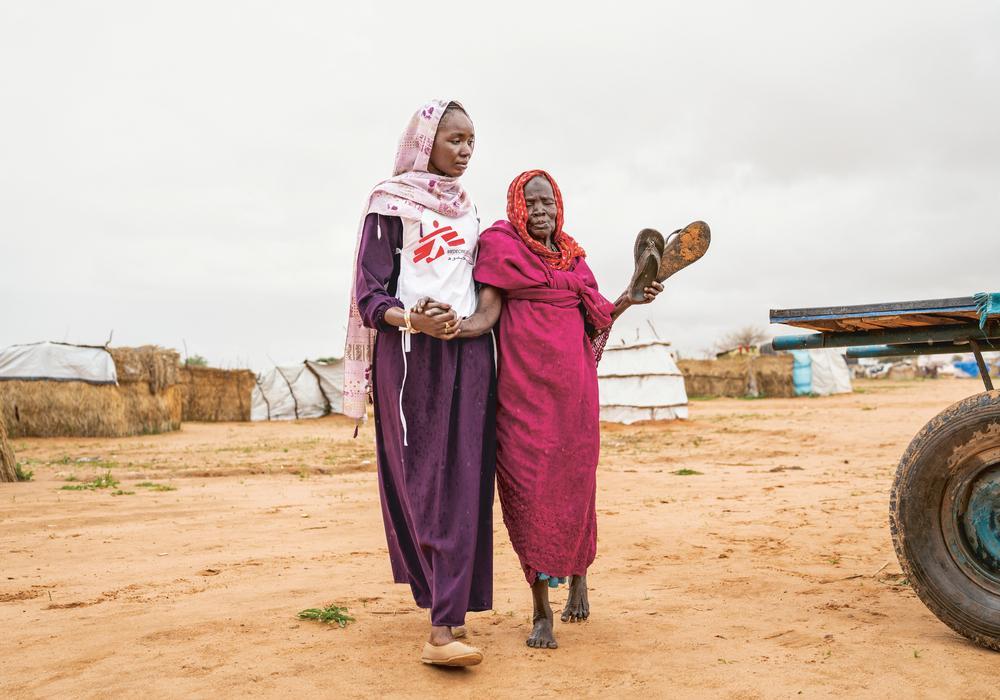
For over 50 years, our teams have been working with populations excluded from healthcare.
99,9% of our resources come from private sources. Only your support enables us to take action.
We act in more than 70 countries
Médecins Sans Frontières is present in more than 70 countries around the world. We are driven by impact, not media visibility. We go where our teams on the ground can make the most significant difference.
Thanks to your donations, our reach is:
COUNTRIES were HOME TO OUR PROJECTS in 2025

CONSULTATIONS CONDUCTED IN 2025

HUMANITARIAN WORKERS HIRED in 2025
Médecins Sans Frontières
Médecins Sans Frontières (MSF) is one of the world's leading international medical humanitarian organisations. We provide medical assistance to people affected by conflicts, epidemics, disasters or exclusion from healthcare in more than 70 countries. For over 50 years, our actions have been guided by medical ethics and the principles of impartiality, independence and neutrality.
The Luxembourg section of MSF was created in 1986 and houses the operational research unit, known as LuxOR (MSF's Operational Research Unit in Luxembourg).
News
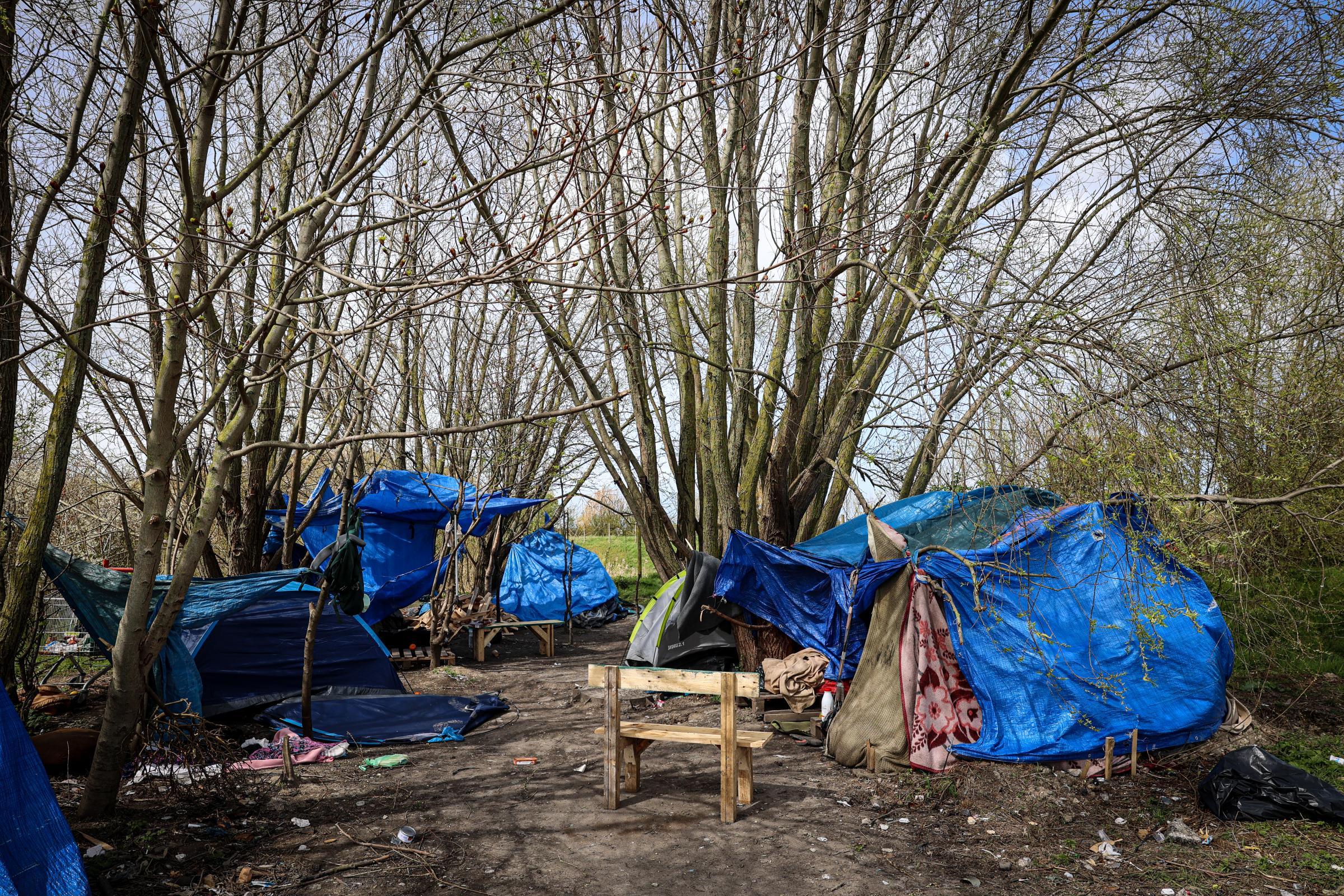
Ten years after the Calais ‘Jungle’, thousands of people seeking refuge remain trapped at the France-UK border

Drawing Gaza when your childhood has been shaped by fear and violence
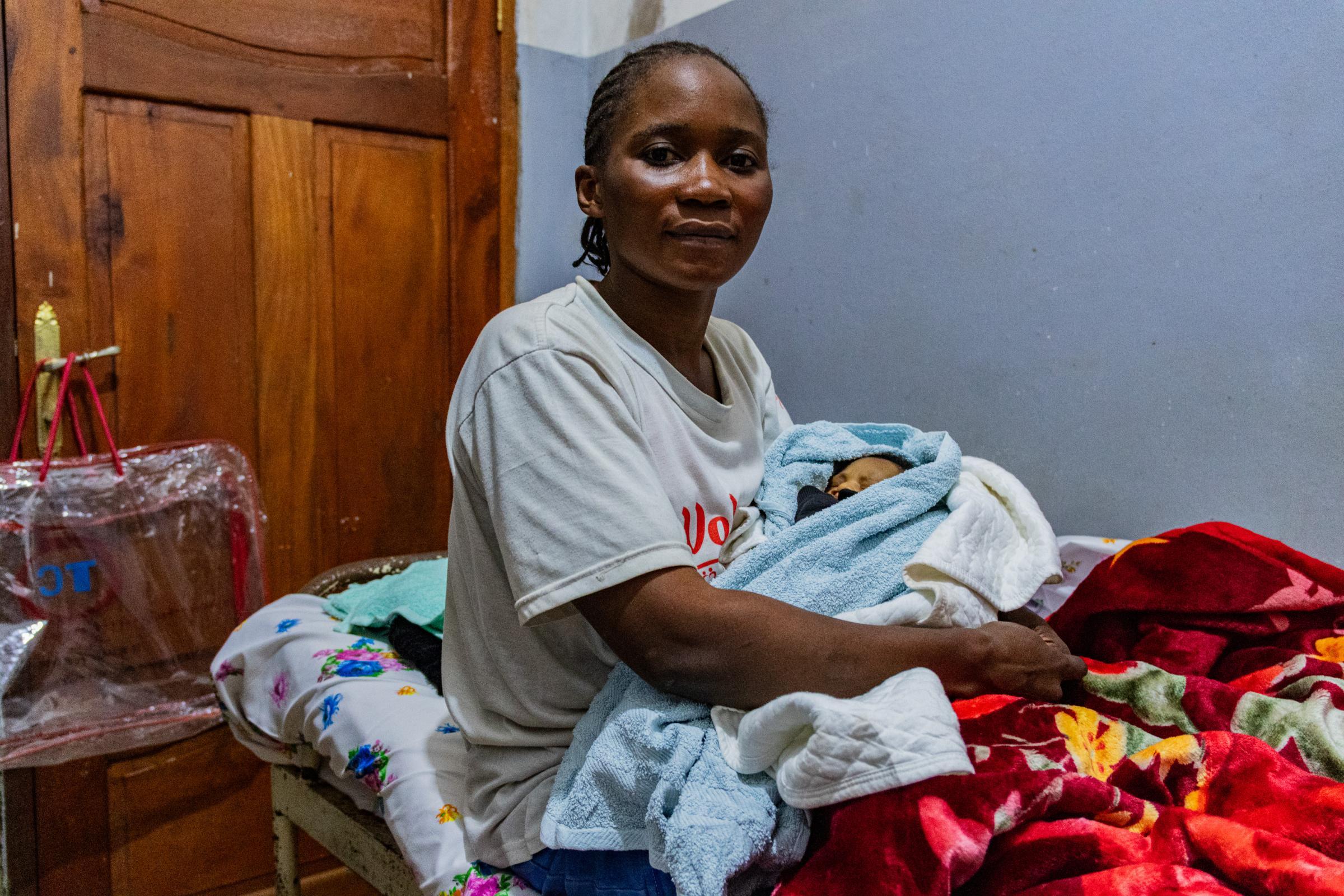
Children, disproportionately affected yet left behind in the current Ebola outbreak response

Nigeria: the gains against malnutrition in Katsina need to be pursued and amplified
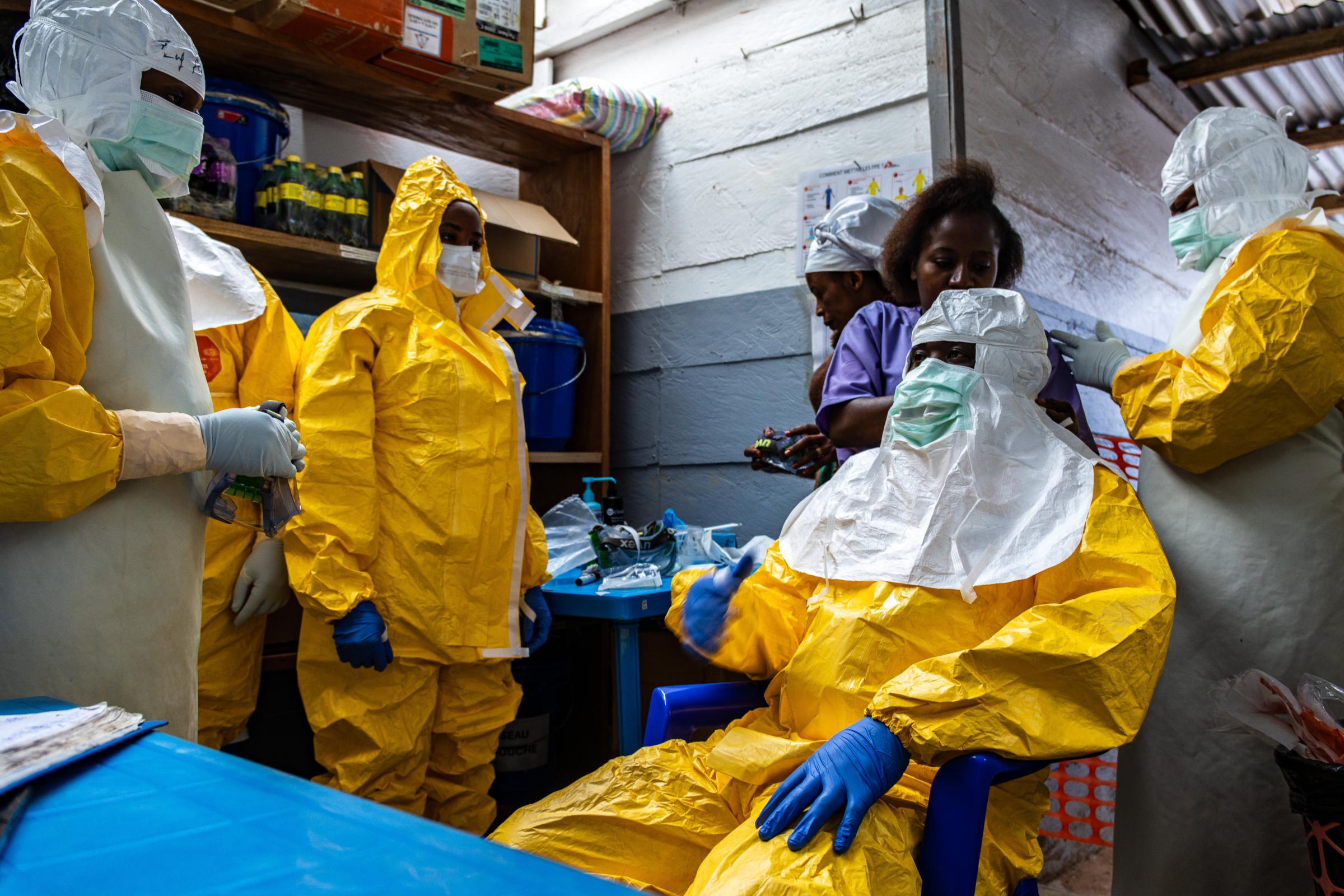
What will it take to end this Ebola disease outbreak?
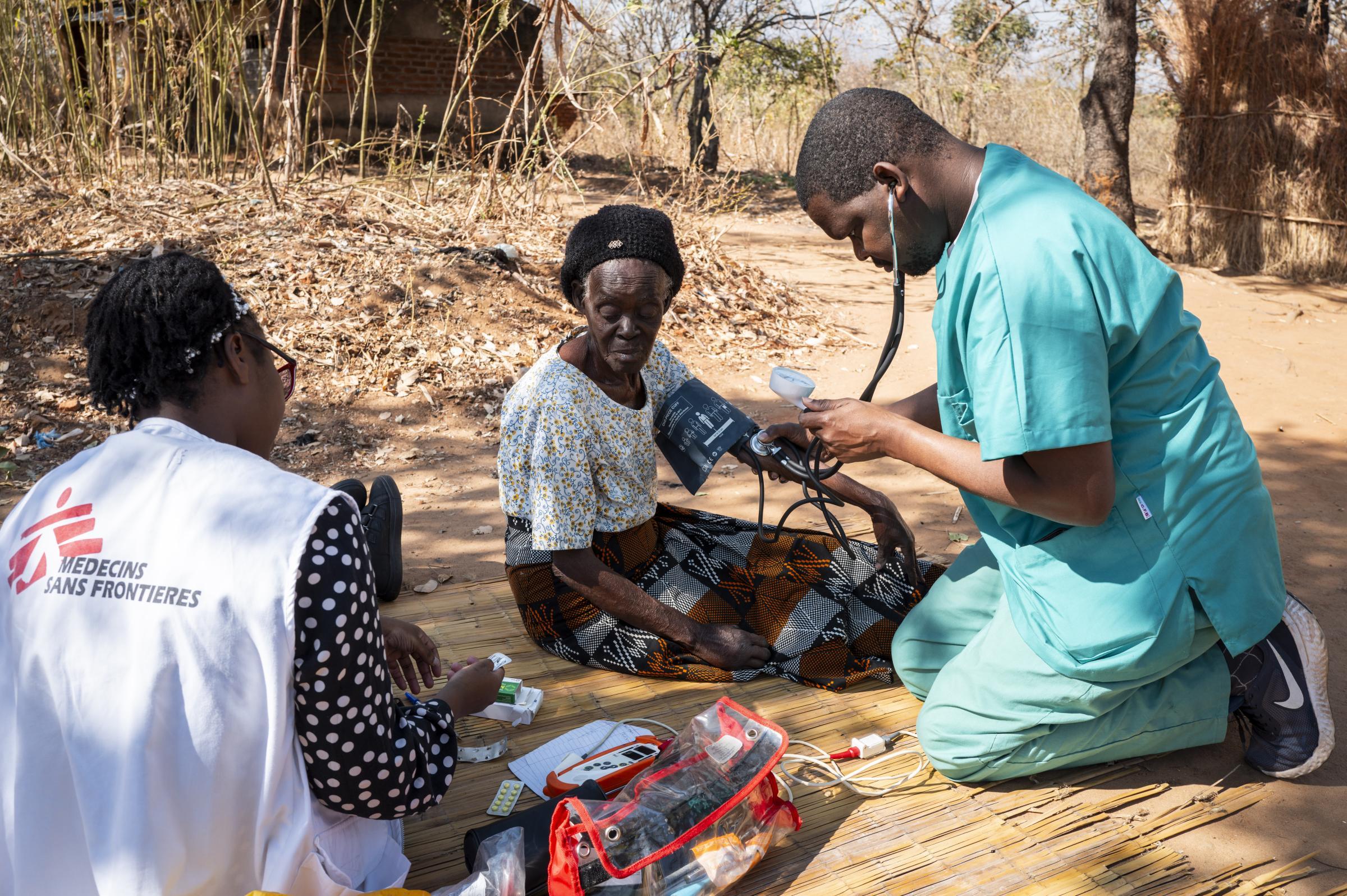
Supporting Palliative Care Patients in Malawi
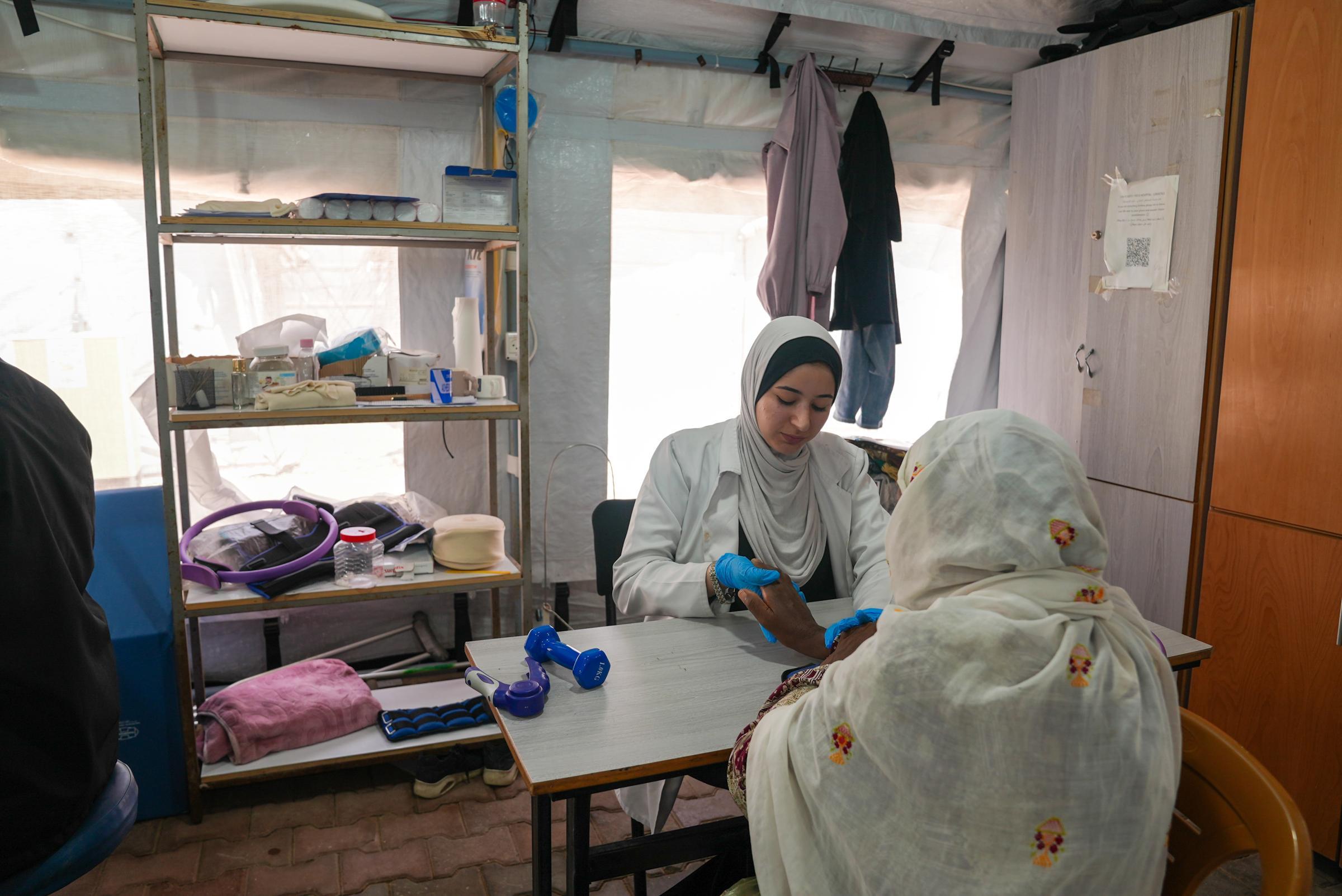
World Medical Association members must call for release of detained Palestinian medics
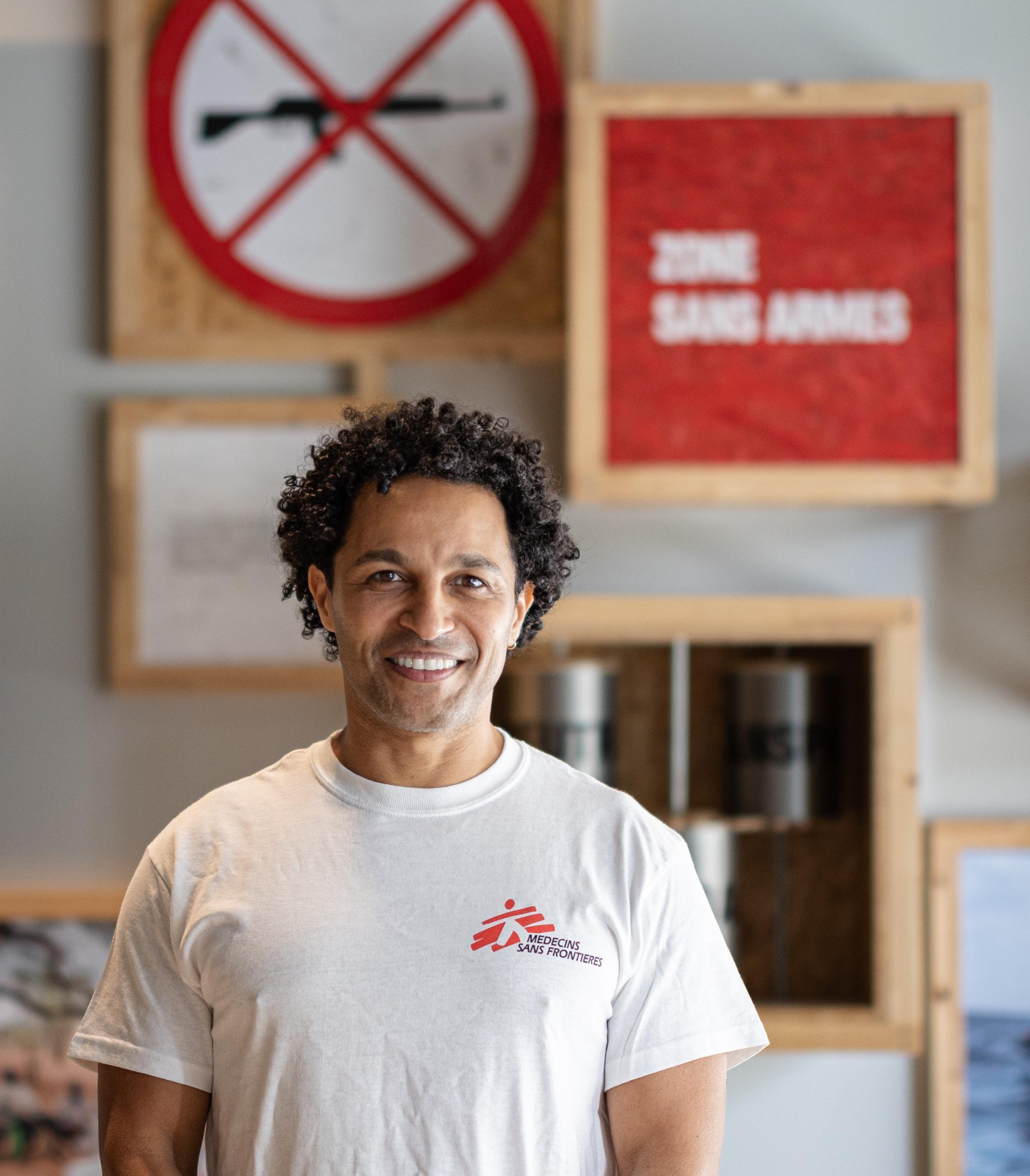
Roundtable discussion with Dr Javid Abdelmoneim, International President of Médecins Sans Frontières

Information session: volunteering in Luxembourg - 25 November 2026
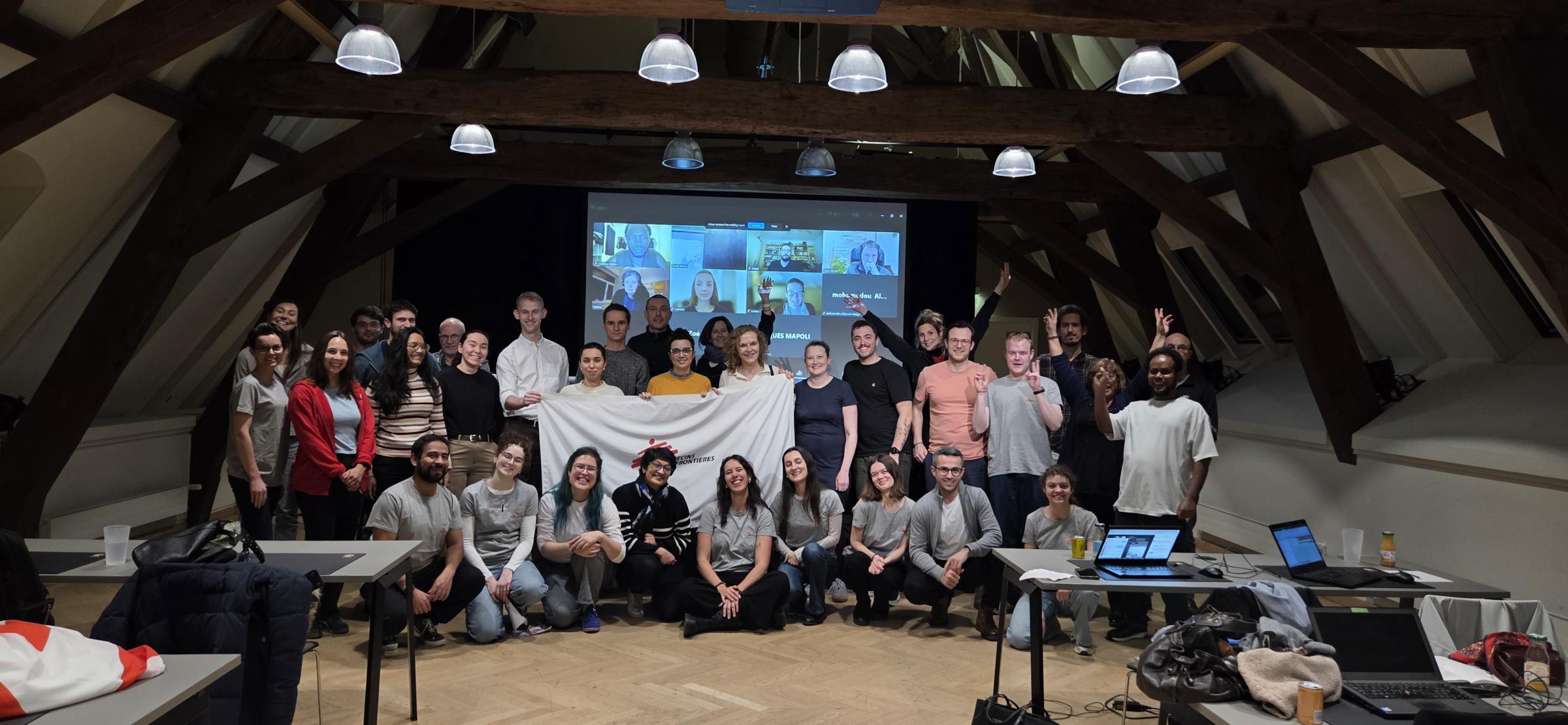
19 November Mapathon: an international commitment for the 2026 Geo Week
