
MSF Luxembourg is committed to supporting young people living with HIV
In 1 click, help us spread this information :
As we approach World AIDS Day (December 1st), we are highlighting two initiatives led by the teams of Médecins Sans Frontières Luxembourg :
→ HIV: Youth Clubs in the DRC – A Simple, Humane, and Effective Model
HIV: Youth Clubs in the DRC – A Simple, Humane, and Effective Model
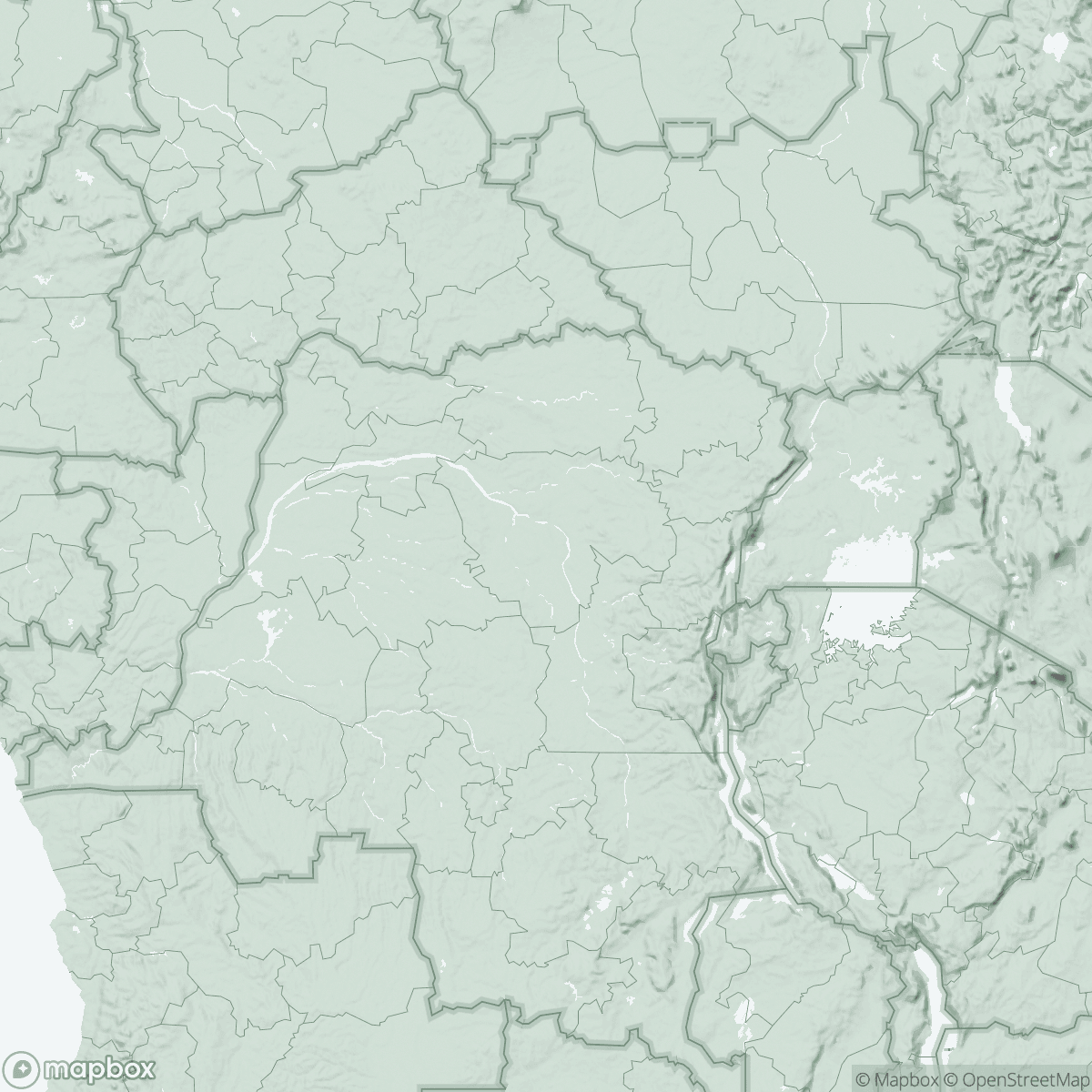
In the Democratic Republic of Congo, more than 60% of the population is under 20 years old: a large, energetic, and promising youth population—but also highly vulnerable to HIV. In 2024, 15,000 young people under the age of 25 contracted the virus, including more than 9,000 under the age of 15, mainly due to insufficient prevention of mother-to-child transmission (PMTCT) during pregnancy, childbirth, or breastfeeding.
I learned I was HIV-positive at 15,” says Raïssa, 22. “Very quickly, I was stigmatized, rejected, even by my family. I had lost so much weight that I was forbidden from going to parties or funerals. I no longer left my room. Everything collapsed around me, simply because of how others saw me.”
Like her, many teenagers face a double burden: the weight of the illness and the stigma. This situation leads to isolation, discouragement, and, all too often, the stopping or interruption of vital medications needed to keep the virus under control, which can be fatal.
Credit : ©Emilia Brazy-Nancy/MSF
Youth clubs: a simple, humane and effective model
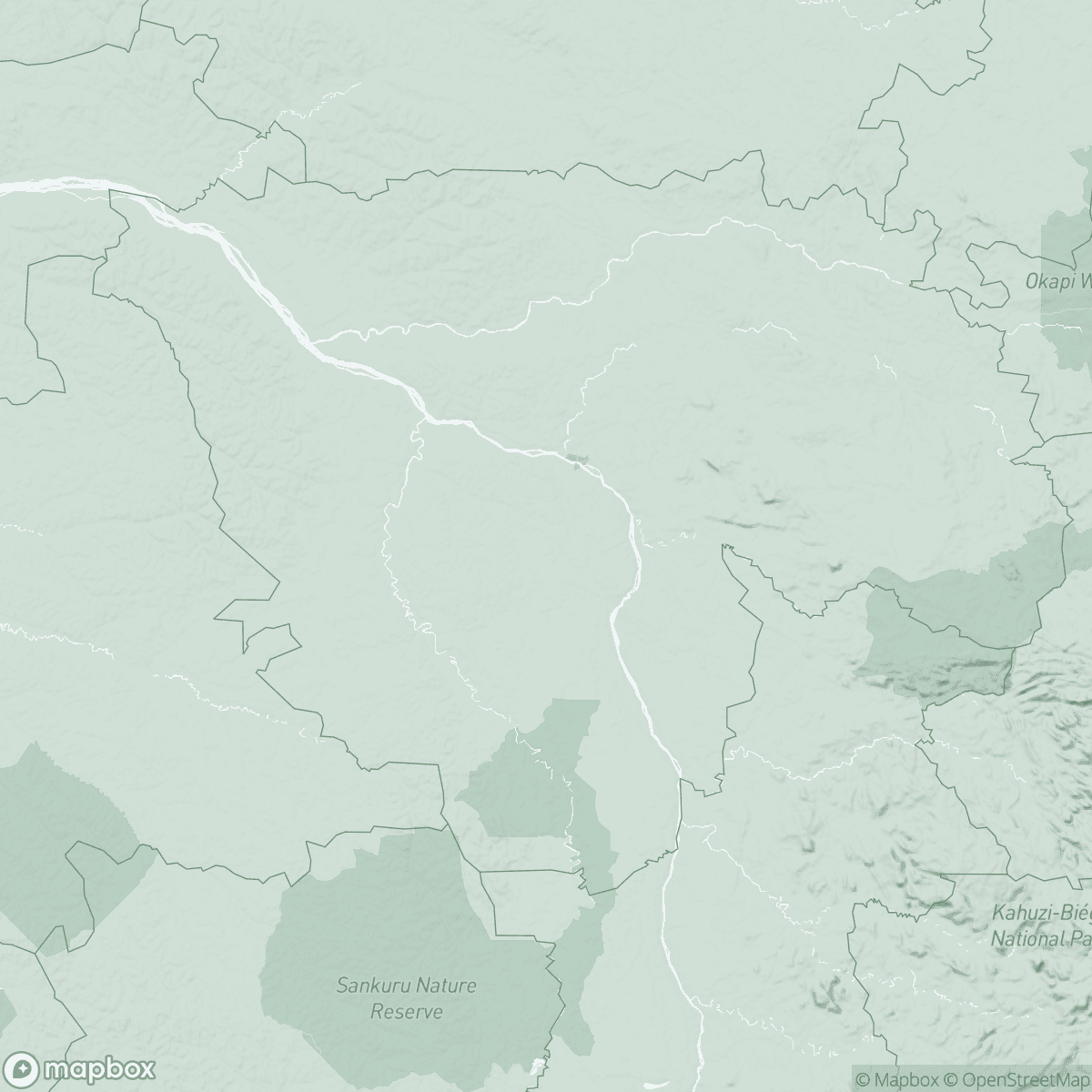
Treatment dropout is particularly concerning among young people in Kinshasa. To address this, MSF and the Congolese association Jeunesse Espoir launched an innovative initiative in 2019: youth clubs. Their principle is simple: to offer adolescents and young adults living with HIV a safe, confidential, and welcoming space, connected to a healthcare facility, where they can connect with their peers.
This is a model that works remarkably well to strengthen adherence to treatment,” explains Dr. Pulchérie Ditondo, head of MSF’s community medical activities in Kinshasa. “Members help each other, motivate each other, encourage each other. They become active participants in their own health.”
Today, 83 young people aged 12 to 25 attend these clubs in four districts of Kinshasa. The initiative also incorporates a crucial educational and preventative component: the young people learn to protect their health, understand their treatment, and reduce the risk of transmission.
The results speak for themselves: in 2024, nearly 80% of them had a suppressed viral load – compared to 71% in 2019 – demonstrating the effectiveness of the model.
The Photovoice method, an innovative operational research approach by LuxOR
In 2024, MSF Luxembourg’s Operational Research Unit (LuxOR) launched a study to evaluate the effectiveness of this model in strengthening adherence and improving the overall health of participants. The results are conclusive: the Youth Clubs model must be sustained and expanded. The research, conducted by anthropologist Emilia Brazy-Nancy, combined individual interviews, group discussions, and an innovative participatory approach called “Photovoice.”
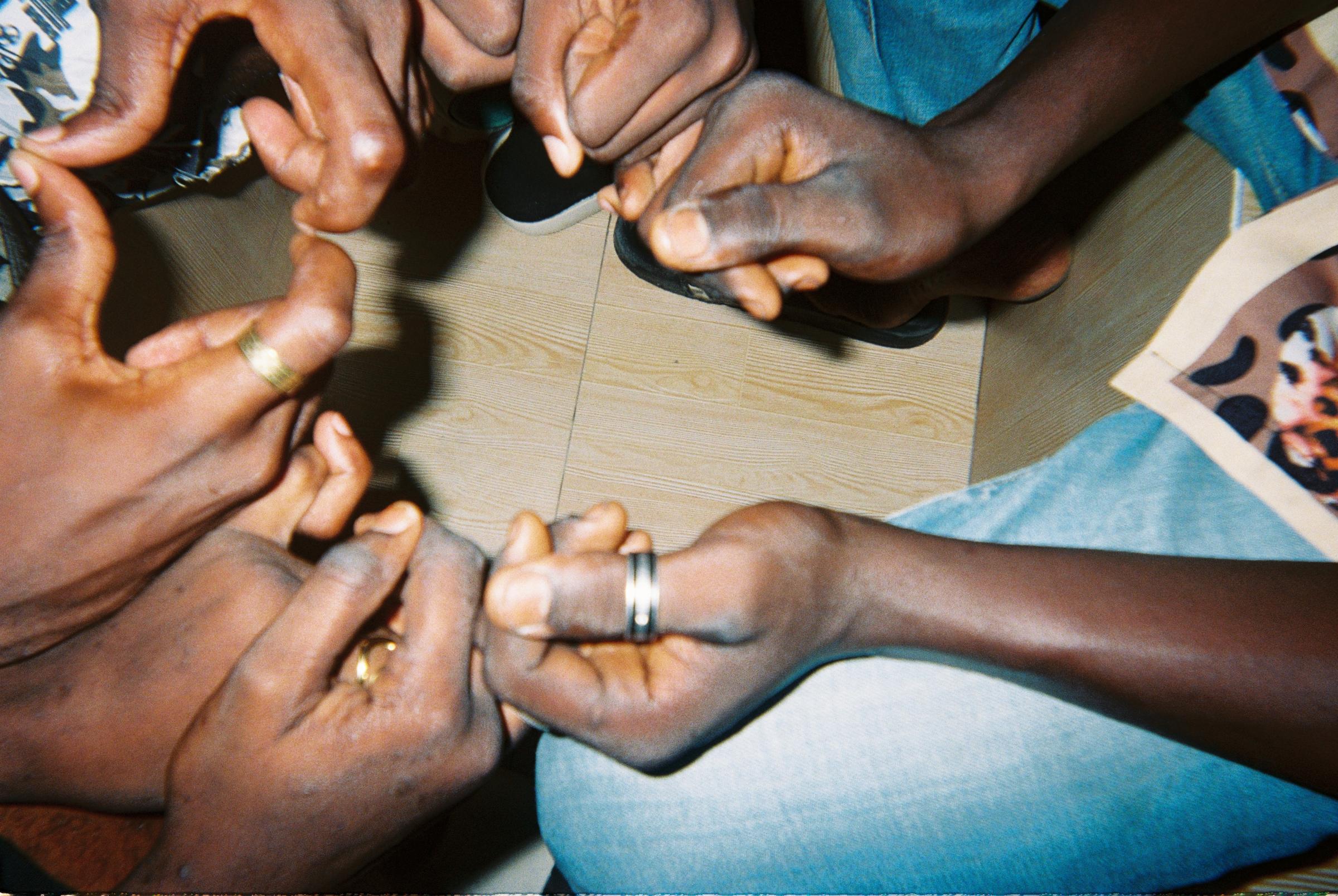
Equipped with disposable cameras, ten members of two HIV clubs took more than 200 photos illustrating their daily lives. While not commonly used in this type of context, the method proved particularly well-suited for exploring sensitive and often taboo subjects, such as the stigma associated with HIV.
A model to support and expand
We have proof that the ‘youth club’ model works,” insists Dr. Ditondo.
“This model allows us to keep young people on treatment, prevent advanced forms of the disease—which are very costly to treat—and strengthen prevention throughout the community. All the reasons are there to support it.”
However, its future depends on the national and international resources available to combat HIV/AIDS in the DRC. These resources are structurally weak and have been declining since the reduction in US international aid. The two main programs, the President’s Emergency Plan for AIDS Relief (PEPFAR) and the Global Fund, have seen their funding decrease, with direct consequences for activities carried out, particularly by civil society.
For MSF, this context further justifies the need for authorities and international partners to support innovative, low-cost, and effective initiatives such as Youth Clubs, and to integrate them into national HIV/AIDS strategies.
We pray that these clubs exist throughout the country. Wherever there are young people living with HIV, this space must be offered to them if we want to reduce stigma and mortality. It can save lives,” Raïssa concludes.
* Names have been changed to preserve anonymity.
Luxembourg: MSF engages more than 100 students in addressing the conditions of young people living with HIV
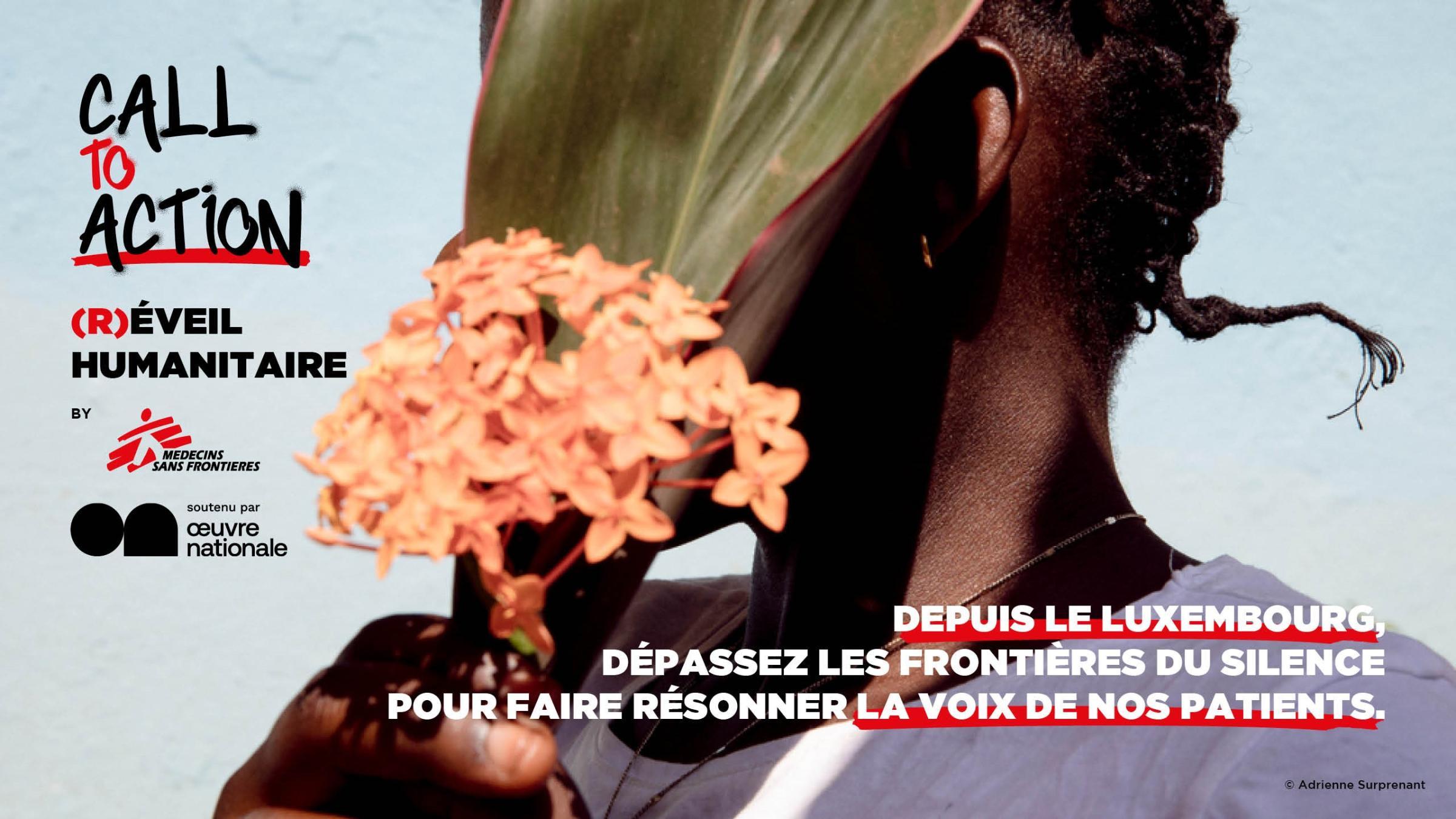
“Call To Action – Humanitarian Awakening,” MSF’s inter-high school challenge focused on raising awareness among young people about a forgotten crisis and mobilizing their civic engagement, is dedicated this year to the theme of “young people living with HIV.” Through supervised group work spread throughout the school year, 119 students from six different schools become active participants in their own learning about this crisis, a disease that remains the second leading cause of death among 10- to 19-year-olds in sub-Saharan Africa. This challenge is carried out with the support of Œuvre Nationale (National Foundation).
“Today in Luxembourg, AIDS seems to be a disease of the past. Young people are less aware of it, don't feel concerned, and have no idea how to get tested. Yet, the figures and the situations of stigmatization, particularly among teenagers, are alarming. It is to inform Luxembourg's youth and empower them to take action that we chose "HIV among young people" as the theme of our inter-high school challenge, Humanitarian Awakening. 119 high school students are working on their awareness campaign to highlight the voices of our patients.”
—Apolline Ledain, Public Engagement Officer for MSF Luxembourg.