
Mali: Security crisis isolates border communities and exacerbates humanitarian needs
In 1 click, help us spread this information :
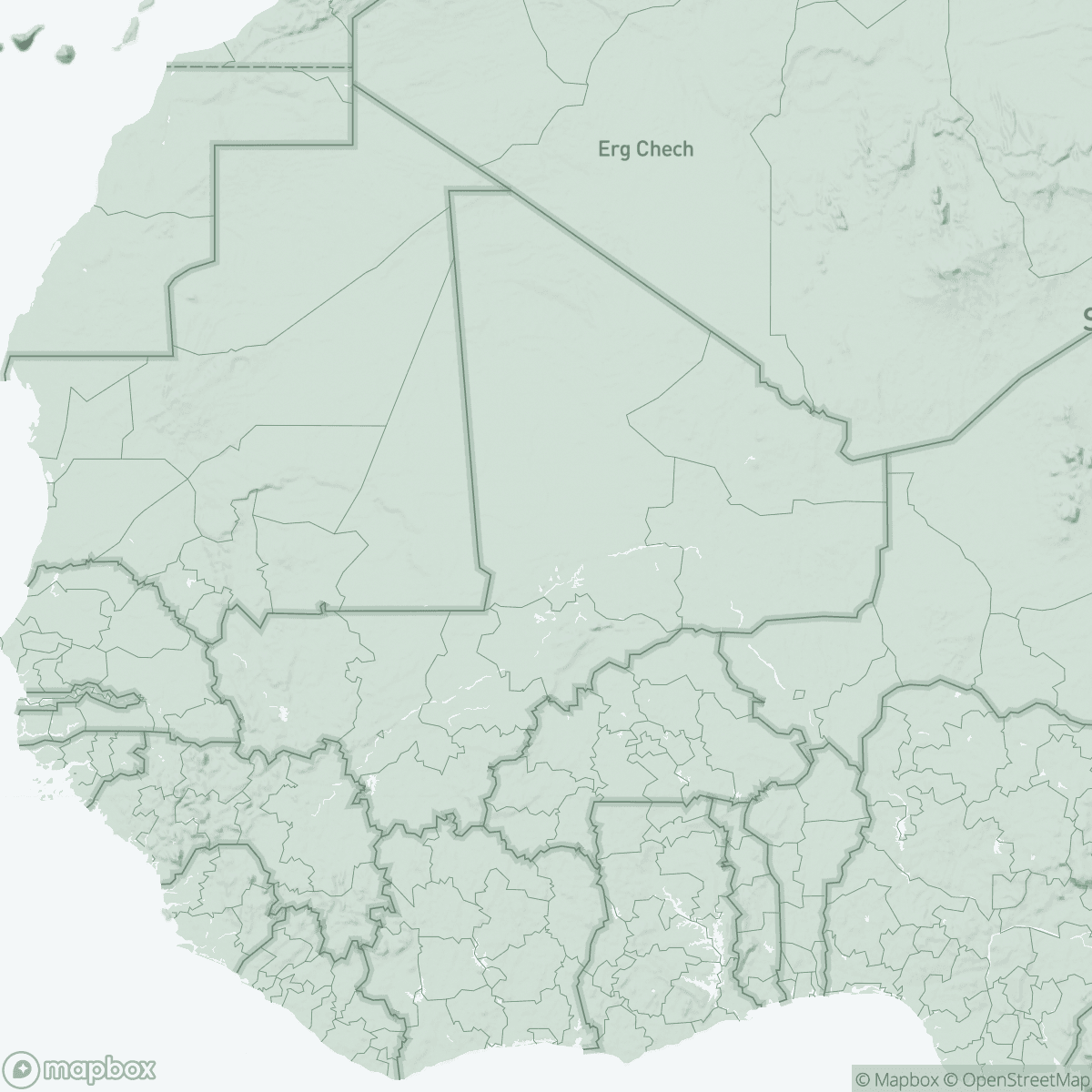
The protracted security crisis along Mali’s border areas is making it difficult for local and displaced populations to access healthcare, water and basic services. On the Burkina Faso and Mauritania border, Médecins Sans Frontières (MSF) is adapting its activities to meet ever-increasing needs. Whilst the growing presence of armed groups and insecurity severely restricts the presence of humanitarian actors, the organisation is strengthening its presence with mobile clinics in areas where health services are sometimes non-existent.
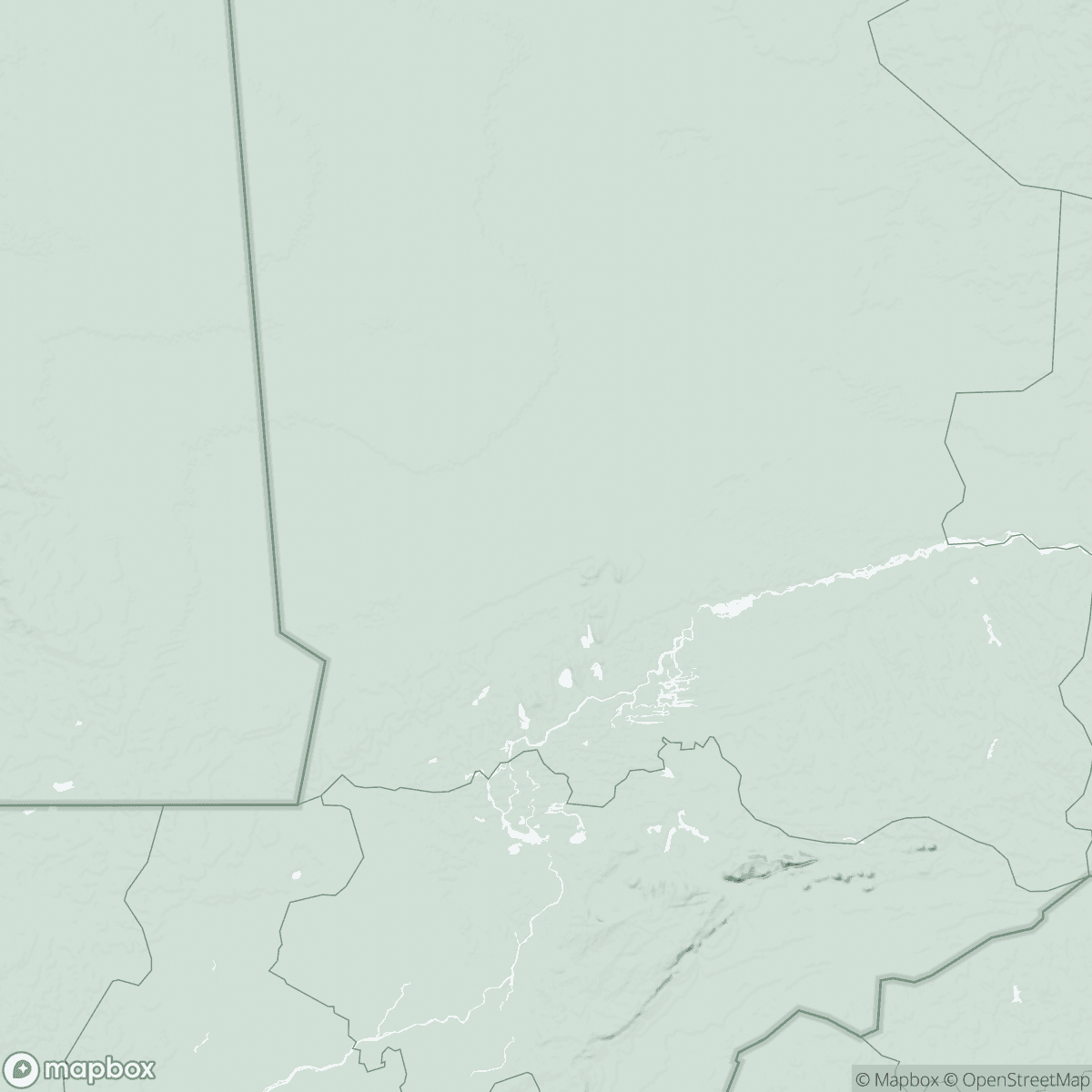
The Nampala district, near the Mauritanian border, has been facing security challenges for more than two years. In this area, operations carried out by the Malian army and its partners, as well as by armed groups, are disrupting humanitarian activities and have led many civilians to move towards the centre of Nampala and others to seek refuge in Mauritania. Following violence against its teams, MSF was forced to suspend its activities from November 2024 to March 2025. MSF is now working at the Nampala community health centre, treating both displaced people and host communities. MSF is also providing care in the outlying villages of Toulé and Touladji to reach the most isolated populations.
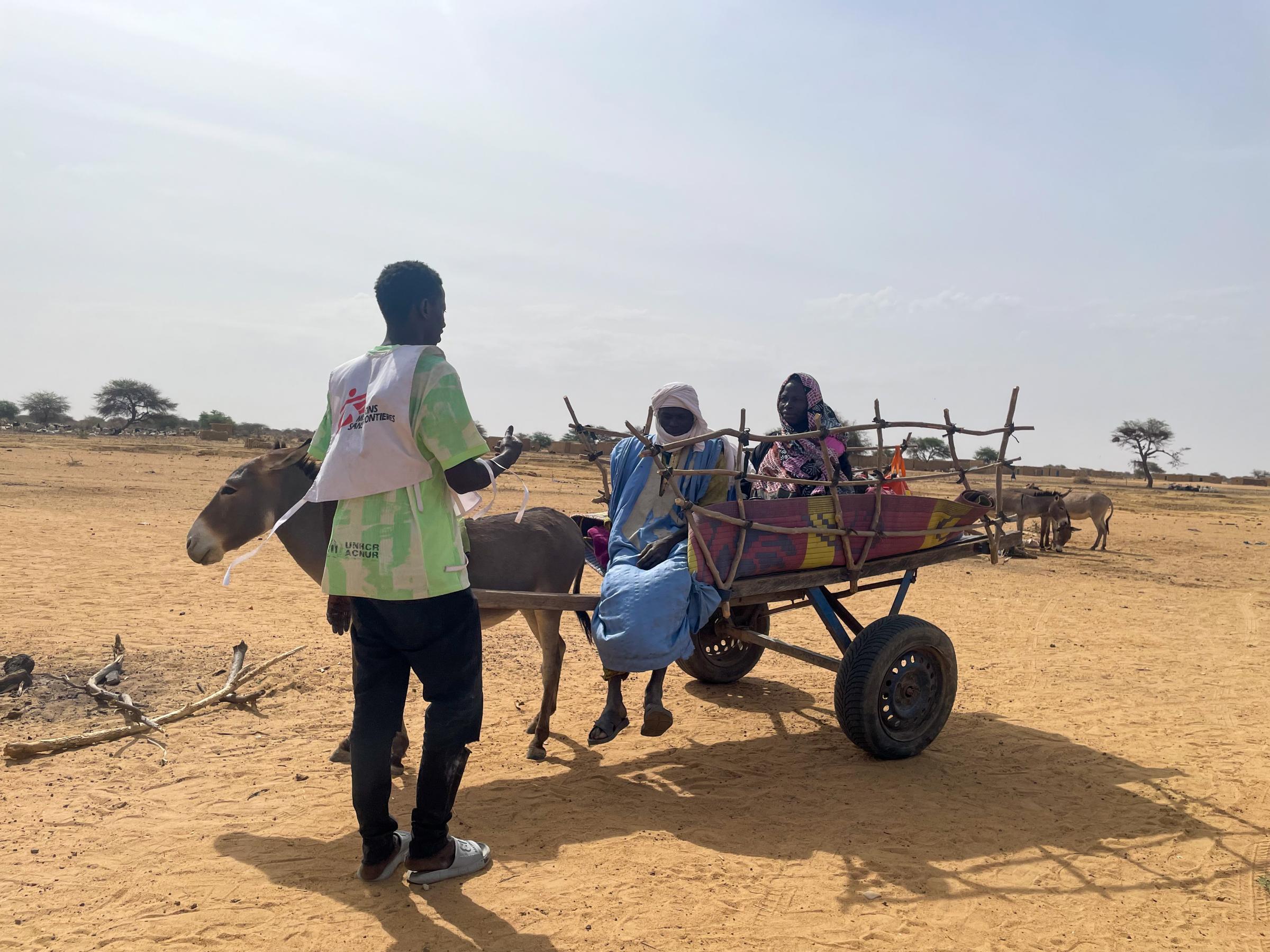
Cheick Tahar Coulibaly, a herder in his forties, travelled 25 kilometers by cart to take his wife and newborn baby to an MSF-supported healthcare centre in the village of Touladji, in the Nampala region.
We set off at 5 am and arrived at the centre at 10 am, completely exhausted, he says. In Boulé, my village, there isn’t even a community health centre. Before MSF arrived, we had to travel all the way to the health centre in Nampala."
On the border with Burkina Faso, the Koro district was already facing a host of challenges. Attacks on several villages in the area have forced people to flee, placing further strain on the host community. The region is also facing regular influxes of refugees fleeing violence in Burkina Faso. In May alone, 7,000 refugees arrived in the town of Koro, adding to the nearly 68,000 refugees already registered by the UNHCR, even though the town already has one of the highest concentrations of refugees in Mali. MSF is providing care for Burkinabe refugees at the central health centre and the hospital, whilst organising mobile clinics on the outskirts. MSF is also working in isolated villages such as Diougani, Diankabou and Baye, where access is complicated by the presence of rival armed groups and explosive devices on the roads, against a backdrop of inter-community tension. MSF is providing primary, maternal and paediatric healthcare, as well as emergency responses in the event of an influx of casualties. On 6 May, following attacks on several villages in Bankass, MSF treated around 20 casualties at Bankass Hospital.
In the four months from January–April, MSF carried out more than 37,400 consultations in the region.
Despite the need, humanitarian resources remain woefully inadequate as several organisations have scaled back or suspended their activities due to a lack of access and funding.
The crisis is spreading southwards
In the south of the country, regions like Koutiala that had been relatively unaffected, are now being impacted by insecurity linked to an increased presence of armed groups. MSF supports a local health centre in Tiéré, a village in the Molobala district, enabling it to provide care to residents who face difficulties accessing medical facilities.
The district ambulance no longer comes to Tiéré because of the insecurity. This makes it difficult to transfer patients to the hospital in Koutiala,” says Ousmane Dao, assistant to the country coordinator in Koutiala.
Djénèba Keïta, who has come to the health centre with her son, describes the economic impact of the crisis.
People no longer come to the village market out of fear, and our goods are no longer being bought. We are suffering here. It is difficult for us to get enough to eat,” she says.
To meet the population’s needs, MSF is now operating in several border villages, including Tiéré, Sanguela, Molobala and Soungoumba, and has expanded its activities to include care for children under 15, pregnant women and victims of violence, particularly sexual violence.
Access to water is becoming a challenge
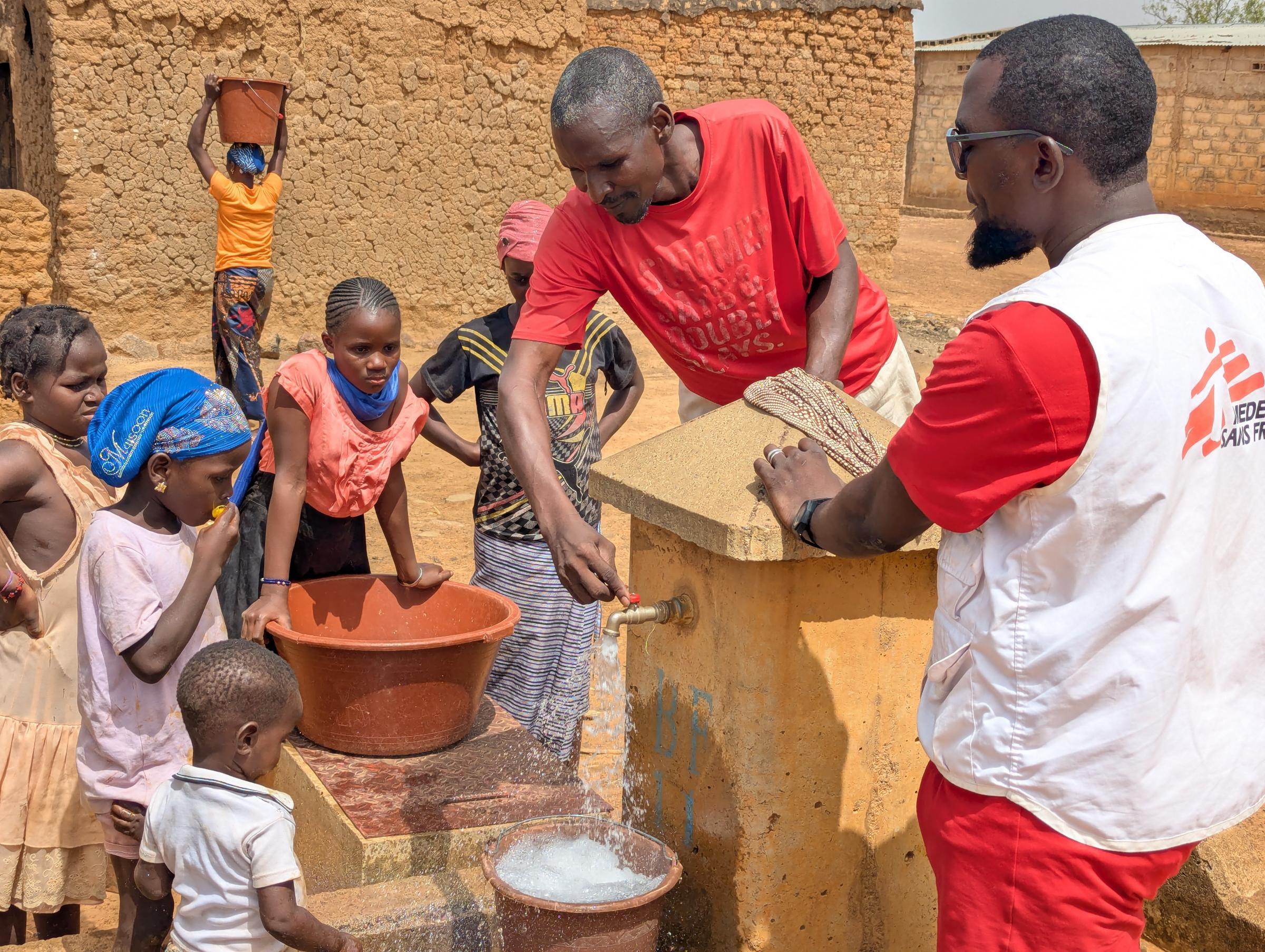
Access to safe drinking water remains a major challenge in these remote areas. Reduced funding for humanitarian organisations working in water, hygiene and sanitation (WASH), combined with the effects of climate change, is limiting access to safe drinking water for communities whose living conditions have deteriorated.
MSF has now incorporated the provision of drinking water to affected populations in its areas of operation.
In 2025, MSF supplied nearly 19 million litres of water to refugees in Koro and rehabilitated five boreholes in the isolated communities of Nampala and Koutiala.
In the past, our wells would run dry, and the water wasn’t of good quality. It made us ill,” says Djénebou Berthé, who lives in Sougoumba, in the Koutiala region, where MSF rehabilitated a borehole in April. “Today, access to drinking water has brought positive changes to our health and our household chores.”
The deterioration in security has also factored into the decline in the humanitarian presence in Mali. According to OCHA (the United Nations Office for the Coordination of Humanitarian Affairs), 753 incidents targeted humanitarian workers in 2025, a 40 per cent increase compared to 2024. The humanitarian crisis in Mali continues to spread, with more than 5 million people reportedly in need of assistance. The recent escalation in violence, marked by attacks by armed groups on several towns across the country on 25 April, is putting the civilian population at even greater risk. Against this backdrop, MSF is calling for safe and sustainable humanitarian access to be guaranteed for the most vulnerable populations.