

Life-saving care for little lives in Northern Afghanistan
In 1 click, help us spread this information :
The first time my son Umar* got measles, he had a very high fever,” says Umar’s mother, Farzana Ismail.
“He couldn’t even open his eyes and kept crying the whole time. His condition was really bad. For five days after the measles appeared, his eyes stayed shut — he just cried constantly. When the measles finally went away, he developed pneumonia, and it got worse."
"We spent about 10,000 to 15,000 Afghani (approx. 150 -225 USD) on his treatment in Maymana city and another 3,000 Afghani (approx. 45 USD) in Mazar-i-Sharif city. But since we have brought him here in the children’s ward of the MSF-supported hospital in Mazar-i-Sharif, all treatments are free.”
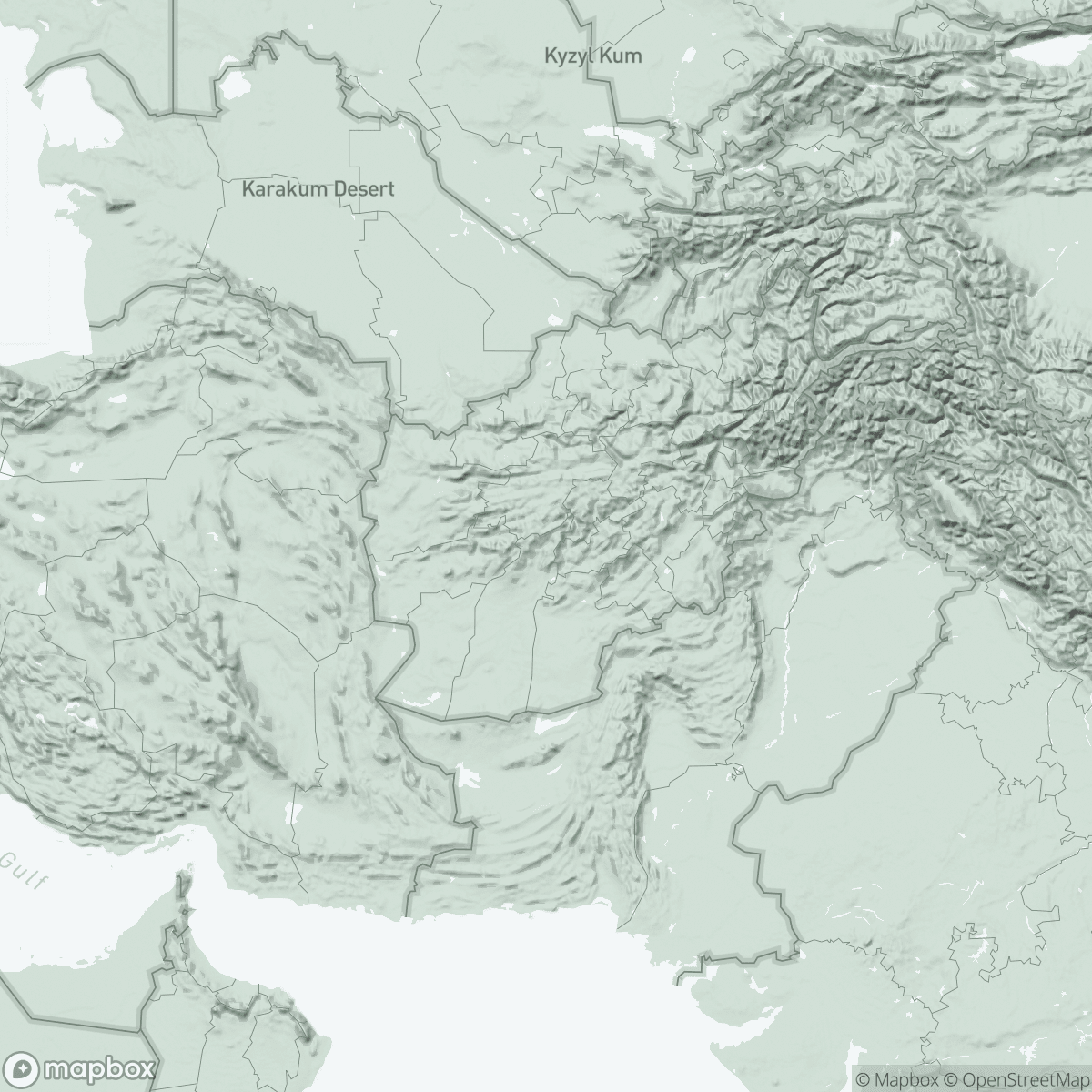
In Mazar-i-Sharif, Balkh province in northern Afghanistan, access to free and quality medical care remains a pressing challenge that affects the well-being of millions. Despite the critical need for robust healthcare systems, many communities and families like Farzana’s face severe barriers in accessing essential services across all levels, from primary care to specialized treatment. This can include reproductive health, immunization programs, mental health and psychosocial support, and critical health referrals. These gaps can have far-reaching consequences on people’s health.
MSF teams are witnessing the urgent need for comprehensive support – ranging from improved healthcare infrastructure to better-trained medical professionals – to reduce preventable deaths and enhance people’s overall health. At the same time, the socio-economic and cultural barriers that restrict families’ access to care must be addressed.
Barriers to Healthcare Access: Infrastructure and Economic Challenges
At first, I took my daughter Asma* to private doctors in Dawlatabad and then Maymana city,” says Ayesha*, Asma’s mother.
"Then I took her to Andkhoy, she didn’t get better and then from there, I brought her to Abu Ali Sina Hospital in Mazar-i-Sharif City. The medicines would help her feel better for a few days, but then she would get sick again. Some doctors said she had a stomach problem. Others said she was anemic. We have spent around 5,000 to 6,000 Afghani (approx. 75 – 90 USD) on her treatment.”
Throughout the region, many healthcare facilities are either under-resourced, understaffed, or geographically inaccessible to communities, particularly those living in remote areas. In Balkh, the limited number of functioning medical centres are overwhelmed with patients, resulting in overcrowded wards, long waiting times and overburdened staff.
The situation is particularly dire for people coming from rural districts surrounding Mazar-i-Sharif, where health services have been suspended or stopped due to funding cuts. At the same time, families have to travel long distances on poorly maintained roads to reach functioning healthcare centers, paying transportation fees they can barely afford. This burden disproportionately affects women in labor, patients with chronic conditions and children with acute illnesses.
These groups often require timely and specialized care, but the lack of an efficient referral system complicates their access to higher levels of treatment. In Balkh, however, referral systems are often dysfunctional. Many healthcare providers lack the resources or knowledge to properly refer patients to secondary and tertiary care centers. The challenges are compounded by transportation difficulties and insecurity in certain regions, further delaying or obstructing the transfer of patients to specialized facilities.
These gaps in the healthcare system increase the risk of preventable illness and death. High infant and child mortality rates, driven by preventable diseases like pneumonia, diarrhea and malnutrition, underscore the need for better healthcare access.
MSF’s lifesaving medical care at Abu Ali Sina Hospital in Mazar-i-Sharif
In August 2023, MSF began supporting Abu Ali Sina hospital in Mazar-i-Sharif-city in collaboration with the Ministry of Health (MoH), MSF teams are working to strengthen the hospital’s capacity to deliver specialized care for children. This includes supporting the paediatric intensive care unit (PICU), the neonatal intensive care unit (NICU), the measles isolation room and the emergency room, which provides lifesaving treatment for children up to 14 years old. These efforts aim to strengthen the quality of critical and emergency care for young patients and ultimately reduce child and newborn mortality in the region.
MSF provides continuous support to the PICU, NICU and neonate wards while ensuring emergency-preparedness measures. Following the earthquake on 3rd November 2025, which affected the city of Mazar-i-Sharif , in collaboration with MoH, MSF activated its emergency response plan and made donations of medical supplies for the communities and critical medical supplies to Abu Ali Sina Regional Hospital, ensuring timely and effective treatment for injured patients.
Over the period of two years since the initiation of the project, MSF teams have observed a significant influx of patients at the facility, with an average of around 3,000 children triaged each week. Upon arrival, patients are classified according to the severity of their condition using a color-coded triage system: red for critical cases, yellow for moderate, and green for mild. Children and newborns – indicating those in serious condition receives immediate life-saving interventions and moderate cases get prompt evaluation and urgent treatment. Patients classified as yellow or green are referred to the Department of Health for follow-up care.
The NICU has a capacity of 154 beds, while the PICU has 38 beds. In addition, the measles isolation room has a capacity of 28 beds. Due to the overwhelming number of admissions, it is common to see more than one child sharing a single bed, as space constraints leave no other option to ensure all patients receive timely care.
We see how quickly children’s conditions can deteriorate when they arrive late or when families can’t afford treatment elsewhere. Many of our young patients come to us in critical condition — with measles, pneumonia or severe malnutrition. In October alone, our team admitted a total of 1211patients to the PICU and NICU, and 95 patients to the measles isolation unit. They have been treating wide range of medical conditions, including measles, neonatal sepsis, tuberculosis and other severe infectious and respiratory diseases.
Since 2023, MSF teams have been providing care for:
patients triaged

paediatric patients aged 14 and below

neonates in the intensive care units

patients in the measles isolation room
cases in the emergency room
When children are admitted for treatment, their family members – most often their mothers – stay with them in the hospital to provide care and emotional support. MSF teams actively engage with caregivers through regular health education activities, including both individual and group sessions. This helps families better understand their child’s condition, treatment process, and key practices for maintaining hygiene and preventing infections.
MSF also provides psychosocial and mental health support to families, recognizing the emotional strain and anxiety that often accompany a child’s hospitalization. Dedicated counsellors and mental health staff offer sessions to help families cope with stress and build resilience during their stay.
The team is also responsible for implementing infection prevention and control (IPC) measures across the hospital to ensure a safe and hygienic environment for patients and staff. As part of these efforts, MSF constructed a fully equipped laundry facility at Abu Ali Sina hospital to strengthen IPC practices and reduce the risk of hospital-acquired infections.
In recent months, the combined effects of reduced funding and a growing influx of patients have put a strain on remaining health services. Although MSF is not directly impacted by the funding cuts, thanks to our independent funding model. MSF teams remain committed to delivering lifesaving care and advocating for sustained funding and support to ensure that patients receive the treatment they need.
Continued investment by humanitarian organization and international institutions is essential to maintain service quality, protect healthcare workers from burnout and safeguard the health of children.
*Names have been changed to protect privacy.