Mental health
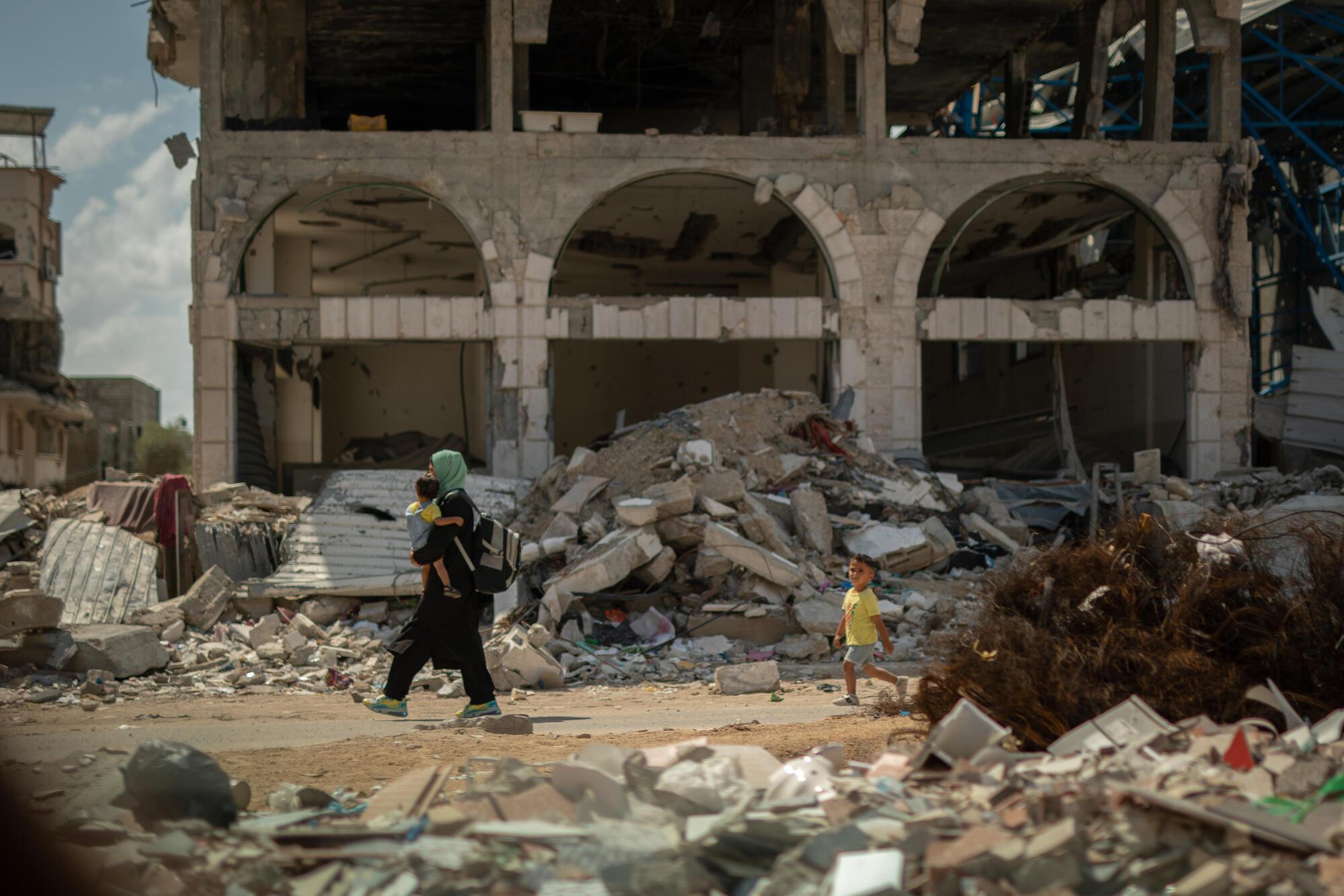
For people who have lived through violence or natural disasters, survival goes beyond ensuring physical wellbeing. Even after their physical injuries have been treated, hidden psychological wounds can remain. To help heal the patient’s psychological wounds, MSF professionals are there to listen, support and provide mental healthcare, so the traumatic experiences do not come to define their lives.
According to the World Health Organization, around the world one in four people will suffer some kind of mental health disorder, yet about 60 per cent of sufferers do not seek help. This percentage is likely to increase dramatically when factors such as persecution, the need to flee armed conflict and natural disasters, and a lack of access vital healthcare are added. This is why we place a great deal of importance on providing mental healthcare during humanitarian emergencies.
In 1998, MSF formally recognised the importance of providing mental healthcare as part of our emergency work. More than 25 years later and, in 2025, our staff provided over 548,400 individual mental health consultations. The psychosocial support we provide through these consultations and groups focuses on helping people to develop coping strategies after they have lived through traumatic experiences. The immediate goal is to reduce their symptoms and help them be able to lead a normal life.
Our activities in 2025 —

individual mental health consultations
Support in an emergency
A natural disaster such as an earthquake or man-made disasters related to conflict and displacement, are all traumatic events. Providing psychological aid can help by recognising those in distress, by listening to them, comforting them, linking them to needed services, and encouraging them to connect with their families and communities. Educating people about psychological reactions to a traumatic event and teaching self-help techniques such as deep breathing are helpful interventions immediately post-emergency.
Psychological support
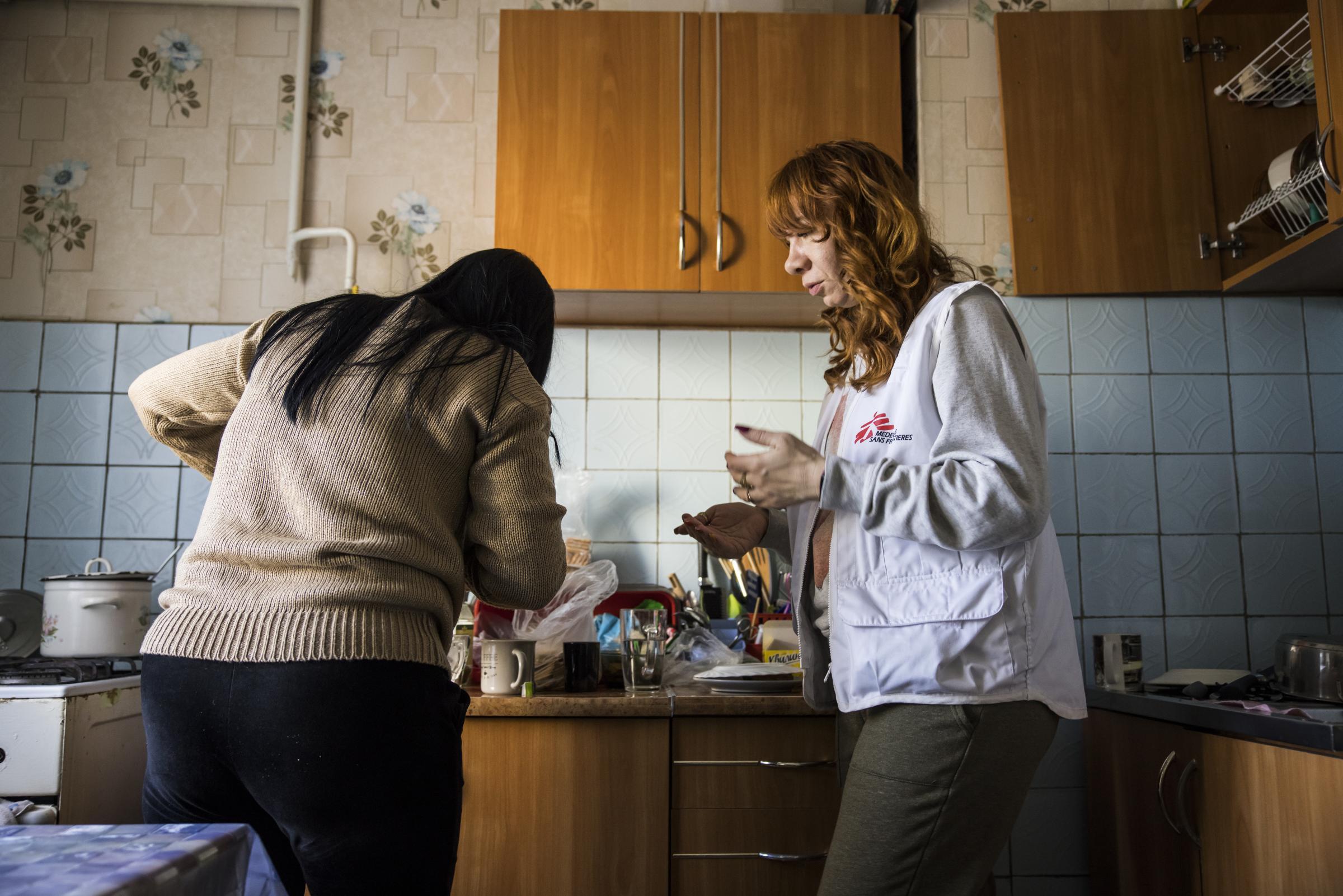
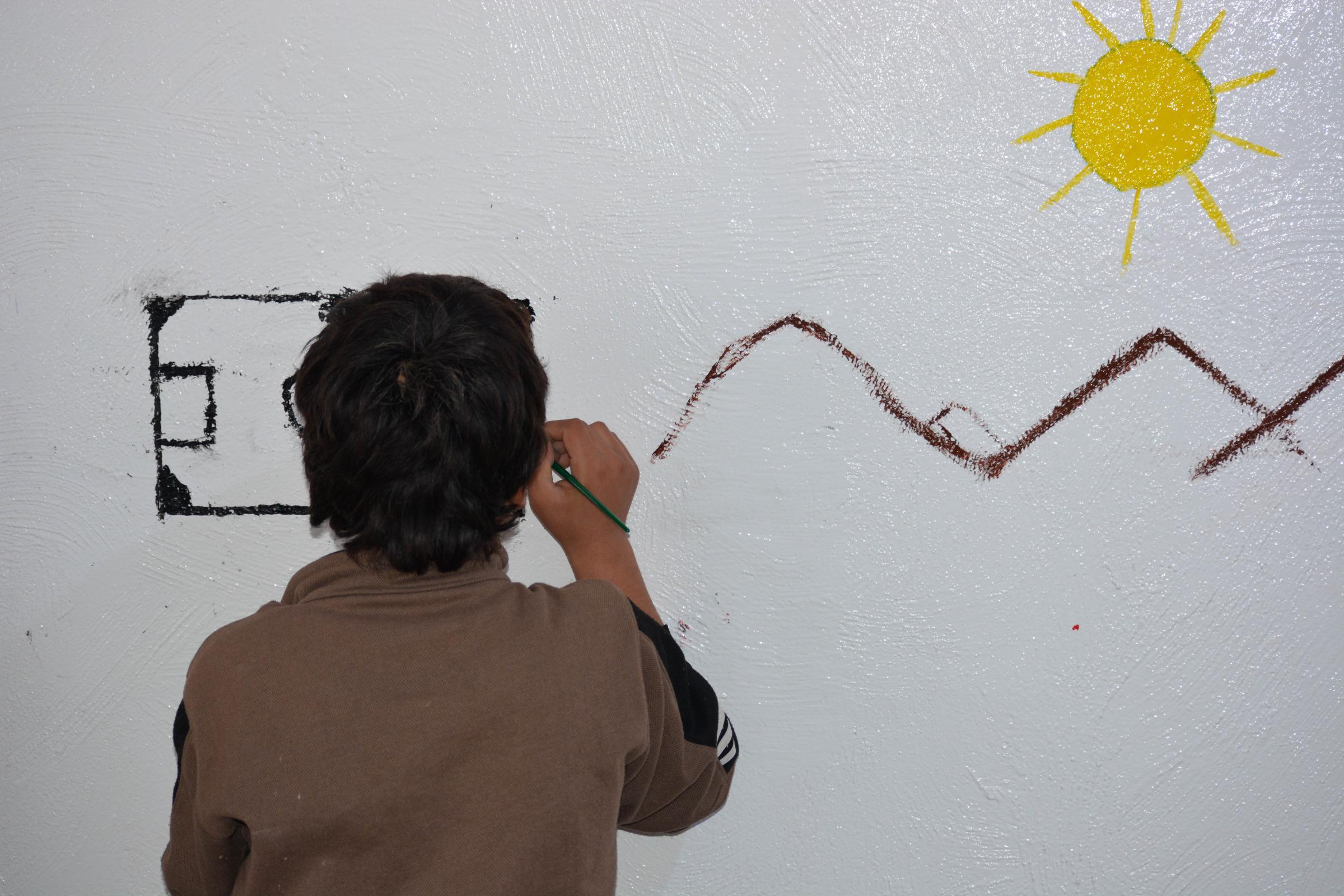
When people develop mental health disorders - anxiety, depression, post-traumatic reactions - that go beyond their coping skills, specialised care is needed, through group or individual consultations. Our teams work in countries where the health system is often failing, particularly in the area of mental health. Support can be done by people trained in counselling techniques, or when available by psychologists and even psychiatrists.
Living with a disease
People with life threatening diseases, such as HIV or tuberculosis, are shocked and upset by the discovery of their disease and by the physical and psychological upheavals they face. Other chronic conditions can present symptoms related to depression or other psychological distress. Some specific treatments, such as for TB, can have side effects that include depression and psychosis. Our teams provide counselling to people on diagnosis of a serious disease, and monitor patients' mental health while on treatment, especially those taking medicines with potential psychological side effects.
Mental illness
People with severe mental illnesses require special attention and treatment. In contexts where health services are failing, they are neglected and often stigmatised. Psychiatric treatment in MSF is usually integrated into general medical care. In some projects specialised clinicians treat patients with severe mental illness; in others where there is a lack of specialised professionals, general practitioners are trained to diagnose and treat psychiatric disorders. Supporting and expanding the capacity of our teams to care for patients with severe mental illness is a priority.