Luxembourg War in Middle East
 Ukraine Emergency Response
 War in Sudan
War in Middle EastUkraine Emergency ResponseWar in Sudan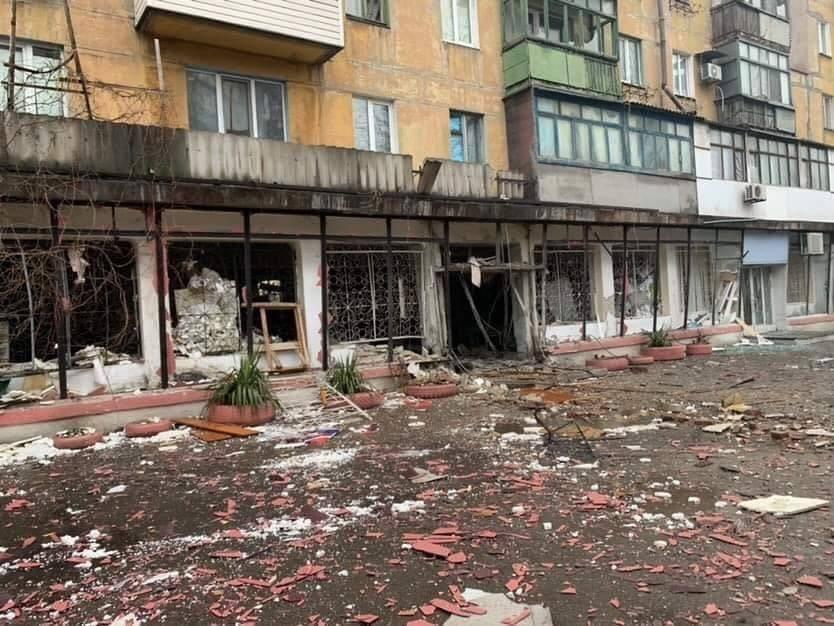
Ukraine Emergency Response3/5/2022
3/5/2022“We are calling for respect for human life” in Ukraine
In the besieged city of Mariupol, southeastern Ukraine, thousands of people, including staff from Médecins Sans Frontières (MSF) and families, remain cut off from the world. Laurent Ligozat, MSF’s emergency coordinator in Ukraine, shares his concerns about the safety of civilians in the city.
Emergency Ukraine
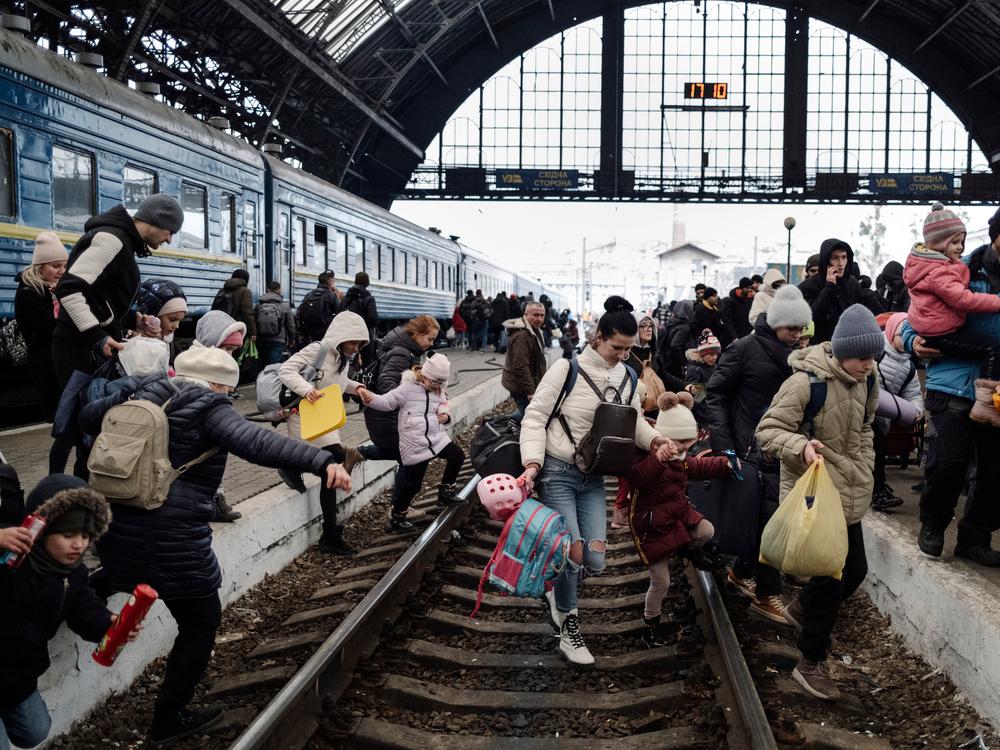
With more than a million people forced to flee Ukraine, Médecins Sans Frontières (MSF), with 60 staff already on the ground, is working to set up emergency response activities to support people in the areas most affected by the fighting in Ukraine and neighbouring countries.
How MSF is trying to access the areas most affected by fighting
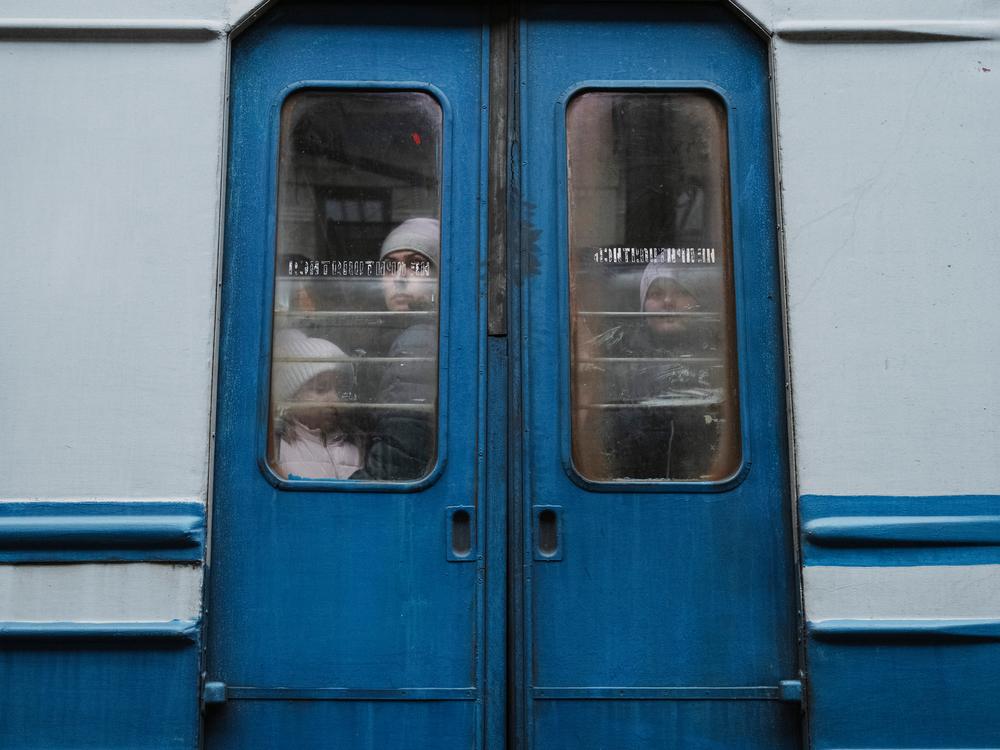
While the number of deaths and injuries rises in Ukraine and hundreds of thousands of people seek refuge in neighbouring countries, Médecins Sans Frontières (MSF) teams at border crossings are working to get staff and equipment into the areas most affected by the Russian military offensive. Bérengère Guais, deputy head of emergency programmes in Paris, explains in this itnerview the challenges and difficulties of the association's deployment in Ukraine.
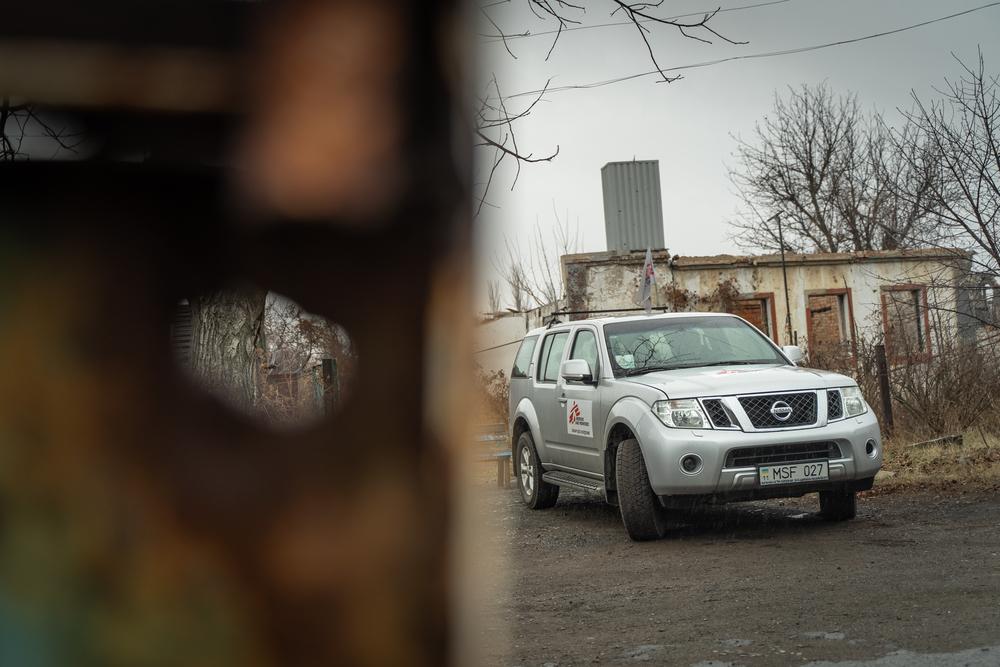
MSF mobilises response in Ukraine and nearby countries
As hundreds of thousands of people are forced to escape, Médecins Sans Frontières (MSF) is working on setting up emergency response activities in Ukraine and deploying teams in Poland, Moldova, Hungary, Romania and Slovakia. Teams are also ready to respond in Russia and Belarus.
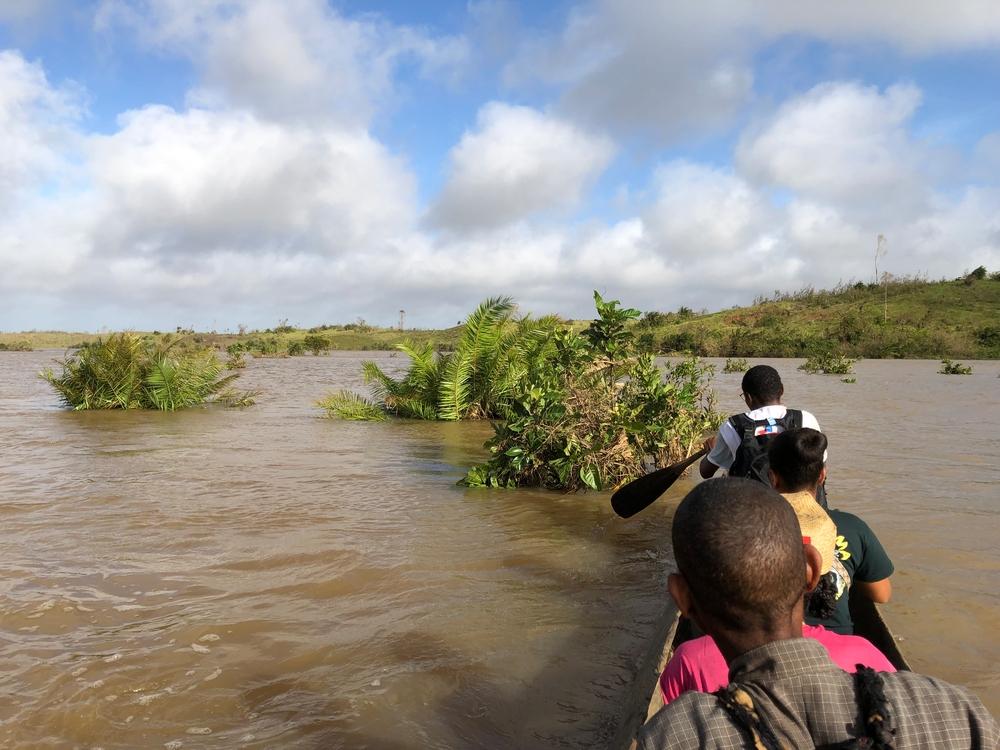
People in Mananjary cut off from healthcare after two cyclones
Between February 5 and 22, cyclones Batsirai et Emnati hit the east coast of Madagascar, destroying numerous healthcare centres. More than 150,000 people have been affected by these cyclones. Médecins Sans Frontières (MSF) emergency teams are struggling to reach isolated rural areas where people have very limited access to healthcare and other essential services.
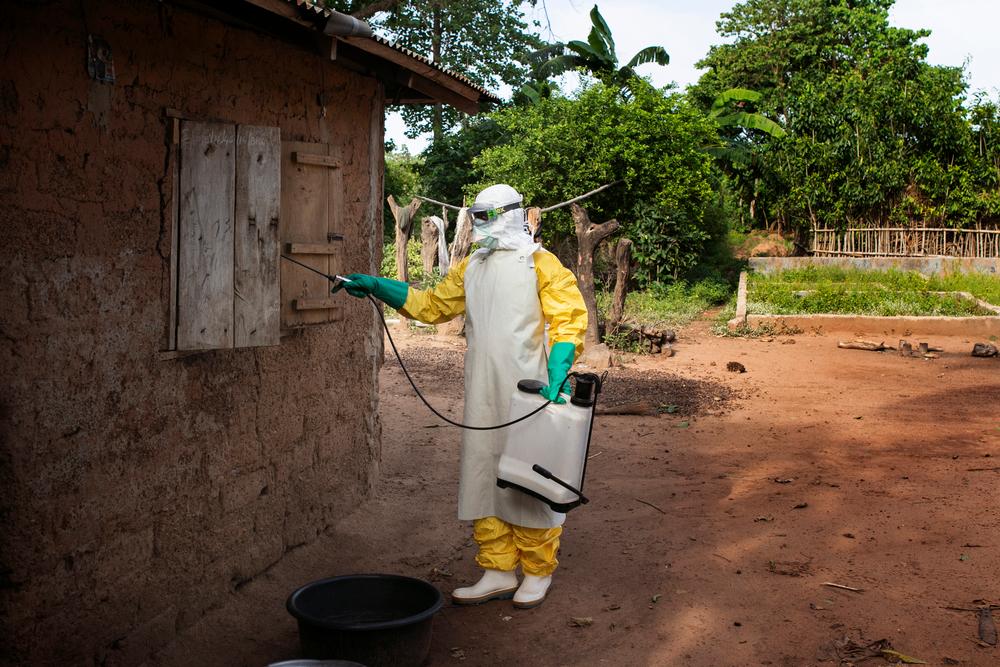
Lassa fever: not only a neglected disease, but neglected patients too
Lassa fever is a viral hemorrhagic fever caused by a rodent-borne disease that is endemic to West Africa. MSF’s project in Abakaliki, Ebonyi State, began in March 2018 to respond to Lassa Fever, with a specific focus on reducing transmission to health care workers and improving case management in order to reduce mortality amongst patients with the long term view of influencing protocols for Nigeria, as well as further afield in West Africa’s Lassa Zone. Temmy Sunyoto, member of the Luxembourg MSF
research unit (LuxOR), reports on a mission she carried out in October 2021 in Abakaliki.
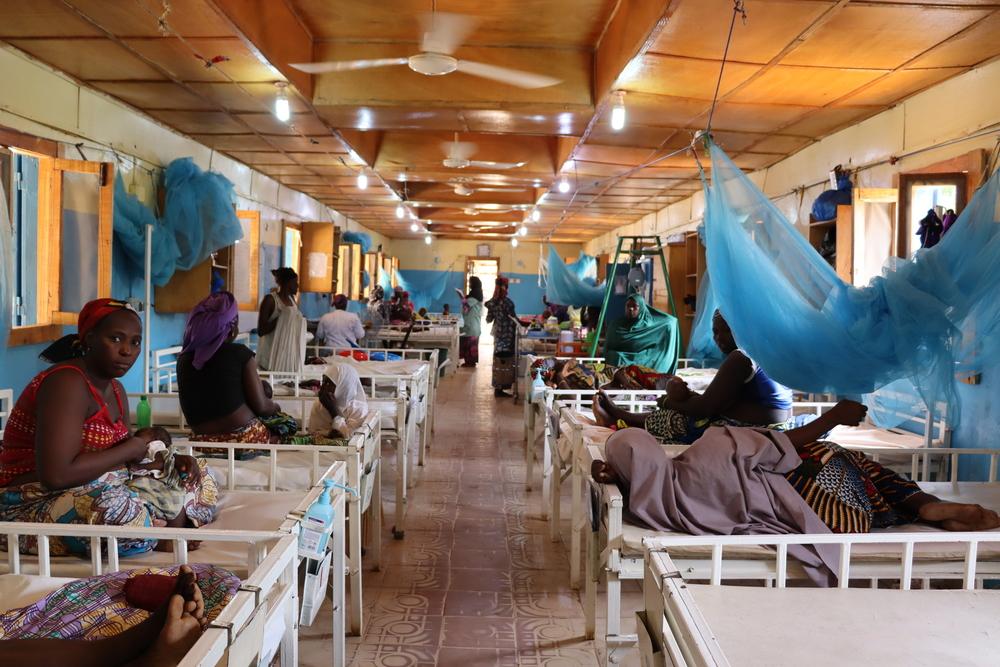
MSF helps treating injured children after the bombing of a village on the southern border
On 18th February, an airstrike hit a small village in the Madarounfa district of southern Niger, killing at least 12 people, including four children, and injuring 16 others, according to local sources. Médecins Sans Frontières (MSF) teams operating in the Madarounfa district hospital supported Ministry of Health teams, in particular by providing medical supplies, to treat seven injured children.
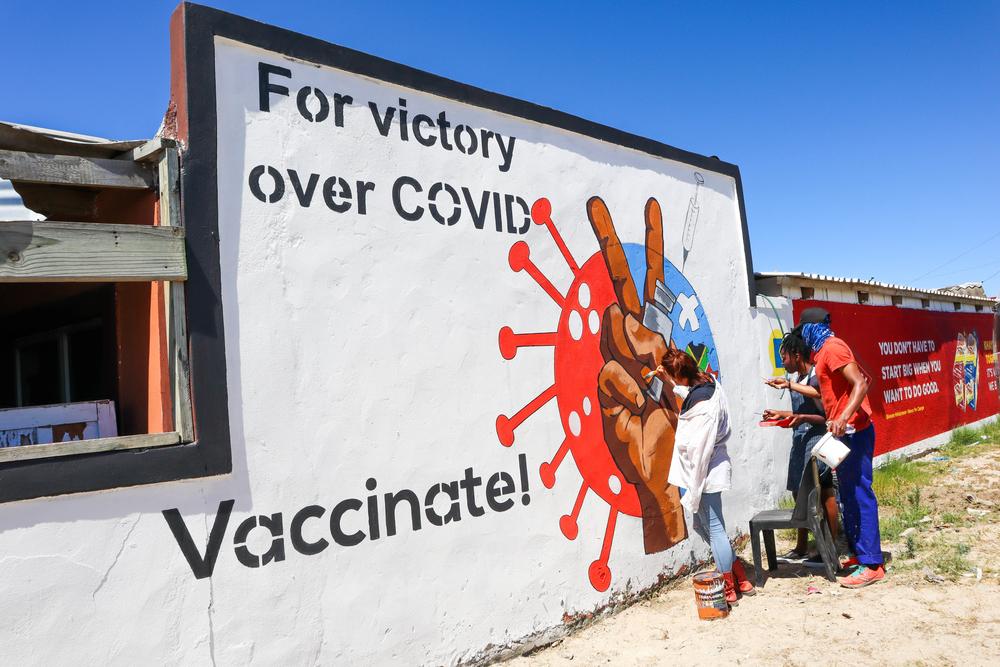
A step forward towards increased COVID-19 vaccine manufacturing capacity in low- and middle-income countries
MSF responds to the WHO's announcement that six countries - Egypt, Kenya, Nigeria, Senegal, South Africa and Tunisia - will receive technology from the COVID-19 mRNA technology transfer centre. It is encouraging to see that this centre is getting closer to developing and validating the world's first open access mRNA vaccine production platform.
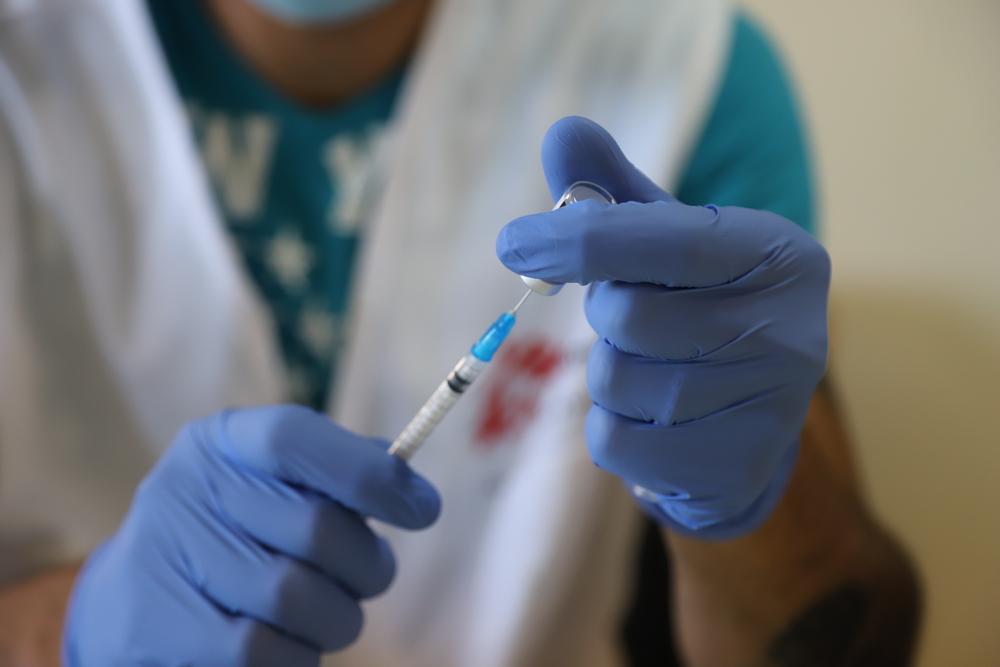
Press releases2/22/2022
Landmark agreement ensuring universal access to all COVID-19 medical tools and vaccines must be agreed now
With the World Trade Organisation (WTO) Agreement on Trade-Related Aspects of Intellectual Property Rights (TRIPS) formally resuming this week, Médecins Sans Frontières (MSF) calls on the European Union (EU), the UK and Switzerland to swiftly adopt the landmark Waiver, which would lift intellectual-property (IP) monopolies on COVID-19 medical tools, and is currently supported by more than 100 low- and middle-income countries.