

A Long Road to Care - Supporting Patients at Maiani General Hospital in Tigray
In 1 click, help us spread this information :
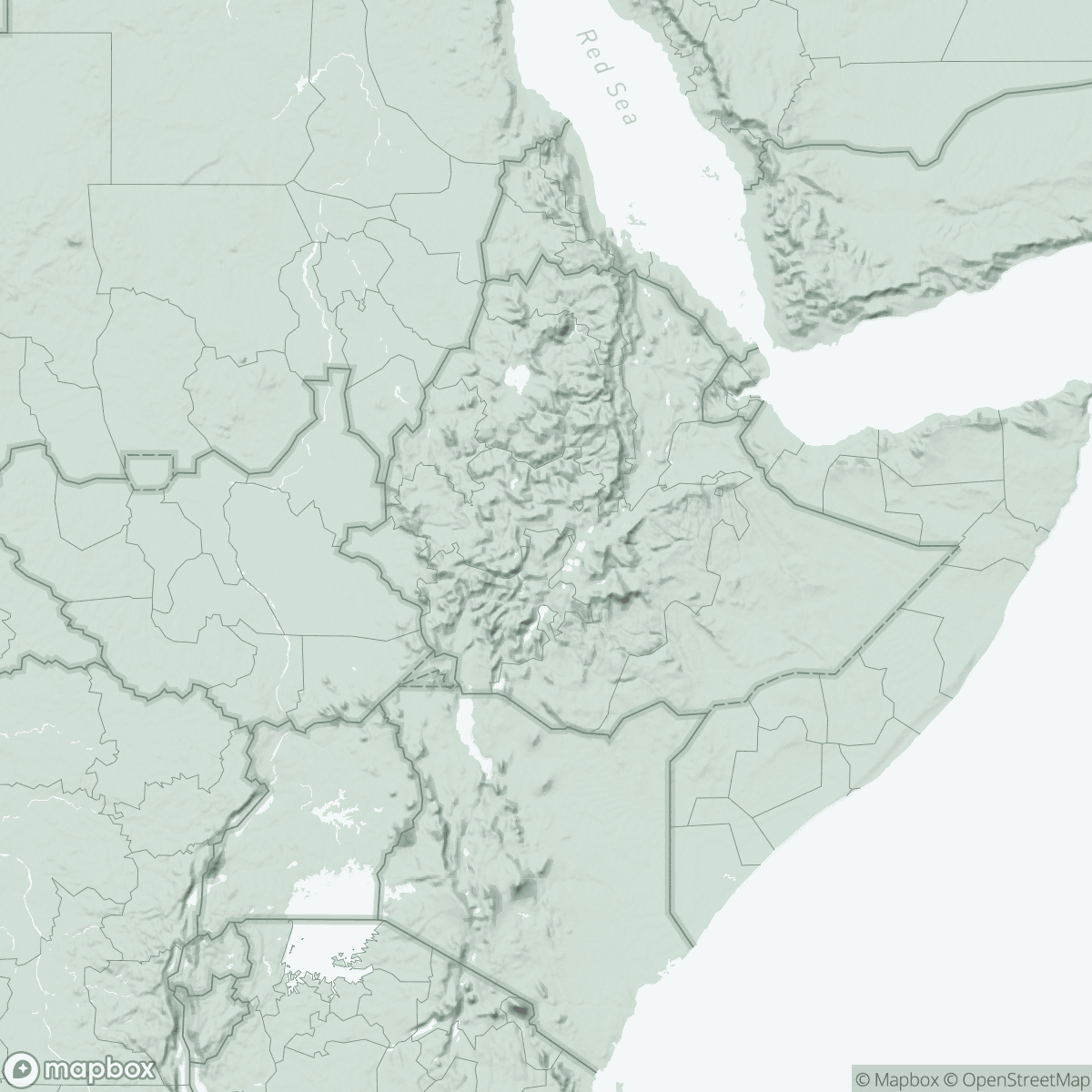
Four years after the Tigray conflict ended under the November 2022 Pretoria agreement, communities continue to face displacement, damaged services and limited access to healthcare. Maiani General Hospital, run by the Ministry of Health and supported by Médecins Sans Frontières (MSF), was severely affected during the conflict and now serves around 250,000 people in Sheraro and surrounding communities.
MSF began supporting the hospital in December 2024 with mental health and Sexual and Gender-based Violence services, later expanding to support maternity services and the Neonatal Intensive Care Unit. Around 200 deliveries are managed each month, and MSF-supported care is free of charge. Around 250,000 people rely on Maiani General Hospital, making reliable hospital services critical for communities in Sheraro and surrounding areas.
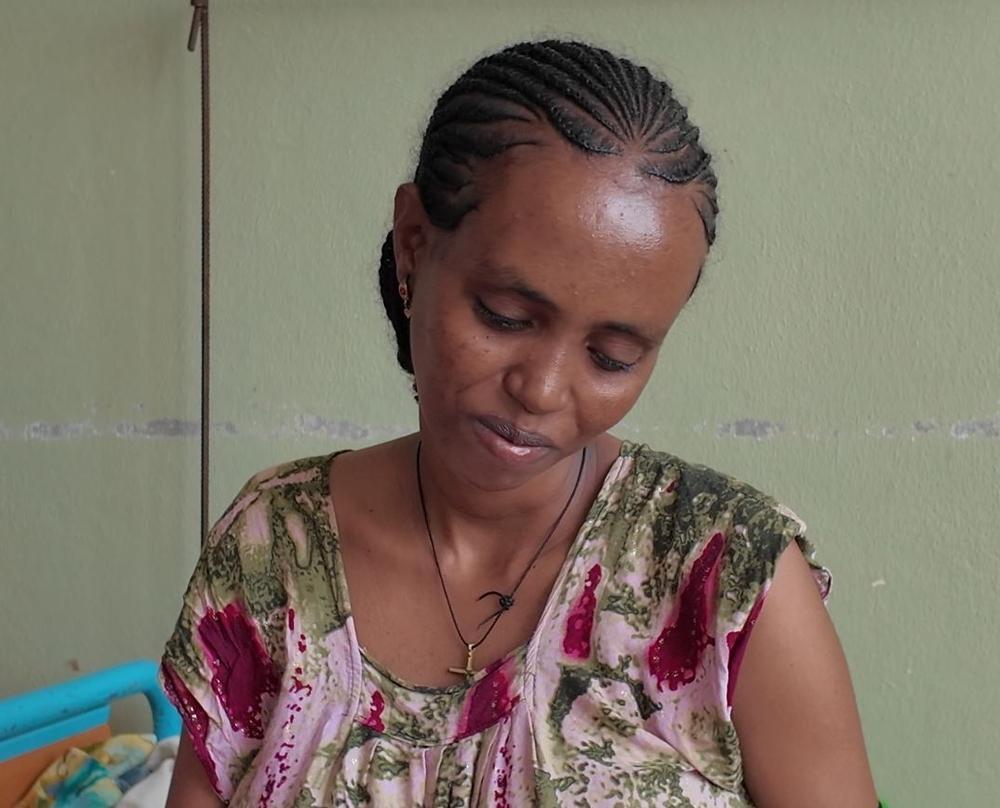
Zayed Gebremariam, rests with her newborn twins in the maternity ward at the MSF-supported Maiani General Hospital in Sheraro, Tigray, Ethiopia. Small and underweight, the babies are receiving care and recovering alongside their mother.
Just a few days earlier, Zayed, heavily pregnant, had undertaken a difficult journey.
I walked for four hours from my village to the health centre in Zelezeley,” she says. “They couldn’t provide the care I needed there, so I was referred to Maiani General Hospital. I came from Zelezeley to Maiani by motorbike.”
The MSF-supported Maiani General Hospital is around 38 kilometres from the health centre. Zayed’s journey reflects a wider challenge across this part of Tigray. Tens of thousands of people remain displaced across the region, many with limited access to food, clean water, sanitation, shelter, and healthcare.
Maiani General Hospital is a critical referral point for Sheraro and surrounding communities. There are five health centres in its wider catchment area, but they operate with limited capacity and are unable to respond to the full range of medical needs.
For pregnant women, these gaps can mean travelling long distances —often on foot across difficult terrain—while already in labour or experiencing complications, because transport is unavailable or simply unaffordable.
The scale of the need is significant. The maternity team at Maiani General Hospital supported 2,215 deliveries in 2025 and has assisted 1,106 by August 2026. Between January – July 2026, 1,398 patients have been admitted across MSF-supported wards.
Around 15 to 20 per cent of patients arrive in circumstances similar to Zayed’s, after long journeys or referrals because the care they need is unavailable closer to home,” says Kibrom Solomon, MSF midwife supervisor at Maiani General Hospital.
“Most of our patients come from villages, and many travel on foot. Some arrive in the final stages of labour, particularly when there are complications.”
At Maiani, MSF-supported care, including maternity and neonatal services, is provided free of charge—particularly important for families already facing severe financial constraints and sometimes having to choose between basic necessities such as food, medicine and the cost of reaching the hospital.
More than maternity and neonatal care
For patients, safe healthcare depends on much more than treatment at the bedside.
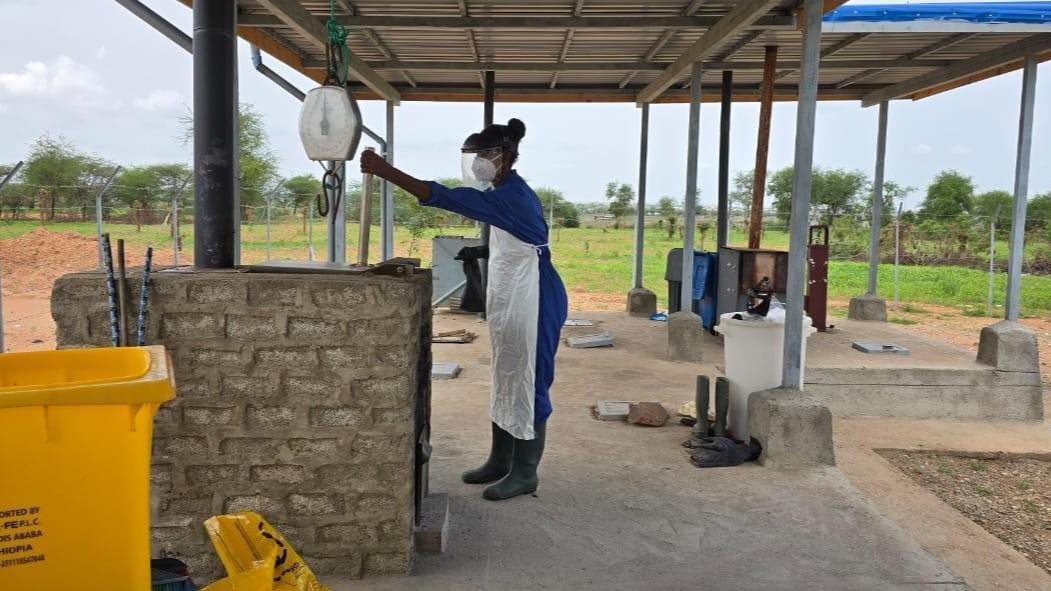
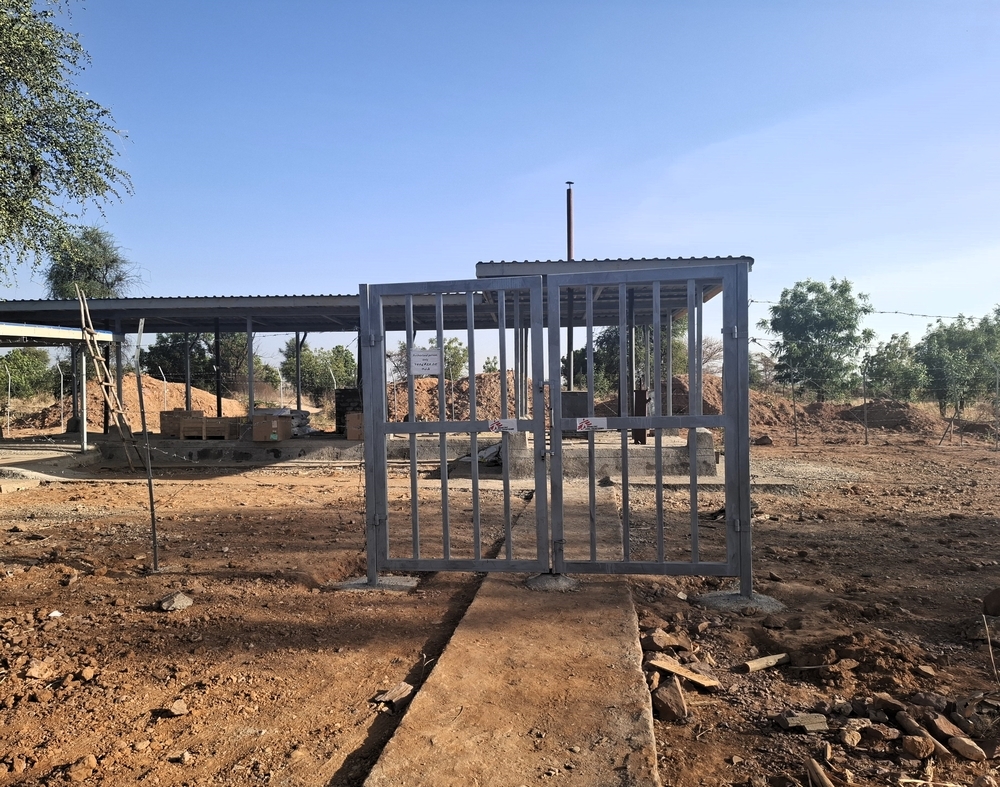
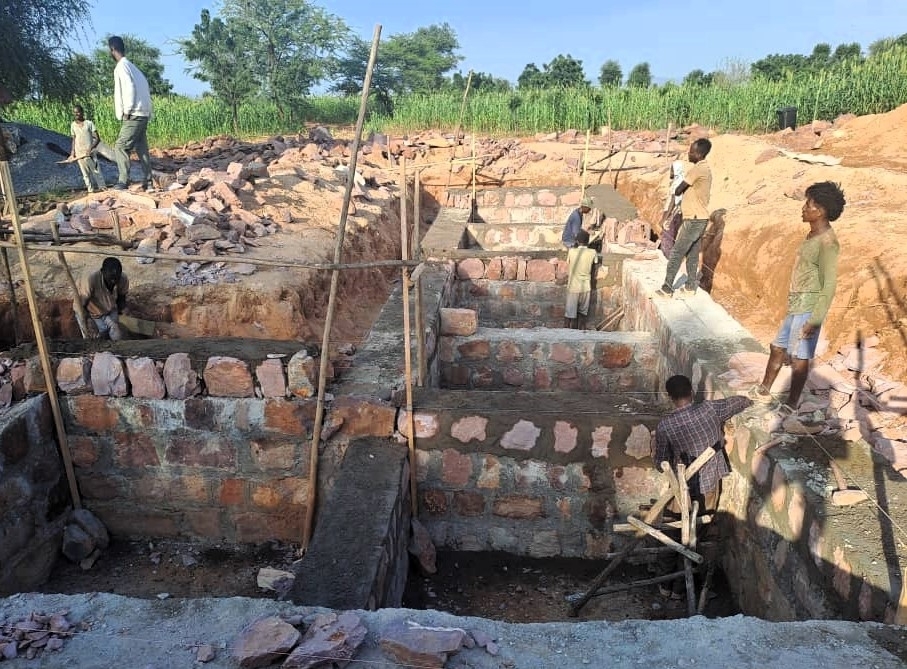
Outside the wards, Mebrehit Tesfachael, an MSF-incentivized hospital worker, collects hospital waste, separates it by type and moves it to a newly constructed medical-waste management area.
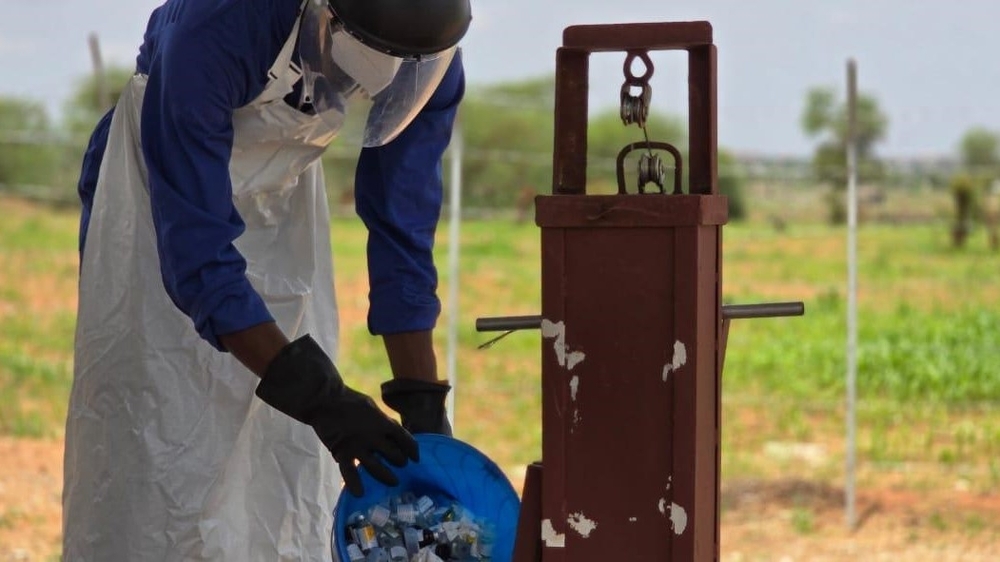
Before the facility was built, medical waste was discarded in the open. Children could enter the area, and wind could carry contaminated material towards surrounding communities, creating additional health risks for patients and families living nearby.
The new system takes waste from collection and segregation through transport to safe disposal. It is part of wider MSF sanitation support to the hospital that includes clean water, sanitation, hygiene kits, handwashing materials, laundry services and infection prevention and control.
For patients—particularly newborns, women recovering after delivery and others vulnerable to infection—these less visible services are also part of receiving healthcare safely.
Care beyond the physical
Elsewhere in the hospital, the needs are different but equally important.
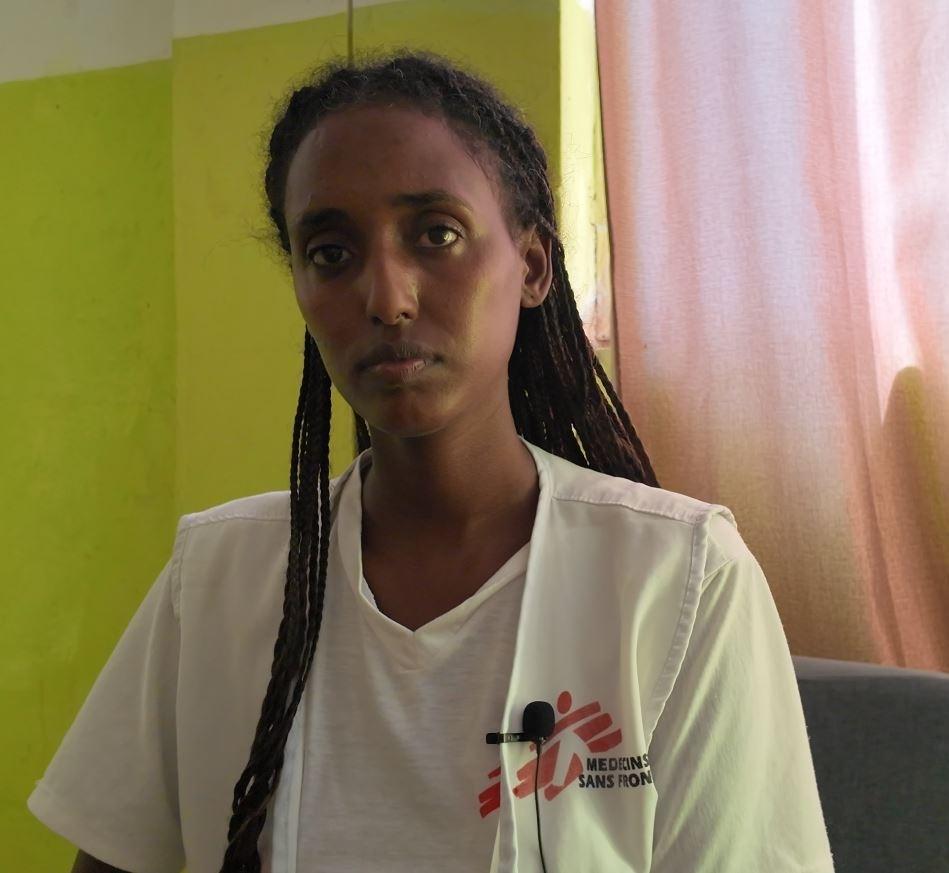
In the mental health ward, parts of which are still undergoing renovation, MSF counsellor and mental health educator Samrawit Atakilti, sits with a woman seeking mental health support.
Some patients come with depression, post-traumatic stress or anxiety,” Samrawit says. “We provide individual counselling, and when someone needs additional support, we refer them for further care.”
For Samrawit, who comes from the community she now serves, that work is deeply personal.
“I wanted to help my community,” she says. “I am part of this community, so I understand what people are going through. For me, this is more than a job. What gives me the greatest satisfaction is seeing my patients improve.”
But being part of the same community also means carrying some of the same experiences as the people she supports.
“When I feel affected, I seek help for my own mental wellbeing,” she says. “Because when I don’t feel well, I can’t help other people.”
Keeping care within reach
Across Maiani General Hospital, patients arrive with very different needs—for services such as emergency maternity and neonatal care to mental health and psychosocial support, sexual and reproductive healthcare, treatment for snakebite or kala azar. Teams also support through laboratory services, health promotion and community engagement.
Providing that care also depends on keeping the hospital safe and functional. Clean water, sanitation, hygiene materials, infection prevention and control, laundry services, and safe waste management all form part of the MSF support patients rely on.
These services may respond to very different needs, but they serve the same purpose: keeping essential healthcare available for communities where care closer to home is often limited or unavailable—and for patients like Zayed, that combination is what makes the difference between a difficult journey ending safely — and one that doesn't.