Sexual Violence
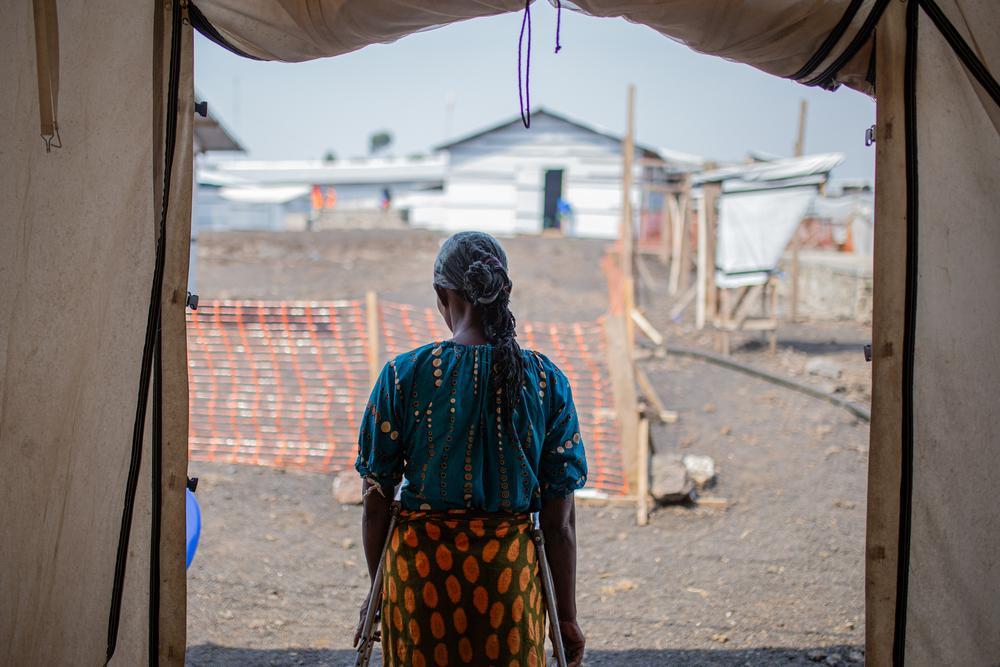
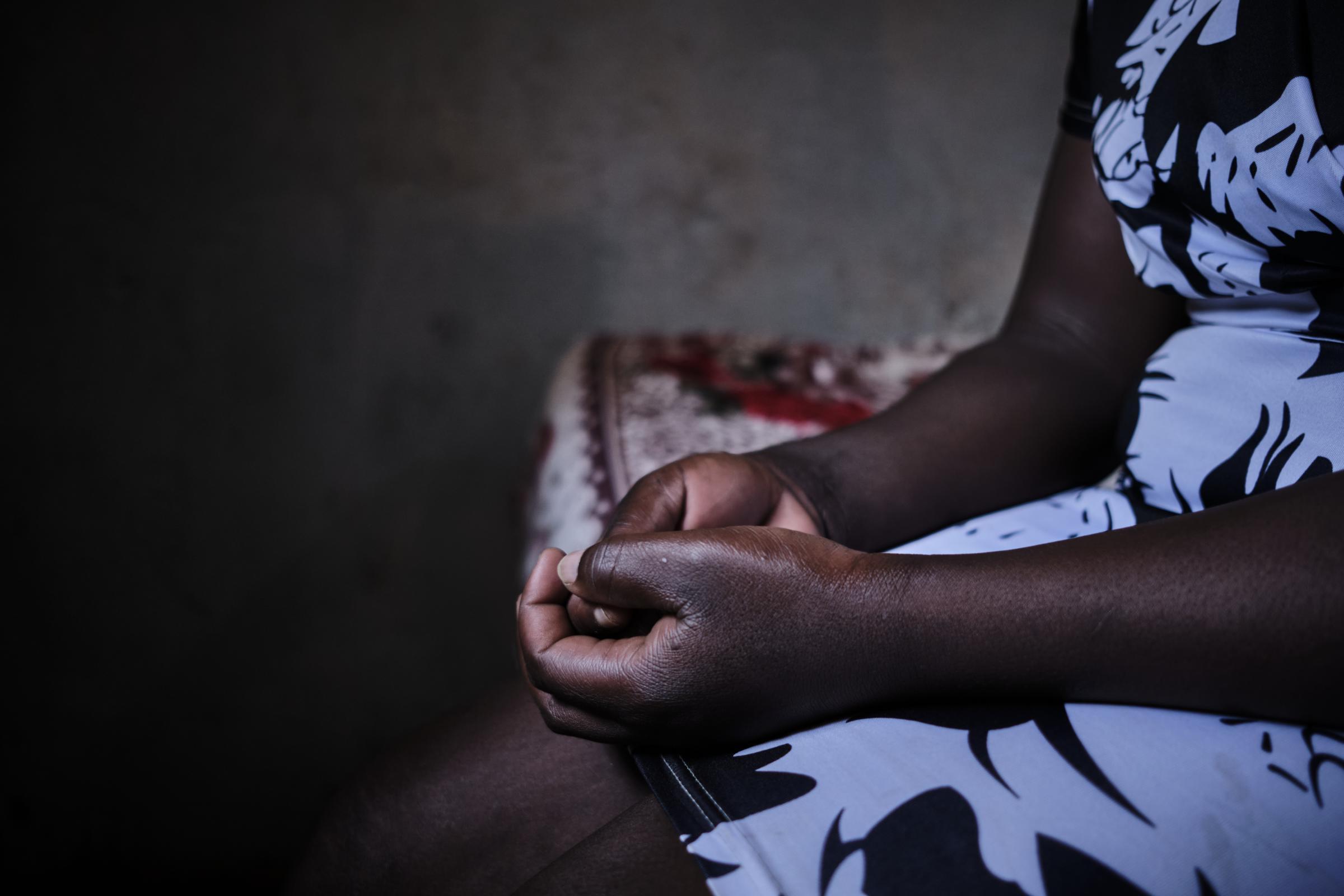
Sexual violence affects millions of people, brutally shattering the lives of women, men and children. It is a medical emergency, but there is often a dire lack of healthcare services for victims.
No statistics on sexual violence provide a complete picture of the problem or its prevalence. Shame, fear, stigmatisation and many other obstacles prevent an unknown number of victims from receiving, or even seeking, treatment. And yet getting immediate medical care after sexual assault is critical in order to limit the potential consequences.
In 2025, our teams treated over 82,800 victims of sexual violence; 9,000 more than the year before.
Medical care is critical
Post-exposure prophylaxis is given to victims of rape within 72 hours to prevent HIV in case of exposure. Emergency contraception should also be given promptly to be most effective. Antibiotics are given to prevent sexually transmitted infections such as syphilis and gonorrhoea, and vaccinations for tetanus and hepatitis B. The treatment of physical injuries, and psychological support are also part of the package of care.
Men are victims too
Sexual violence against men and boys includes rape, sexual torture and sexual slavery. Men and boys are even less likely to report sexual violence than women for fear of stigmatisation and because of the enormous taboo around the topic. As a result, sexual violence committed against men remains particularly invisible and under-reported, and how to adequately meet the needs of male victims poses a particular challenge for us.
In war as in peace
Rape and other forms of sexual violence are often widespread in conflict settings, where they can be used to humiliate, punish, control, injure, inflict fear, and destroy communities. They may also be used to reward or remunerate combatants, to motivate the troops. But millions of people living in stable contexts are also affected by sexual violence. In these cases, the perpetrators are often acquaintances or family members of the victims.
The challenges of care
Medical care is crucial in the 72 hours following rape to prevent the transmission of HIV and an unwanted pregnancy. Stigma, fear of the aggressor and of others finding out are some of the reasons victims may hesitate to seek care and often do not pursue follow-up care. The prevention and management of unwanted pregnancy is often their biggest concern, and is part of the care MSF provides. Emergency contraception is allowed in almost all countries; however, termination of pregnancy is – for a variety of reasons – more complicated.
Learn more:
.