
MSF warns of the urgent need to address the devastating gaps in vaccination coverage in conflict-affected areas
In 1 click, help us spread this information :
Geneva/Port Sudan/Kinshasa/ Luxembourg – As countries meet this week to discuss the progress of implementing the Immunisation Agenda 2030 at the World Health Assembly in Geneva, Médecins Sans Frontières (MSF) urges governments, donors, and other global health stakeholders to urgently dismantle the systemic barriers blocking timely vaccination in conflict-affected settings in order to avert preventable disease outbreaks, suffering, disabilities, and deaths.
In many of the conflict-affected settings where we’re working, routine vaccination has ground to a standstill and timely and effective outbreak response is faltering. The consequences are dire: dangerously low vaccination coverage is leaving millions of children vulnerable to recurring, deadly outbreaks of vaccine-preventable diseases,” said Dr Daniela Garone, international medical coordinator, MSF.
Overall vaccine response capacity in conflict-affected settings is limited by political, administrative, bureaucratic, and logistical barriers blocking deliveries of vaccine supplies; security issues restricting access to remote areas for thinly stretched teams; and financial constraints and funding gaps amplifying these hurdles. As such, there is an urgent need for flexible vaccine delivery models adapted for medical humanitarian organisations to vaccinate in these settings.
Immediately closing the devastating vaccination coverage gaps we’re seeing requires political will: governments, donors and global health stakeholders must urgently provide sustained, agile financing for routine and catch-up immunisation activities as well as dedicated funding for immunisation activities in conflict-affected areas; address blockages to ensure rapid and unhindered access to vaccine supplies; and guarantee support and safe passage for both local and humanitarian vaccination service providers alike,” said Dr Daniela Garone.
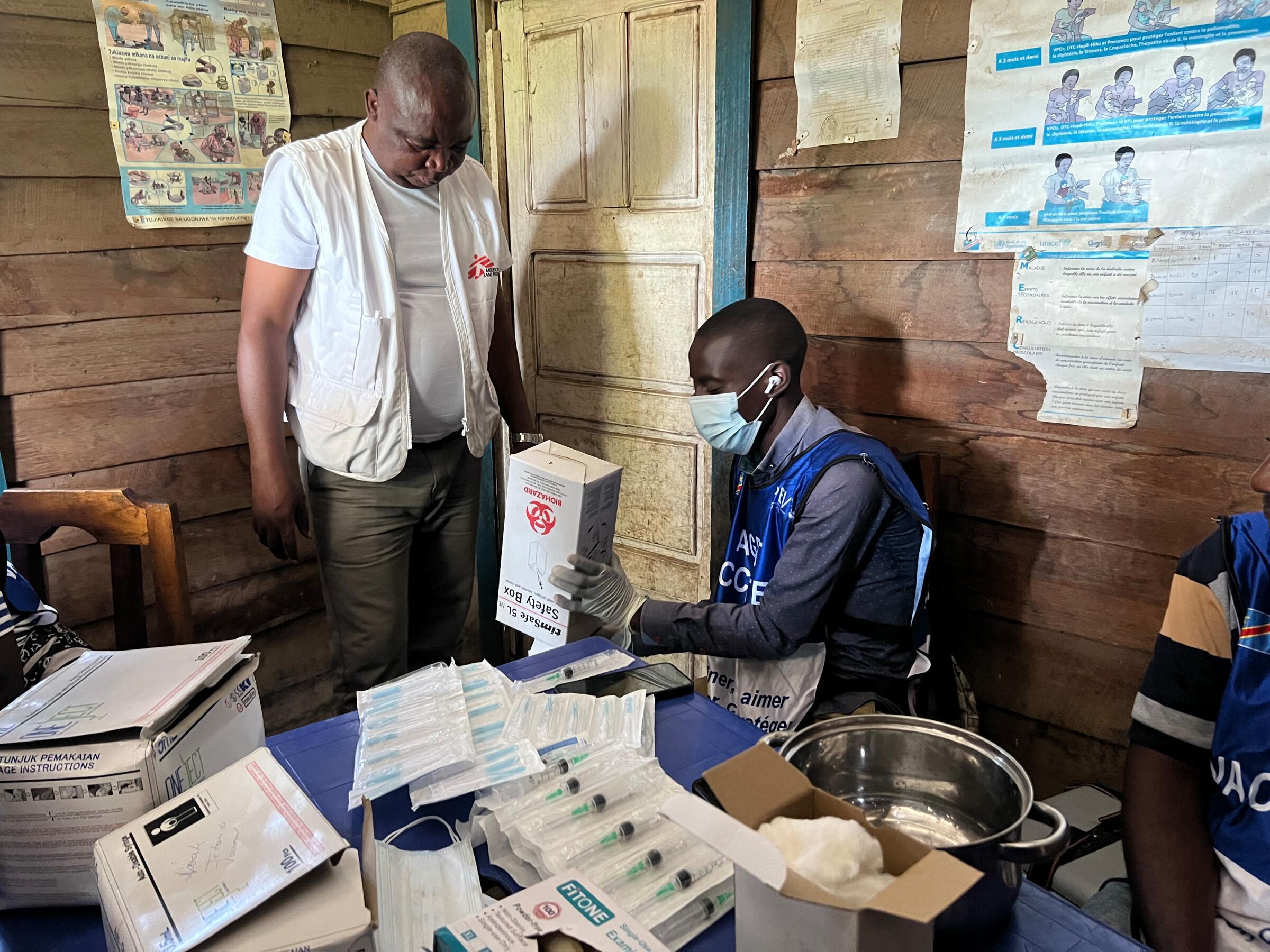
In 2024, national immunisation coverage rates in the Democratic Republic of the Congo (DRC) were well-below the thresholds required to prevent outbreaks in all provinces: diphtheria, tetanus, pertussis (DTP3) coverage was at 65% – the recommendation is ≥90% – and measles-containing vaccine first dose (MCV1) was at a worrying 55% – the recommendation is ≥95%. Since 2025, intensified conflict in eastern DRC led to delays and increased complexity in supply chains – especially for cold chains – which, alongside airport and other route closures, blocked direct and timely access to vaccine shipments, drove up vaccine delivery costs significantly, and delayed MSF-supported vaccination campaigns. Amidst global declines in humanitarian and health funding, this saw DRC’s already fragile routine vaccination services further weakened. In one example, these compounded challenges resulted in only 60 per cent of the required vaccine doses reaching South Kivu, DRC, in 2025, according to Ministry of Health data.
As a result, DRC continues to experience outbreaks of vaccine-preventable diseases.
In 2025, a major measles epidemic saw more than 82,869 suspected cases and 1,175 deaths recorded in almost all provinces, according to local health authorities. In response, MSF teams supported health authorities’ efforts to curb the disease, treating approximately 20,870 patients and vaccinating 1,146,810 children between January and December 2025. In total, 22 measles response interventions were carried out, and efforts are continuing in 2026.
Systemic barriers emerging from and exacerbated by conflict dynamics are increasing unnecessary delays, limiting MSF’s ability to respond to vaccine-preventable diseases swiftly. Sustained global health funding alongside strengthened collaboration between health authorities, partners, and communities is essential to overcome these additional hurdles, strengthen the entire response chain, and reach more people with vaccines in a timely and consistent manner,” said Dr Jean Gilbert Ndong, medical coordinator in DRC.
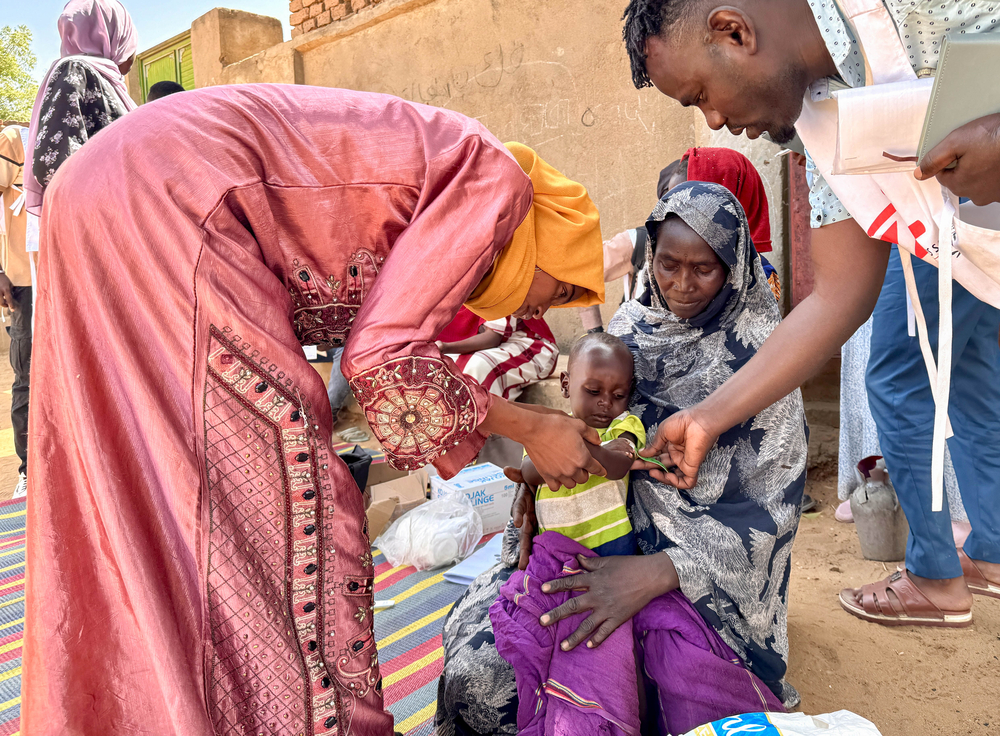
In Sudan, vaccination programmes and disease surveillance systems have been severely weakened under three years of devastating war and instability, fuelling deadly, preventable disease epidemics.
Organising vaccination campaigns in Sudan is significantly hampered by delays, including in outbreak confirmation; limited diagnostic capacity, supply of and access to doses; and lengthy and sometimes intractable negotiations for responses. Combined with political challenges which make vaccine delivery across frontlines extremely difficult, a vaccine-preventable disease outbreak has often already spread, resulting in unnecessary illness and death, before vaccination is even able to begin,” said Miriam Alía, MSF vaccination and outbreak advisor.
As of April 2026, in Darfur alone, MSF treated 14,613 measles cases. In addition, over the last three years, around 70 per cent of measles cases treated in MSF-supported facilities in Darfur were patients under five years old, and 74.7 per cent of all patients MSF treated for measles in Darfur were unvaccinated or had an unknown vaccination status.
To achieve the goals of the Immunisation Agenda 2030, countries must ensure that children in conflict-affected and hard-to-reach areas are not left behind.
In the DRC, Sudan, and other countries with conflict-affected areas where MSF works, disease outbreaks could be prevented and millions of lives saved if governments, warring parties, donors, and global health organisations removed administrative, financial, and political blockages and enabled vaccines to be consistently available for rapid delivery as part of routine vaccination, catch-up vaccination and outbreak response.