
Bauchi State, Nigeria: Reducing fear and improving care during a severe Lassa fever season
In 1 click, help us spread this information :
“Lassa fever is a disease that essentially disguises itself, explains Dr Ayokunnu Raji, MSF’s emergency medical programme manager. At the beginning, symptoms are very similar to other common illnesses in Nigeria such as malaria or typhoid - so by the time many patients arrive at our treatment centre, they are already critically ill.”
One of those patients was Musa, who lives in Bauchi State in northern Nigeria. Earlier this year, he began experiencing headaches and stomach pain.
“It felt like I had malaria,” he said.
Musa was admitted to a private clinic, but was discharged after five days, still extremely sick.
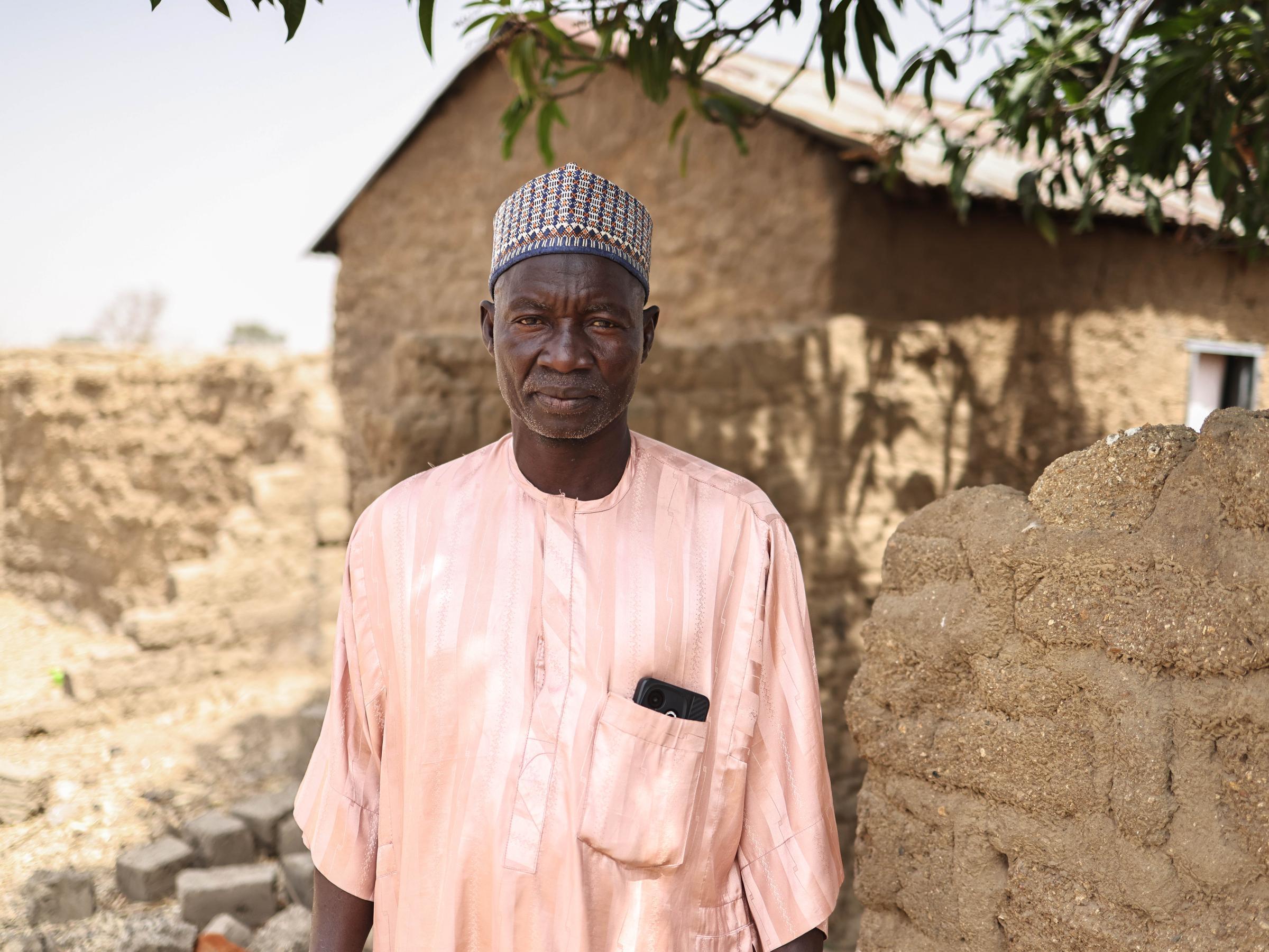
“They could not understand what I was suffering from,” he said.
Some days later, an MSF health promotion team was visiting Musa’s village and advised him to immediately go to the Lassa Fever Treatment Centre at the Abubakar Tafawa Balewa University Teaching Hospital. He was diagnosed with Lassa fever.
Musa’s symptoms had become so unbearable, he said, that he believed he had no chance of surviving. But thanks to the care he received in the treatment centre – where he stayed for 29 days - he recovered. He is now supporting his own community by raising awareness about the disease and encouraging people to seek treatment early if they are experiencing symptoms.
What is Lassa fever?
Lassa fever is a severe, and sometimes fatal, viral haemorrhagic disease caused by the Lassa virus. It is hosted by the multimammate rat, a common rodent in West Africa.
The disease is endemic in Nigeria, with the peak season occurring during the dry season from October to April.
Around 80 percent of people with Lassa fever have mild symptoms or no symptoms at all, but severe cases can lead to bleeding, organ failure, and death.
Lassa fever is primarily transmitted through contact with food or household items contaminated with the urine or faeces of infected rodents. However, once a person is infected, it can also spread to other people through direct contact with bodily fluids, contaminated surfaces or materials such as bedding or medical equipment, and, in rare cases, through droplets in the air from infected people.
“Early diagnosis, isolation of people who test positive, and prompt treatment are absolutely crucial,” says Dr Raji.
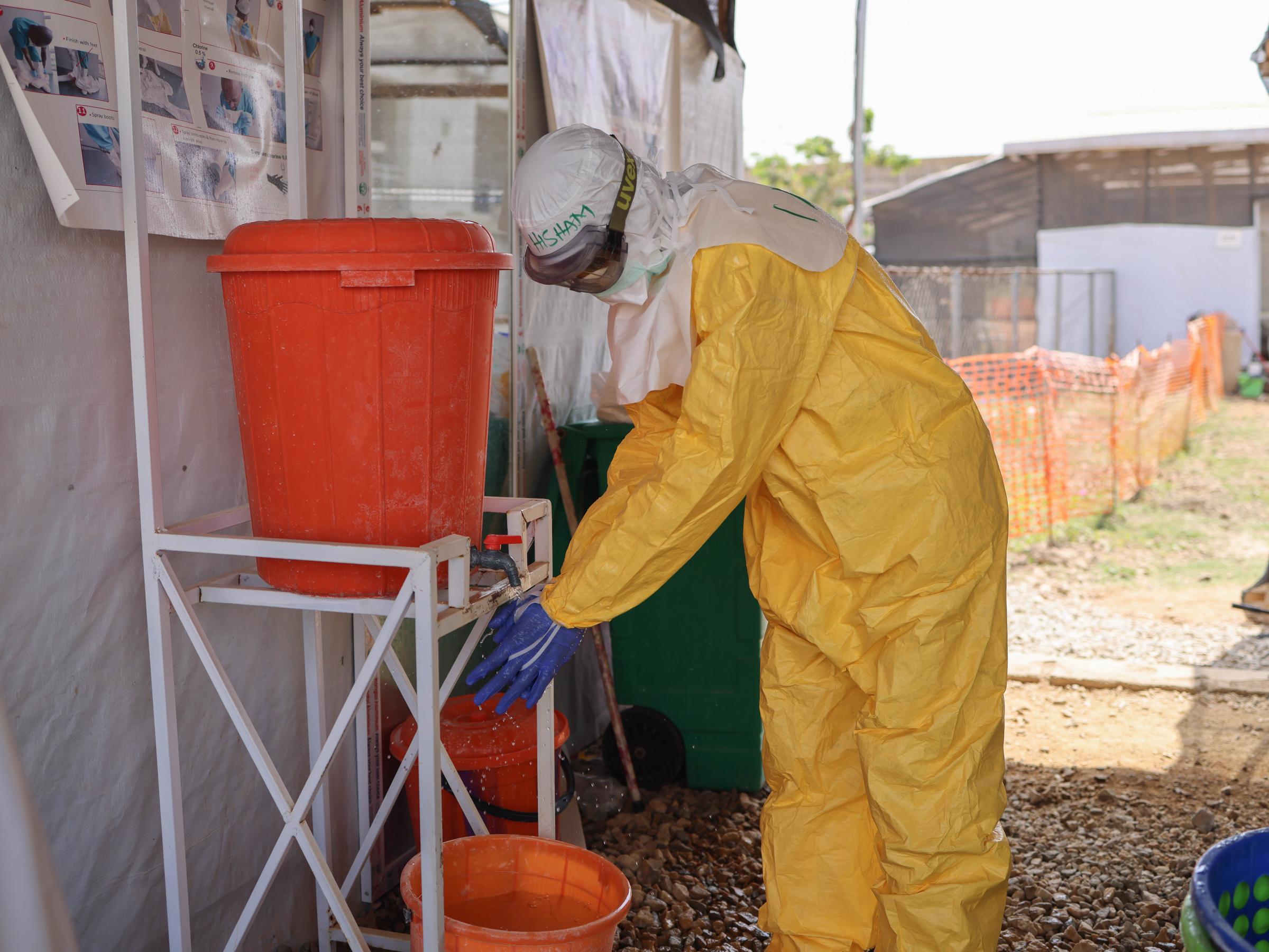
Preventive measures - such as frequent handwashing, avoiding contact with rodents, and safe food handling - are also essential to curb the spread of the disease.
2026: a heavy impact on communities and healthcare workers
In Nigeria this year, communities have faced a particularly severe Lassa fever season. Since January, the country has recorded 516 cases, and 135 people have died – a 31 percent increase in deaths compared to the same period in 2025.
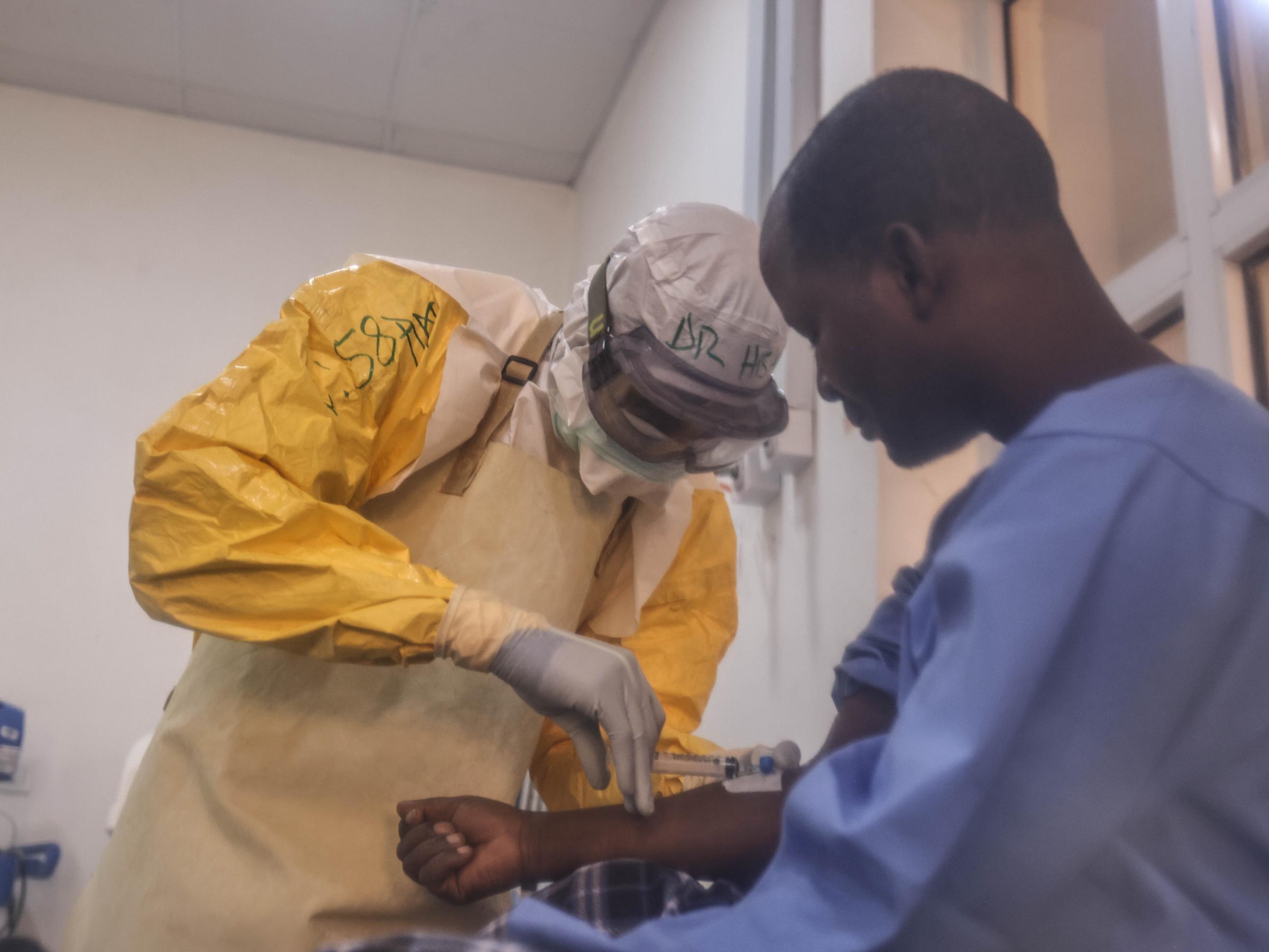
Health workers, too, have suffered an immense toll. Lassa fever, like other hemorrhagic fevers such as Ebola, is a particularly risky disease for health staff to treat. When caring for suspected or confirmed patients, healthcare staff must wear full personal protective equipment – including gloves, masks, eye protection and gowns - to avoid becoming infected.
“However, as many people with Lassa fever are diagnosed late, healthcare workers may already have been exposed to the virus,” explains Dr Raji.
Thirty-eight health workers across Nigeria have been infected since the beginning of the year, more than double the number in the same period last year. In February, three MSF staff were also infected. Tragically, one staff member, who was working in Kano State, died.
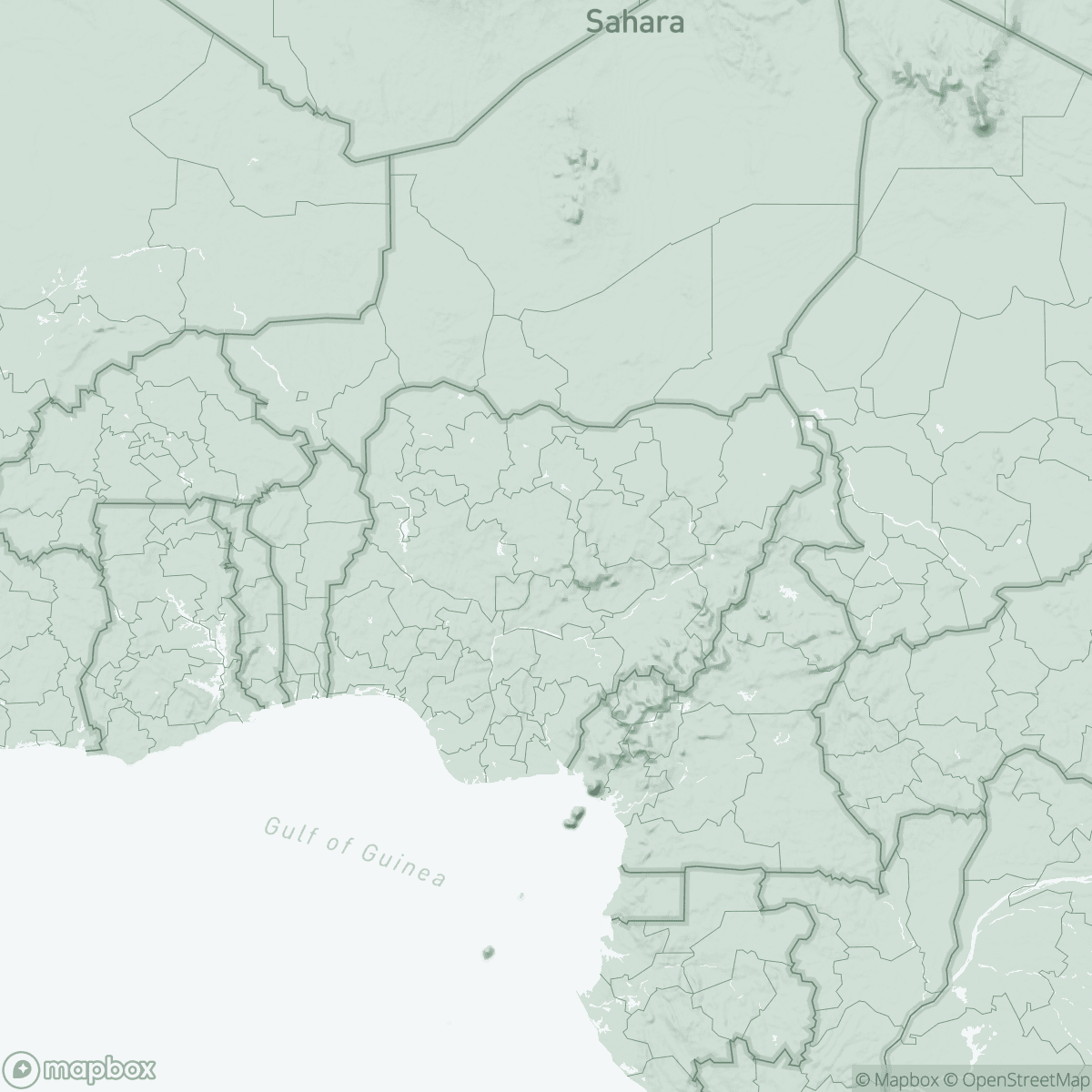
MSF is currently responding to the Lassa fever seasonal peak in Benue, Kano, Taraba, Sokoto, Zamfara and Bauchi States. In Bauchi State, one of the poorest in Nigeria, MSF has been working in close collaboration with the Nigerian Ministry of Health since 2022, treating patients in the Lassa Fever Treatment Centre, where they receive free care, including laboratory diagnosis, antiviral treatment, and mental health support.
Between 1 October 2025 and 23 March 2026, a total of 311 people tested positive at the treatment centre, of whom 68 died.
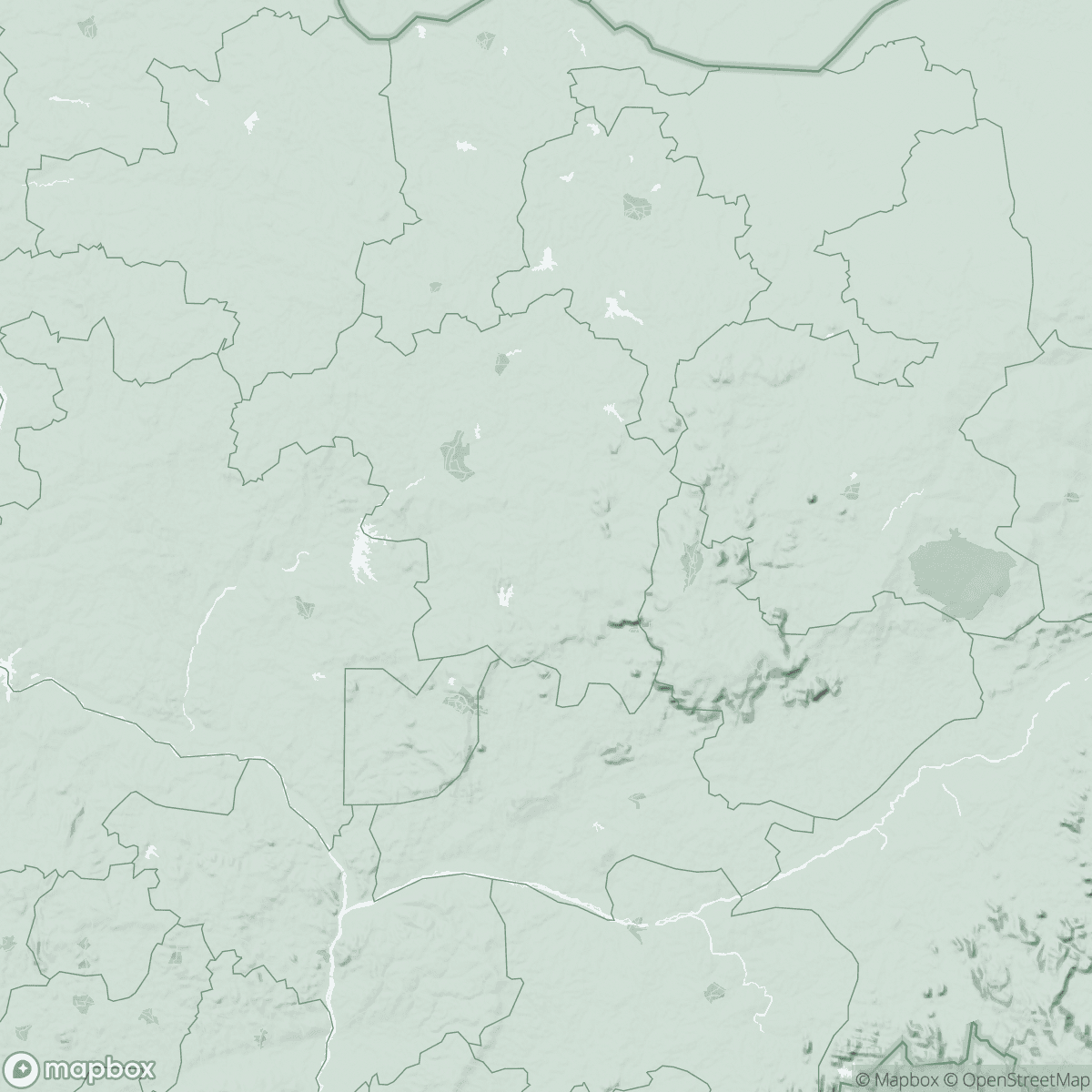
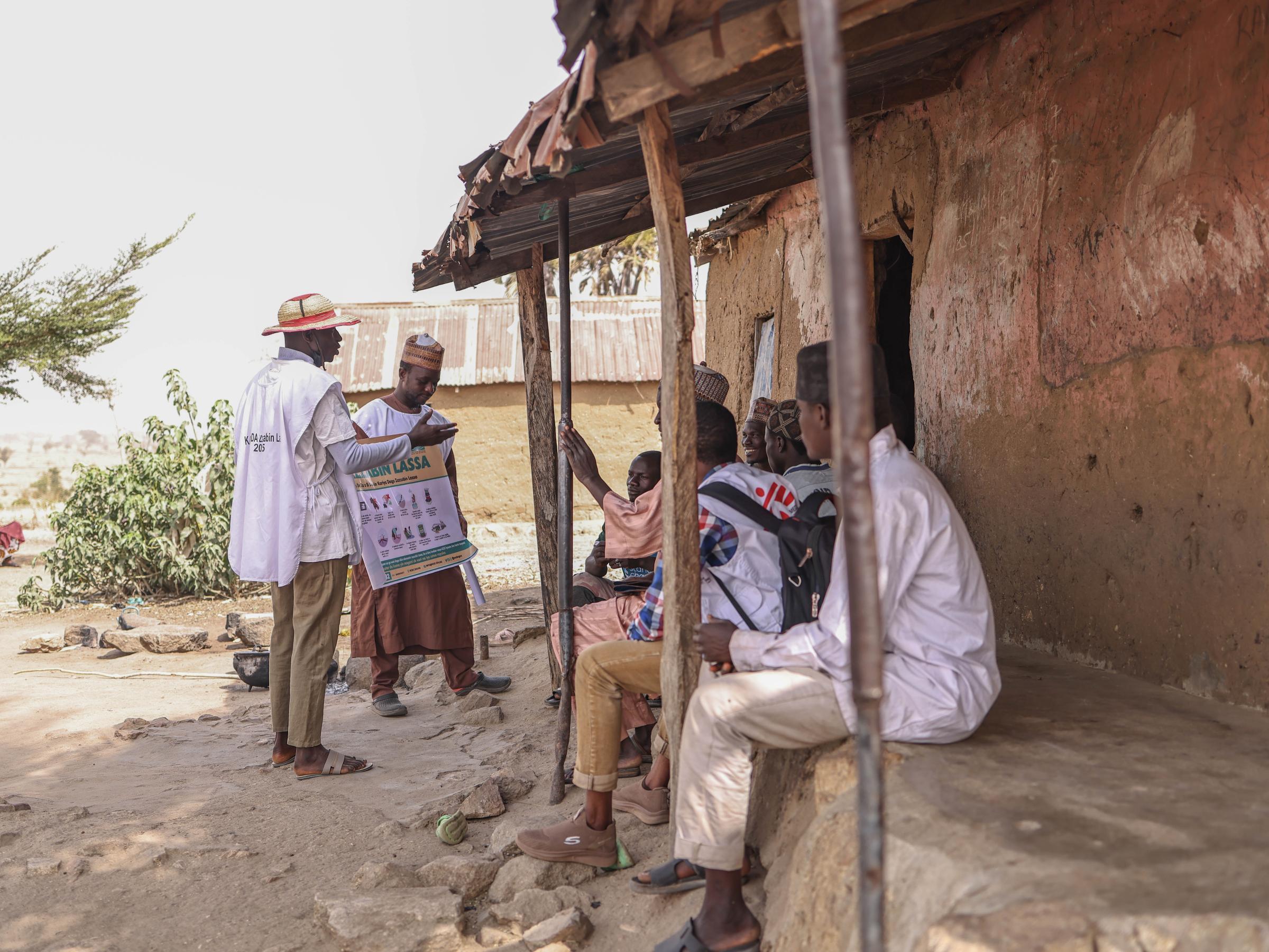
MSF teams are also working in surrounding communities – across the local government areas of Bauchi, Kirfi, Toro and Tafawa Balewa - to identify suspected cases early, isolate patients, and ensure their safe referral to the treatment centre. MSF works with health facilities in these areas to strengthen staff capacity and improve infection prevention and control measures, while health promotion teams visit communities to raise awareness to counter fear and misinformation about the disease.
“People thought it was witchcraft”
Fear and stigma around Lassa fever remain major challenges faced by Nigeria and other endemic countries. In many communities, the disease is poorly understood and widely feared, often leading to the exclusion of people who have been affected.
“At the beginning, people ran away. They didn’t want you to come close. Initially, they thought it was a curse - people thought it was witchcraft,” explains Musa.
MSF health promotion teams work closely with community leaders, religious leaders, traditional and spiritual healers, and pharmacists - frequently the first individuals who people turn to when they fall ill.
Tumaini Kombe is an MSF health promoter who has just returned from several months working in Bauchi State, where he led a team of 50 MSF community outreach staff. As he explains, teams focus on listening and building trust.
“We don’t fight people’s beliefs,” Tumaini said. “We work through the people they trust. If the village chief tells his community the proper measures to follow if they suspect Lassa fever, we consider that a real success.”
Between January 2025 and February 2026, MSF’s health promotion staff reached 186,363 people, conducting a total of 18, 898 information sessions in the communities. During this time, the teams referred 1,642 people to the treatment centre, of whom 418 were confirmed positive.
“Understanding the local knowledge and listening – these are ultimately the keys to encouraging people to get the care they need,” continues Tumaini.
“Any health messaging related to Lassa fever must start from the understanding that people’s perception of risk are shaped by their lived realities,” said Sylvia Lim, Operational Research Advisor for LuxOR – MSF's Operational Research Unit in Luxembourg.
This was one of the findings of a study on the risk perception of Lassa fever that was conducted in 2025 in Ebonyi State where Lassa fever is also seasonal. A key recommendation is to take a more participatory approach in shaping health messaging.