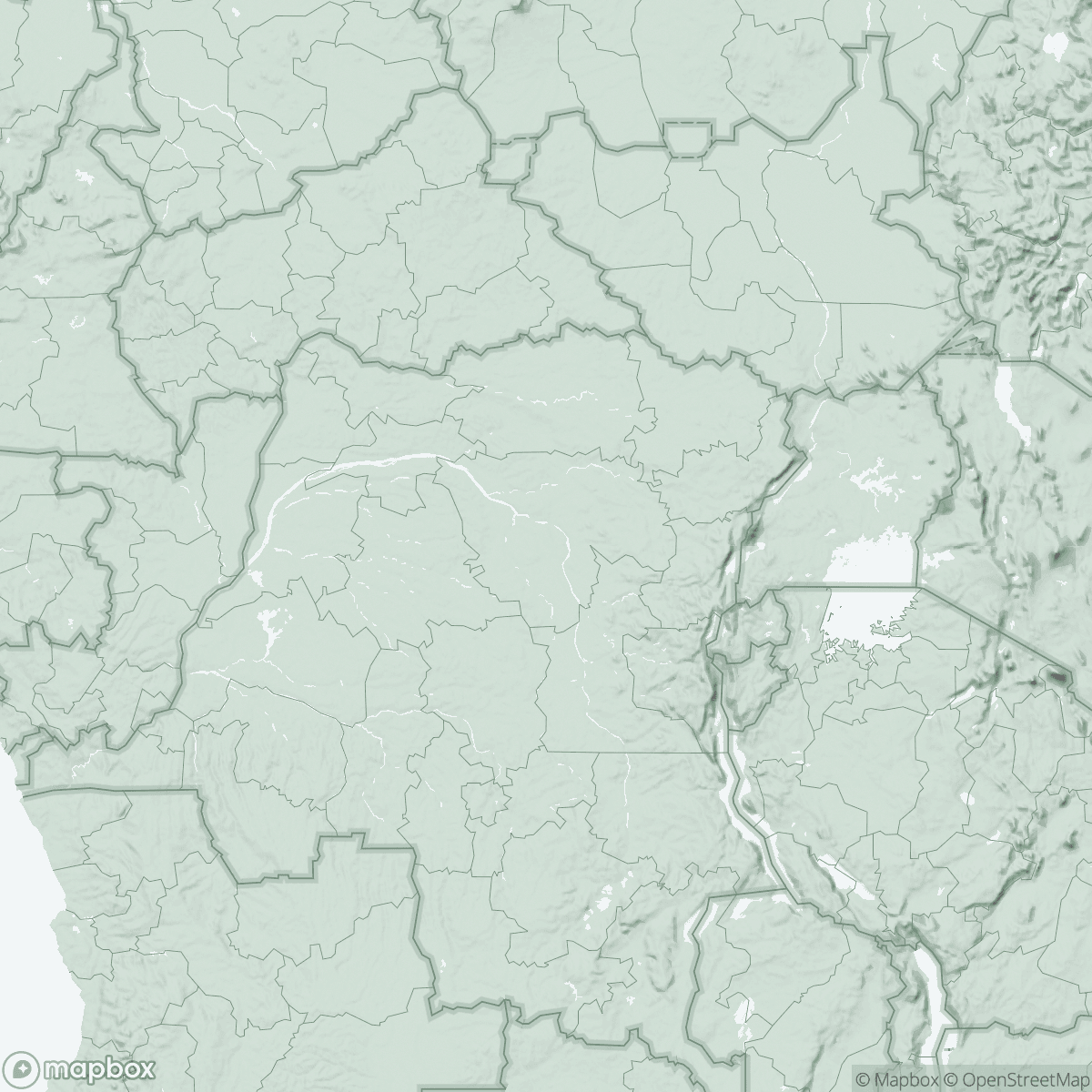
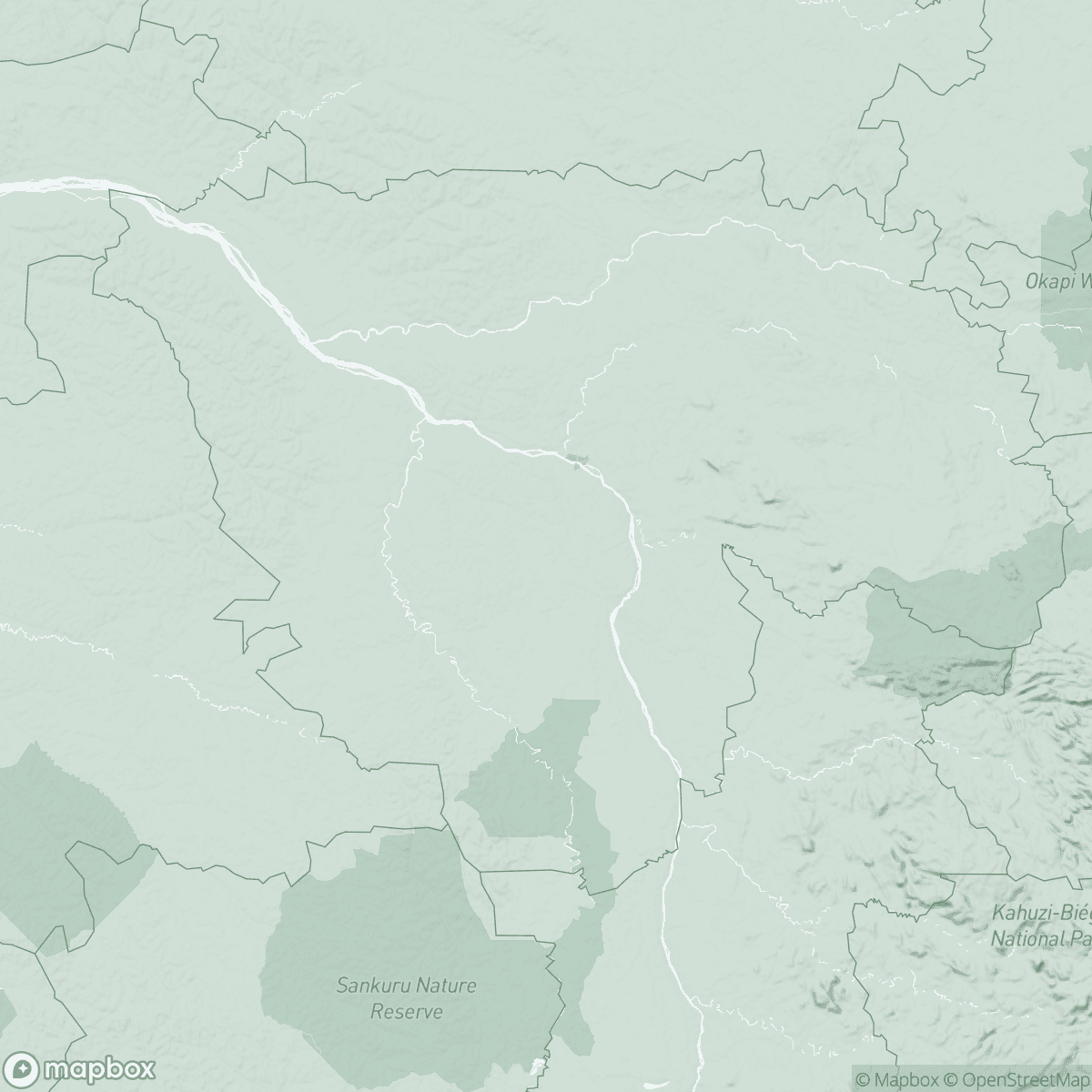

Minova, dans l'est de la RDC : les femmes et les enfants en danger face à la réduction de l'aide humanitaire
In 1 click, help us spread this information :
South Kivu: deprioritized despite immense needs
Despite the rapidly deteriorating situation in South Kivu in eastern Democratic Republic of Congo (DRC), the province remains particularly neglected. Shortages of medicines, vaccines, and nutritional supplies now affect the majority of the province’s health zones. In 2025, measles vaccines were unavailable for several months, despite active outbreaks in 24 of the 34 health zones.
National health programs to combat malaria, tuberculosis, HIV, malnutrition, and immunization are no longer functioning effectively in many areas due to security and logistical constraints, as well as funding withdrawals,” explains Issa Moussa, MSF’s head of mission in South Kivu.
“Primary health centers, often without paid staff or essential medicines, cannot meet actual needs.”
Minova: obstetric and neonatal care now out of reach
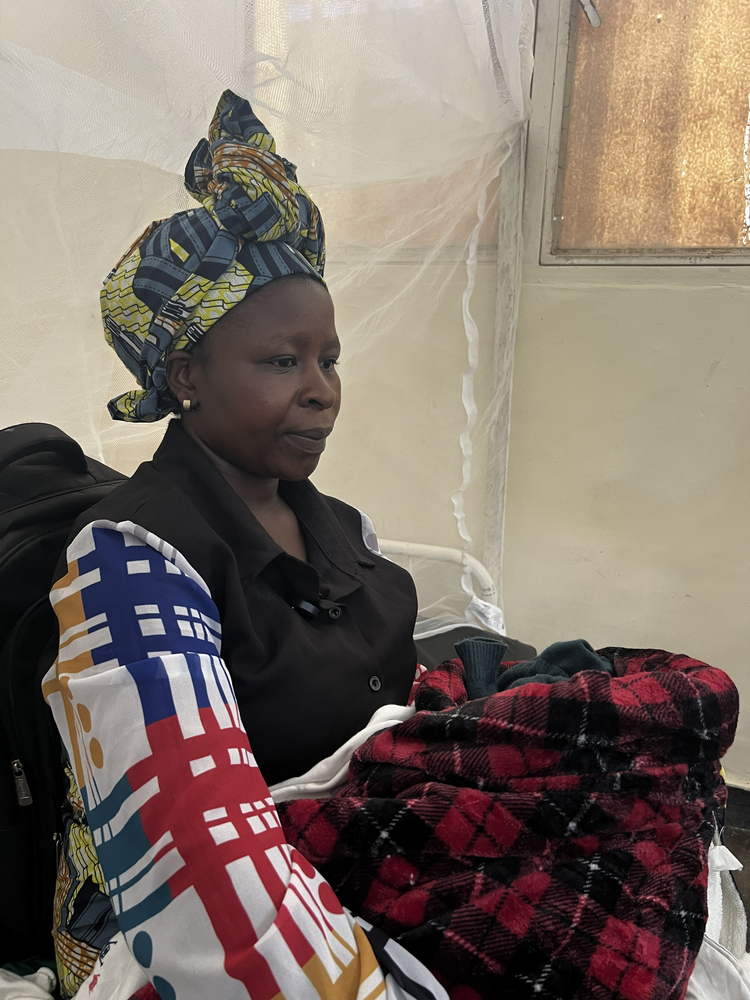
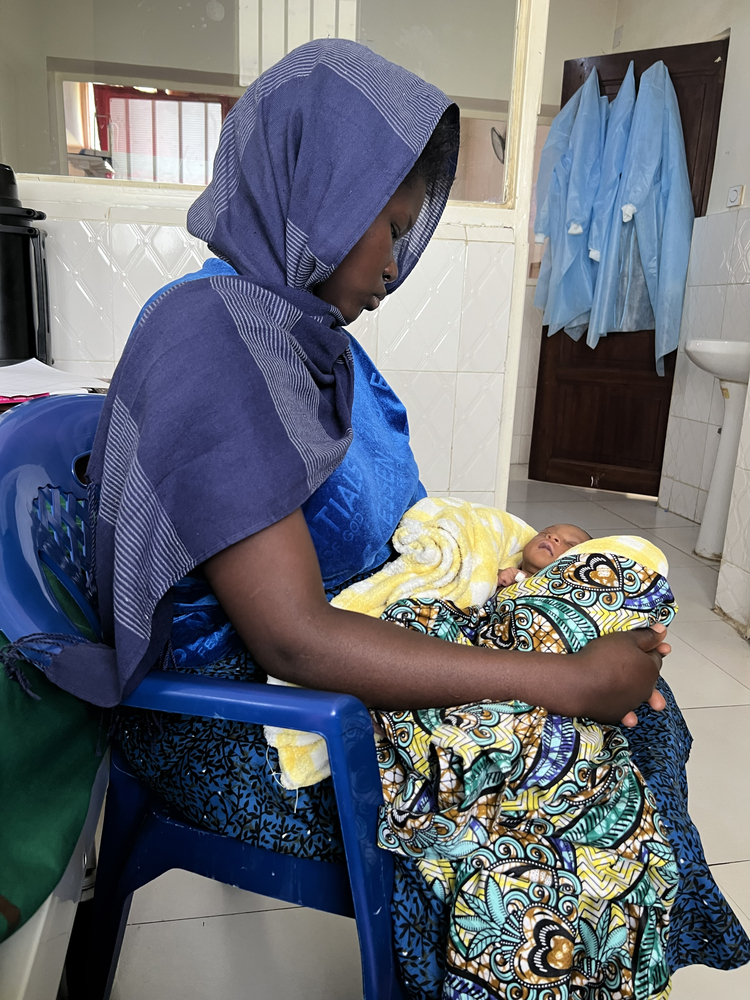
The Minova health zone illustrates the alarming reality of this crisis. Since the World Bank halted funding through the Multisectoral Nutrition and Health Project (PMNS) and some partners ended their support in early 2026, Minova General Referral Hospital (HGR) introduced new fees for obstetric and neonatal care, including up to $100 USD for a caesarean section and 50 USD for the care of a premature newborn.
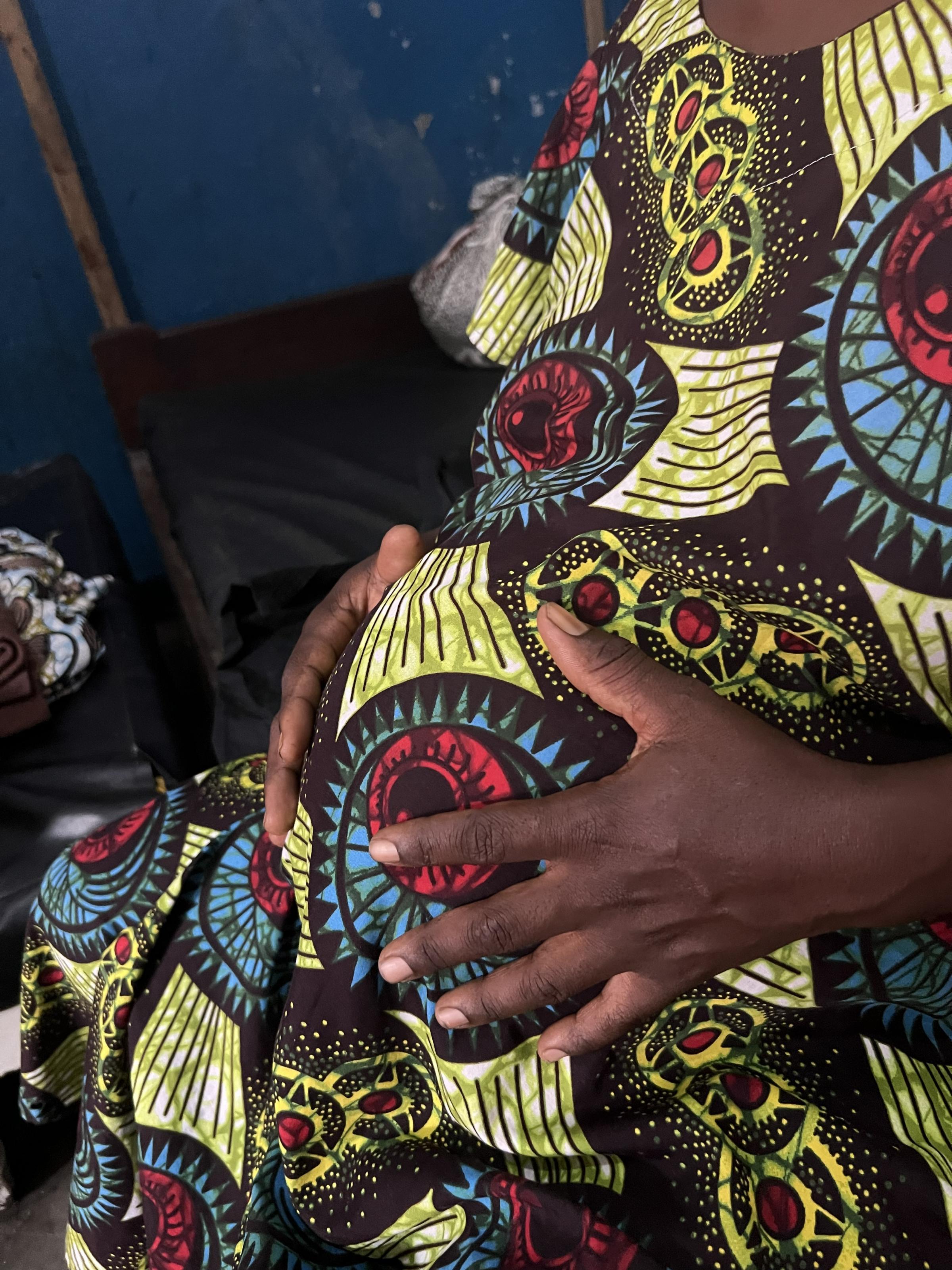
The consequences are immediate and deeply concerning. Some women, unable to pay, remain hospitalised for several days or weeks until they are able to settle their bills, while others simply forgo care, opting instead for high-risk home births. As soon as World Bank support ended, and according to HGR data, maternity ward visits between January and February 2026 dropped by nearly 34 per cent compared to 2025.
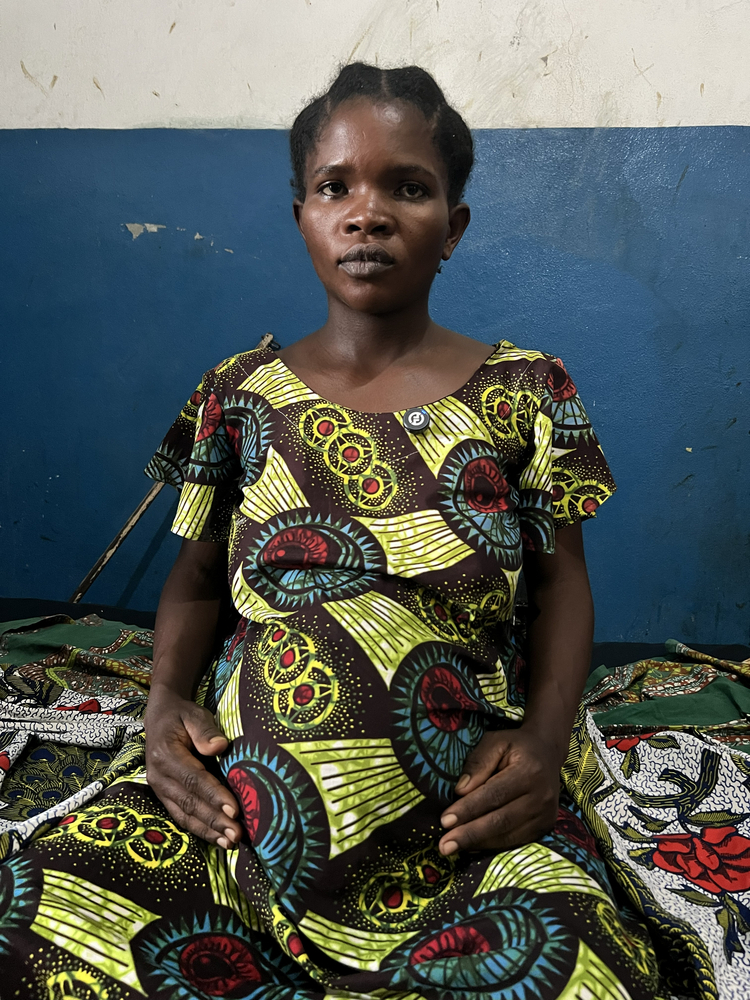
“We are desperate, worried about our babies and our other children. Some of us have been hospitalised for three days, others for more than two weeks. We have no hope left. I simply cannot pay,” says a patient hospitalised in January 2026 at Minova HGR.
Pressure on the few free facilities
In the highlands, Numbi Hospital is supported by MSF and remains one of the few facilities offering free care. However, it is already operating well beyond capacity. In early 2026, the maternity ward bed occupancy rate exceeded 217 per cent, compared to 95 per cent in October 2025, which means more than a woman per bed.
As a result, the hospital cannot absorb an additional influx of patients from coastal areas, where pregnant women sometimes walk for several hours despite insecurity, due to a lack of financial means.
The deterioration of the healthcare system is occurring against a backdrop of high epidemic risks (measles, cholera, mpox), persistent malnutrition, particularly in the highlands, and extremely concerning levels of sexual violence.
An urgent call to action
MSF, which has been present in the area since early 2024, had initially planned a gradual withdrawal from the Minova coastal corridor in early 2026 in order to further concentrate its activities in the Numbi highlands, where humanitarian needs are particularly high. Faced with the worsening situation though, the medical humanitarian organization has had to maintain its support for the Minova General Hospital to prevent a sudden disruption in care, notably by resuming maternity and neonatal care activities since March 2026. During this first month of support, MSF has assisted with 107 deliveries, including 48 caesarean sections, and 41 admissions of babies to the neonatal unit.
However, we cannot permanently replace the health authorities or the humanitarian and development partners who are gradually withdrawing,” says Issa Moussa. “Without operational support and rapid funding, essential health services risk collapsing, with direct consequences for maternal and infant mortality in South Kivu.”
Urgent action is essential. MSF calls on:
Donors' organisations reconsider their financial withdrawal from the health sector in South Kivu in order to ensure access to and the continuity of primary and secondary healthcare
Humanitarian and health organisations to strengthen their presence and coordination, particularly in Minova
Authorities and parties to the conflict to guarantee safe and unimpeded humanitarian access; furthermore, the parties to the conflict must depoliticize access to healthcare and ensure the continuity of national health programs (HIV, TB, malaria, vaccination, and nutrition) in eastern DRC
The entire humanitarian community to place South Kivu at the center of the response to the crisis in eastern DRC.