
Colombia earthquake: MSF teams respond in Quibdó and Buenaventura while humanitarian needs remain high
En 1 clic, aidez-nous à diffuser cette information :
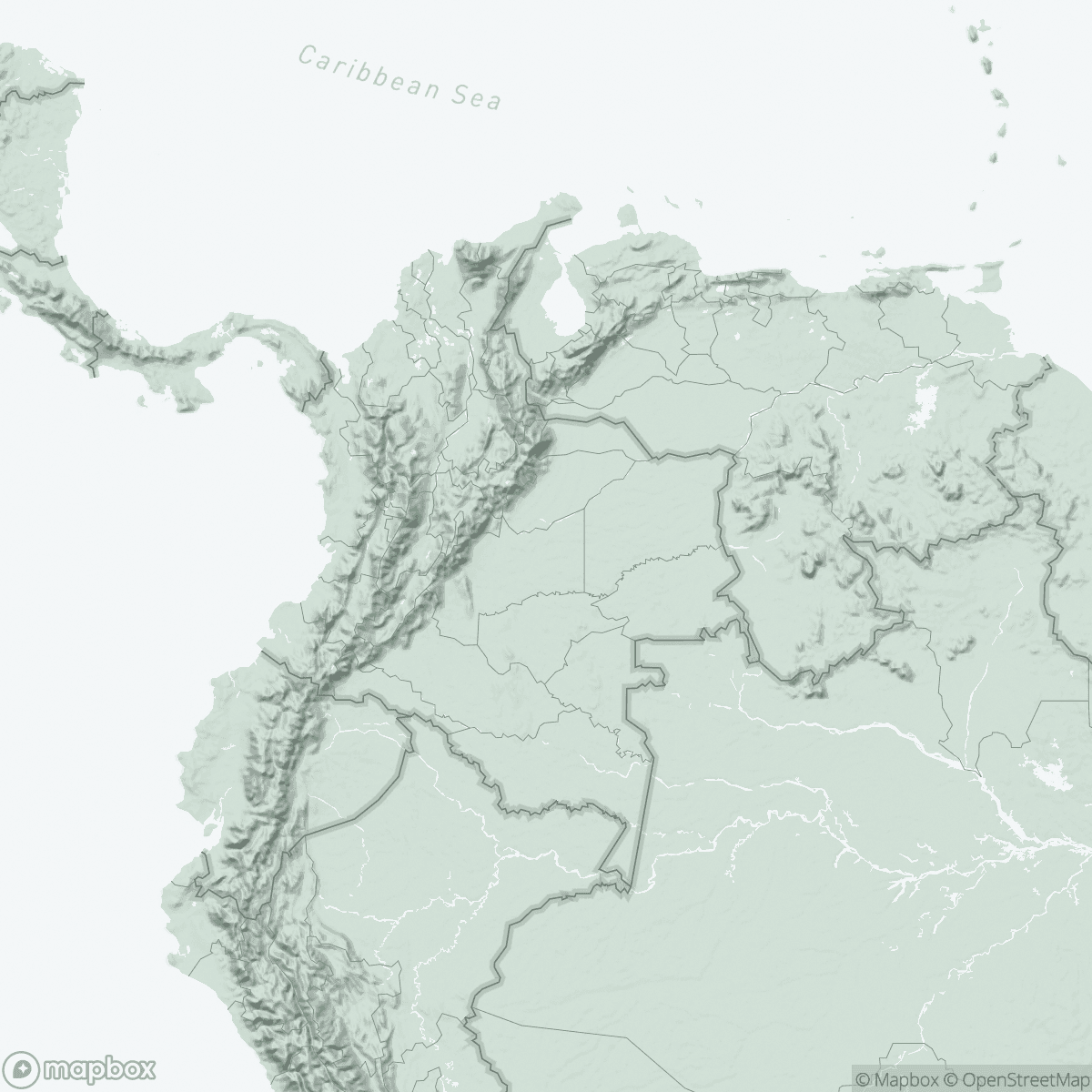
Ten days after the 7.4-magnitude earthquake that struck western Colombia on 10 August 2026, the emergency has evolved into a complex humanitarian crisis, with impacts varying significantly across regions.
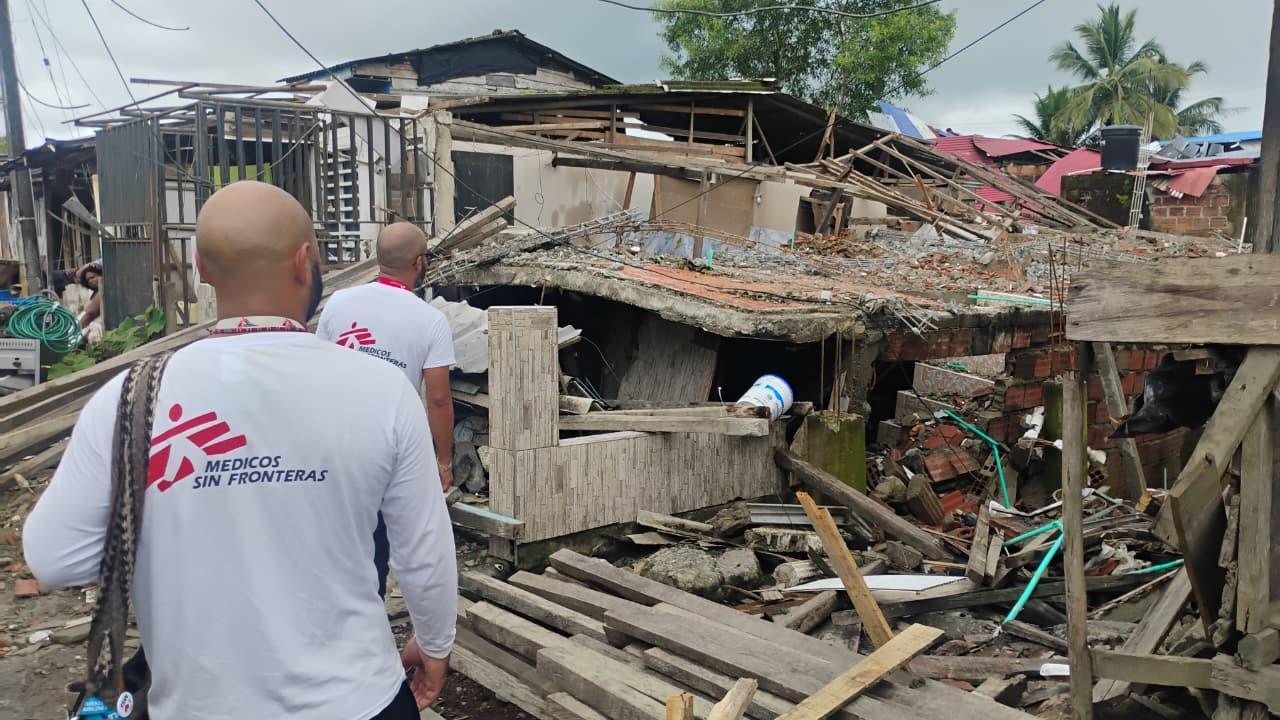
According to the latest official figures from Colombia’s National Unit for Disaster Risk Management (UNGRD), as of August 20, 2026, 319 people have died, 4,506 have been injured, and 260 remain missing. More than 282,000 people have been affected across 15 departments and 476 municipalities. Afro-Colombian and Indigenous communities are among the hardest hit. Damage to infrastructure is significant: more than 31,000 homes have been destroyed, nearly 163,000 damaged, 302 buildings have collapsed, and 348 health facilities and 3,483 schools have sustained damage.
The highest number of deaths has been reported in Cali and Pereira. However, the largest gaps in access to medical care remain in mid-sized cities such as Buenaventura and Quibdó, as well as in hard-to-reach rural areas where the health system was already facing serious limitations before the earthquake.
MSF response
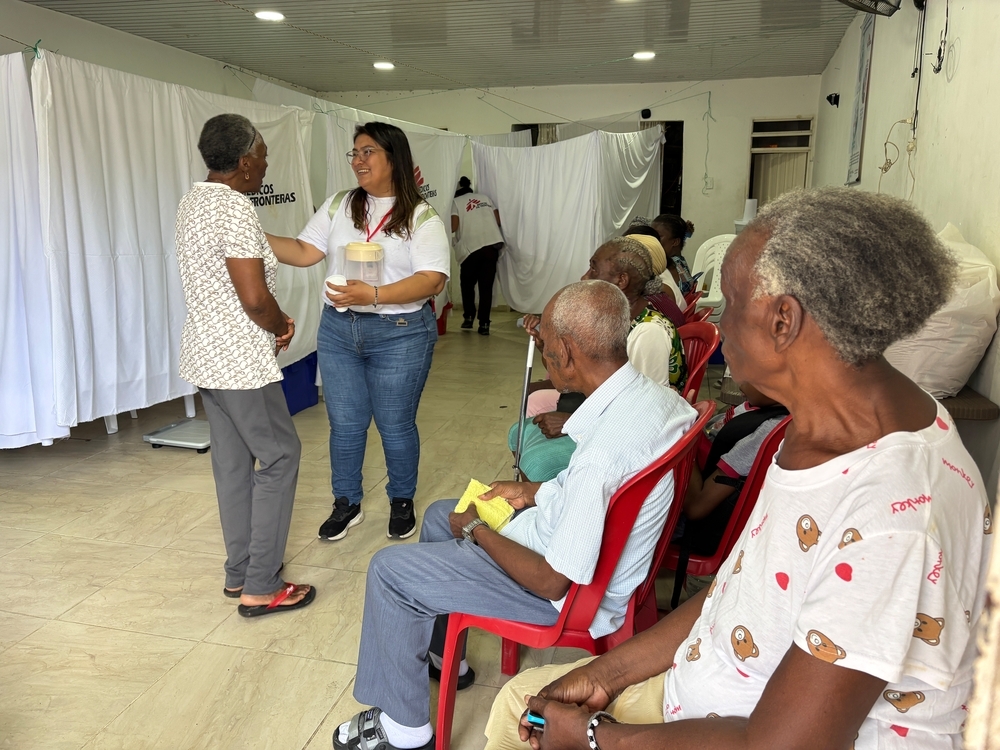
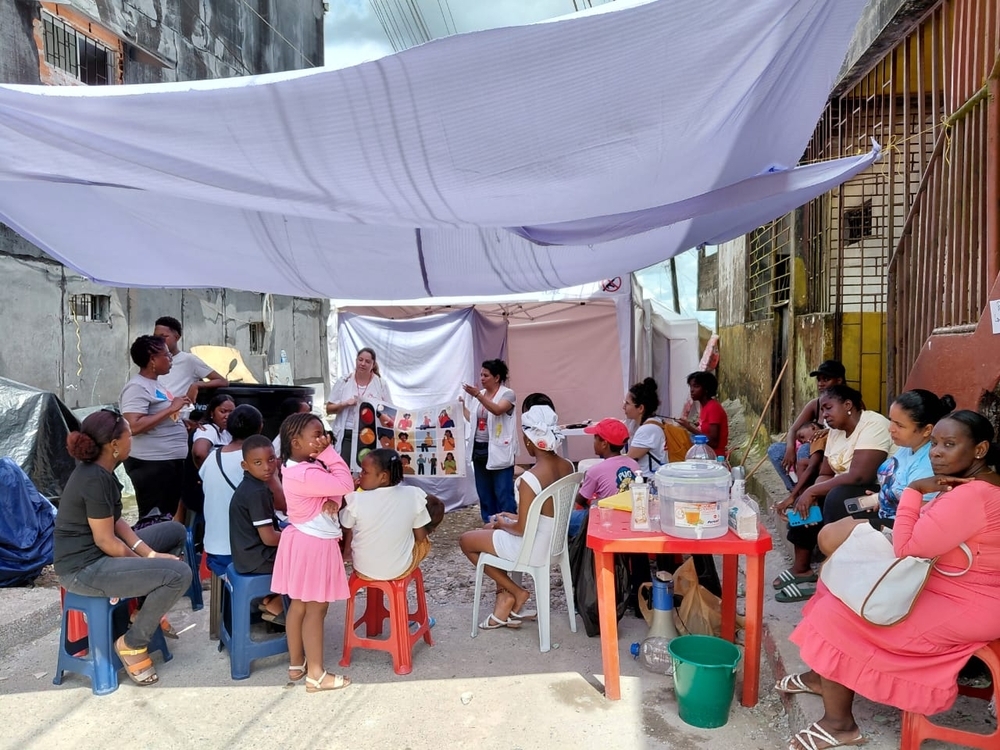
Médecins Sans Frontières (MSF) has deployed emergency assessment and response teams, prioritising Valle del Cauca and Chocó. Our teams are running mobile clinics providing primary health care, mental health support, and sexual and reproductive health services in affected neighborhoods where local health facilities have been damaged or overwhelmed.
During the first days of activities in Quibdó, MSF teams provided assistance at the Municipal Coliseum shelter and in the Medrano and Las Palmas neighborhoods. There, they carried out 250 general medical consultations, more than 60 nursing and family planning consultations, and 170 rapid laboratory tests. Teams prioritised care for children under five, pregnant women, and patients with chronic conditions such as hypertension and diabetes.
In mental health, MSF has provided 37 individual consultations and seven group psychoeducation sessions, reaching 57 people. The most frequently reported symptoms include hypervigilance, fear of further aftershocks, difficulty sleeping, deep sadness, and psychosomatic reactions such as dizziness and headaches.
In Buenaventura, MSF teams began running mobile clinics on August 20 in the Alberto Lleras neighborhood, one of the most affected areas of the city. They conducted 46 medical consultations, 9 individual mental health consultations, and 5 group sessions, serving 31 patients.
MSF has also donated hygiene kits, pediatric medicines, antibiotics, wound care supplies, treatments for chronic diseases, and ready-to-use therapeutic food to ESE Ismael Roldán in Quibdó and IPS Espíritu Santo in Unión Panamericana, which supplies rural health posts.
Our teams continue to assess needs and adapt the response to reach the most vulnerable people and those with the least access to medical care.