Ebola outbreak caused by the Bundibugyo virus
I choose how to support ↓
Last updated: September 30, 2026
Situation overview
Transmission remains active in seven provinces: Ituri, North Kivu, South-Kivu, Haut-Uélé, Bas-Uélé, Tshopo and South Ubangi.
There are currently more than 8,200 confirmed cases, around 4,000 reported deaths, and more than 2,000 survivors. The mortality rate is 48.4% (as of September 29, 2026, according to the National Institute of Public Health).
76% of all confirmed cases have been recorded in Ituri province, the outbreak’s original epicentre. However, a closer look at recent trends reveals a worrying shift: North Kivu now accounts for nearly half of all newly reported cases and is recording the highest case fatality rate in the country, at 59%.
Meanwhile, the confirmation of two cases in South Ubangi has expanded the outbreak’s geographic footprint to seven provinces. The true scale of the outbreak is likely even greater, as surveillance gaps and limited access to some affected areas mean that not all cases are detected or reported.
At first glance, the latest figures may appear encouraging: In Ituri, the original epicenter, the situation is slowing down for now, and CTEs in this province are receiving less patients. However, these figures need to be interpreted with caution. Nationally, the number of new cases has not fallen. The outbreak is not shrinking, it is moving into new, underprepared areas, making containment efforts increasingly challenging.
During the first 100 days of the outbreak, the DRC has recorded nearly six times as many infections as were reported during the early stages of the 2014-16 West Africa epidemic - the deadliest on record.
MSF Response
MSF is running a massive response, continuously adjusted to the epidemiological situation.
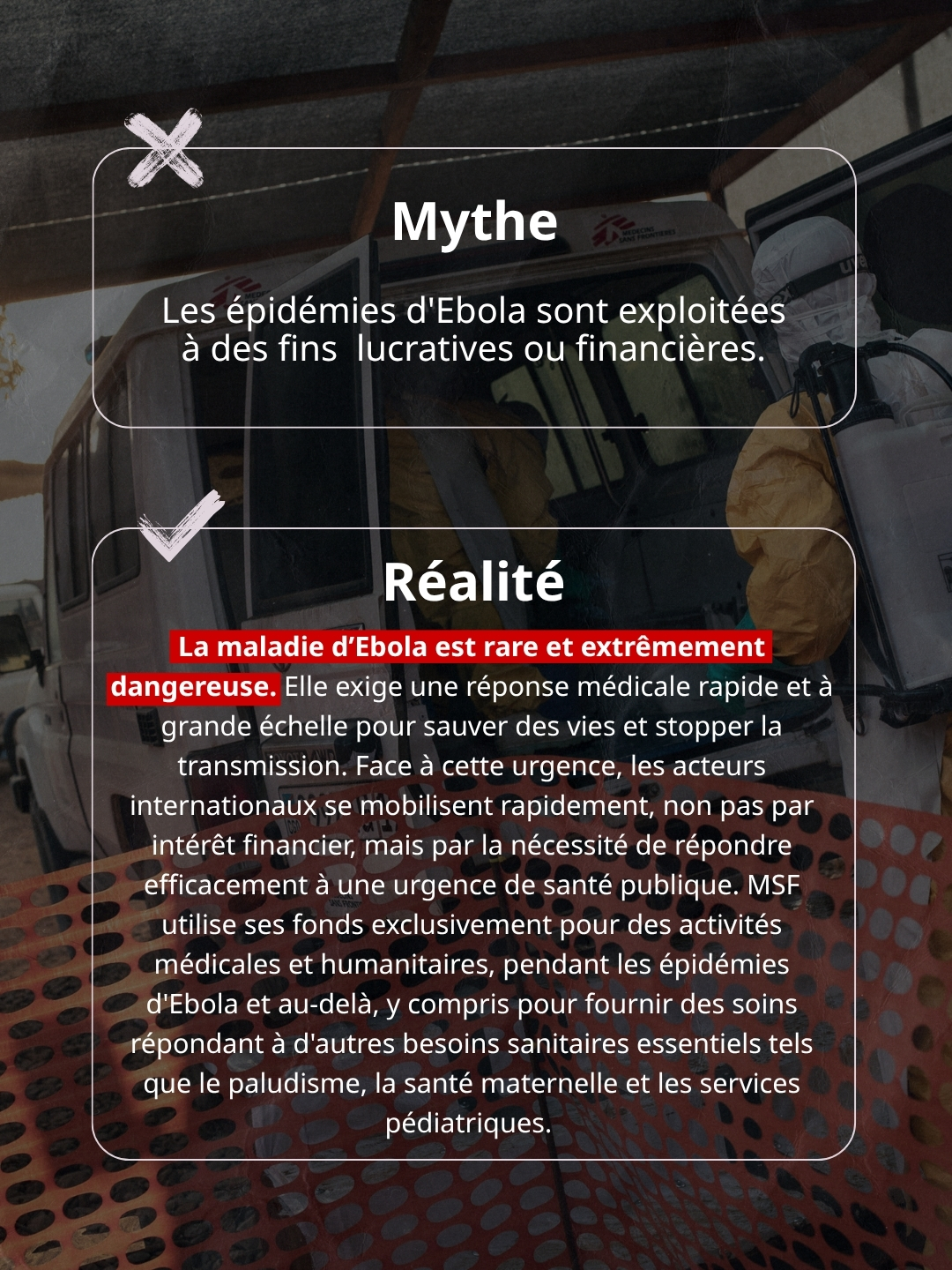
MSF has allocated a budget of €64 million to the Ebola response.
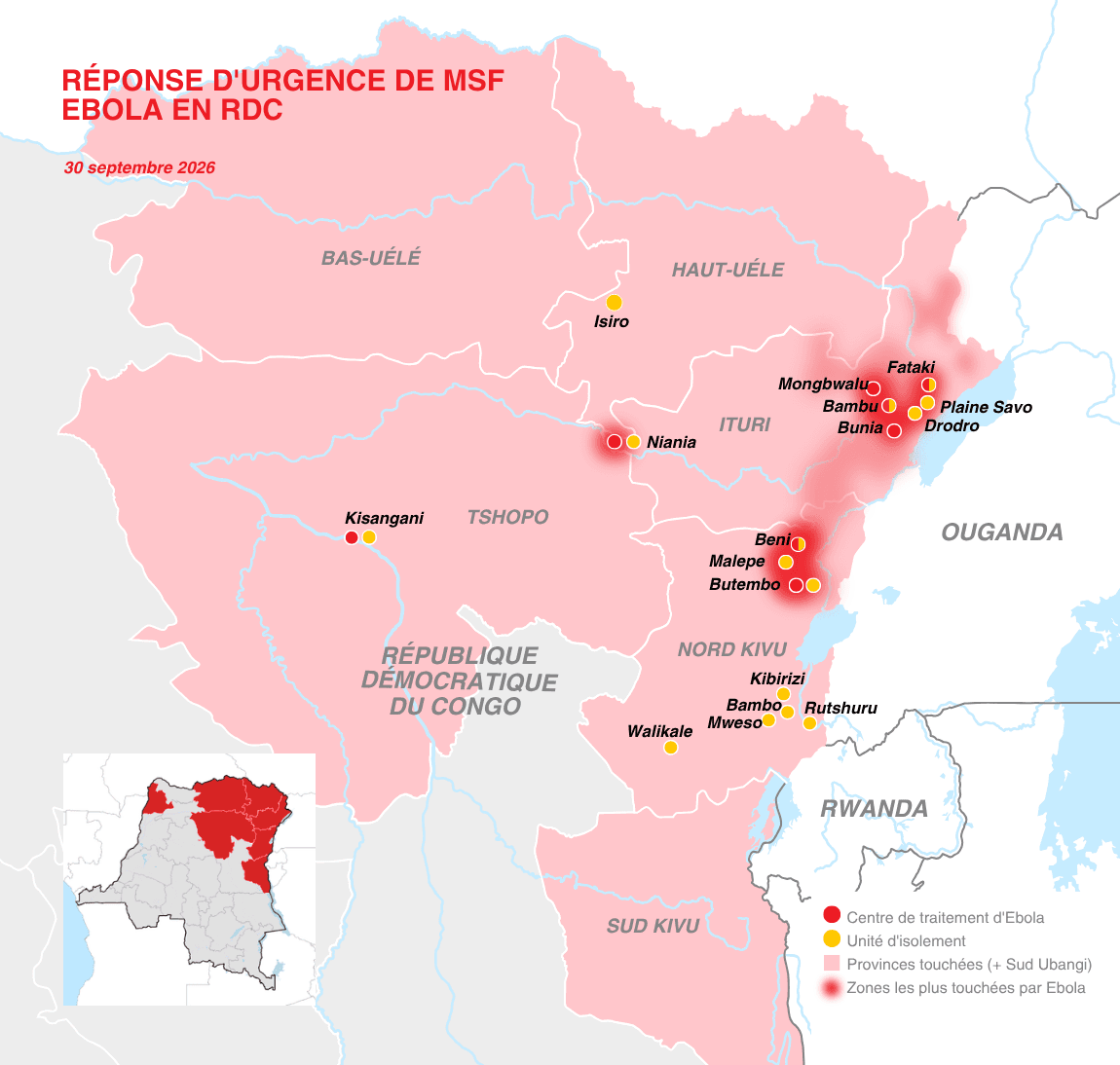
MSF is supporting the response in five of the seven affected provinces:
- Ituri: Mongbwalu, Bunia, Nia Nia, Bambu, Fataki, Drodro and Angumu
- North Kivu: Goma, Butembo, Beni, Rutshuru, Kibirizi, Mweso, Walikale
- Tshopo: Kisangani
- Haut-Uélé: Isiro
- South Ubangi
Key data since 15 May 2026 until– 27 September 2026:
- More than 2,800 MSF staff are supporting the Ebola disease outbreak response in DRC of which the vast majority are locally hired.
- 8 ETCs and numerous Isolation units, current capacity: around 300 beds.
- Patients admitted in total: more than 3,500.
- Confirmed Ebola-cases: around 1,600.
- Survivors among the confirmed Ebola-cases (cured): more than 580.
Beyond patient care and treatment, MSF is actively working across other important response pillars helping to limit transmission, strengthen local capacity, and improve access to care (non-exhaustive list):
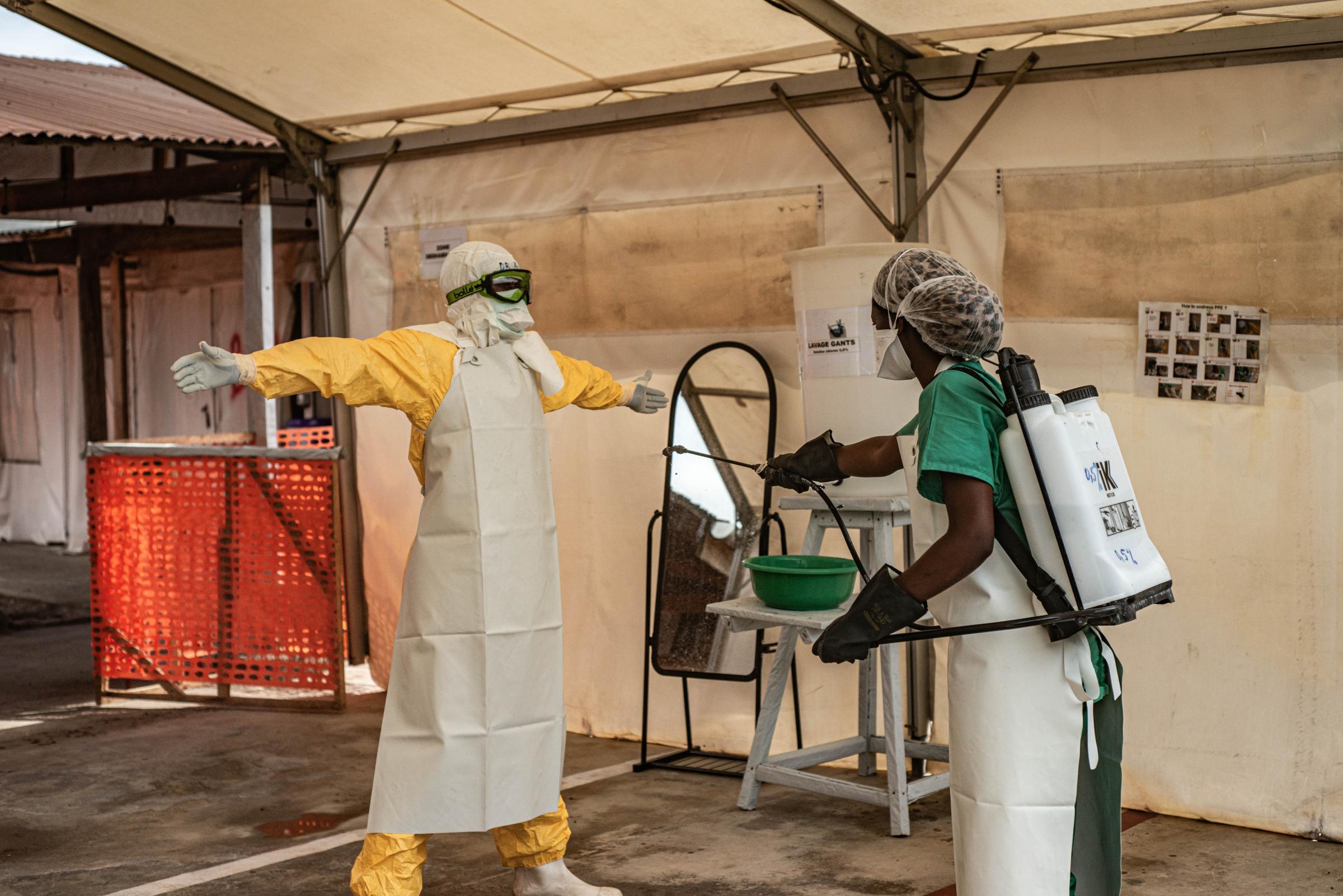
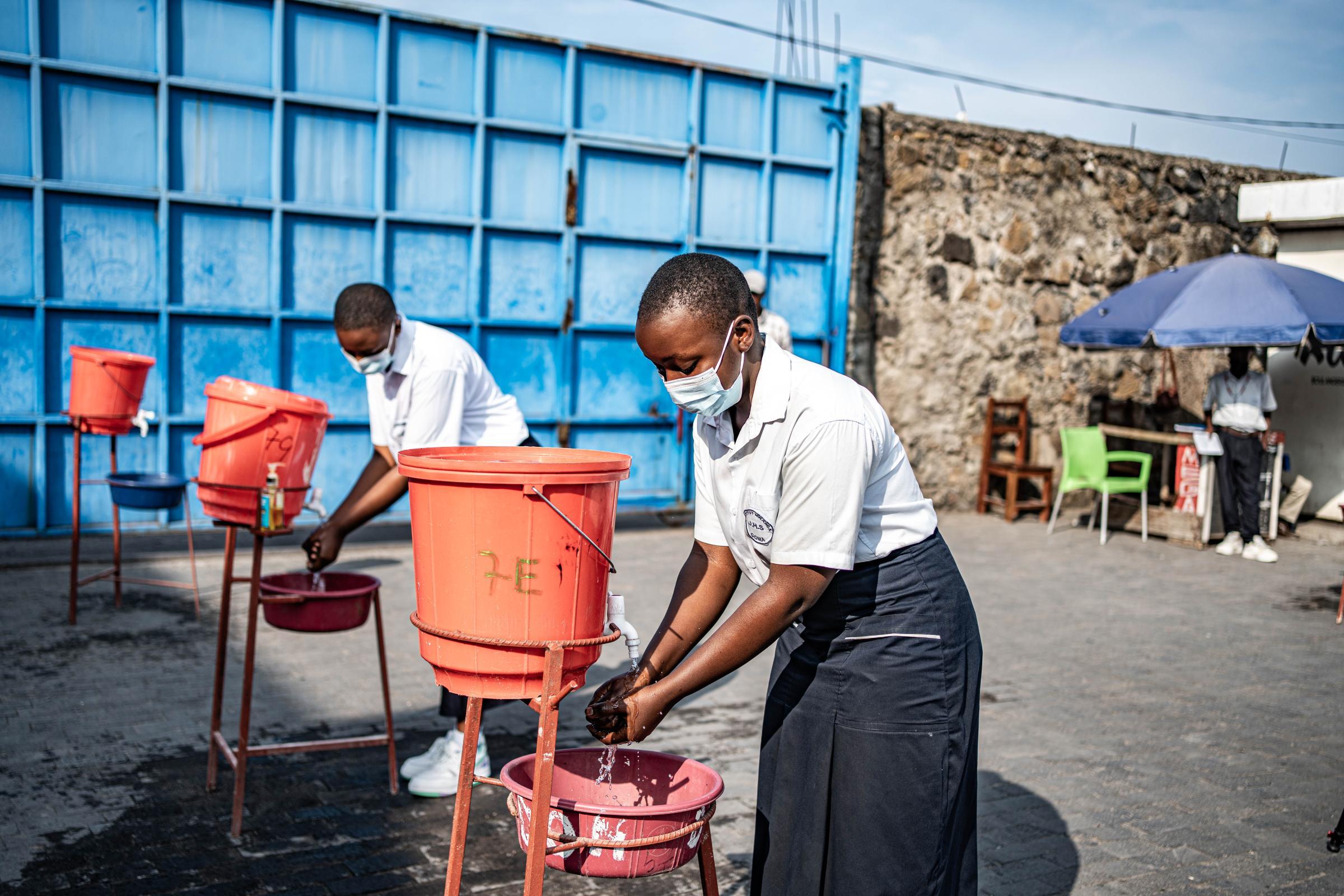
- Infection Prevention and Control (IPC): IPC measures are essential to prevent Ebola transmission, particularly in healthcare settings. These measures include the provision and correct use of personal protective equipment (PPE), the safe isolation of suspected cases, rigorous hand hygiene practices and the safe management of medical waste and sharps.
Since the start of the outbreak, MSF is supporting health facilities through IPC training and the provision of protective equipment and essential IPC materials.
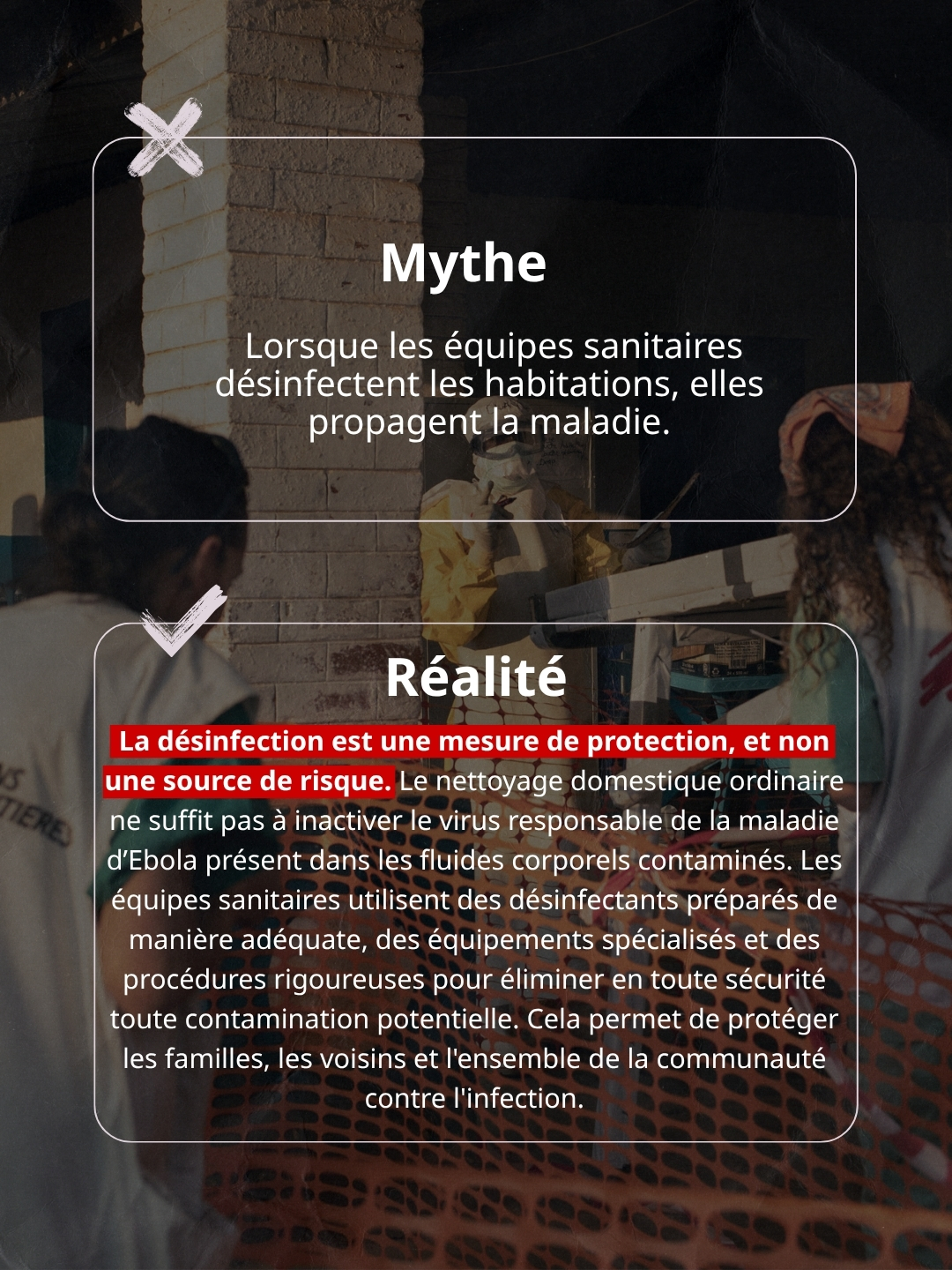
- Water Sanitation and Hygiene: WASH teams play a vital role in preventing the spread of the virus by ensuring safe water supplies and carrying out cleaning and disinfection activities in healthcare facilities, ambulances, and the homes of infected patients. They also work alongside partners involved in dignified and safe burials, helping to prepare bodies and reduce the risk of transmission.
Inside an ETC, an average of 300 litres of water is needed, per patient, per day, mostly for laundry, cleaning and disinfection. In Plaine Savo displaced camp, around 500 latrines are under construction, and 13 water trucks are daily distributed 4/5 litres drinkable water to the 78 000 IDPs.
- Community engagement: Communities play a crucial role in ending Ebola disease outbreaks. MSF works closely with community leaders, local organisations, and affected populations to ensure that accurate information about the disease is shared, concerns are addressed, and people know when and how to seek care. This also builds trust in the response.
Since the start of the outbreak, MSF teams have carried out regular community engagement activities to foster trust and maintain dialogue with affected communities. For example, at Elikiya ETC, community leaders are invited each week to visit the facility, ask questions, and engage directly with MSF teams.
- Disease surveillance: Rapid identification of cases is critical to stopping the spread of Ebola. MSF supports disease surveillance efforts through contact tracing, case investigation, alert management, and strengthening lab capacity.
- The MSF on-site laboratory at Elikiya ETC processes an average of 40 samples each day, delivering results in as little as one hour. Before the laboratory was established, obtaining results could take two to three days.
- The MSF on-site laboratory at Elikiya ETC processes an average of 40 samples each day, delivering results in as little as one hour. Before the laboratory was established, obtaining results could take two to three days.
Map of our operations
As of September 30, 2026
An unprecedented situation
The epidemic is a crisis within a crisis as it is unfolding in regions already affected by decades of conflict, displacement, violence and an extremely weak health system, with millions of people in need of humanitarian assistance.
In Ituri, the original epicentre, the situation is slowing down for now. But nationally, the number of new cases has not fallen. The outbreak is not shrinking, it is moving.
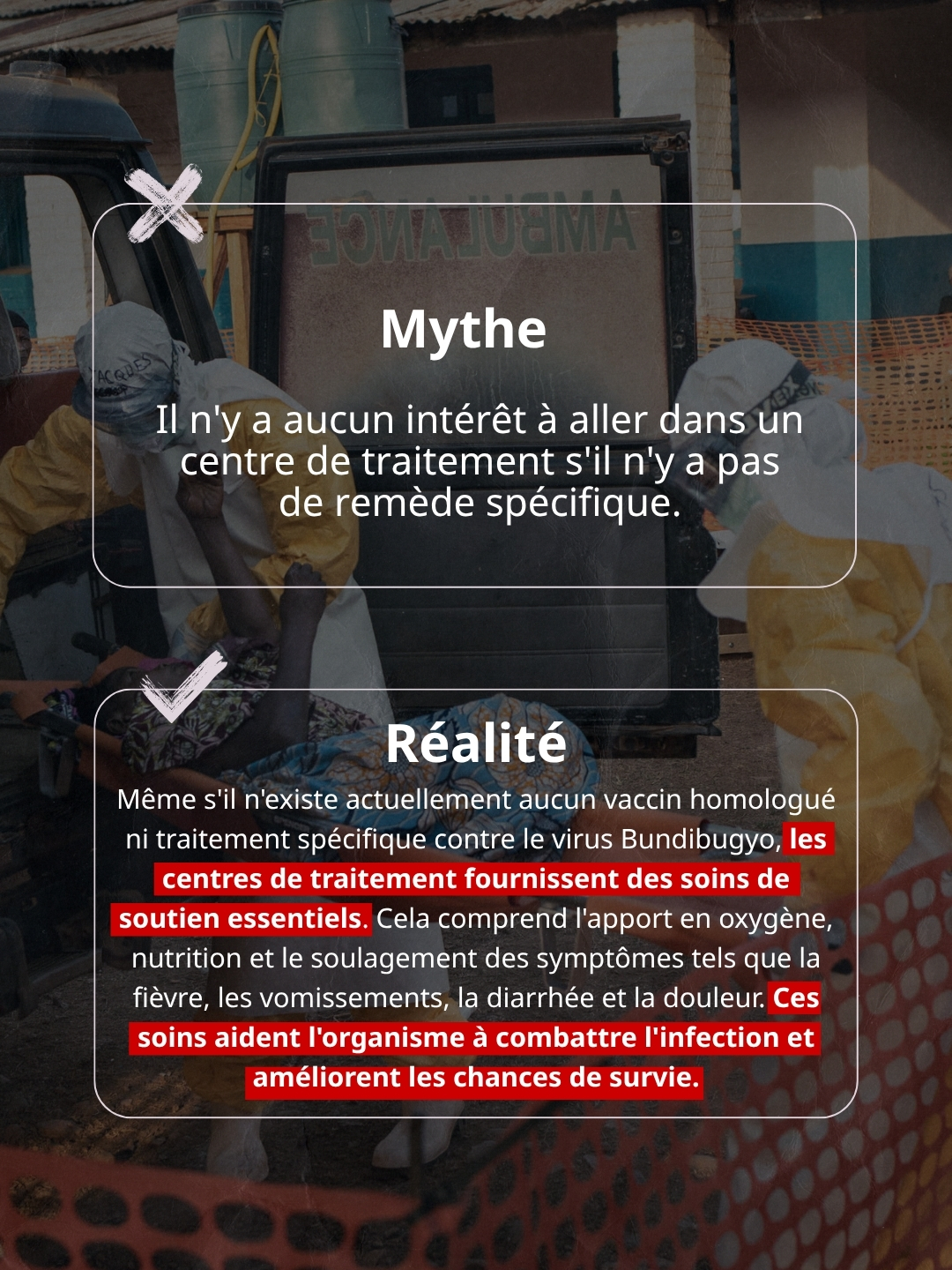
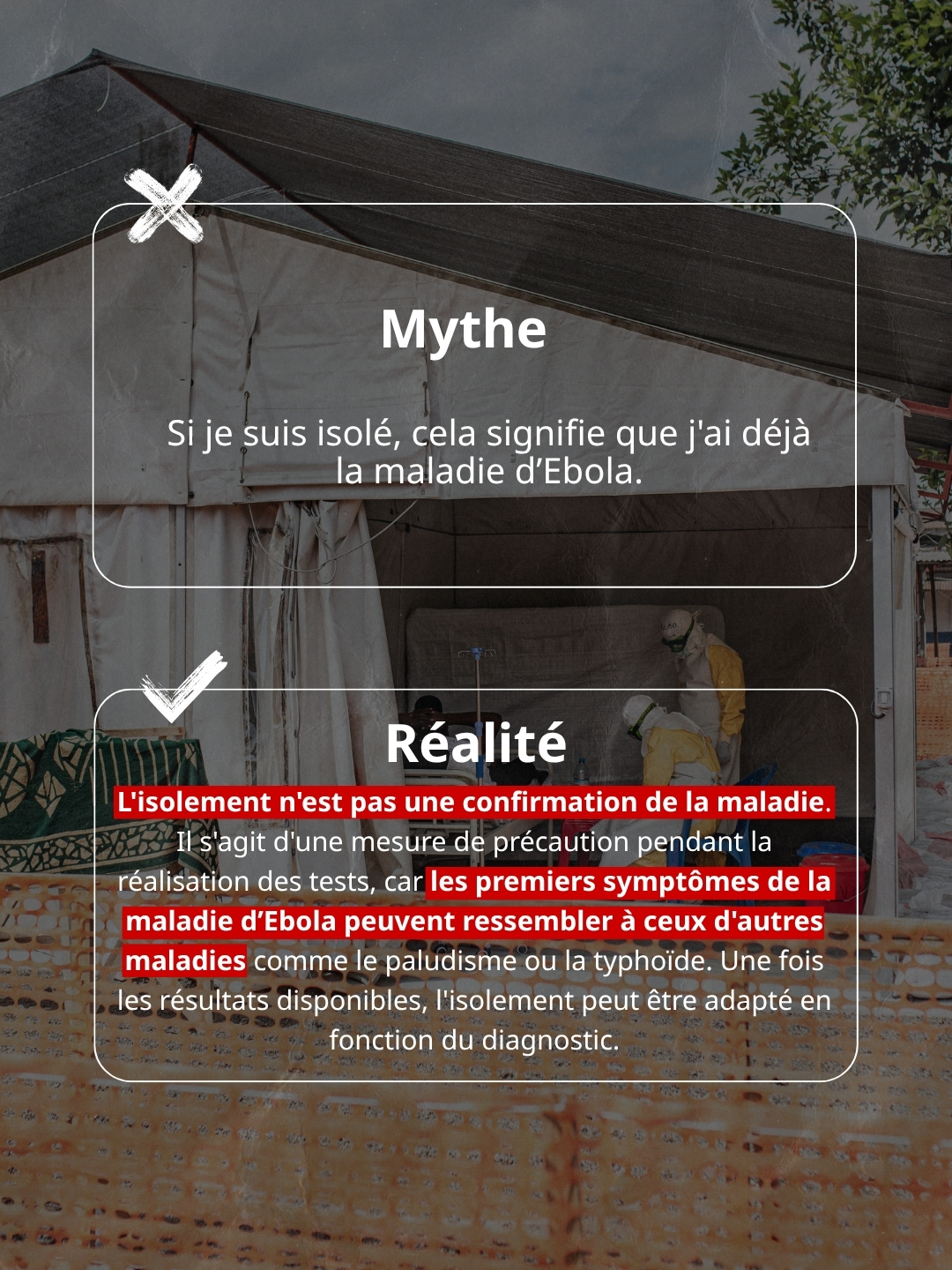
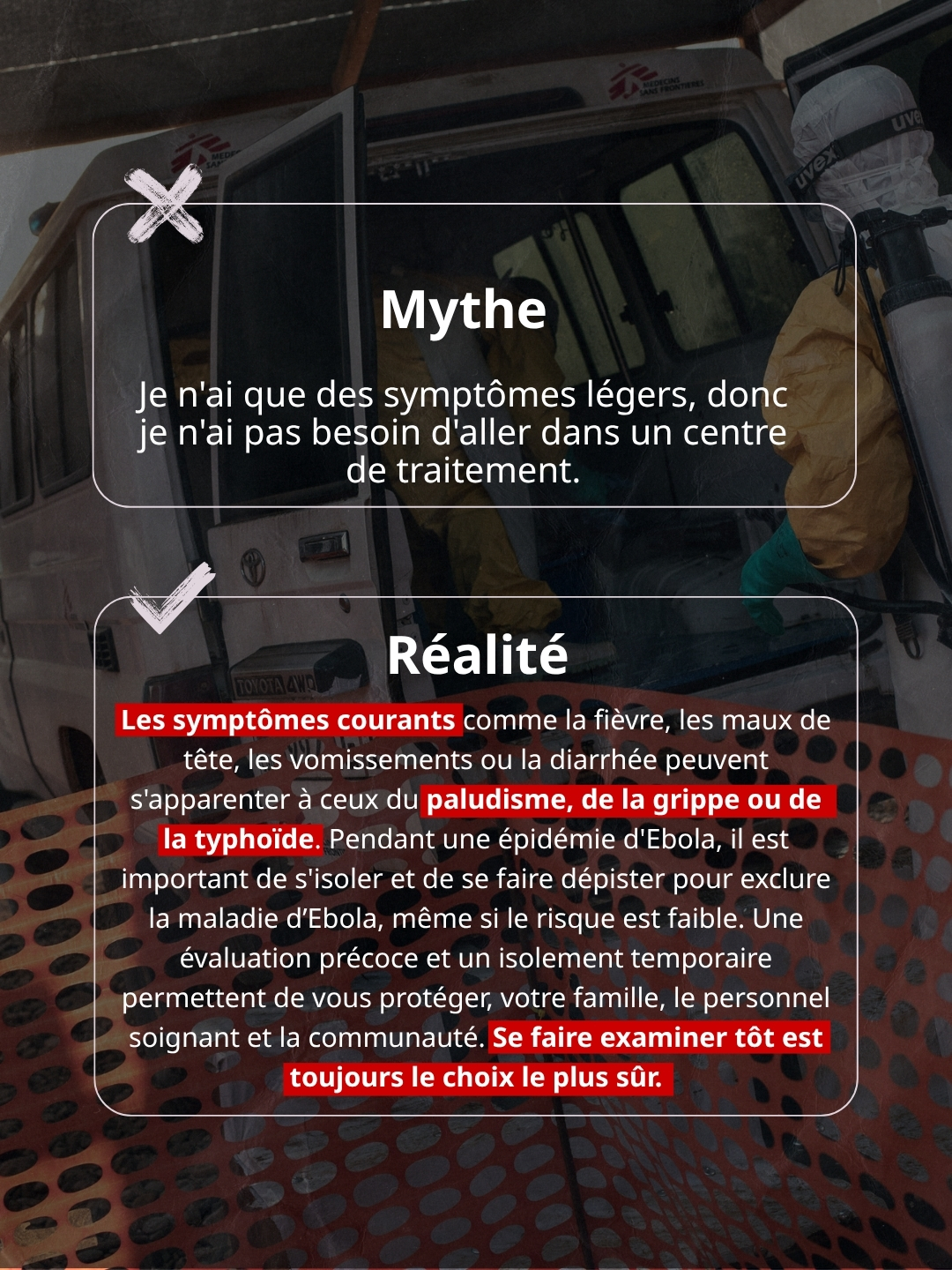
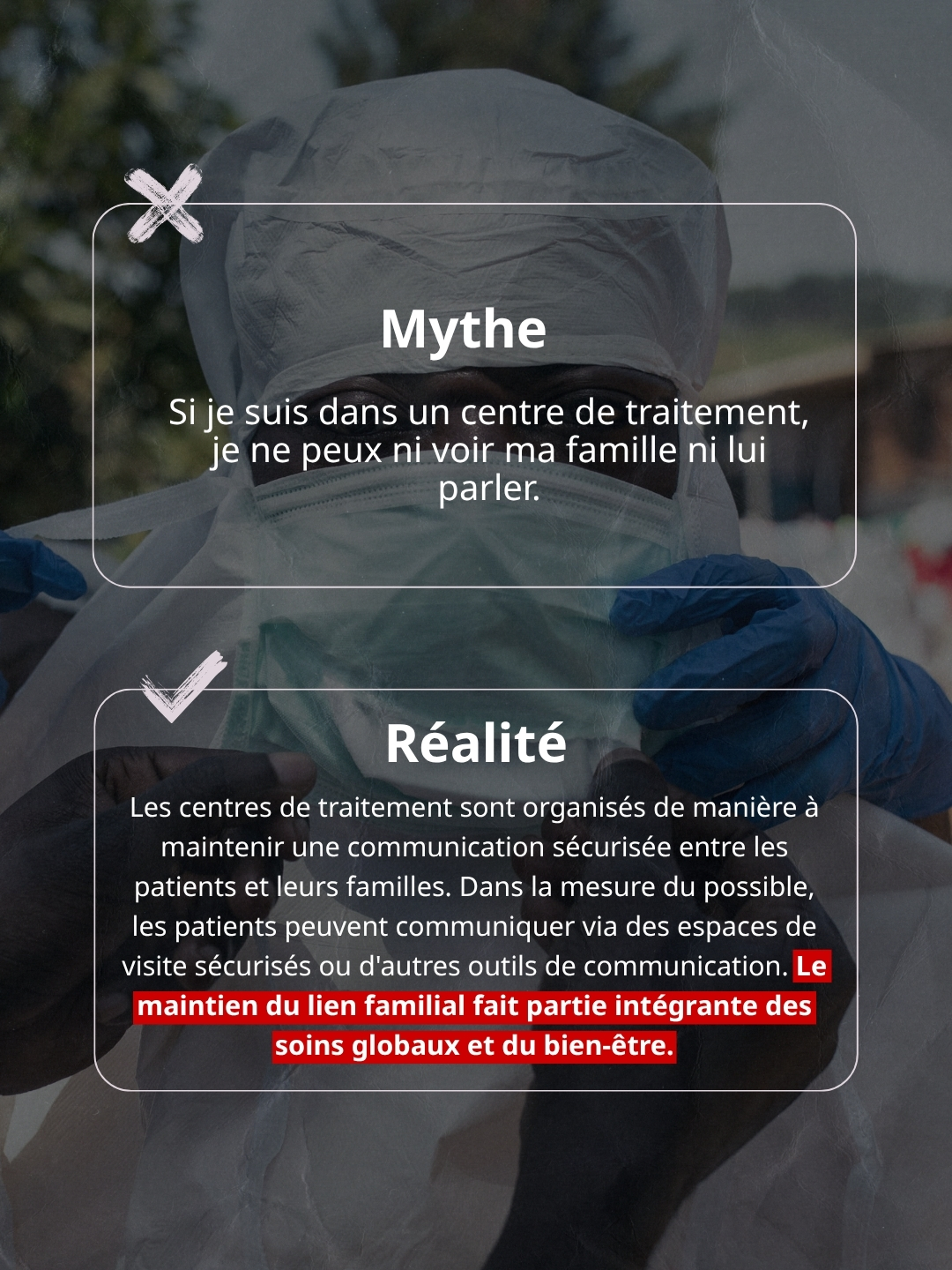
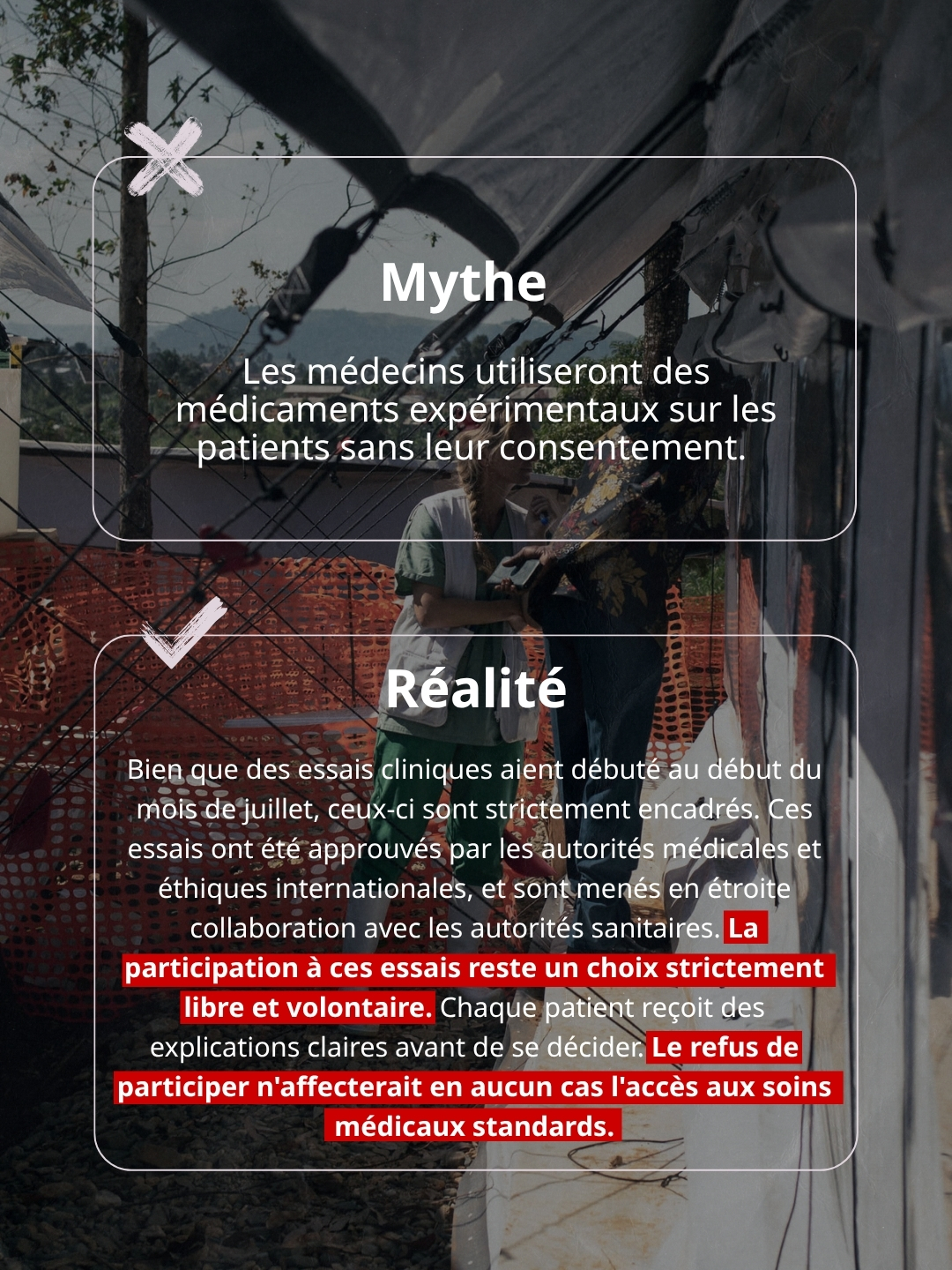
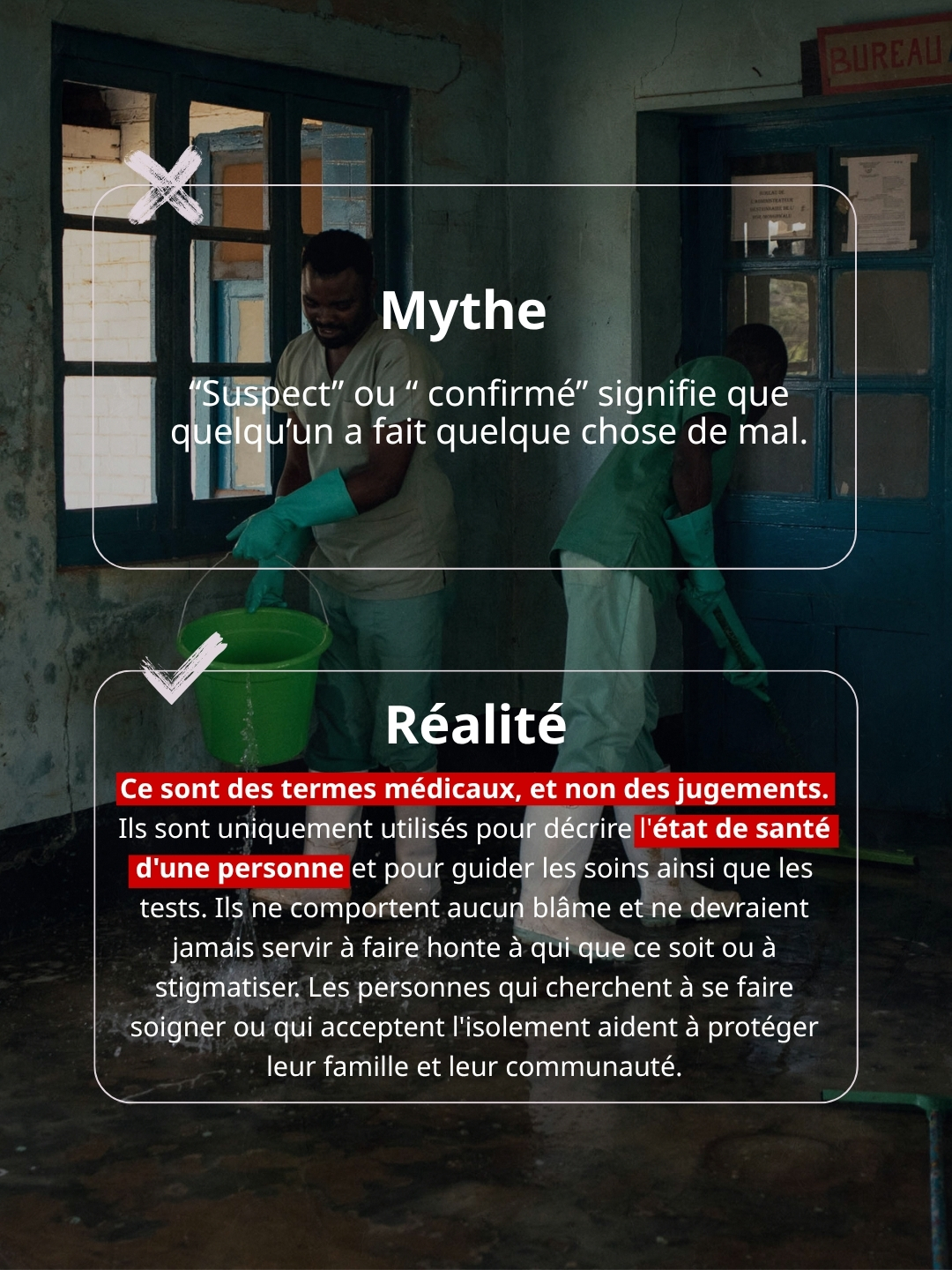
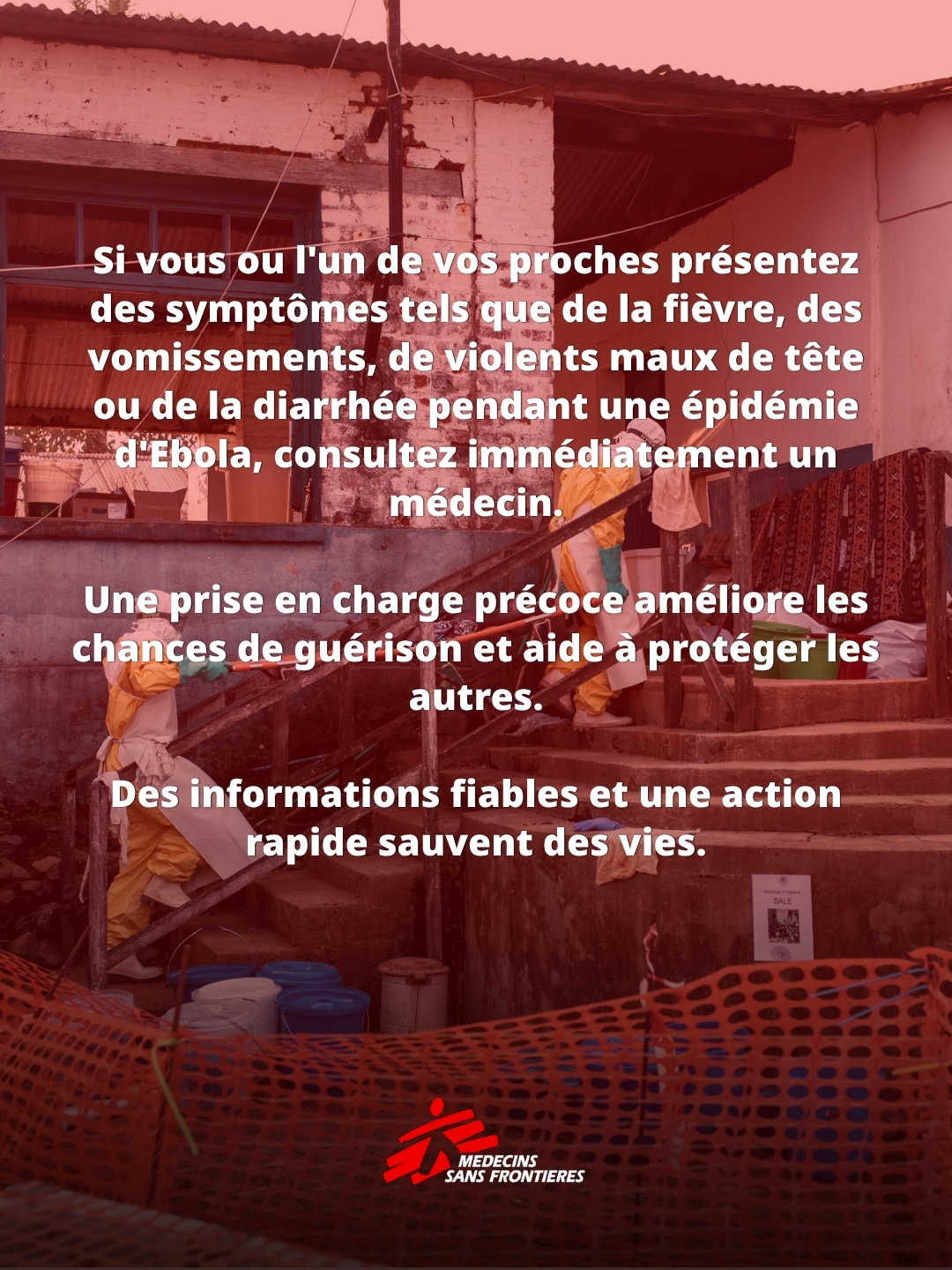
Myths and realities about Ebola disease:
MSF Regular Activities in DRC:
MSF has been working in DRC since 1977. In 2025, MSF ran 17 regular projects and responded to 53 emergencies, with a total budget of €131 million. MSF provides a wide range of medical services, including primary healthcare, surgery, paediatric and maternal care, and treatment for survivors of sexual violence. Preventing and responding to infectious diseases and epidemics also remains a major focus, alongside care for HIV and malaria, and improving access to healthcare for people living with disabilities.
A key priority for MSF is addressing both the direct and indirect consequences of violence on civilians, particularly in eastern DRC, through medical care, water and sanitation services in displacement sites, and distribution of essential relief items. MSF teams also respond to emergencies linked to natural disasters.
Pour aller plus loin :