
Somalia: One in two children is malnourished in Baidoa
In 1 click, help us spread this information :
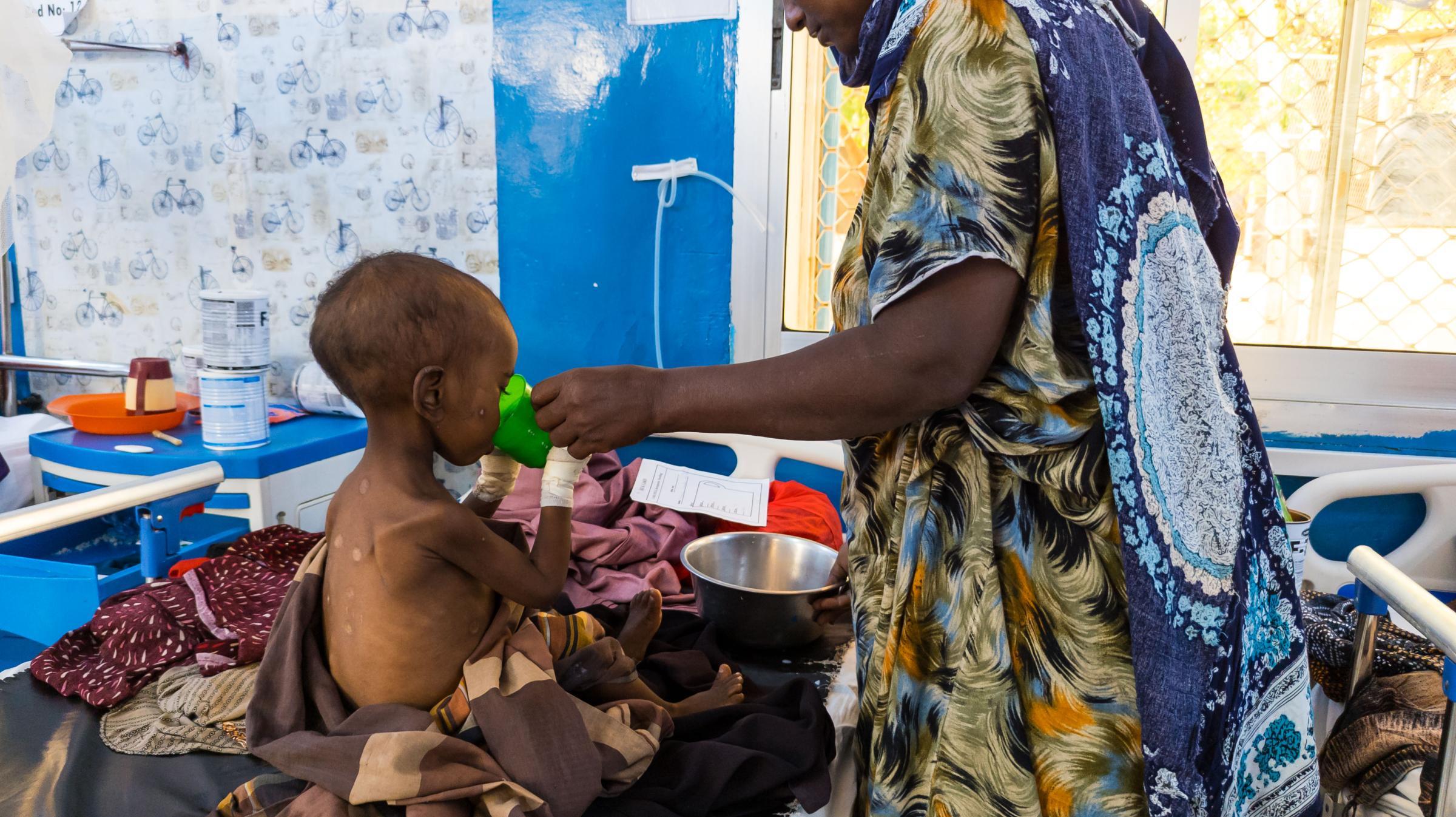
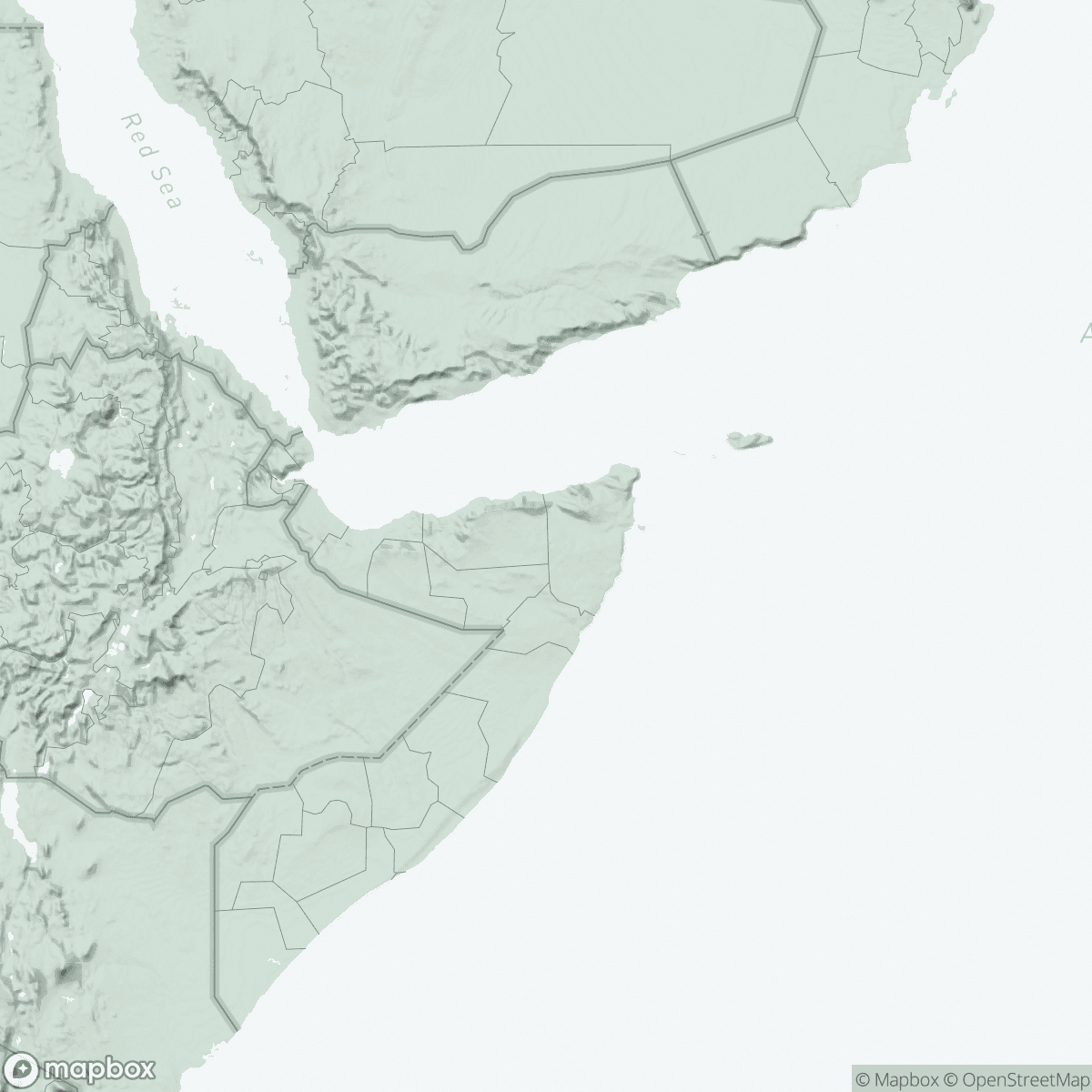
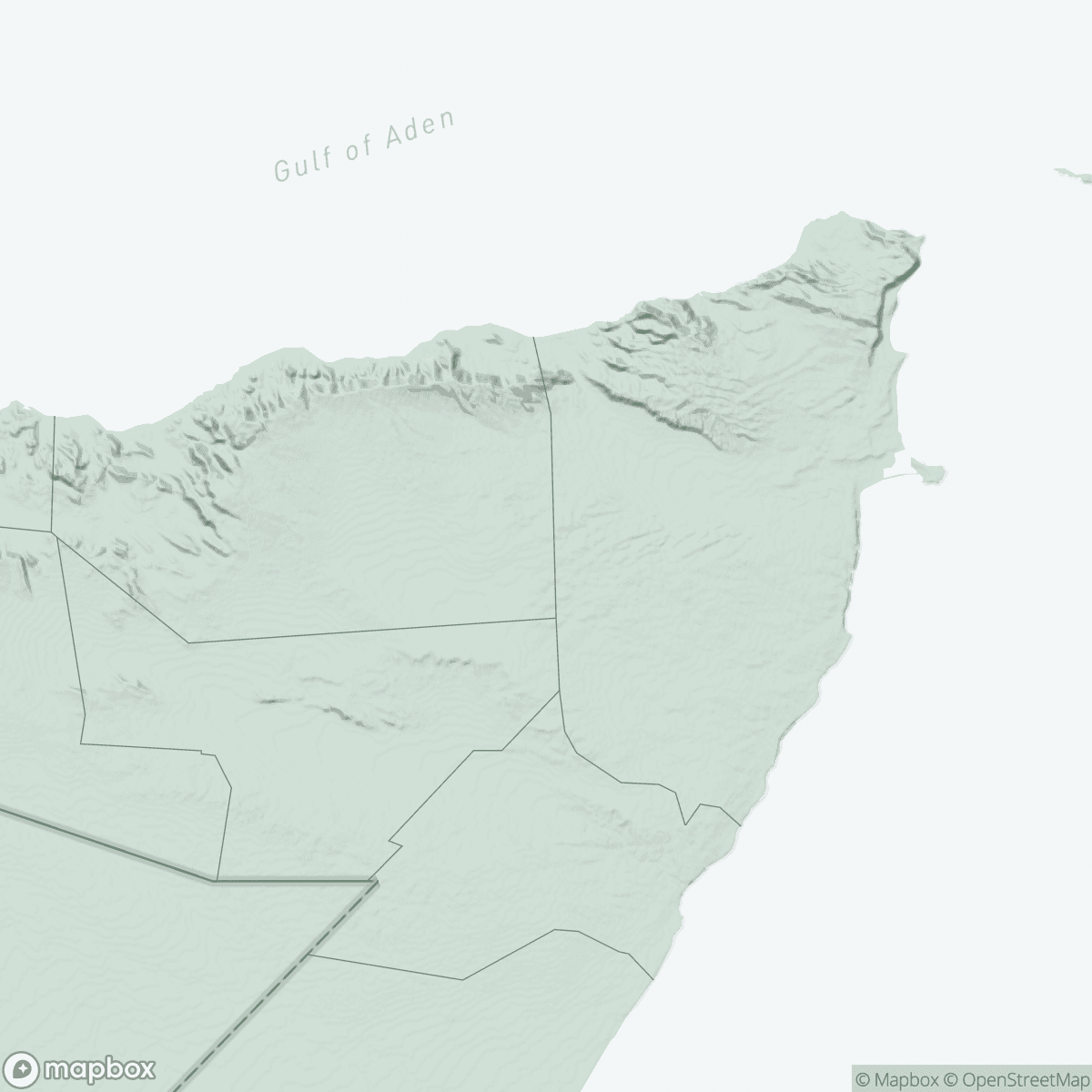
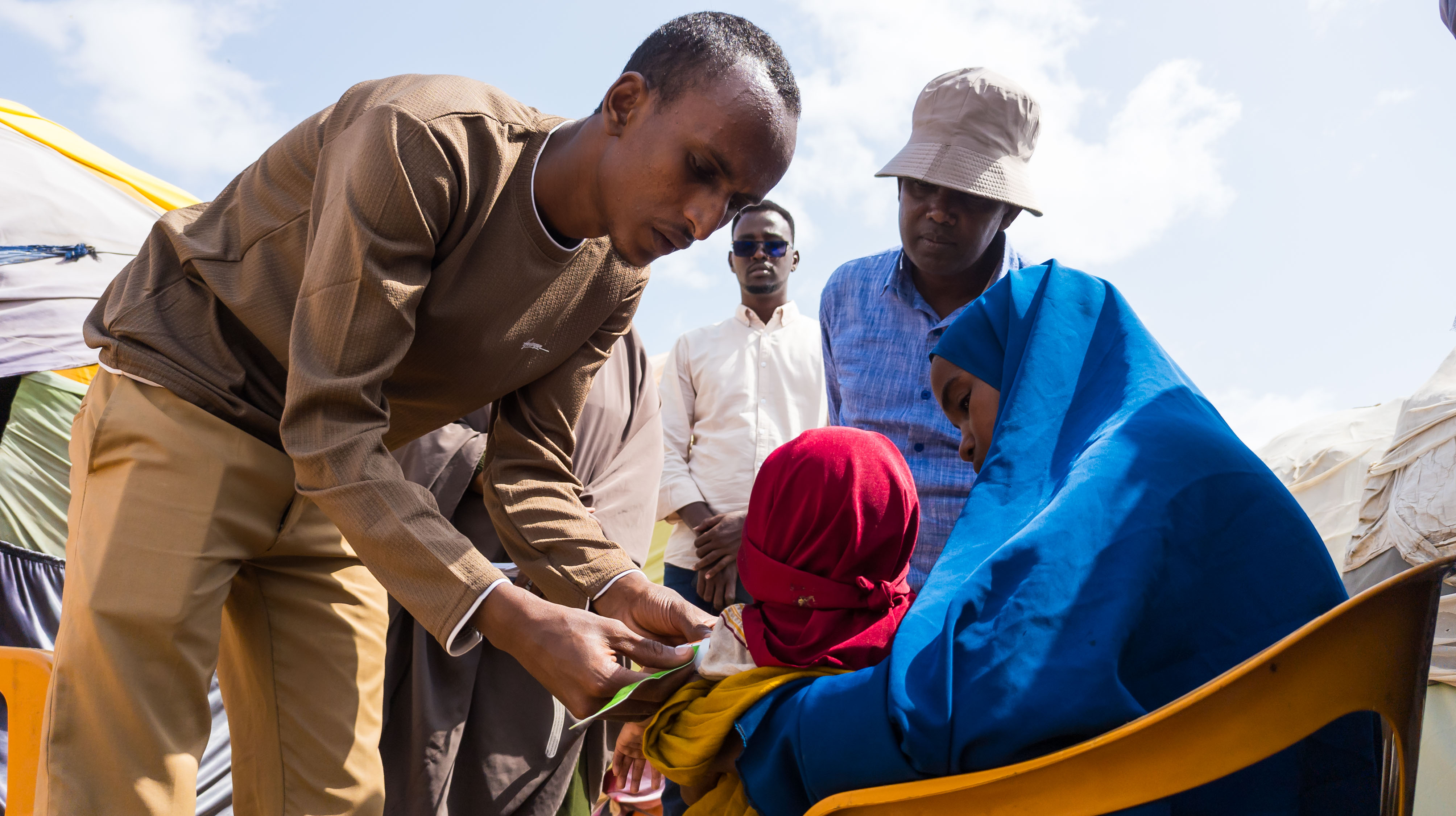
One in every two children screened in displacement sites in Baidoa, Southwest Somalia, is acutely malnourished and one in every four is severely malnourished. These shocking statistics are the findings of a malnutrition survey carried out in July by Médecins Sans Frontières (MSF).
“Behind every statistic is a child,” says Allara Ali, MSF's project coordinator in Somalia.
What we are seeing is shocking and far beyond the threshold of an extremely critical emergency. What is equally shocking is the lack of urgency from donors who continue to downscale and withdraw support from Somalia.
While other actors are attempting to respond, their capacity is limited by funding constraints."
The results are consistent with MSF’s regular malnutrition surveillance in Baidoa, where teams have screened more than 21,000 children under five since the beginning of the year and found global acute malnutrition levels of around 50 per cent.
The survey, conducted across 888 households in 14 displacement sites in Baidoa, also found that one-third of families are surviving on just one meal a day, while only two per cent can afford three meals a day.
MSF is urgently calling on the donor community, international organisations and health authorities to ensure a well-coordinated, adequately funded and effective emergency response without delay in Baidoa and other affected areas of Somalia.
The world cannot wait for a famine declaration before acting,” says Ali. “Action is needed now to prevent loss of lives.”
Consecutive failed rains and worsening drought have affected hundreds of thousands of people across Somalia, depriving families of food, water, crops and livestock. According to the UN, in the first three months of 2026, more than half a million people were displaced in Somalia, with nine out of 10 displacements driven by drought. Alarmingly, 85 per cent of those displaced are women and children, who are also among the most severely affected by malnutrition.
Since the beginning of the year, more than 21,000 children have been admitted to MSF-supported outpatient malnutrition facilities in Baidoa — more than double the number recorded during the same period last year. Over the same period, 2,890 children have been admitted for inpatient care, an increase of 78 per cent compared with the same period in 2025. Figures in 2025 were already higher than the year before. A similar trend is being seen in Mudug, where admissions to MSF-supported inpatient facilities increased by 70 per cent in June and July.
It is rare that we are able to get two meals a day. There is no organisation helping us. An organisation gave us some cash assistance, but that was three years ago,” says Nuriyo, mother of a child being treated for severe acute malnutrition in Baidoa.
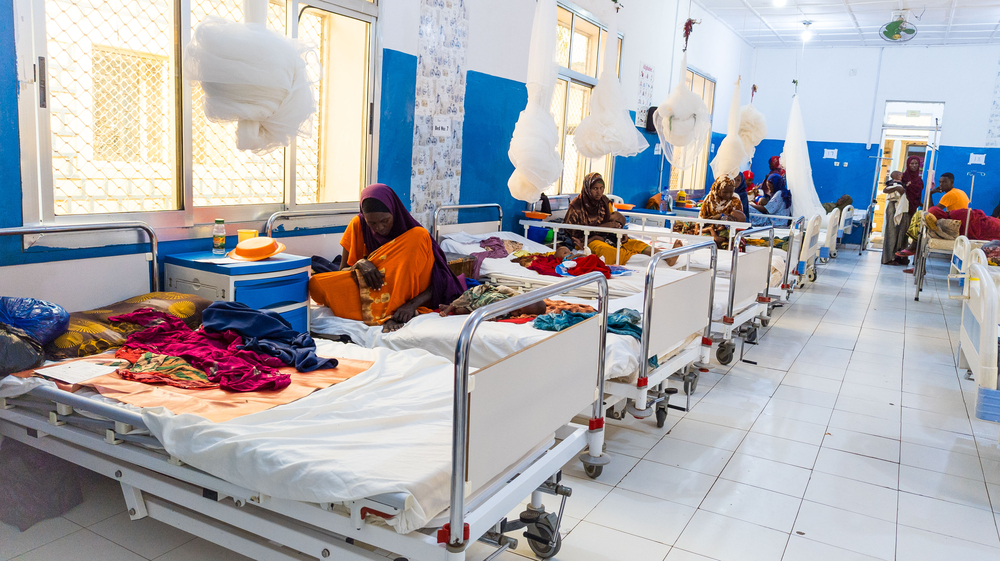
Measles and diphtheria are spreading in a context where vaccination campaigns are not reaching everyone effectively. Since the beginning of the year, MSF has treated around 2,500 measles cases in Baidoa, compared with about 1,700 cases during all of 2025. Pregnant and lactating women are also severely affected. In the past two months alone, MSF has admitted more than 2,600 pregnant and breastfeeding women for malnutrition support. When mothers are malnourished, the risks extend to their babies — before birth, during delivery and in the first months of life.
To respond to the surge in patients, MSF has expanded one medical facility from 50 to 150 beds. MSF teams have also distributed relief items to displaced families and are trucking safe water to displaced communities in Mudug and Baidoa. But medical care and emergency assistance alone cannot meet the scale of this crisis.
“A hospital bed can save a child today. But it cannot protect that child if they return to a shelter with no food, no clean water and no basic services. Without comprehensive support, including social protection, the cycle of relapse and readmission will continue,” says Ali.
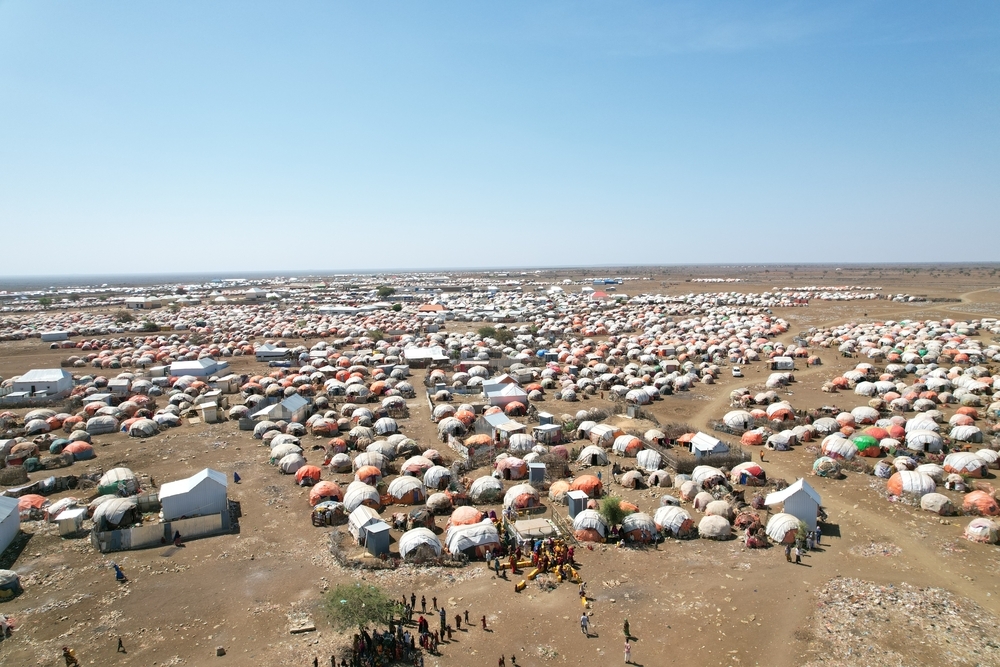
Despite the level of suffering, Somalia is being deprioritised by major donors, including the United Kingdom and the United States. Somalia’s humanitarian response plan has been reduced by 40 per cent in 2026 and was still less than one-third funded by July. Funding cuts are weakening already fragile health services and forcing the health system to absorb a crisis far beyond its capacity.
The malnutrition and health crisis in Southwest Somalia is becoming a clear example of dangerous indifference and a failure of responsibility, as Somalia is pushed further down the global agenda. The scale of this crisis should be a wake-up call for the international community,” says Ali.
MSF is calling for an urgent scale-up of inpatient treatment for severe acute malnutrition, particularly for children with medical complications. This must include increased bed capacity and additional medical staff as well as uninterrupted supplies of therapeutic food, medicines and medical equipment. The emergency medical organisation also urges urgent vaccination campaigns to reach missed and hard-to-reach communities, with stronger coverage and more effective delivery.