
Somalia: MSF calls for treatment for malnutrition to be restored across Mudug as children reach hospital too late
In 1 click, help us spread this information :
Alors que les services de santé et de nutrition ferment dans la région de Mudug, au centre de la Somalie, et que des enfants arrivent à l'hôpital dans un état critique après l'échec des traitements reçus près de chez eux, Médecins Sans Frontières (MSF) appelle les bailleurs, les agences des Nations Unies et les autorités sanitaires à rétablir et à étendre les traitements nutritionnels au niveau des soins de santé primaires dans toute la région.
As healthcare and nutrition services close across Mudug region in central Somalia, and children arrive at hospital in critical condition after treatment closer to home has failed them, Médecins Sans Frontières (MSF) is calling on donors, UN agencies and health authorities to restore and scale up nutrition treatment at primary healthcare level across the region.
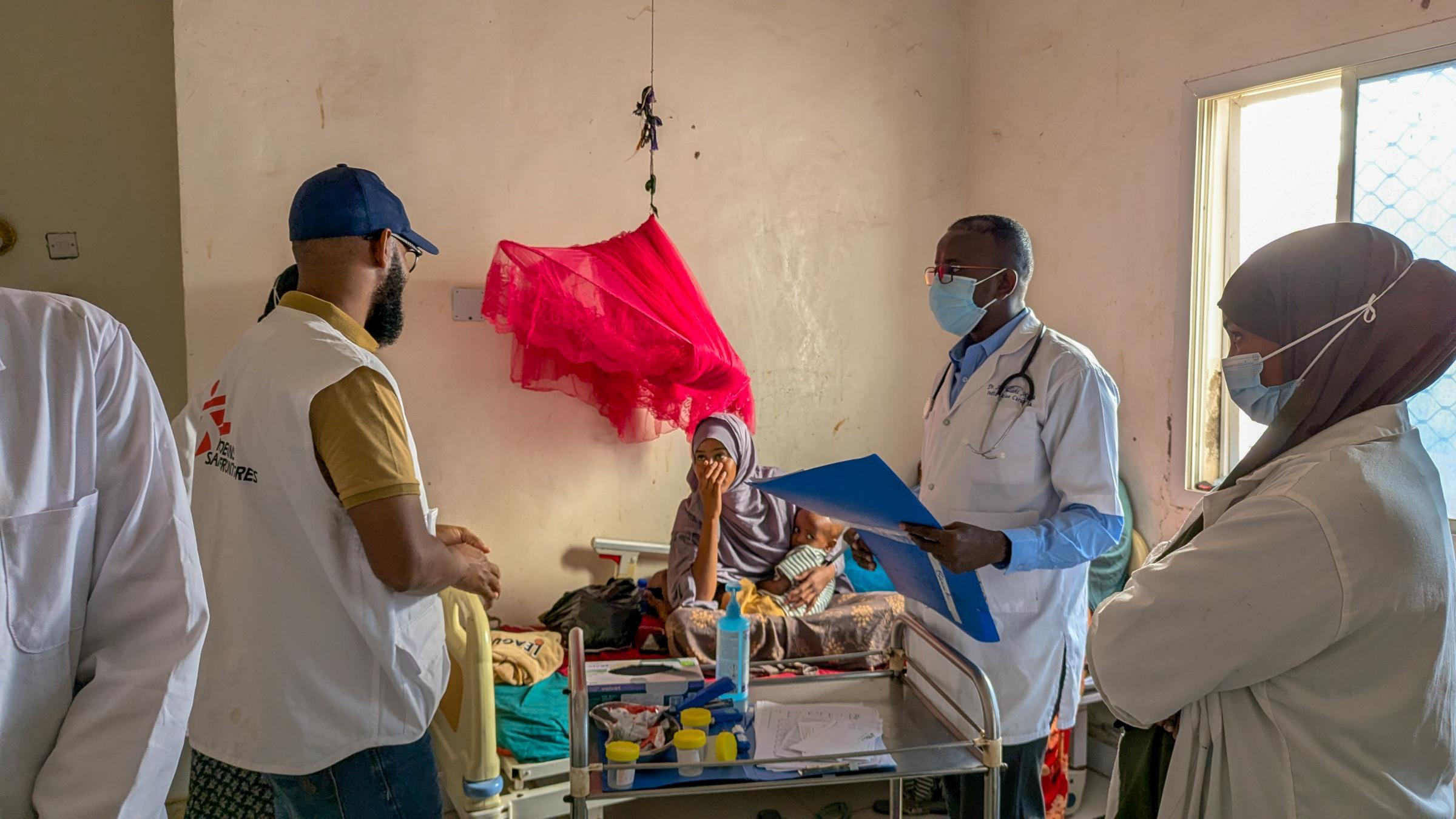
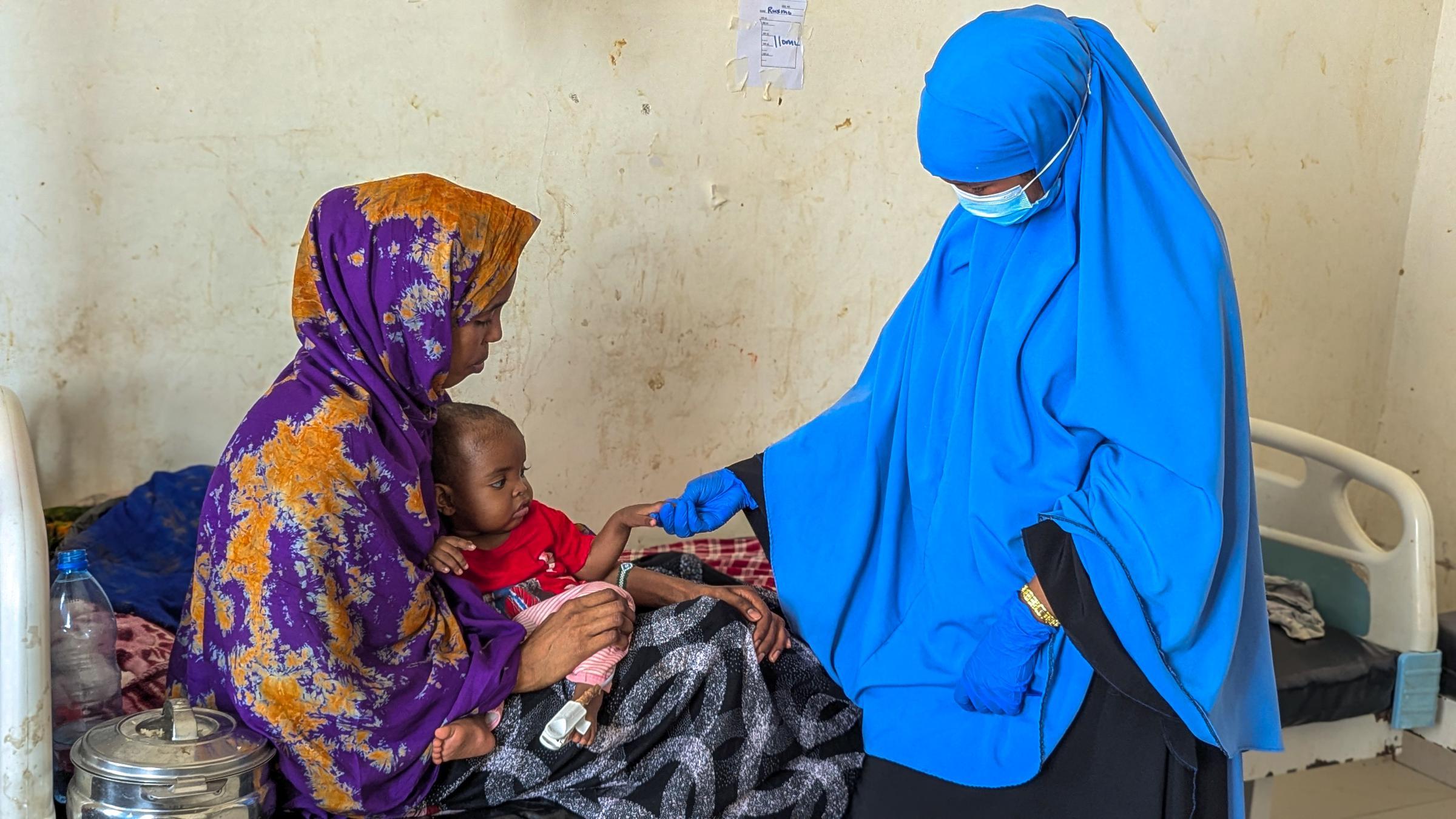
The inpatient malnutrition ward MSF supports at Mudug Regional Hospital in Galkayo has 28 beds. Since early April 2026 it has been running beyond that capacity. Due to the overwhelming need for care, the team has continued to admit children despite the ward being full, and at its peak in late May almost twice that number of children were being treated in it. Between January and July, MSF admitted 1,389 children for inpatient treatment of acute malnutrition and medical complications, 809 of them severely malnourished. Between May and July, 1,322 children were admitted to outpatient malnutrition treatment, compared with 788 over the same three months in 2025—an increase of nearly 60 per cent.
The caregivers of most of these children have already sought care somewhere else first. Of eleven children newly admitted over one week in June, ten had already attended a health facility closer to home. Their caregivers brought them to the MSF-supported hospital because there was no medication or therapeutic milk, or because their child was not getting better.
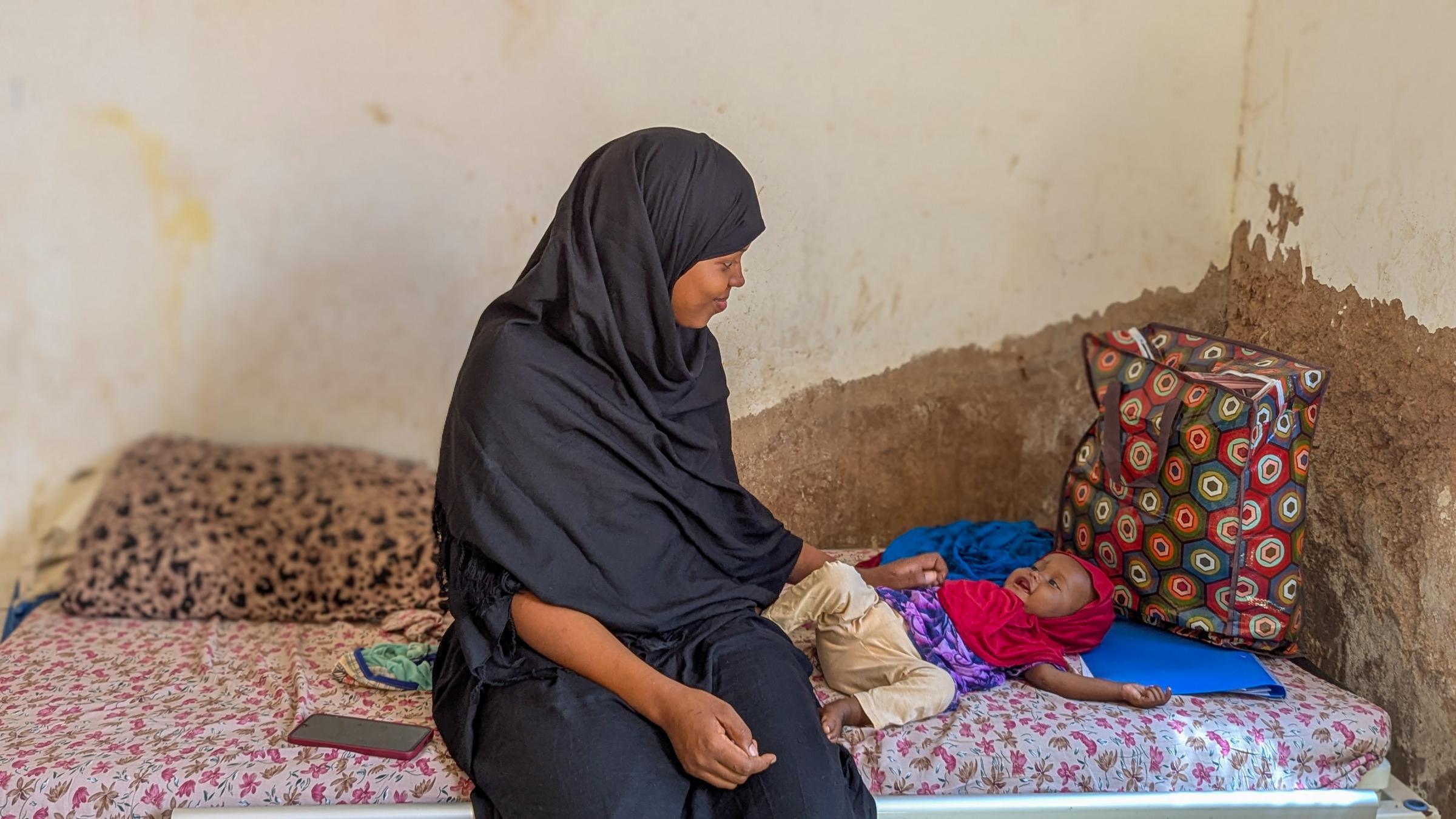
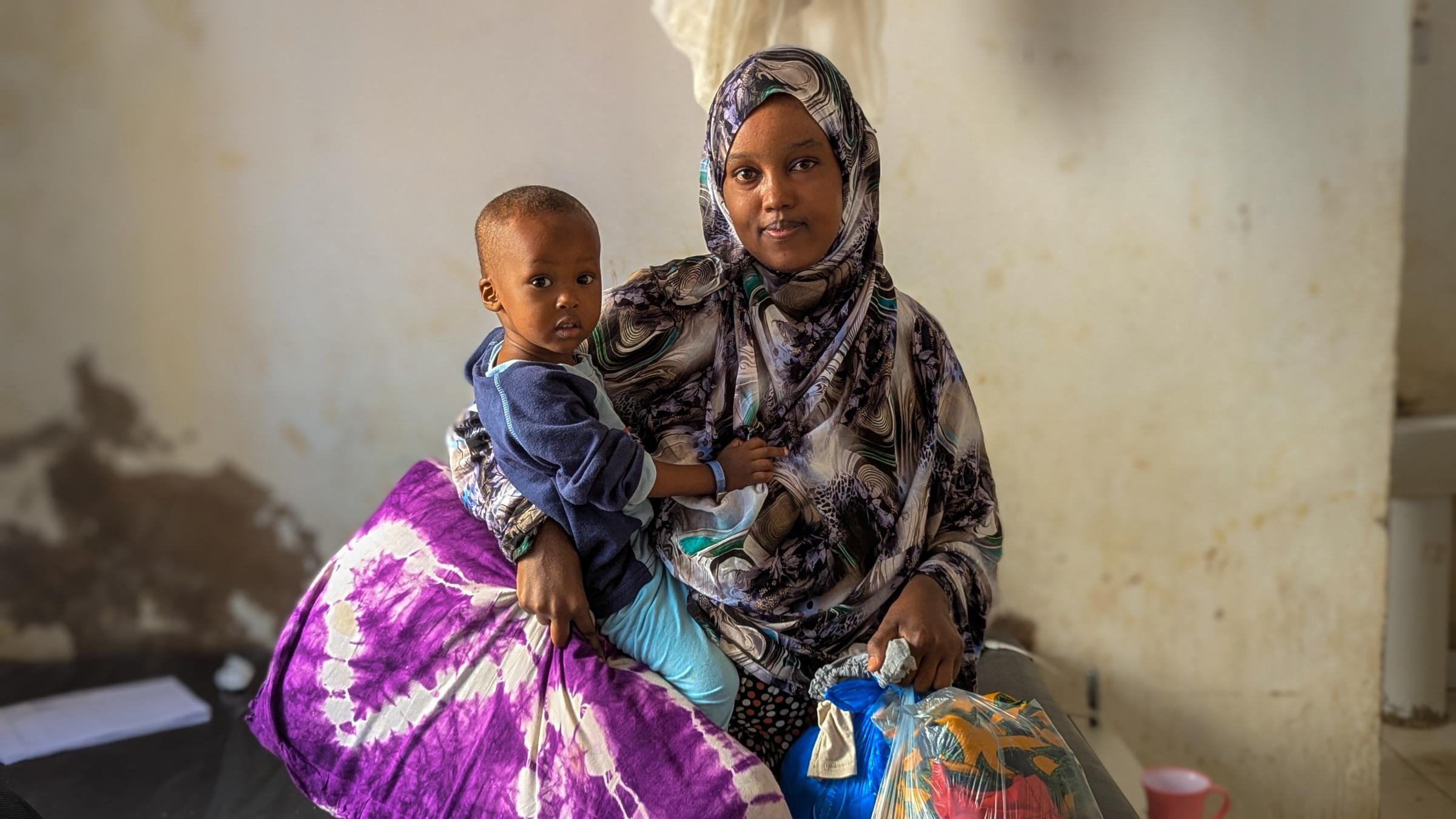
Sabrin Ahmed travelled 12 hours by car from Abudwak, around 270 kilometres away, after a doctor in a local hospital there told her he could not treat her 11-month-old, and after she learned that the therapeutic milk the child needed was out of stock in the town.
By the time these children reach us, they are not only malnourished. They have pneumonia, or measles, or diphtheria on top of it, which is much harder to treat and increases the risk of death, " says Emmanuel Omale, MSF project coordinator in Somalia.
"They are not arriving late because their families waited. They are arriving late because there was nothing left closer to home. An inpatient ward is the last step in a chain. It cannot replace the rest of it, and it is already full."
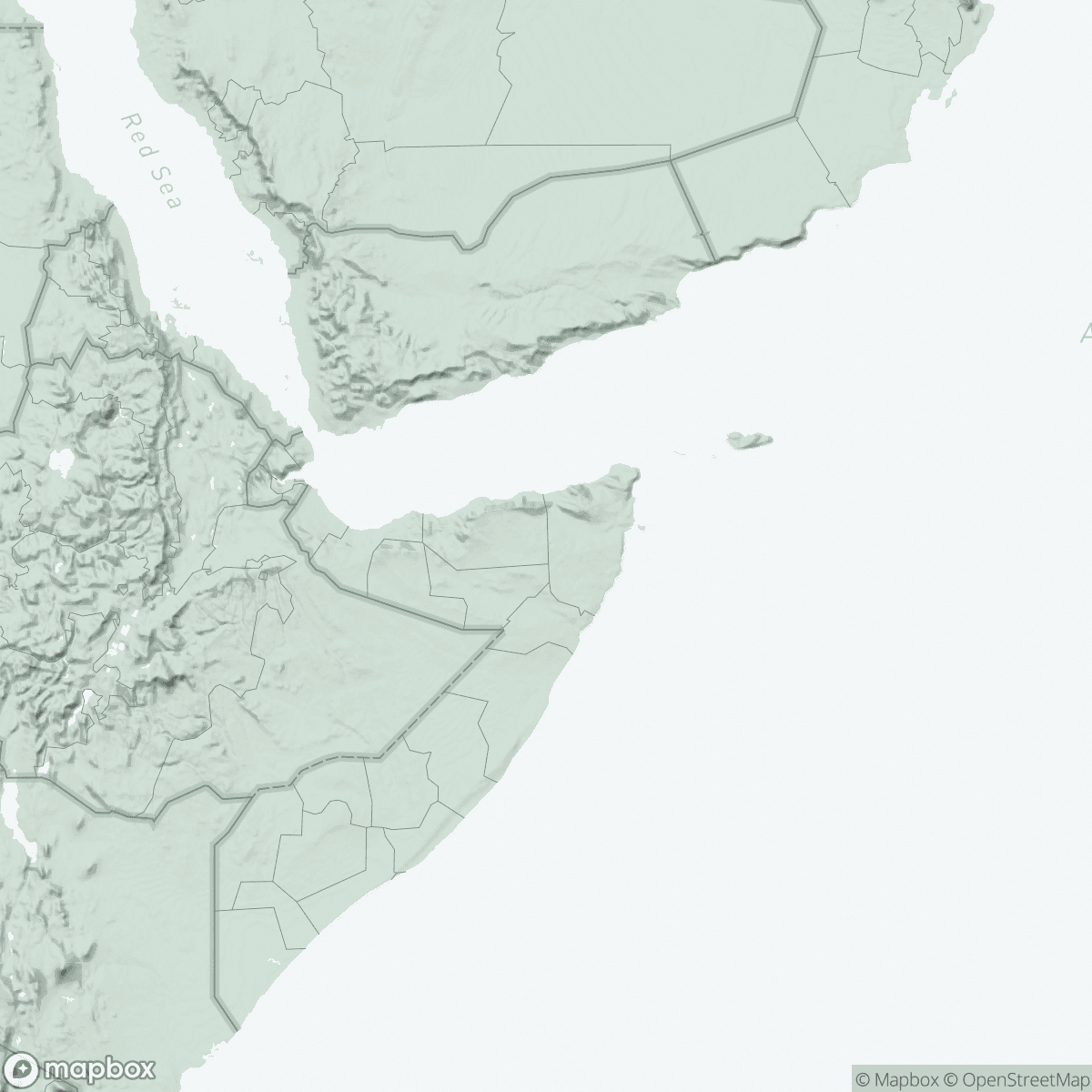
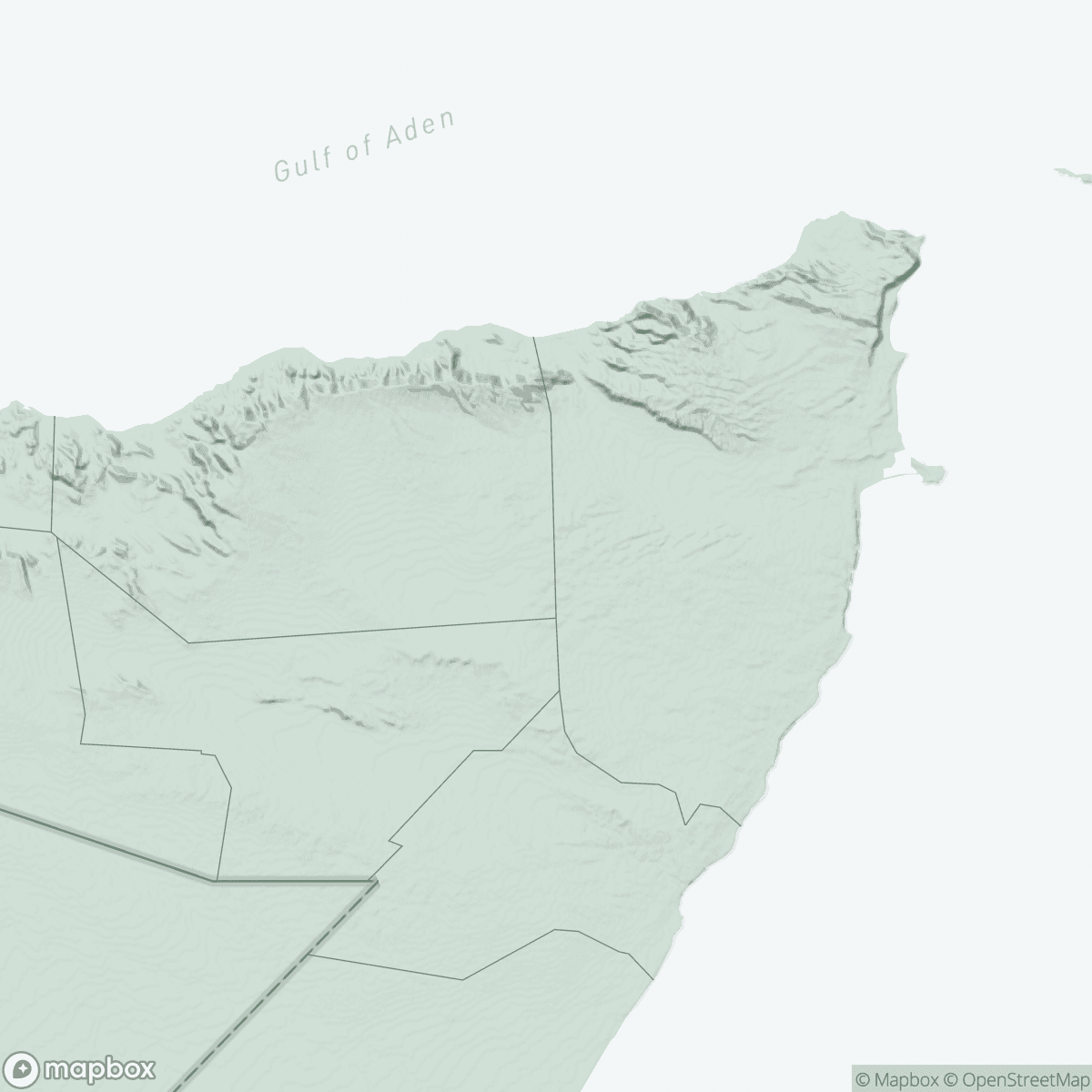
Somalia’s humanitarian response plan was reduced to US$852 million for 2026 and was still less than one third funded by July, according to UNOCHA, the United Nations Office for the Coordination of Humanitarian Affairs. Meanwhile, the World Food Programme has cut emergency food assistance from more than two million people to just over 600,000, and more than 70 health facilities in Puntland, one of Somalia’s federal member states, which covers the northern part of Mudug region have closed. Rainfall has been substantially below average across Mudug through 2026, and pastoral families have moved in search of water and pasture, taking them further from facilities that are still functioning.
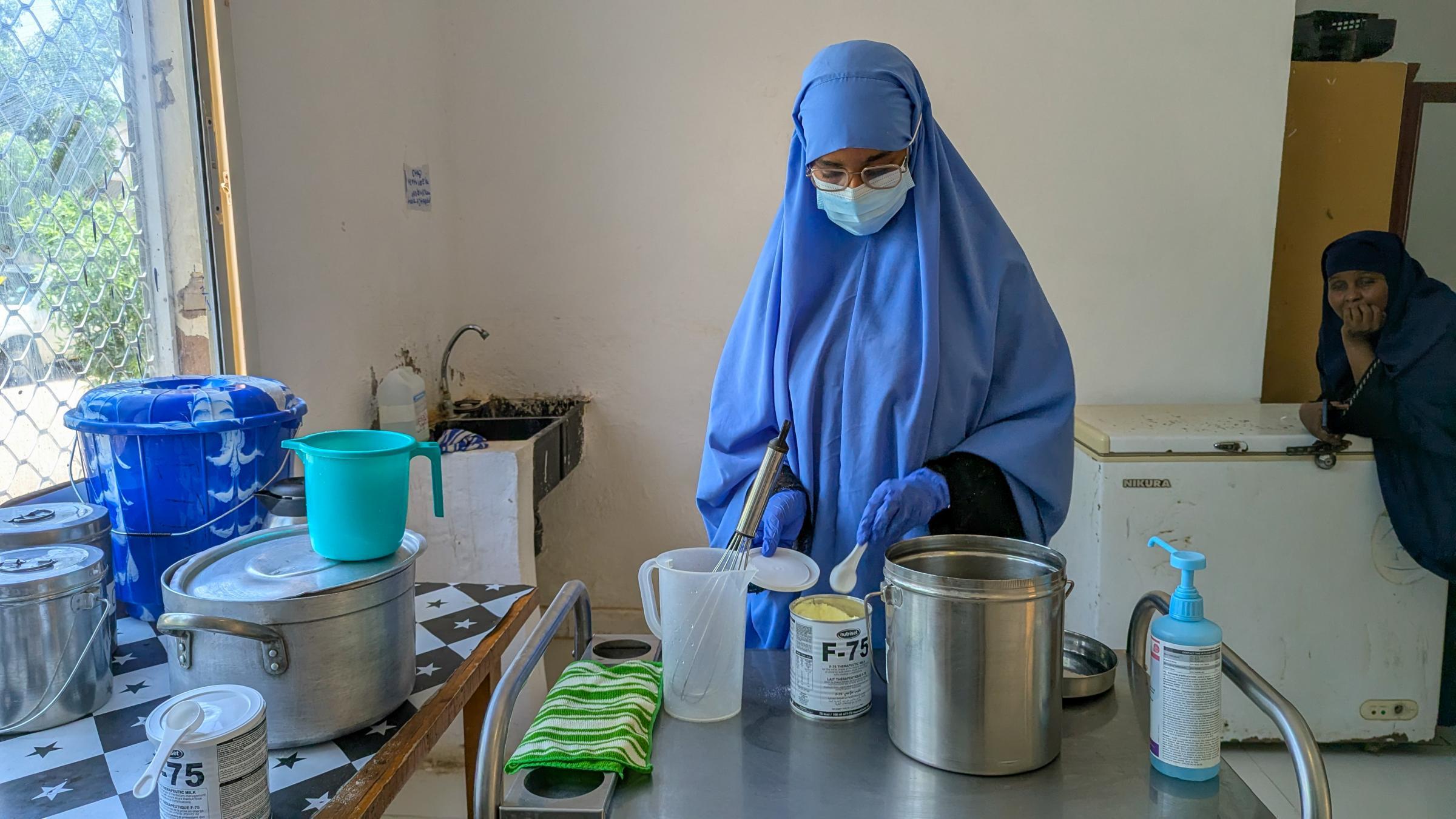
MSF calls on donors, UN agencies and health authorities to restore and scale up nutrition treatment at primary healthcare level across Mudug. That means functioning inpatient and outpatient treatment for acute malnutrition close to where families live, and uninterrupted supplies of ready-to-use therapeutic food and essential medicines that enable that. Children treated early for acute malnutrition, in their own district, can avoid getting sicker, and the need for a hospital bed.
MSF will continue to admit and treat every acutely malnourished child who reaches Mudug Regional Hospital and will keep looking for ways to add capacity. But an emergency ward cannot substitute for a health system, and the severely sick children arriving now are the measure of what significant access to care has already been lost.