
Ebola in DRC: 3 questions about clinical trials and investigational treatments
In 1 click, help us spread this information :
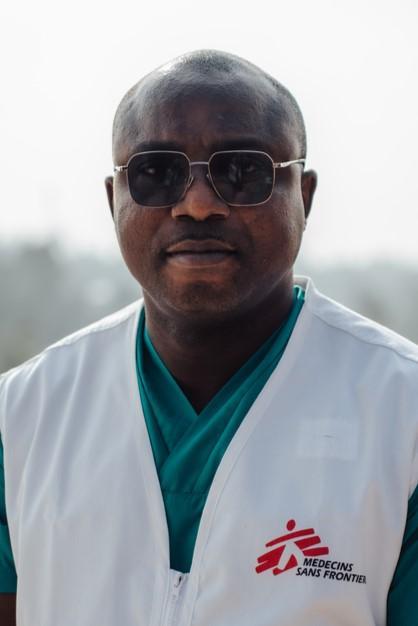
Dr Olivier Kasita a physician working at the Elikya Ebola Treatment Centre in Bunia, DRC, supported by MSF teams since the beginning of the outbreak.
Through his work at the centre, he has been directly involved in the care of patients throughout the response.
What do clinical trials involve? How do they work?
The PARTNERS trial is the WHO sponsored international clinical research trial conducted through close collaboration between national health authorities, research institutions, outbreak response partners, and international organisations. It aims to rapidly generate high-quality evidence on the safety and efficacy for patients who tested positive for Bundibugyo virus disease, of two promising treatments - MBP134 and Remdesivir.
Participants who volunteer to join the trial are randomly assigned to one of four study groups: one receives both MBP134 and Remdesivir, one receives MBP134 alone, one receives Remdesivir alone, and one receives the current standard of care without either investigational treatment. This randomsed design allows researchers to compare outcomes across groups and determine whether the treatments provide a meaningful benefit.
This study gives patients a chance to receive one of the treatments that researchers believe may work better than the current standard. Three out of every four patients (75%) enrolled in the study will receive one of these promising treatments. By taking part, patients may benefit themselves while also helping doctors learn which treatment works best, which could save more lives and help stop the outbreak.
What is MSF’s role in it?
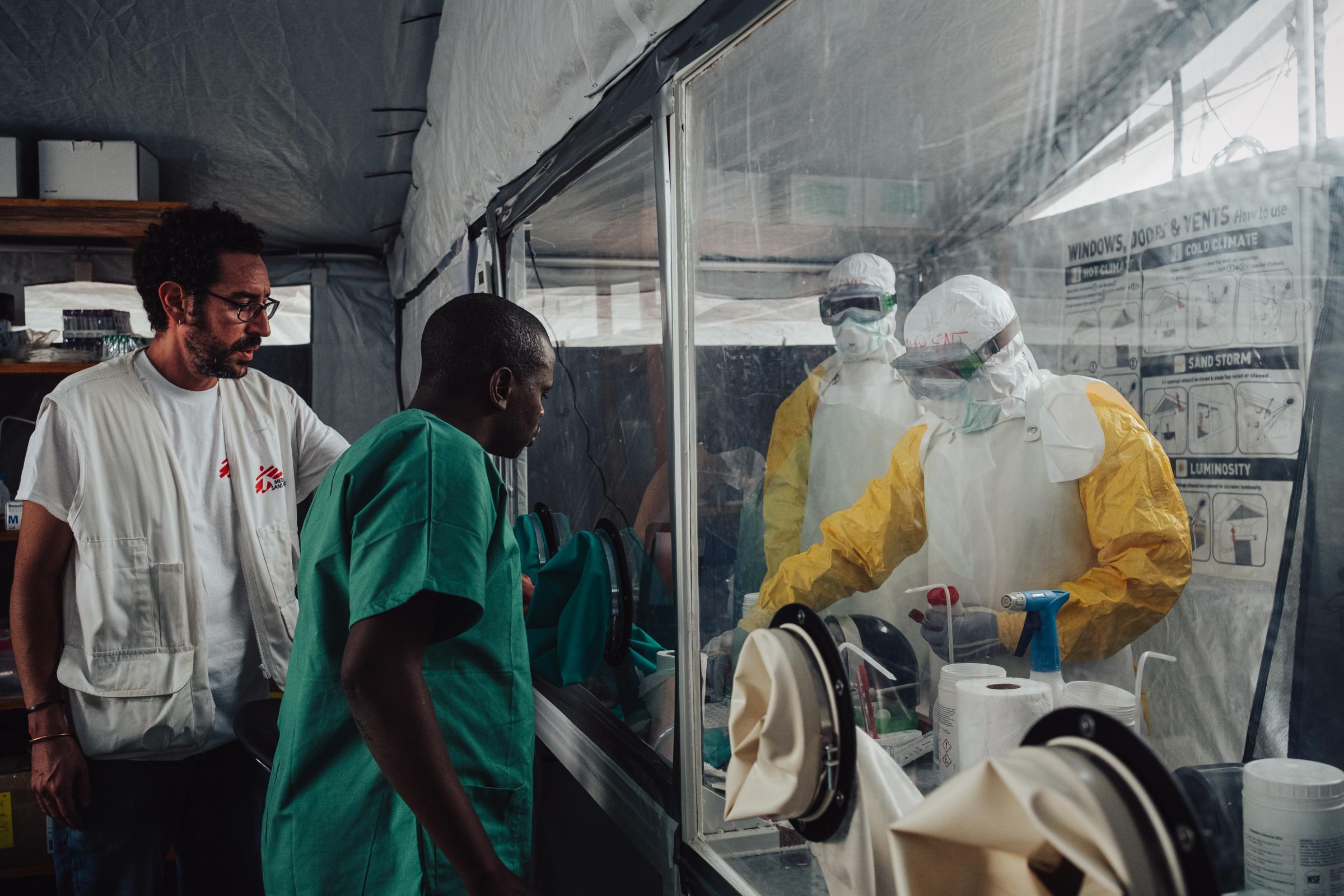
MSF is participating in the PARTNERS trial as a clinical trial site. This means that the study is being implemented within MSF-supported Treatment Centres (CTEs), where eligible patients can be informed about the research and offered the opportunity to enroll on a voluntary basis.
While MSF contributes to the trial and the care of participating patients, the study protocol is developed and led by the WHO and its research partners. MSF does not oversee the trial design or make decisions regarding patient allocation or treatment strategies.
However, as an operational partner, MSF is involved in operational recommendations and the review of emerging data and findings.
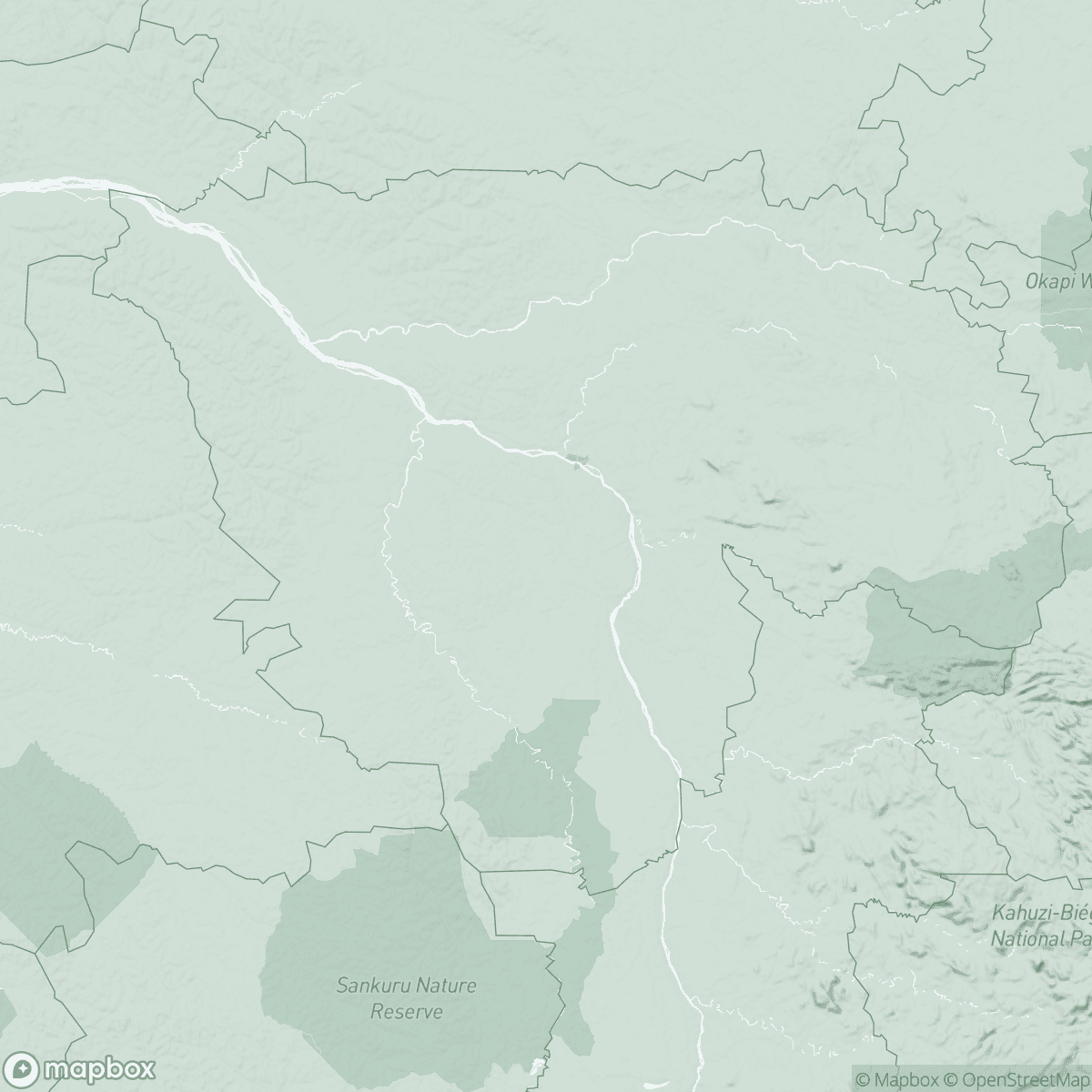
At present, the trial is being conducted in MSF's Elikya Treatment Centre in Bunia, Ituri Province, Democratic Republic of Congo, where research activities are integrated into the outbreak response and patient care provided by MSF teams.
What outcomes can we hope for? What change is this expected to bring about?
The primary goal of the PARTNERS trial is to determine whether MBP134 and/or Remdesivir are safe and effective treatments. If the trial demonstrates a clear clinical benefit, it could provide the robust evidence needed for these therapies to be recommended by health authorities, licensed by regulatory agencies, and made more widely available to at risk communities during future outbreaks.
In the longer term, successful results could transform the way future outbreaks are managed, adding proven therapies specific to Ebola to the general care currently available. This would represent a significant step forward in both outbreak response and patient care in affected communities.