
Calais, France: As people face a dead-end exile, MSF responds with care
In 1 click, help us spread this information :
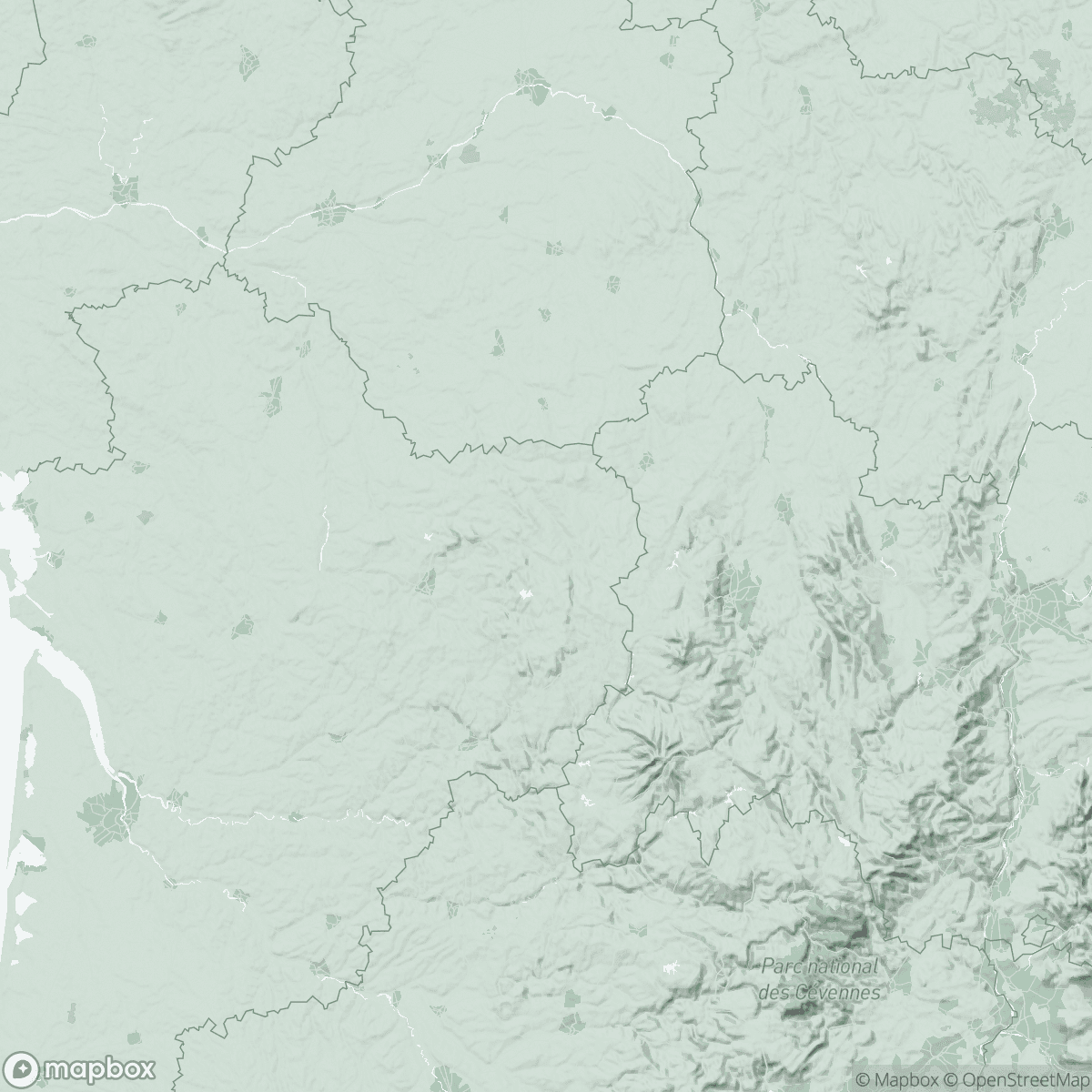
In the coastal city of Calais, in northern France, around a thousand people survive each day at the border, waiting to cross the English Channel. Many are women or families with children, often forced to try their luck in the United Kingdom after encountering obstacles to settling in other European countries. The Médecins Sans Frontières (MSF) team provides care, support, and dignity to those surviving at the border in extremely precarious humanitarian conditions.
“My name is Hadir*, I’m 33 years old, and I’m a car mechanic. Two months ago, I had to leave Iraq because of social problems. I knew I had to leave to protect my family, but I didn’t think the journey would be so long or so difficult. Since then, I’ve crossed about ten countries, following the Western Balkan route,” he says, with a tired but determined voice.
Hadir is traveling with his wife and their three children, aged 3, 4, and 8. They left their home with almost nothing: a few clothes and some food for the children. “We’ve faced many difficulties, but it was in Croatia that we felt the most rejection,” he confides.
The family arrived in Calais the day before, hoping to cross the Channel to join relatives living in the United Kingdom. After spending the night outside, under a windswept bus shelter, they went to the Secours Catholique day center, a partner organization of Médecins Sans Frontières (MSF) in Calais, to seek help and information.
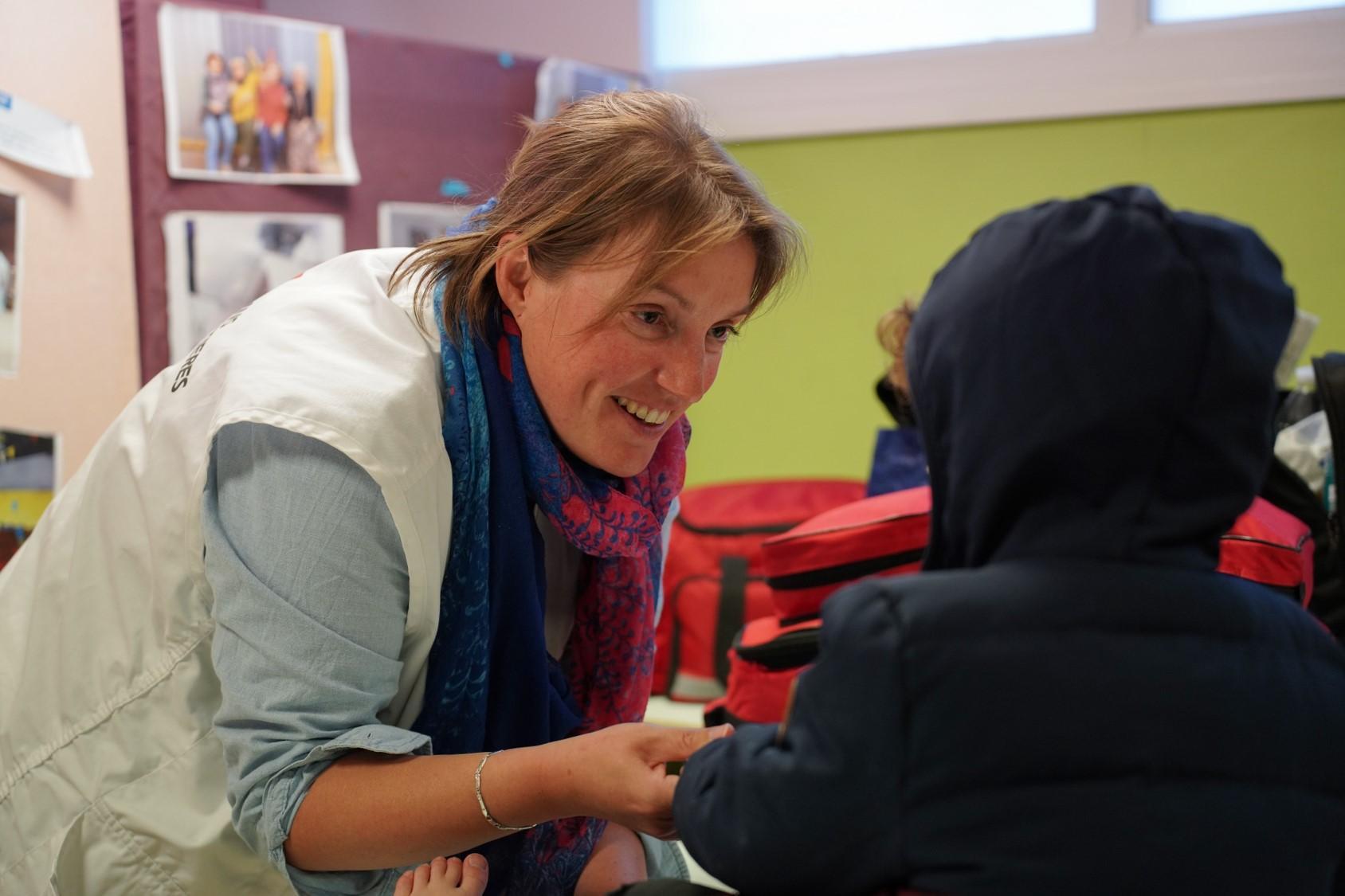
“Because of shoes that are too small, I have trouble walking. The pain is constant,” explains Hadir, who has just been treated by a nurse from the No Border Medics association. His youngest child, aged three, was seen by the Médecins Sans Frontières (MSF) nurse, who provides consultations at the Secours Catholique day center. The child was suffering from skin problems, aggravated by the cold and damp.
Like many families wandering in Calais, they don't know where they will sleep the following night. "Our biggest concerns are being able to eat and not getting cold," he says, aware that the coming days remain uncertain.
Aid organizations estimate that around 1,500 people are surviving in makeshift camps in Calais and around 2,500 in Dunkirk. Some arrive directly in Calais, while others have transited through various EU countries. Attempts to cross the Channel appear far from over. Hadir and his family, like so many others, wait, hope, and simply try to hold on until the next day.
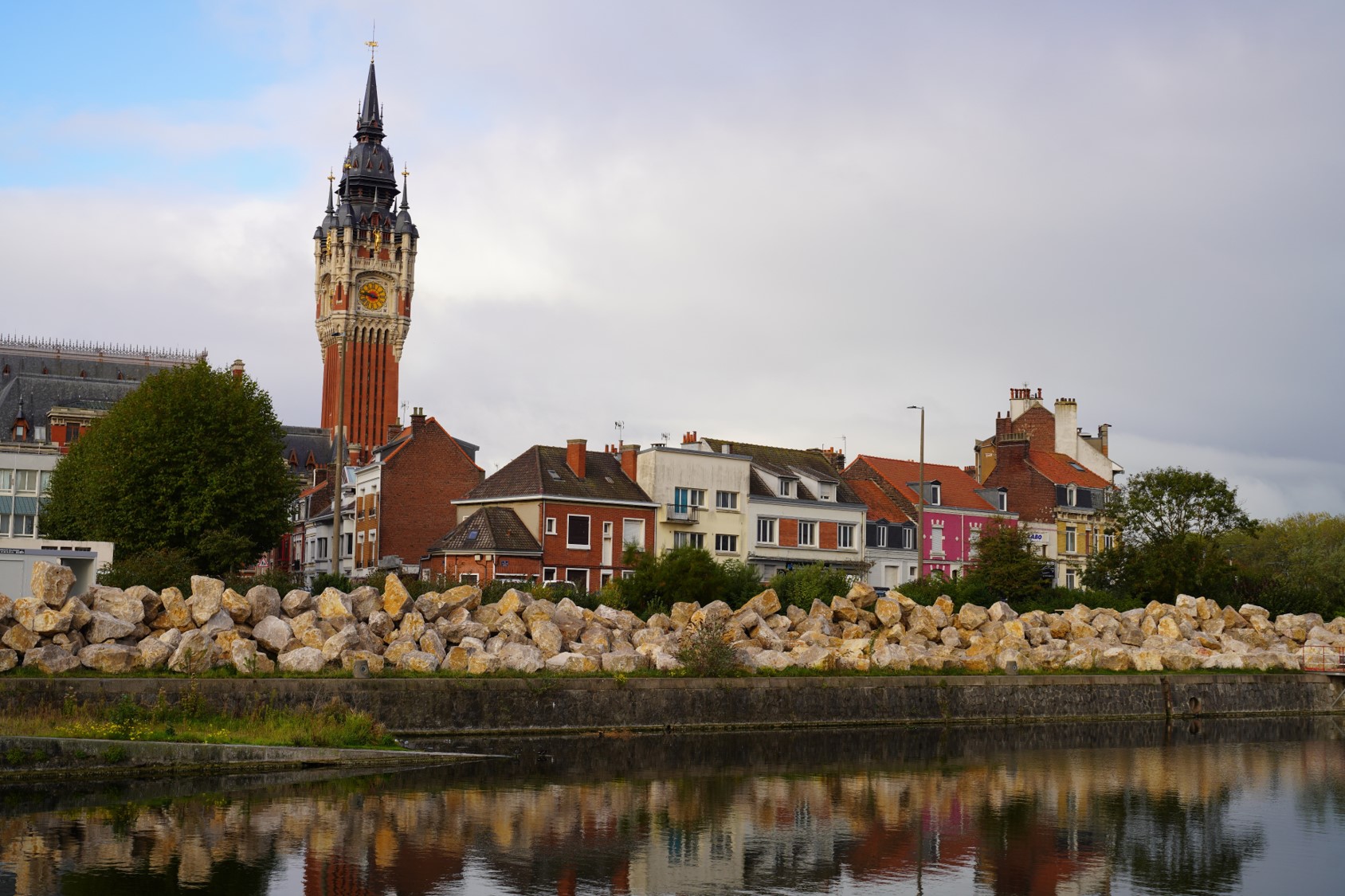
More dangerous crossings: the militarization of borders
Every month, hundreds of migrants, refugees, and asylum seekers attempt to cross the English Channel to reach the United Kingdom, risking their lives. Since 2023, MSF teams have witnessed how the increased militarization of the border is making these crossings more dangerous.
In the event of a shipwreck, these injured and traumatized people are left stranded on the shores of the northern French coast, with sometimes fatalities to be deplored.
For decades, the repressive and costly policies implemented by the United Kingdom and France have not prevented these crossings, but have instead pushed migrant people to take increasingly dangerous routes, risking their lives. According to an AFP tally, at least 27 people died between January and the end of September 2025.
The “One in, one out” agreement: saving lives is not the priority.
For decades, the repressive and costly policies implemented by the United Kingdom and France have not deterred migrant people, refugees, and asylum seekers from attempting to cross the Channel, but have instead forced them to undertake increasingly dangerous journeys, risking their lives. The Franco-British agreement signed in July 2025, dubbed “One in, one out” by the British press, illustrates once again the absurdity of the migration policies implemented. Between its entry into force on August 6, 2025, and October 31, 2025, more than 11,000 people reached the United Kingdom in makeshift boats.
MSF is concerned about the gap between the agreement's objectives and the reality. "This agreement was supposed to 'prevent dangerous crossings,' but in the first two months of its implementation, there have already been nine deaths," explains Sarah Gallitre. Furthermore, the very strict conditions for entry into the UK through this agreement exclude a large number of people who cannot even attempt to begin the process. Unaccompanied minors are also excluded from the agreement.
Sarah Gallitre also denounces the lack of consultation with NGOs and the impact of the agreement's implementation: "We have no information on what happens to people returned to France, nor on the respect for their human rights."
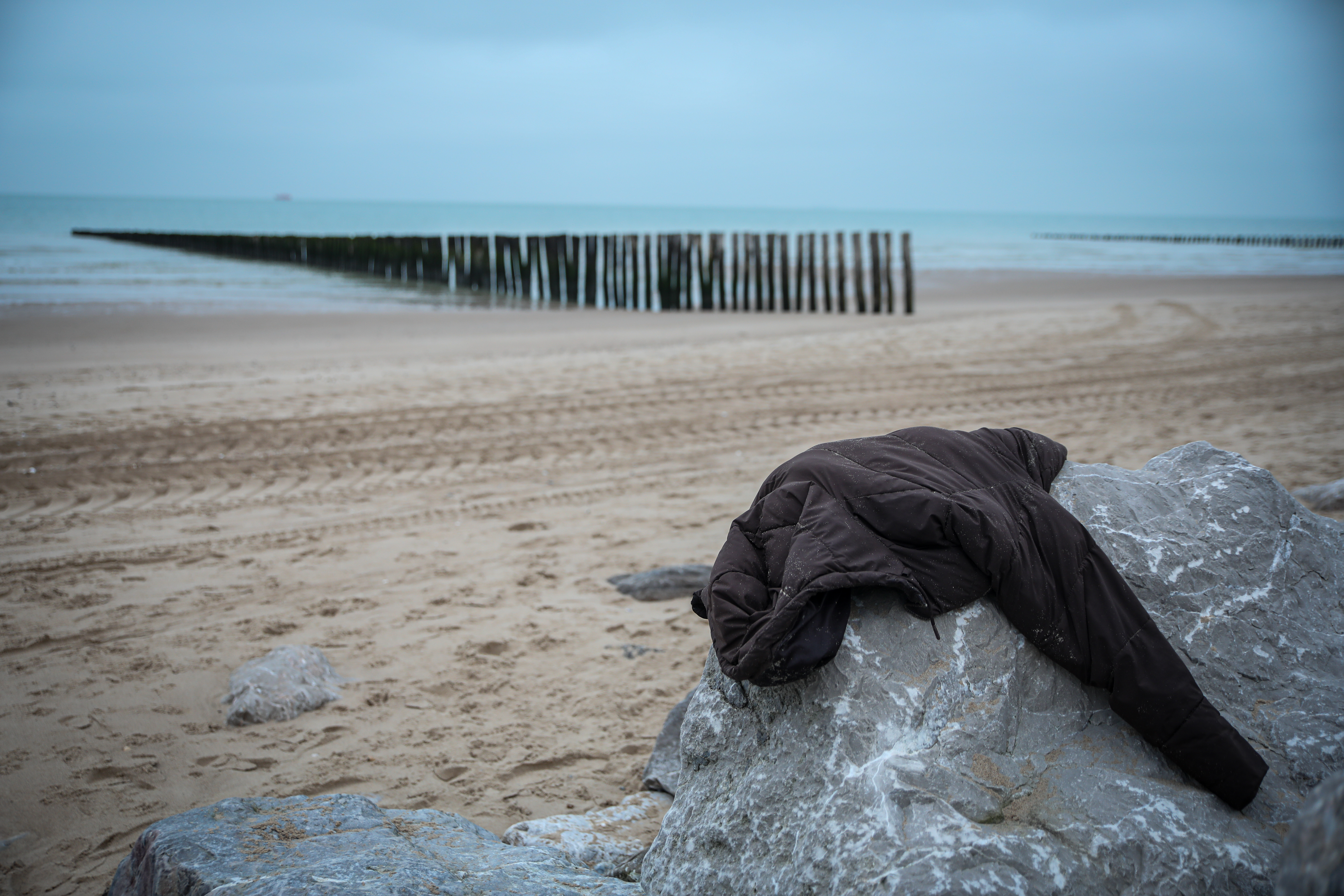
MSF's work with Channel survivors
In northern France, MSF has been conducting operations since 2023. The organization provides medical assistance to exiled people in transit in Calais, living in makeshift camps, in tents, or on the ground.
MSF also has psychologists who offer consultations and mental health awareness activities for individuals, many of whom have experienced trauma and require psychological support.
In winter, MSF sets up an emergency shelter system to protect vulnerable children, women, and families who cannot access overcrowded or remote shelters. Last winter, more than 100 children were accommodated through these solutions, providing them with safe shelter from the cold and the risks associated with the lack of suitable facilities.
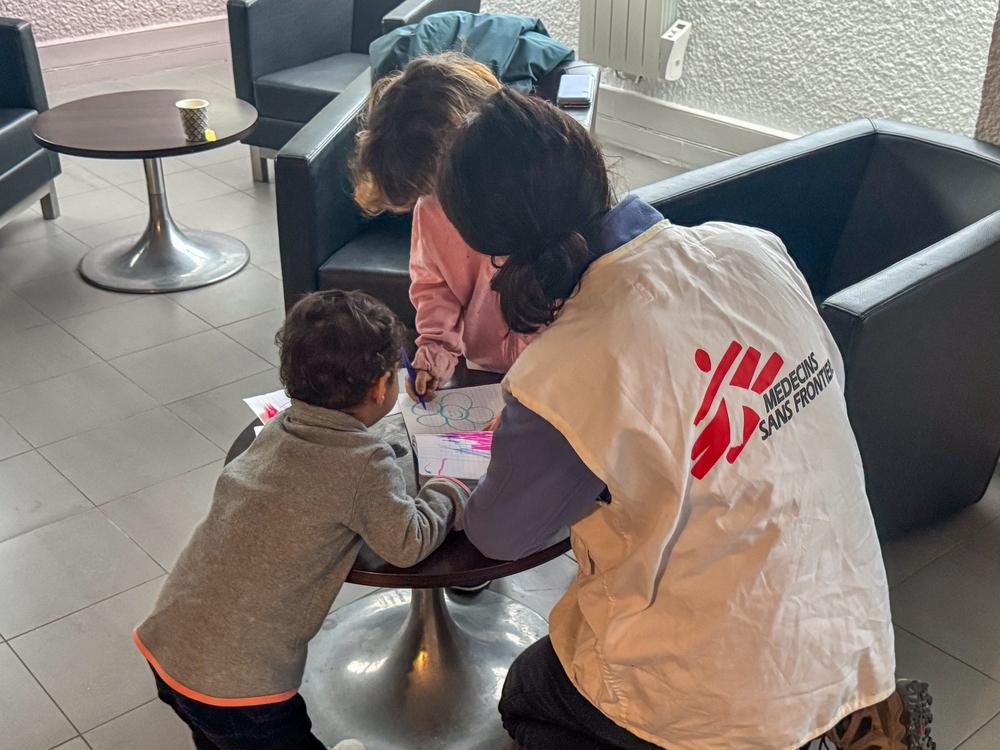
MSF also offers a day center for unaccompanied minors, allowing them access to basic services: keeping warm, eating, showering, charging their phones and participating in activities with our educators.
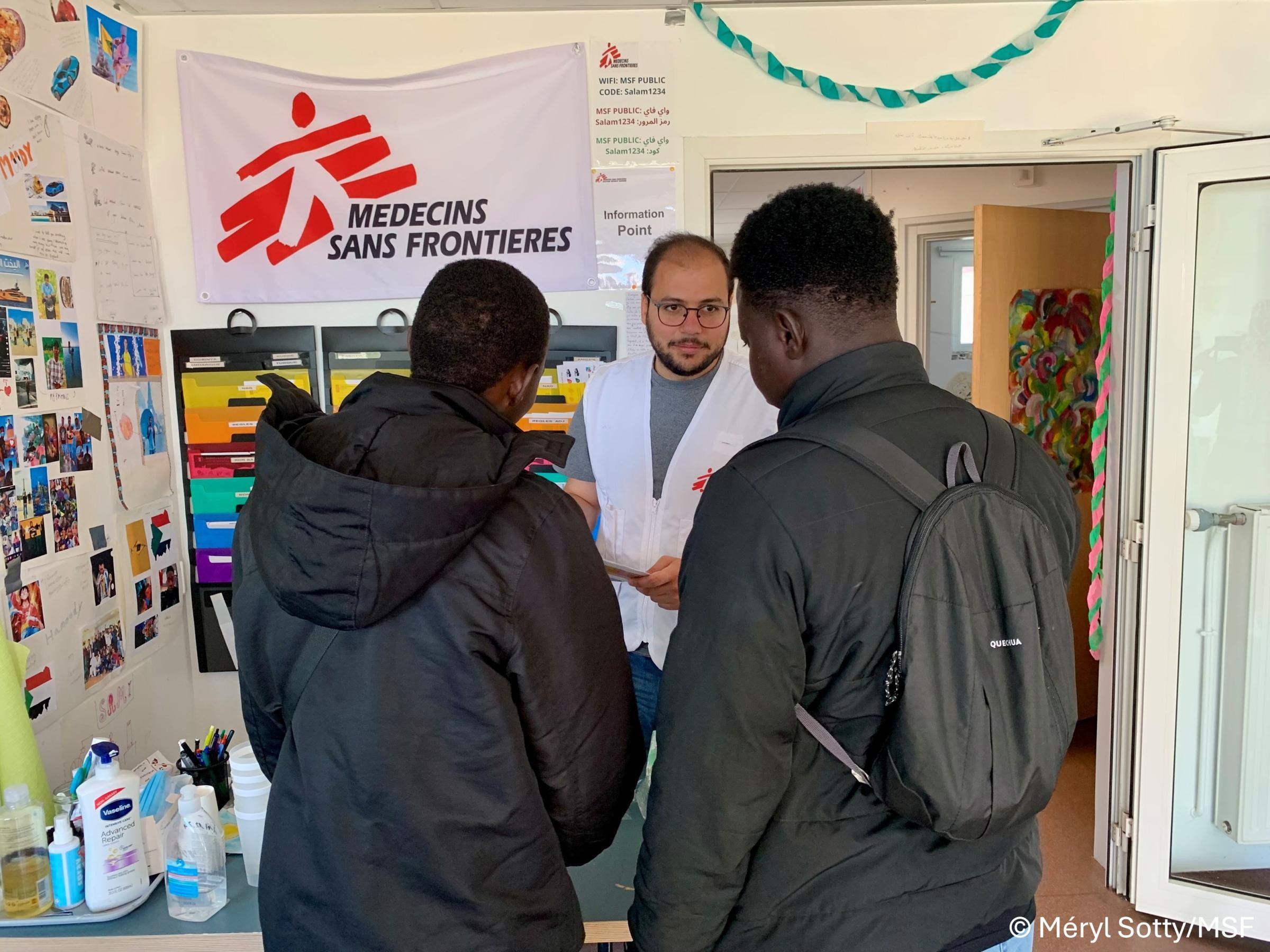
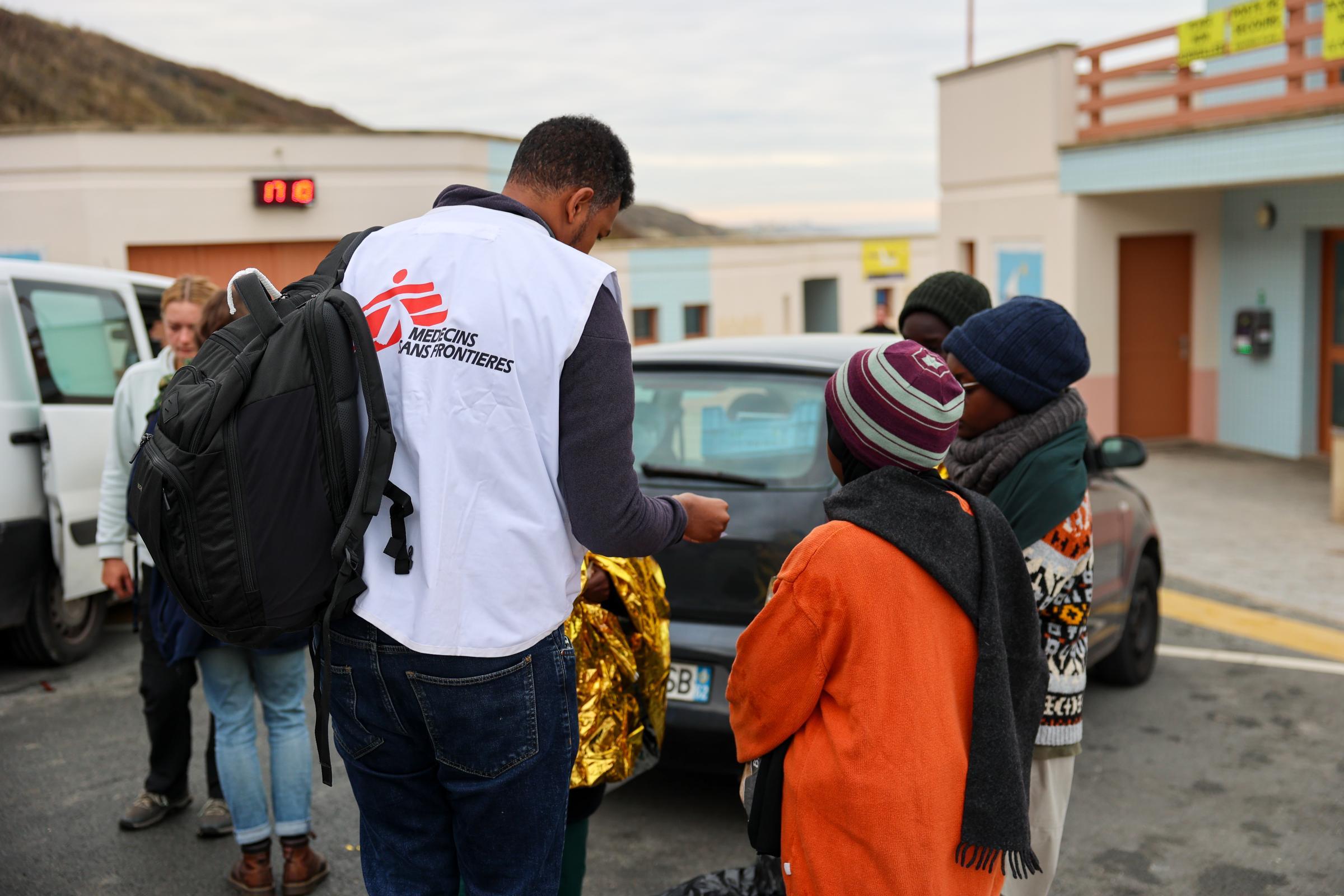
MSF nurses travel to the areas where people live and along the coastline. MSF encounters people who have been shipwrecked or whose crossings in small boats have failed, often leaving them wet and sometimes injured. A team consisting of a nurse and an intercultural mediator, in collaboration with the association Utopia 56, provides medical care, while Utopia 56 supplies dry clothes and food.
“Many of the illnesses observed by MSF are directly linked to living conditions on the streets: respiratory infections, dermatological problems, and disorders related to long days of walking and movement. We are also seeing a growing phenomenon of burns caused by the mixture of seawater and fuel during attempts to cross in small boats, which can reach second or third degree and require urgent treatment.”
— Sarah Gallitre, MSF Project Coordinator.
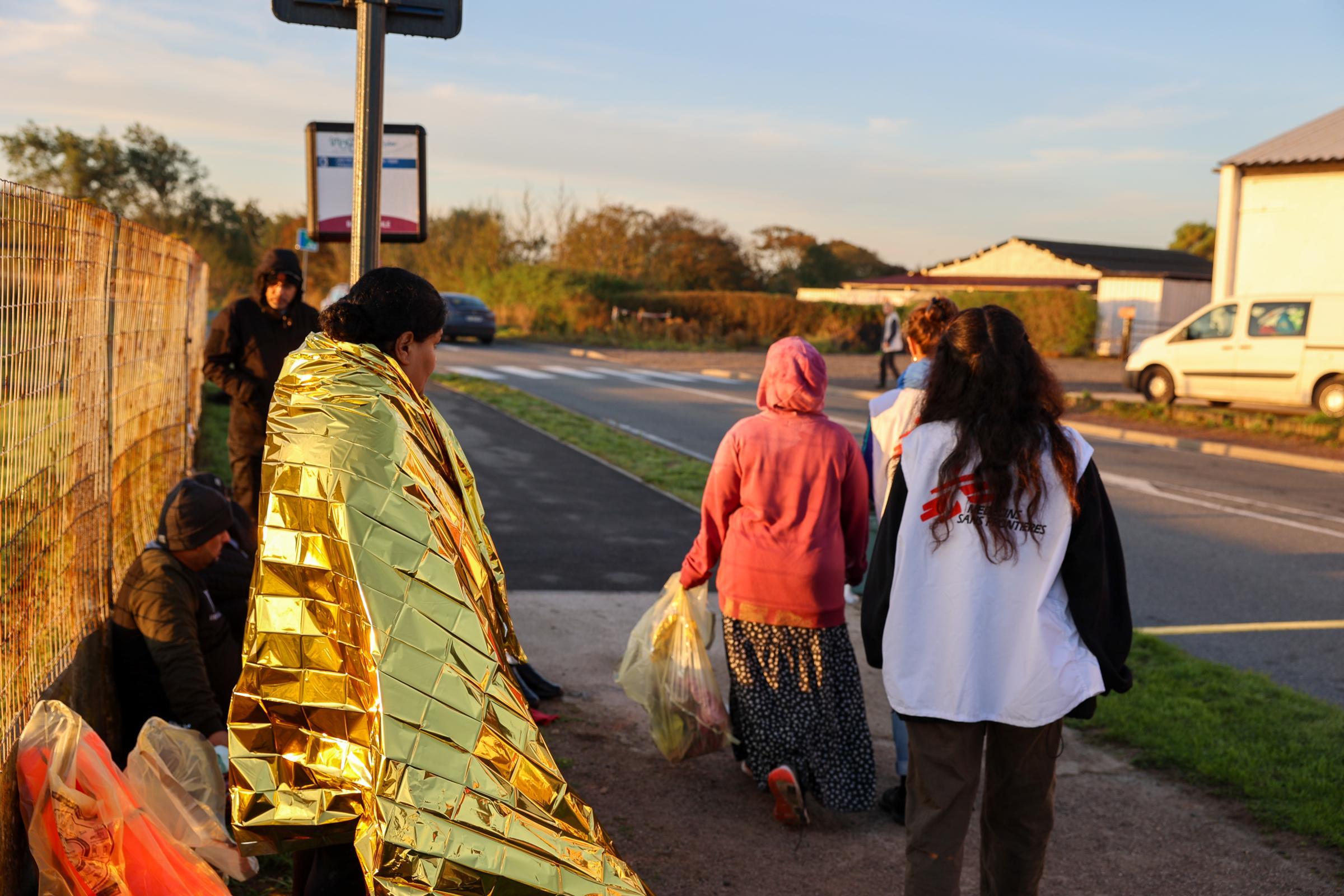
On the ground, MSF observes that women in migration are highly vulnerable. Most have endured sexual violence, including rape, along the migration route, and some even within France. They often try to remain invisible. Among them are pregnant women, others seeking abortions, and survivors of sexual violence. Their care is specialized and requires time to build trust so they can feel safe sharing these experiences.
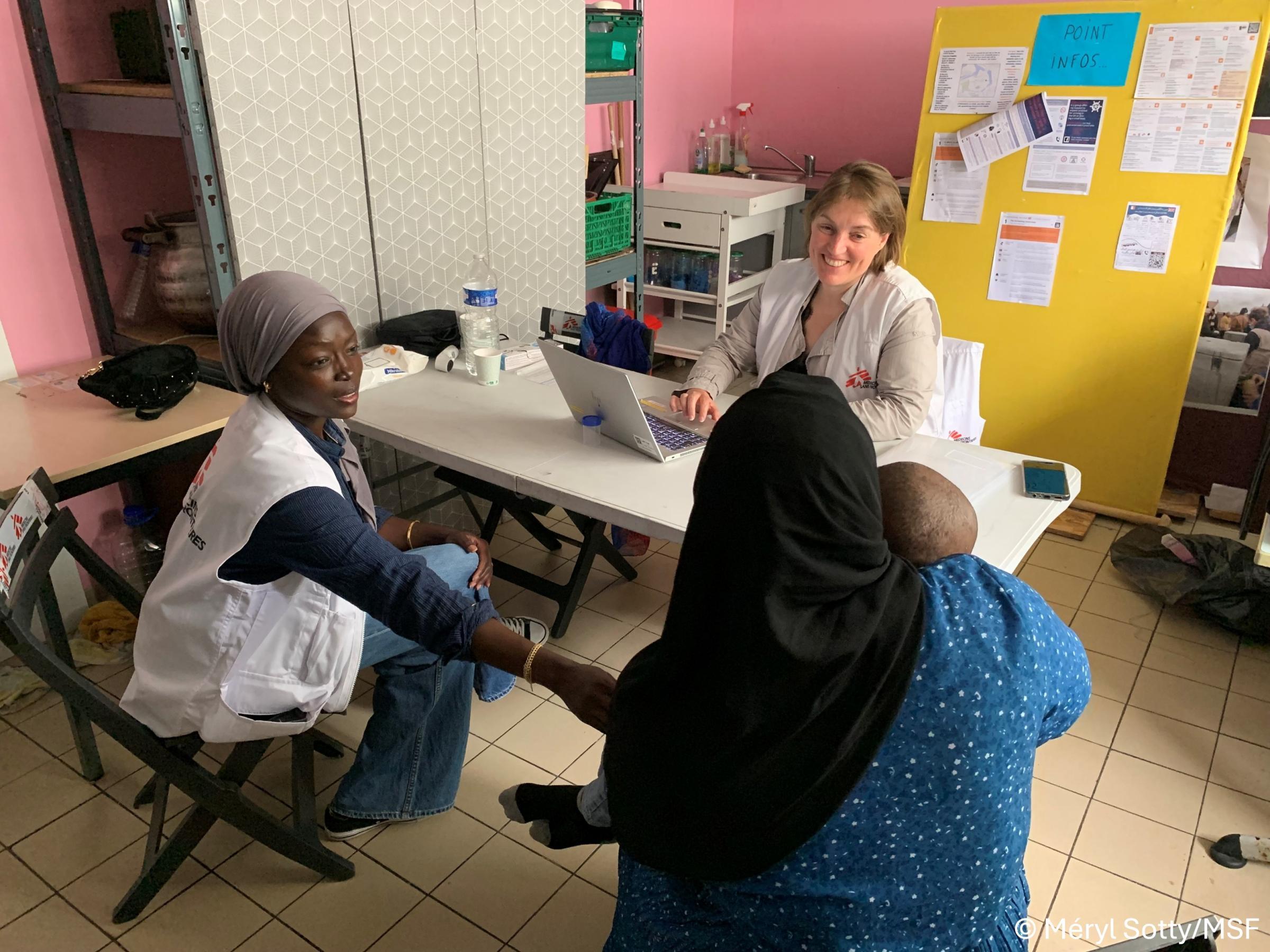
I saw many patients in Calais, but one in particular stood out: a woman nine months pregnant, with her husband and three children, who had made the journey while pregnant and was attempting to cross the Channel despite her condition. Our goal was to show her the available healthcare services so she could rest, give birth safely, and stabilize until the baby arrived, in order to avoid any tragedy during the crossing.”
— Elise Houard, MSF nurse based in Calais
Despite the extremely difficult conditions and constant risks, signs of hope persist in Calais. The solidarity of hundreds of volunteers and citizens, who have come from all over France and the world, shows that humanity can prevail over indifference.