
In Salamat, tackling malnutrition starts in the community
In 1 click, help us spread this information :
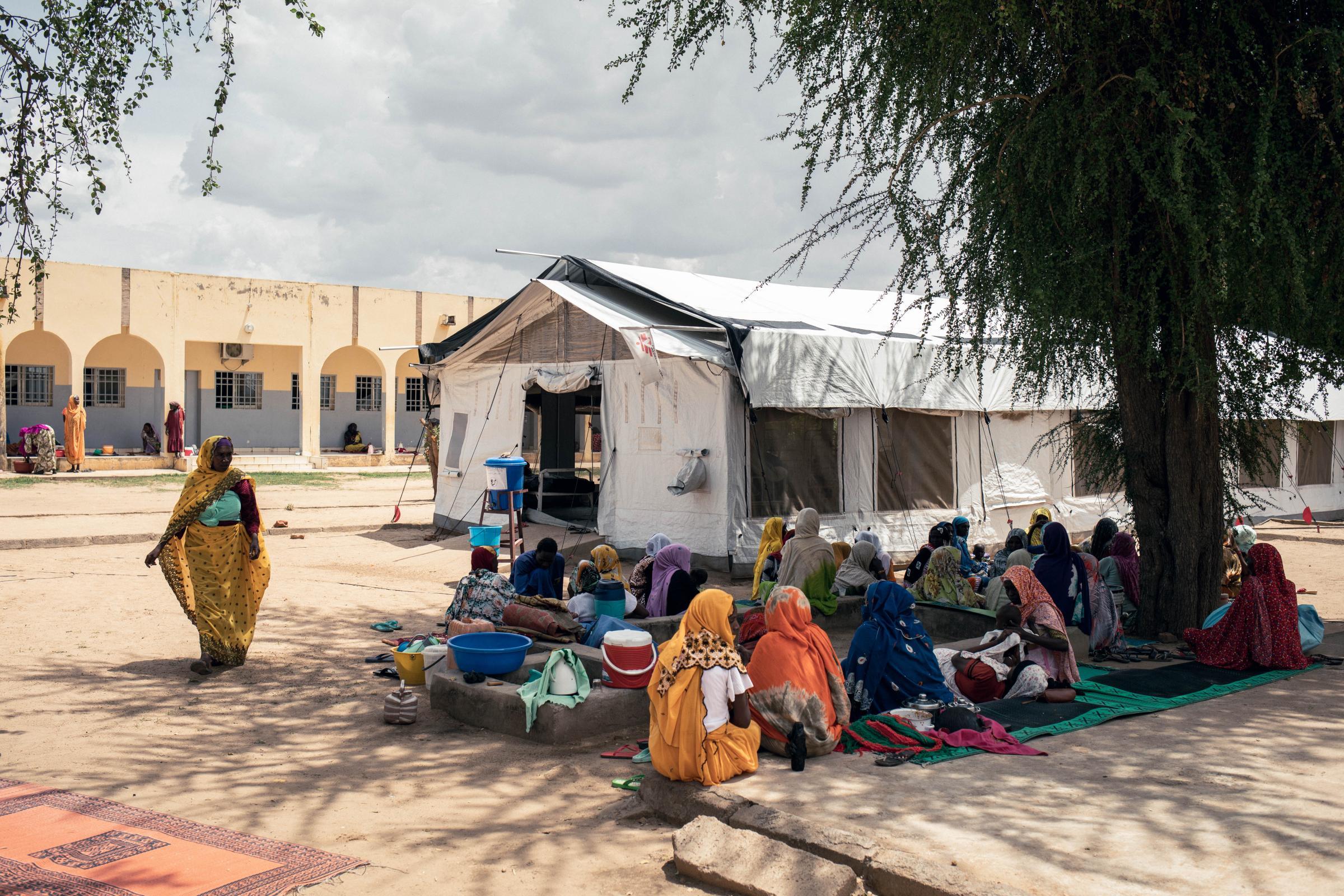
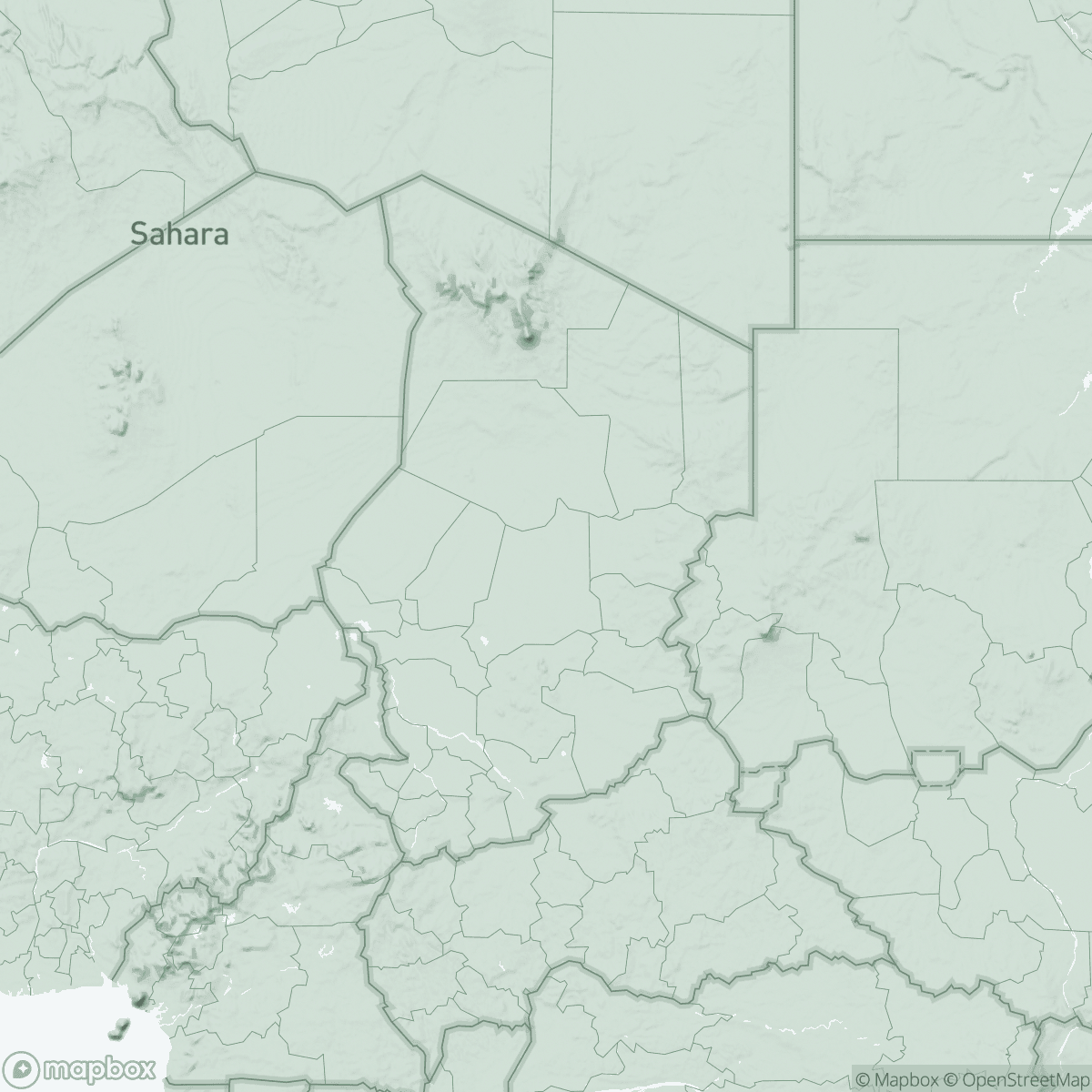
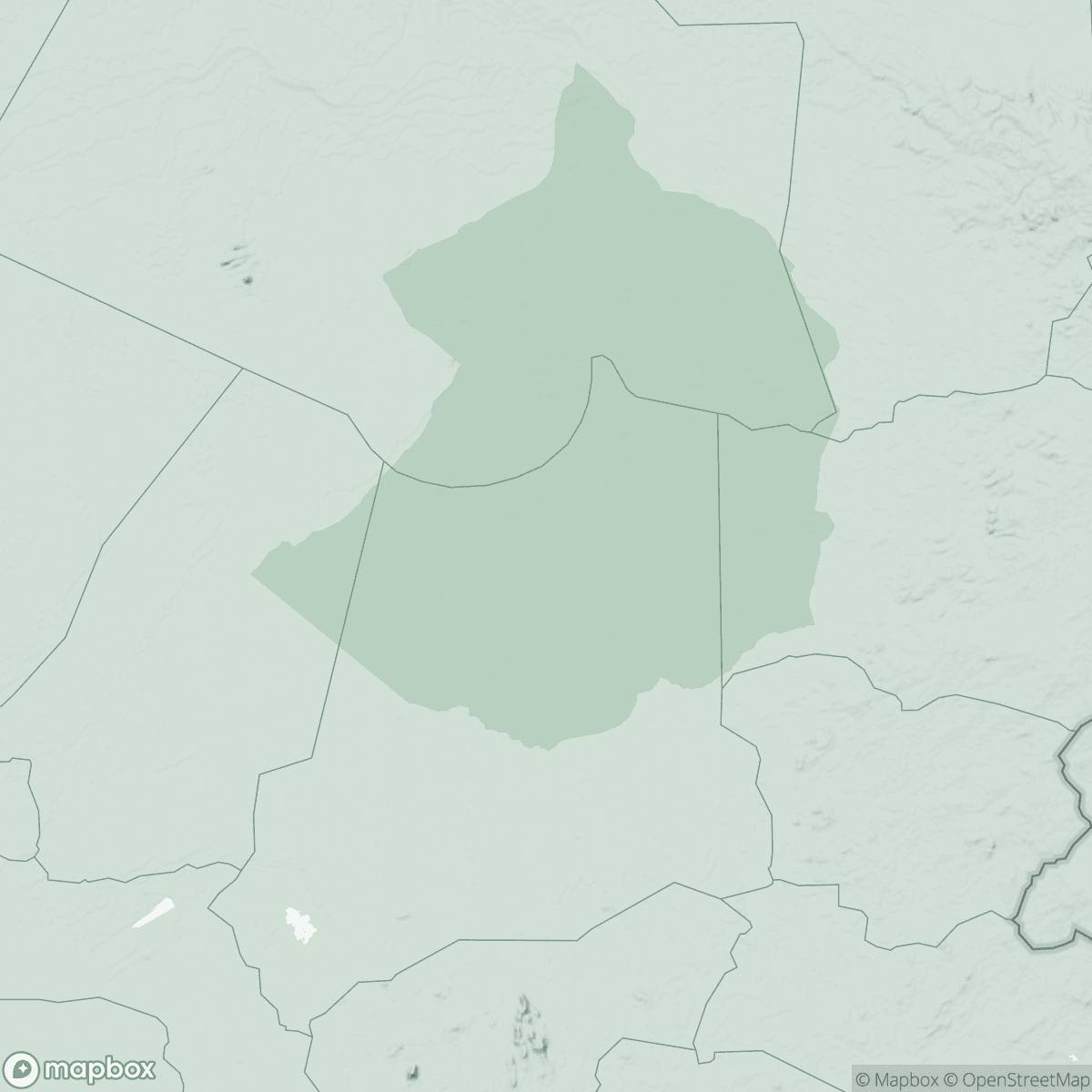
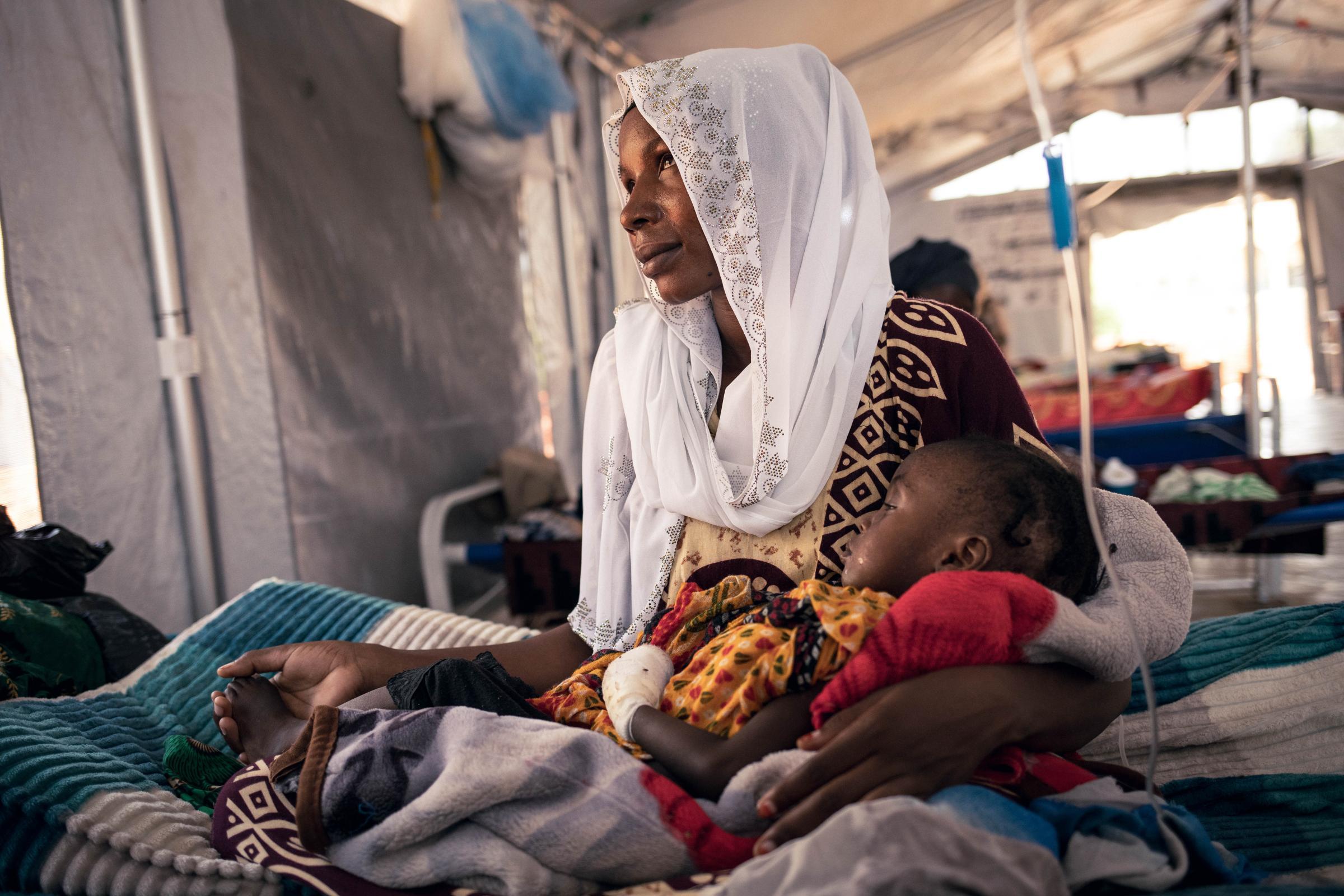
Fadija Hammad, 25, is a farmer in the village of Angalat, in the Salamat province of southeastern Chad. Five months pregnant, she came to the Am Timan hospital with her 15-month-old daughter, who was being treated for malnutrition. Like many families in the region, Fadija depends on the harvest to feed her children. But in recent years, harvests have been poor, reducing both the household's food resources and its income. "The money comes from the crops we grow. But for the last two years, we haven't had much of a harvest," she explains. In the Salamat province, health teams are seeing children whose health has sometimes deteriorated significantly after several days or weeks at home. At the Am Timan provincial hospital, Médecins Sans Frontières supports the treatment of the most severe cases of acute malnutrition.
Admissions to the therapeutic nutrition unit increased by 77% between January and June 2026. This increase was particularly pronounced starting in April, with the beginning of the lean season, the months when families' food reserves dwindle while the next harvest is still unavailable. This occurs during the rainy season, when roads are difficult to navigate and access to healthcare facilities is more challenging. The resumption of agricultural activities can also limit families' movements.
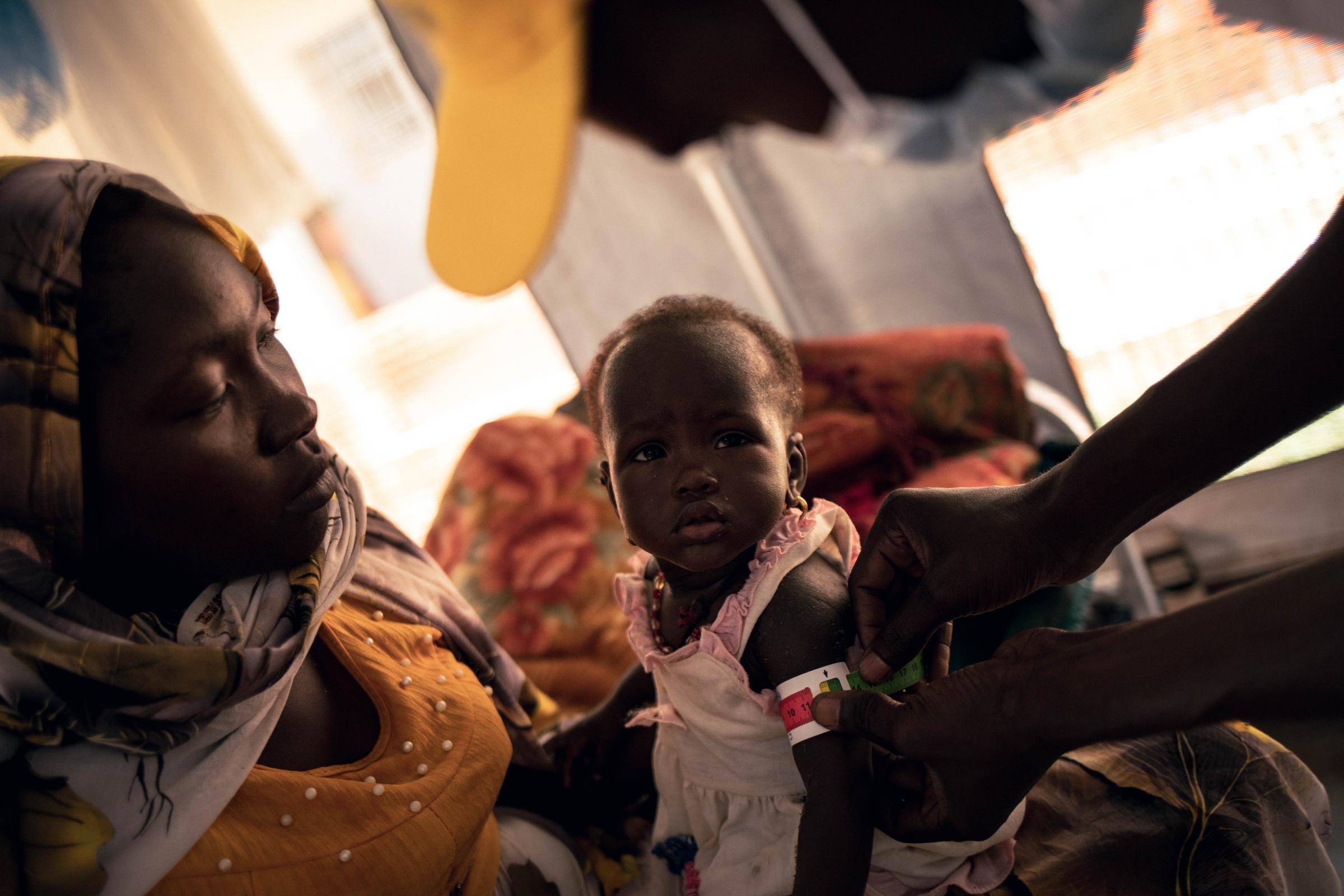
On the prevention side, MSF also supports early detection of malnutrition and care in villages, bringing it as close as possible to the community. Between April and June 2026, 1,676 children aged 6 to 59 months were screened at community sites supported by MSF. Among them, 4.8% suffered from severe acute malnutrition and 21.4% from moderate acute malnutrition, highlighting the importance of this prevention strategy.
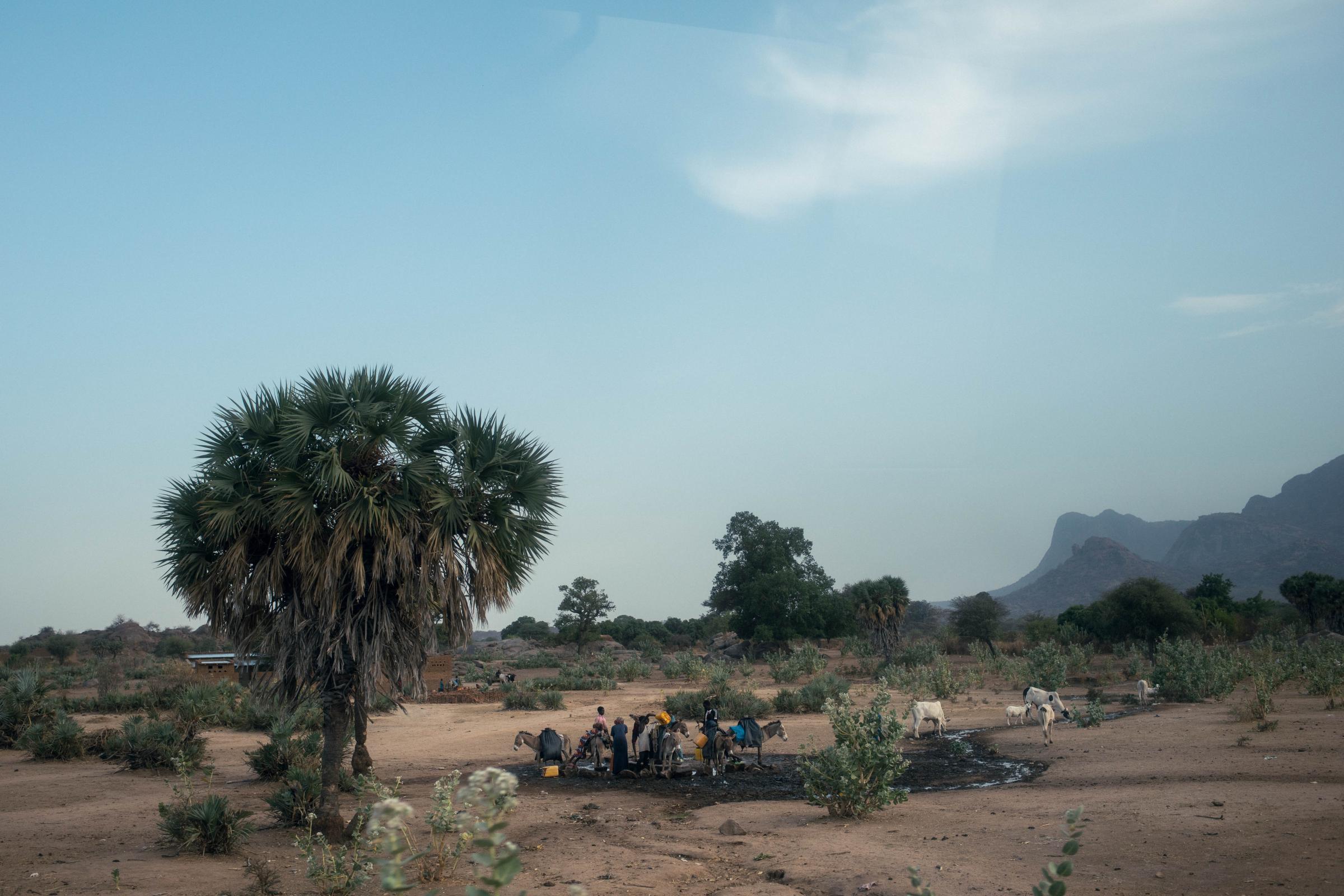
In the Am Timan district, this proximity is essential. Families sometimes live dozens of kilometers from health facilities, and some lack the means to pay for transportation. During the rainy season, roads become impassable, and the overflowing of the Bahr Azoum River can temporarily isolate some villages.
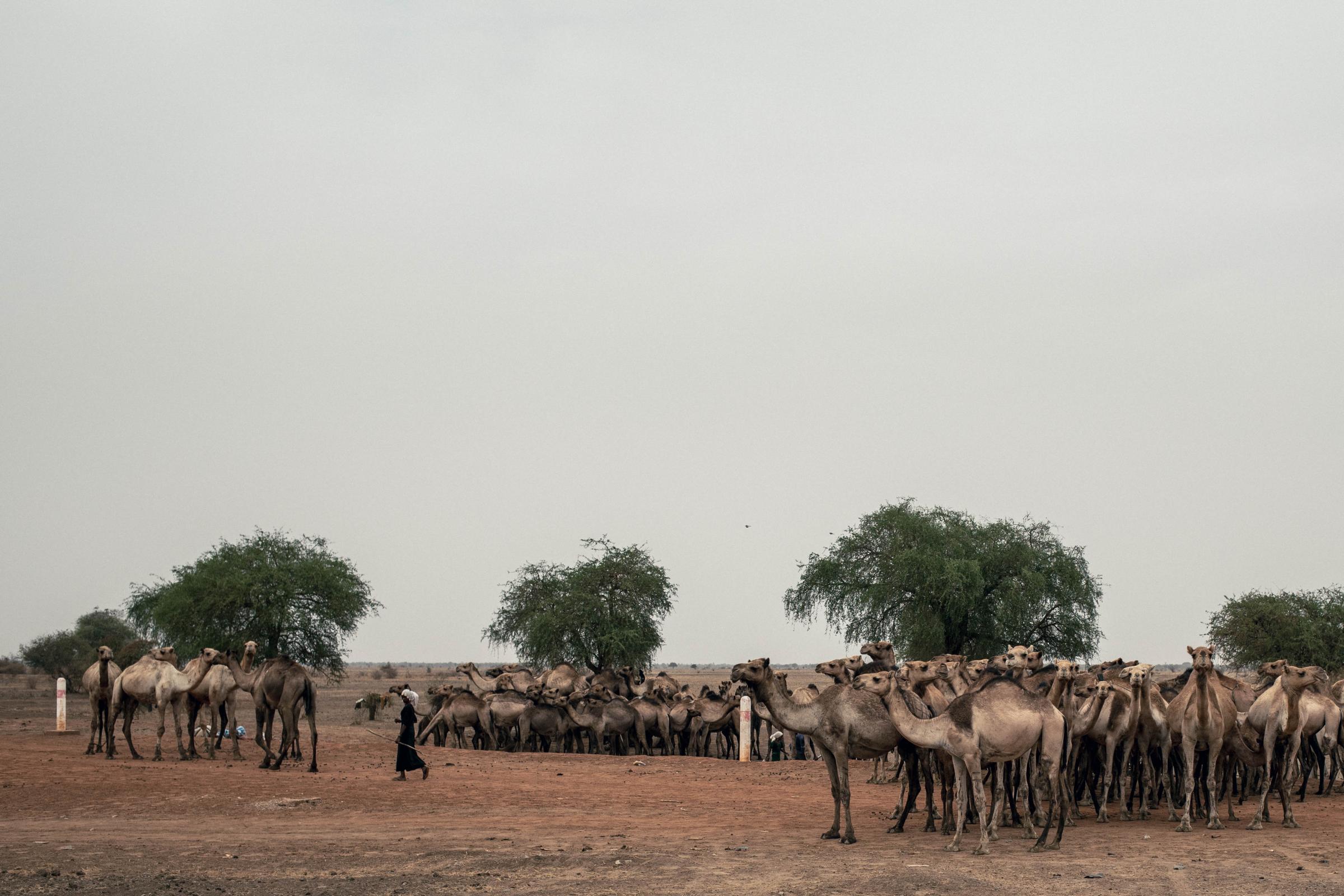
When food becomes scarce
“Before, when we were little, there were lots of harvests, but now, no, it’s the opposite", Fadija explains.
For many families, food and income depend directly on the harvests. A poor harvest or a drop in agricultural prices can therefore quickly complicate access to food. For families who depend on agriculture, these difficulties can have direct consequences on children’s nutrition, particularly during the lean season.
Children Weakened by Multiple Illnesses
Malnutrition doesn't just mean a child isn't eating enough. When already weakened by a lack of food, a child also becomes more vulnerable to illness and may have more difficulty recovering.
At the Am Timan Provincial Hospital, children treated for malnutrition often also suffer from malaria, respiratory infections, diarrhea, or measles. These illnesses can, in turn, worsen their nutritional status.
“In Salamat, we see children whose malnutrition is often associated with other health problems,” explains Dr. Assoumana Halarou, MSF Medical Coordinator in Chad. “Our response must therefore be comprehensive: we must treat malnutrition, but also identify and treat illnesses that can further weaken the child.”
Since August 2025, MSF has been supporting health authorities in addressing malnutrition in Salamat. The most serious cases are hospitalized at the Am Timan provincial hospital, while children whose condition allows for treatment without hospitalization can be monitored in outpatient nutritional units.
Treating Children Before They Arrive at the Hospital
To bring healthcare closer to communities, 10 new community-based healthcare centers (ICCMs), which provide integrated community-based care for children, along with three therapeutic nutrition units, have been opened in Ablelaye and Mina. Located close to the villages, these activities combine the treatment of common childhood illnesses, such as malaria and diarrhea, with malnutrition screening. The goal is to identify malnourished children as early as possible within their communities and quickly refer them to healthcare centers when they require further treatment.
“When a child finally arrives at the hospital, their condition can already be very serious,” explains Samoussi Bremali, in charge of hygiene and health promotion at Am Timan Hospital.
Indeed, a lack of money can delay families' access to healthcare facilities, due in particular to the cost of transportation and the loss of income if parents have to interrupt their work.
Listen, support, and persuade
Bringing healthcare closer to communities is not always enough. In nutritional services, teams must also gain the trust of families because complications related to malnutrition can require hospitalization and significantly increase the risk of death.
Katia is in charge of health promotion at the therapeutic nutrition unit in Am Timan.
"Some parents may be afraid of certain treatments, especially when a child needs oxygen or is fed through a tube. We reassure them and explain that the nurses and doctors are there to care for their children."
This relationship of trust can be crucial in enabling a child to receive the care they need and to remain in the hospital until their condition allows them to return home.
In Salamat, the response to malnutrition is therefore not limited to hospital care. It begins in the communities, with screening, raising awareness among families, and referring children to appropriate facilities. MSF supports health authorities in screening for and managing malnutrition, from the community to the hospital, particularly through referrals from health centers. This support also includes the management of malaria and diarrhea, vaccination, and training for healthcare workers. By bringing health services closer to families, teams aim to identify children earlier and enable them to receive the necessary care before their condition becomes critical. For a child already weakened by malnutrition and illness, a few days can make all the difference.