
Five things to know about life for Palestinians in Gaza and the West Bank
In 1 click, help us spread this information :
Life for residents of Gaza and the West Bank in Palestine remains difficult despite the entry into force of a ‘ceasefire’ in October 2025. Here are five factors that explain the difficulties faced by Palestinians.
1. Daily attacks continue across Gaza, and children are severely affected
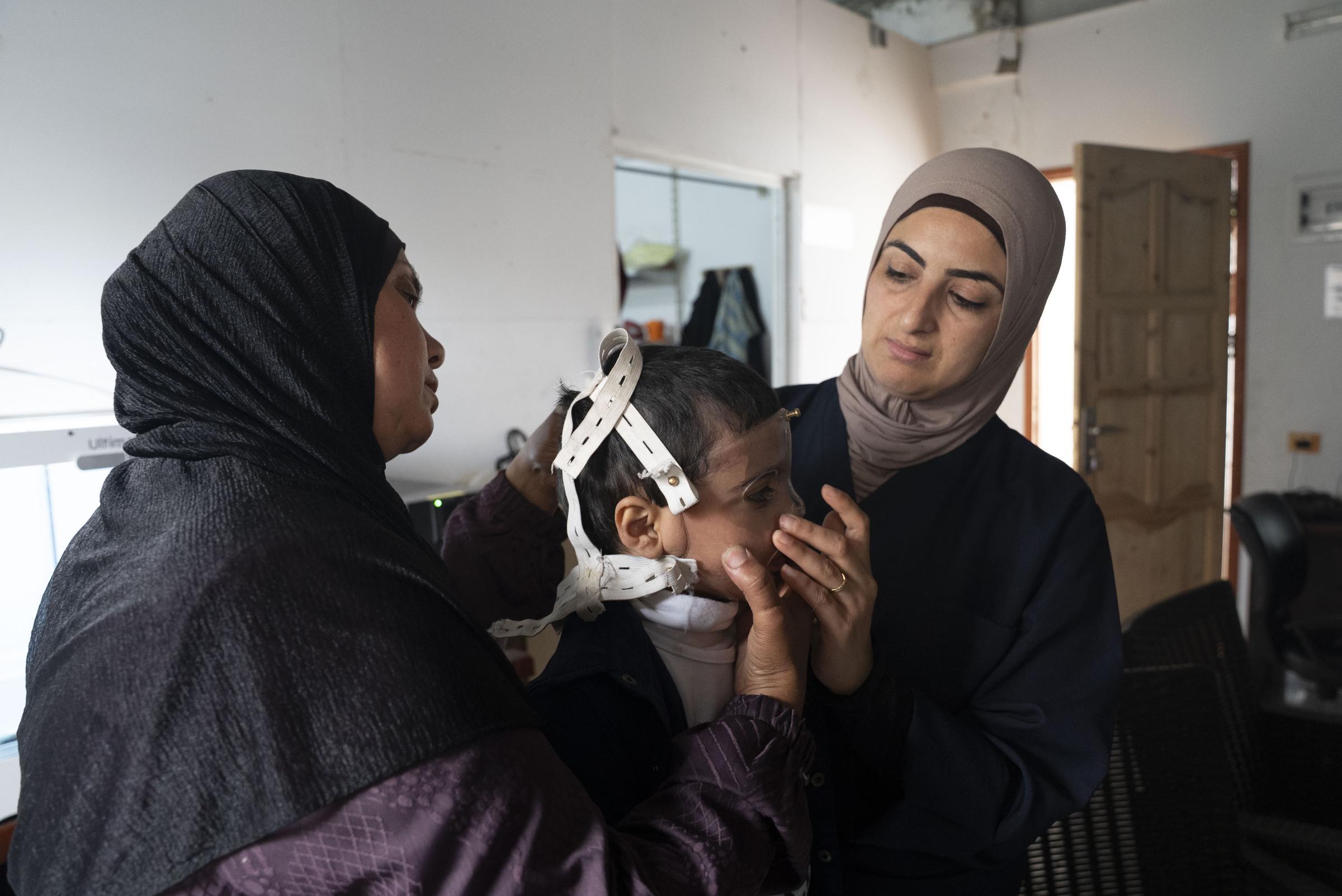
Since the so-called ceasefire, Israel has killed more than 870 people and injured more than 2,600 others in Gaza, according to the Gaza Ministry of Health. Events of violence occur almost daily and are affecting many children. Between 10 October 2025 and 11 May 2026, MSF teams received 243 children with violence-related injuries at our field hospital in Deir Al-Balah, representing close to 12 per cent of all patients treated for such injuries in the facility.
Most of these children had blast injuries, including 37 children under five years old, and 12 were treated for gunshot injuries. Between January and April, 196 children under 15 years old were admitted to MSF’s trauma department in Nasser hospital, representing 20 per cent of injured patients. During the same period, in another MSF clinic in Gaza City, 113 children received care for injuries, with close to 96 per cent being injured due to bullets and explosions from bombings.
Since the ceasefire agreement, Gaza has been effectively divided by a dangerous, ever-expanding and ambiguous “yellow line” that is controlled by the Israeli military. The effective designated line currently places approximately 58 per cent of the Gaza Strip under Israeli military control, with the area continuing to expand over time. Our teams continue to treat patients with violence-related injuries from areas around the yellow line, including blast injuries, fragment wounds, blunt trauma caused by explosions, and gunshot wounds.
.
.
2. Israeli settler violence against Palestinians in the West Bank is reaching unprecedented levels
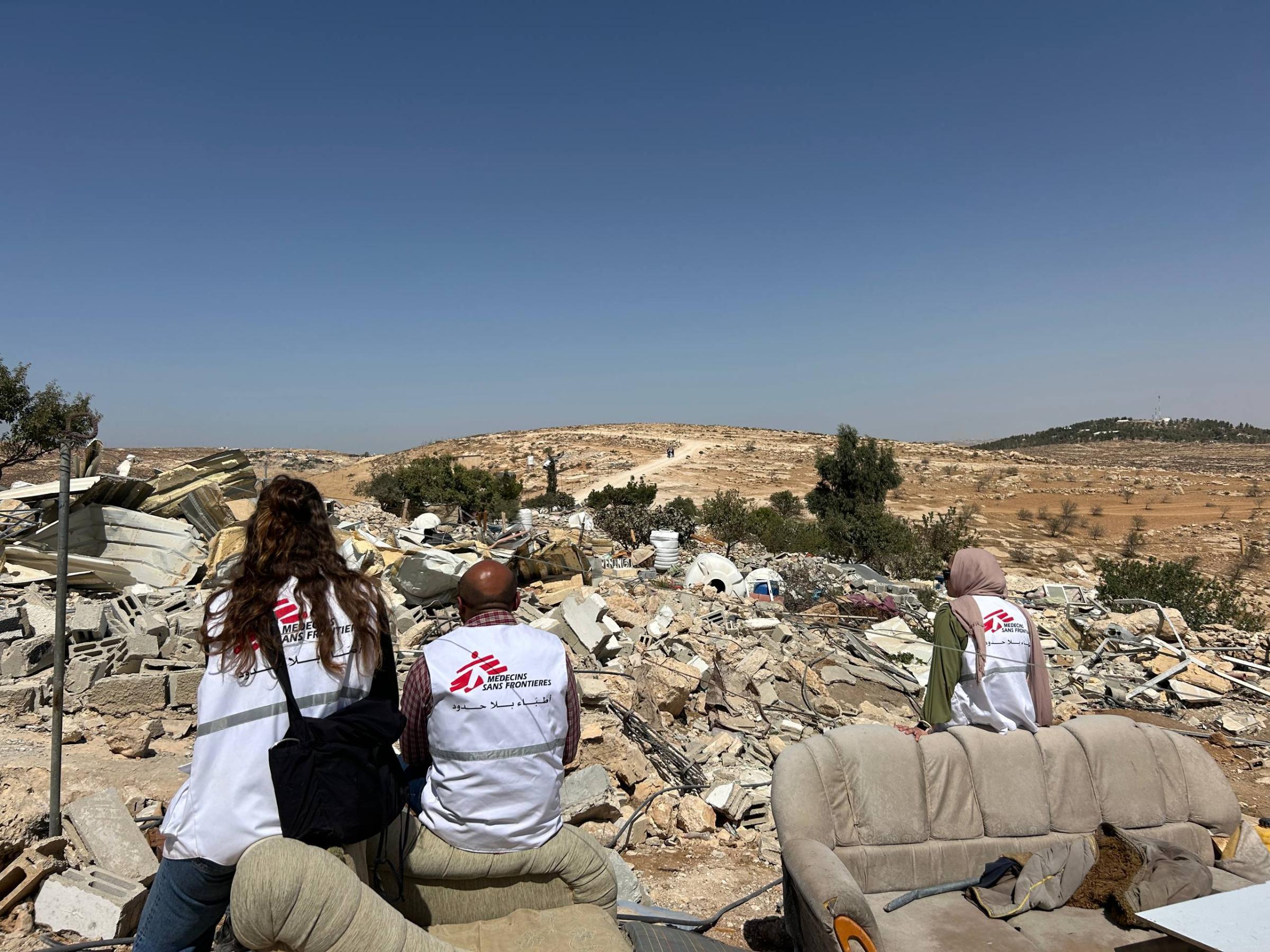
Since October 2023, settler violence, military operations, and the restrictions imposed on Palestinians in the West Bank have markedly intensified. Israeli settler violence against Palestinians has further escalated, with March recording the highest number of Palestinian injuries by Israeli settlers in the past 20 years (source : OCHA)
Trauma is ongoing: people are afraid of moving from one place to another knowing that on the way they will deal with settlers, the army, or the civilian administration. People are not willing to leave their homes for fear that they will be demolished.
We are even seeing more cases of violence against children. At least 70 Palestinian children have been killed in the West Bank, including East Jerusalem, since the beginning of 2025, averaging roughly one child per week.
Palestinians are being hunted in their homes, on their land and in their schools, while the attackers enjoy complete impunity. No Israeli soldier, police officer, or settler has been charged for killing a Palestinian civilian in the West Bank since the start of this decade, while 16 Palestinians have been killed by settlers this year alone.
The violence and constant fear Palestinians in the West Bank are exposed to is having devastating consequences on their mental health and wellbeing.
MSF’s mental health activities in the West Bank show that the pressure placed on Palestinians is not only episodic: it produces a long-term wearing down of people’s mental health, shaped by fear, anxiety, sleep disorders, instability, and loss of control over ordinary life.
From 1 January to 30 April 2026, MSF teams provided 983 individual mental health consultations in Nablus. The majority of patients presented with, or were treated for, severe trauma-related, anxiety-related, and depression-related symptoms linked to the situation in the West Bank.
.
3. The stranglehold of essential supplies by Israeli forces keeps Palestinians in a constant state of deprivation and uncertainty
In Gaza, medical supplies are rapidly depleting as Israeli authorities restrict their entry into the Strip. In the coming weeks, some MSF projects are expected to run out of key items, including medicines for cardiovascular diseases, diabetes and chronic respiratory conditions. When that happens, critical medical services will be disrupted.
In particular, the Israeli authorities are enforcing inadequate transport conditions for cold-chain medicine — they have prohibited fridge trucks, which keep delicate items like insulin or vaccines from spoiling. This directly endangers the quality of care we can provide to patients, and consequently patient's lives.
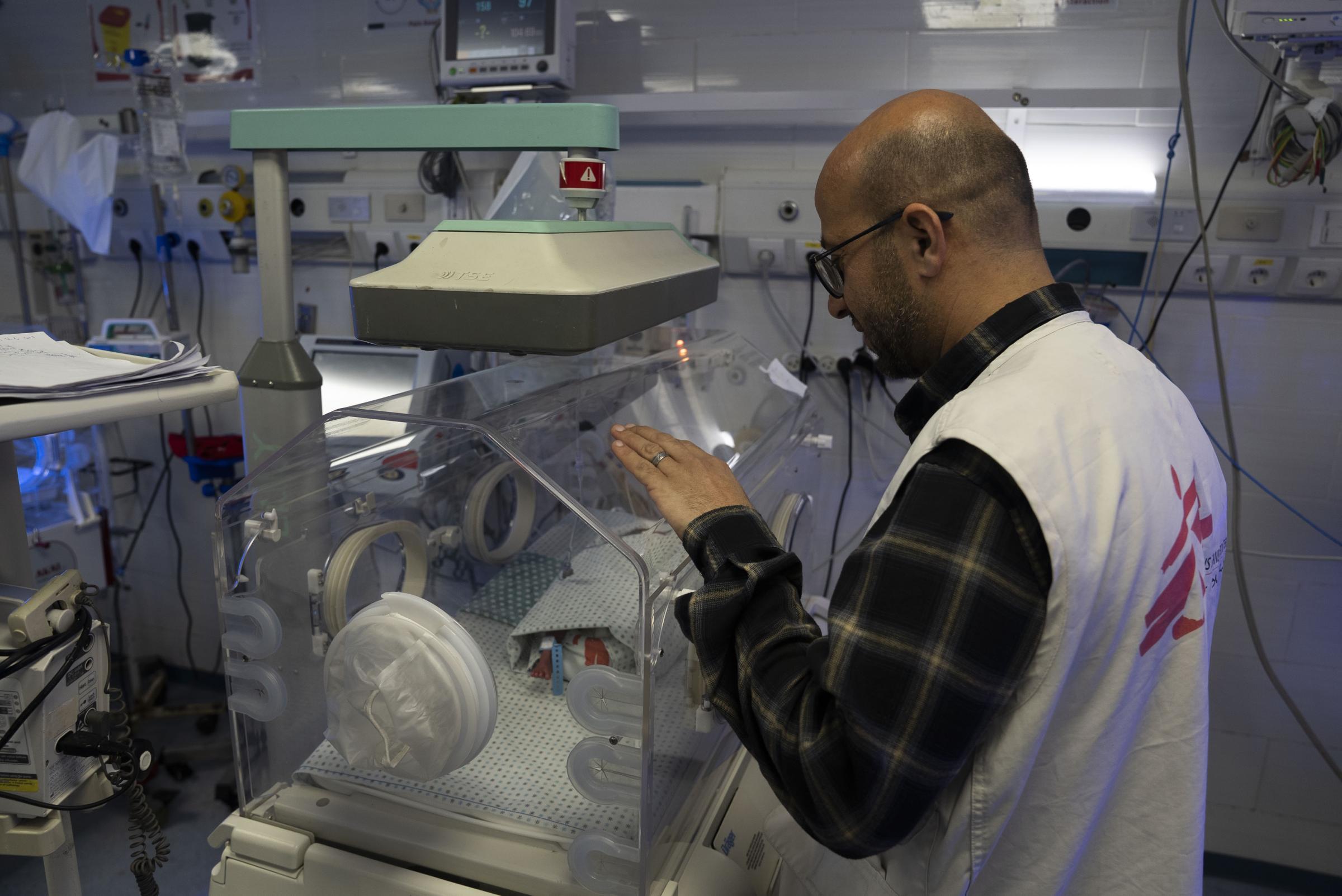
In addition, engine oil is running critically low, which is essential to keep generators and vehicles running. Without it, hospitals, water systems and transport come to a halt, putting lives at risk, including babies in incubators who rely on generators to keep them alive.
Our teams have been unable to directly bring any supplies into Gaza since 1 January, after Israel deregistered MSF from working in Palestine. However, we continue to run our activities across the Gaza Strip and will continue to do so for as long as possible. MSF urgently calls on Israeli authorities to allow the immediate entry of sufficient essential humanitarian supplies, including engine oil. Lives depend on it.
.
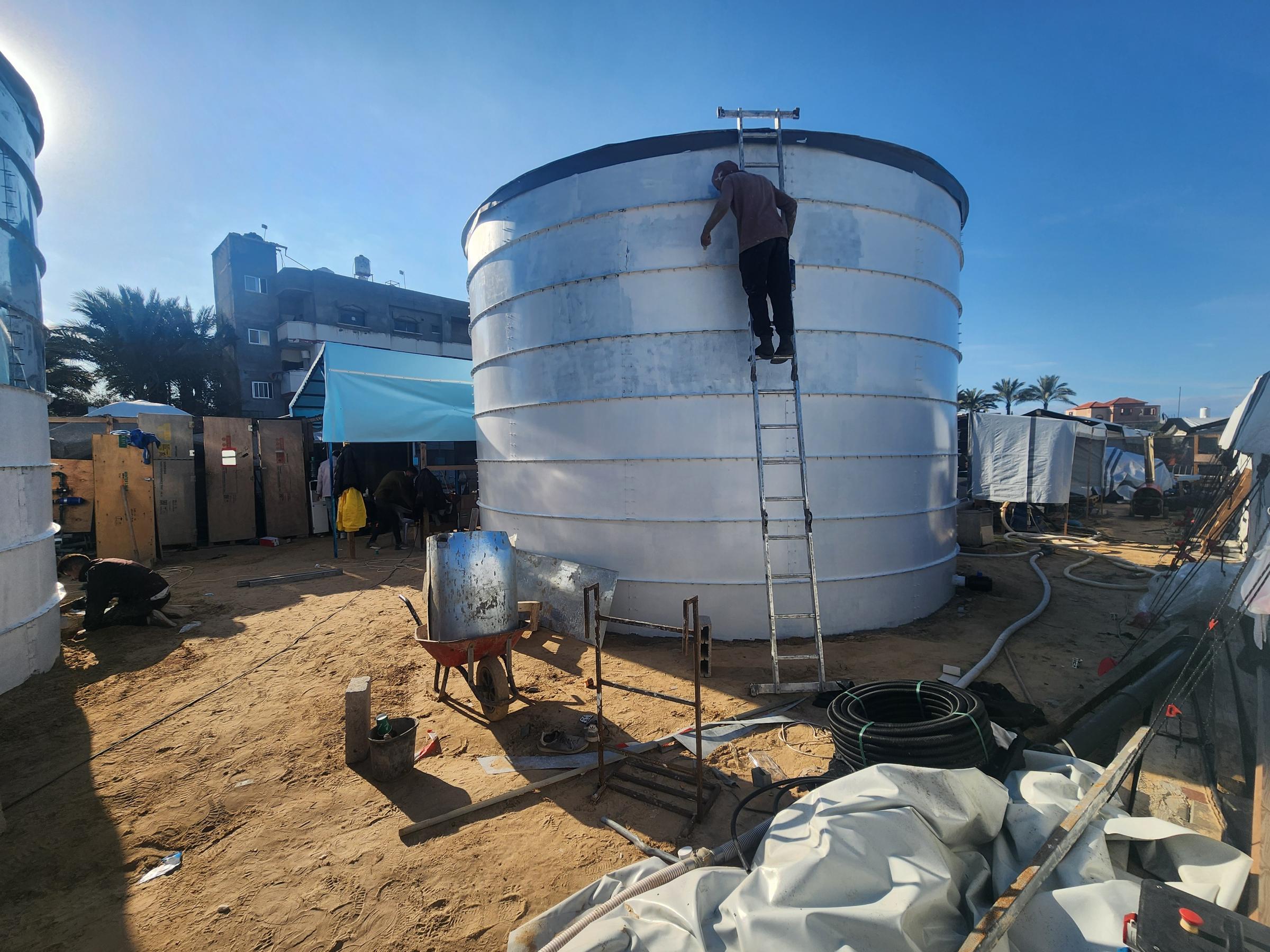
4. The inhumane deprivation of water by Israel is causing preventable diseases and illnesses
Israel has destroyed or damaged nearly 90 per cent of water and sanitation infrastructure in Gaza, including desalination plants, boreholes, pipelines, and sewage systems. MSF teams have documented the Israeli military shooting at clearly identified water trucks and destroying boreholes that were a lifeline for tens of thousands of people. Violent incidents have often occurred as water was being distributed to people, injuring Palestinians and aid workers, and damaging equipment.
The consequences of this deprivation of access to water are far-reaching on people’s health, hygiene, and dignity, particularly for women and people with disabilities. Access to basic hygiene, including clean water, soap, diapers, and menstrual hygiene products, has become extremely difficult. People are forced to dig holes in the sand as toilets, which flood and contaminate the surroundings and groundwater with faeces.
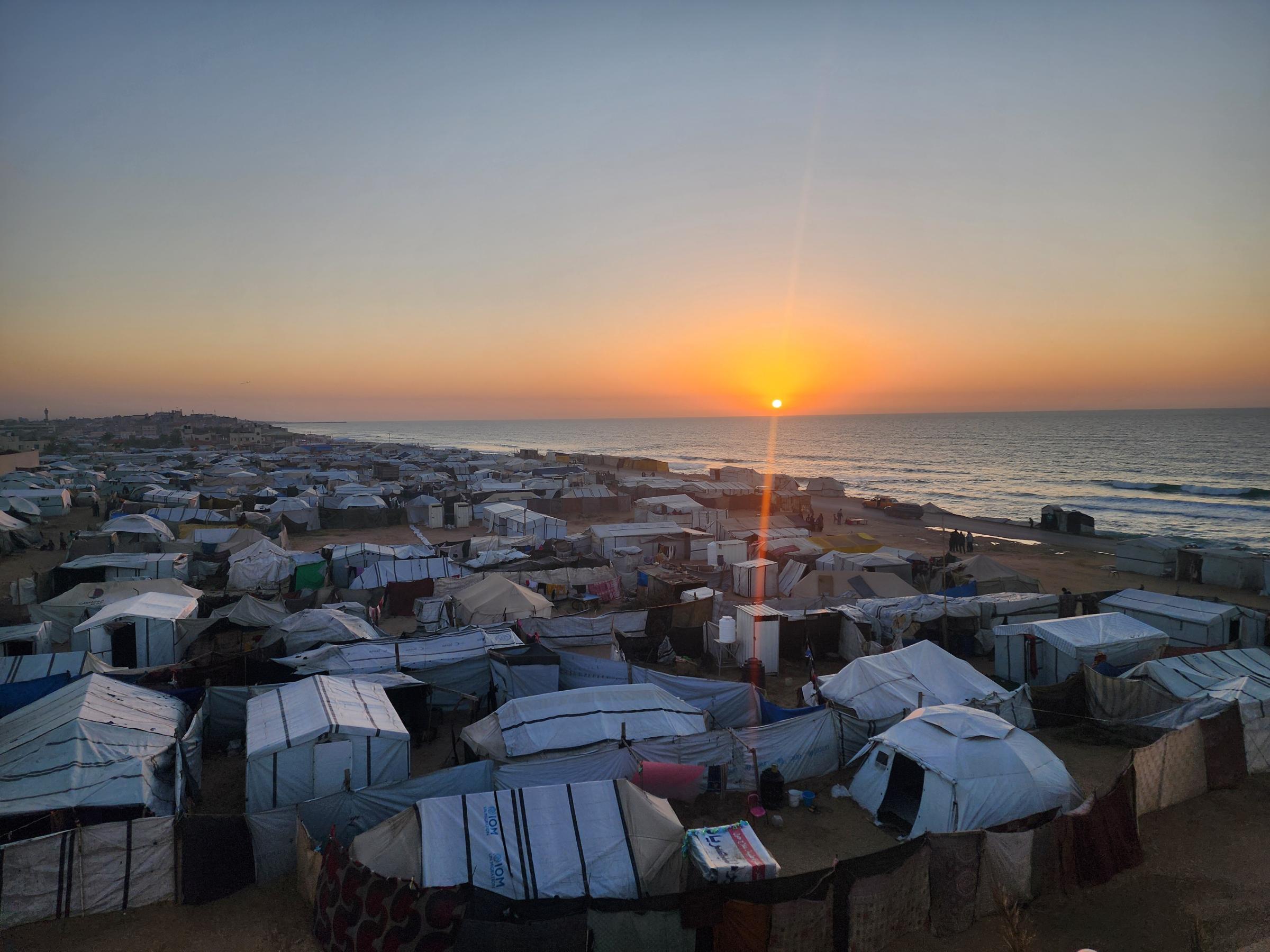
The lack of access to water and hygiene, coupled with life in dire and undignified conditions, like overcrowded tents and makeshift shelters, also leads to an increase in diseases, including respiratory infections, skin diseases, and diarrhoeal diseases. These are predominant conditions we see in our general healthcare centres.
.
5. Amid a relative stabilisation, malnutrition continues to be a concerning issue
Malnutrition remains clinically significant in Gaza and the situation is extremely fragile. In the first quarter of 2026, a total of 383 children were admitted to MSF’s outpatient therapeutic feeding centres, including 35 per cent with severe acute malnutrition. In the same period, out of 5,996 pregnant women, 24 per cent were identified as affected by malnutrition at Nasser and Al-Helou hospitals. We are also seeing patients who relapse.
This highlights the devastating impact that the 2025 famine, driven by the conflict, insecurity and Israel’s deliberate blockade, had on people’s health. Multiple factors are contributing to this fragile situation. According to the UN, unemployment is at 80 per cent, while many food prices have doubled – making fresh and protein-rich food unaffordable for most families. People also rely heavily on daily community kitchen distributions, with one in every five households still eating just one meal a day, according to OCHA. While more trucks are now entering Gaza, the majority of them are commercial, not humanitarian aid.