Zambia
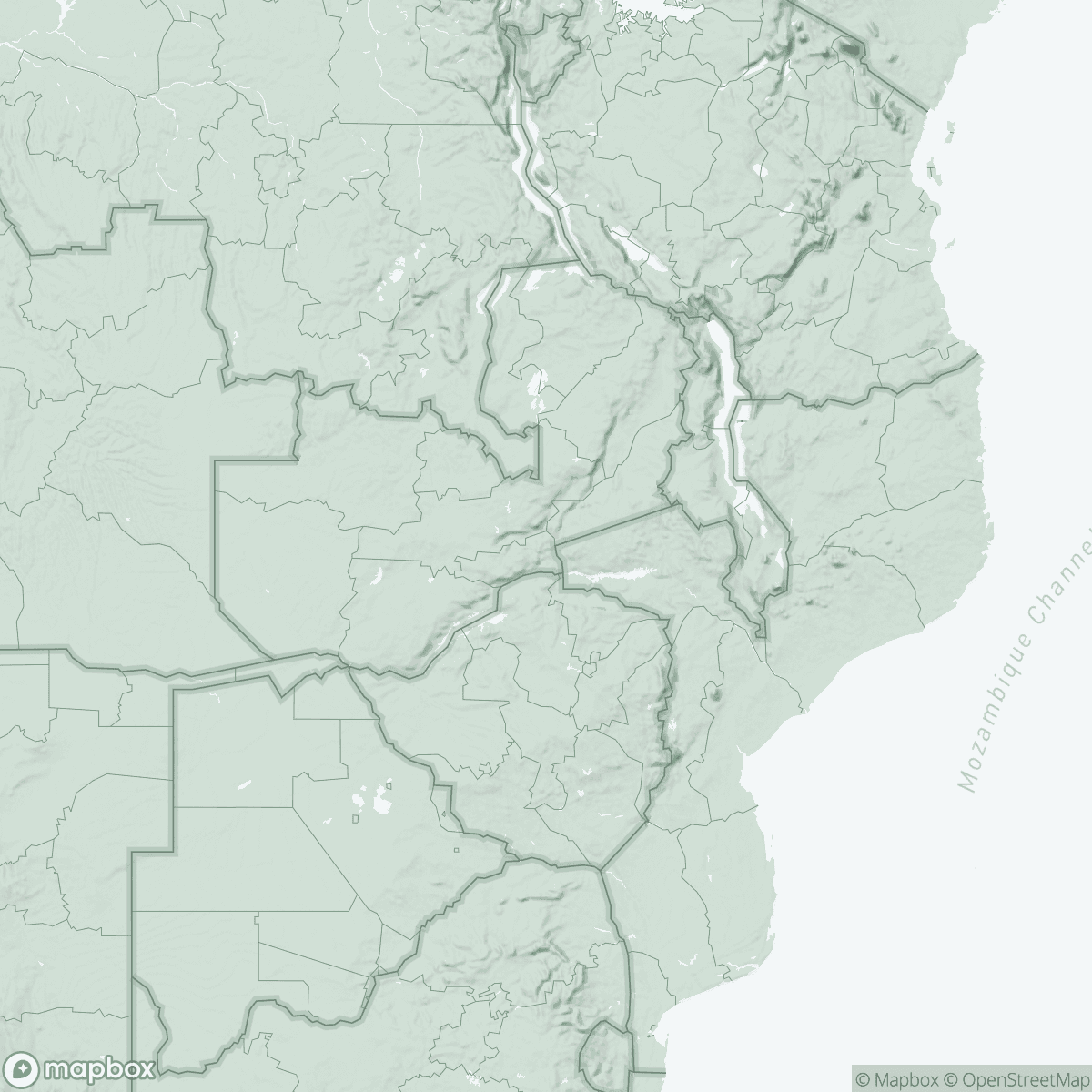
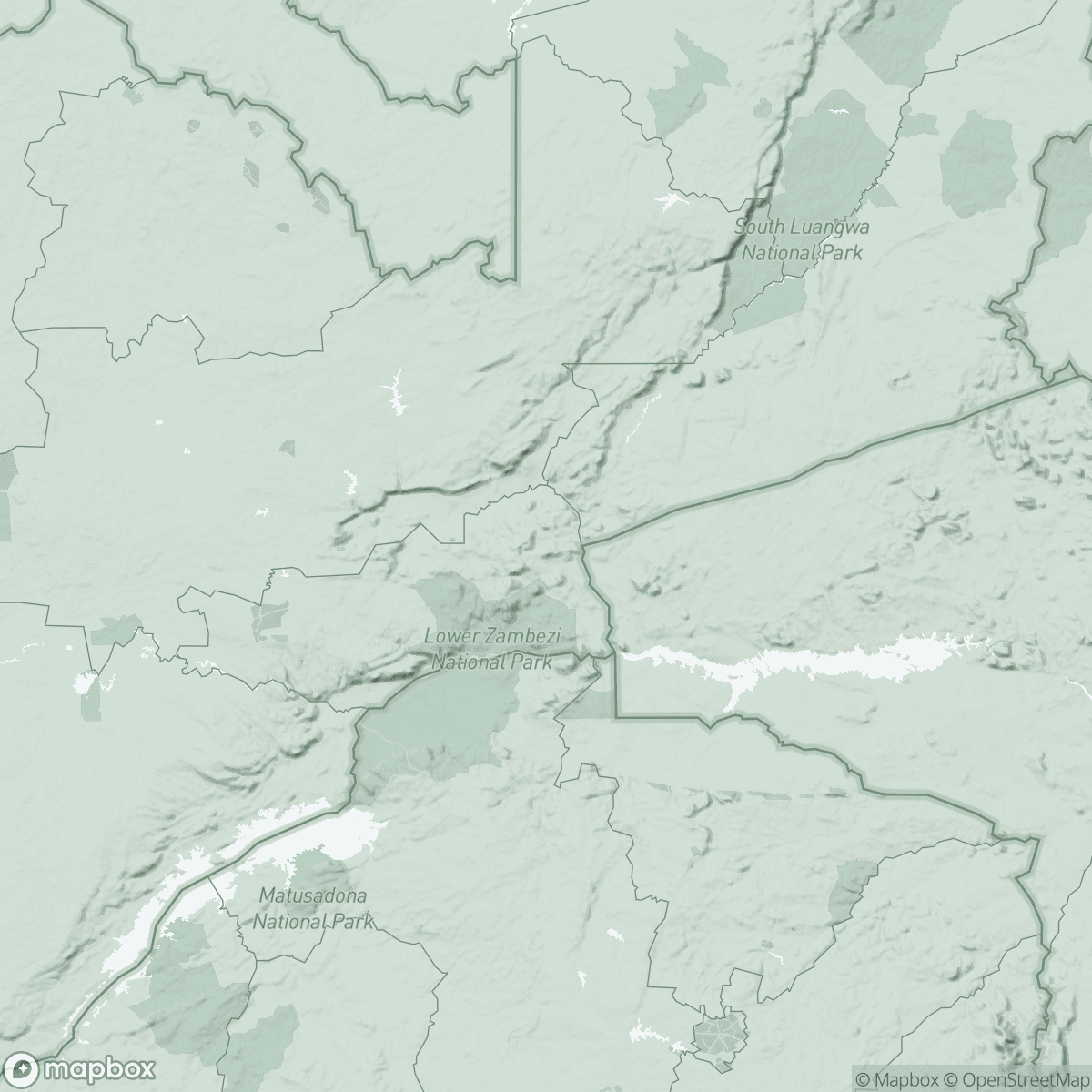

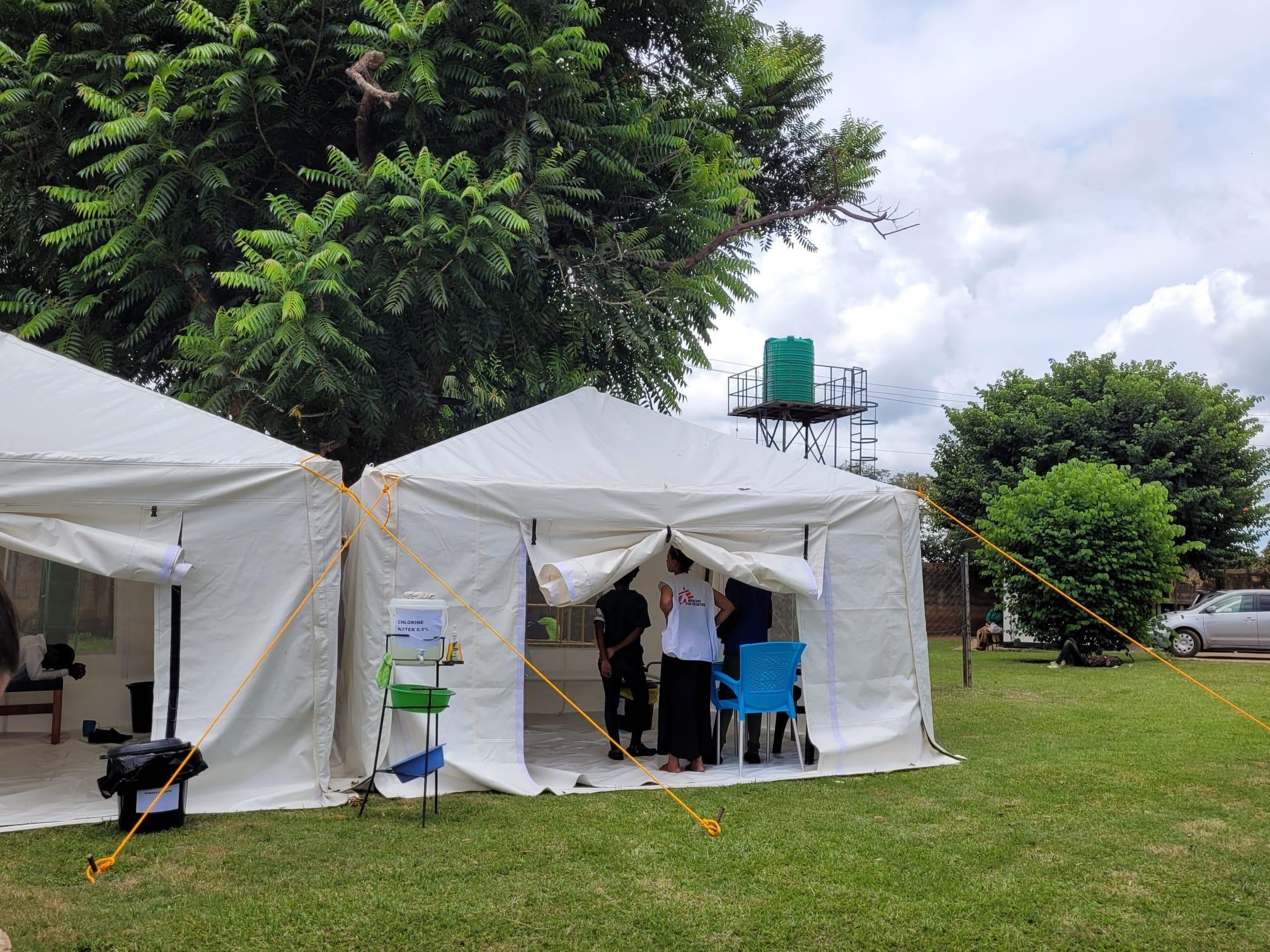
Cholera is a persistent public health challenge in Zambia. In January 2024, Médecins Sans Frontières (MSF) responded to an outbreak in the capital, Lusaka.
Our activities in 2024 —

litres of chlorinated water distributed

people treated for cholera

latrines built
There are many factors that contribute to the frequent outbreaks of cholera, including rapid population growth, the proliferation of informal settlements, inadequate access to safe drinking and sanitation services, pollution, and insufficient water quality monitoring.
In October 2023, cholera was again reported around Lusaka, and spread rapidly because there were inadequate sanitation services for the large number of people who had gathered for seasonal festivities.
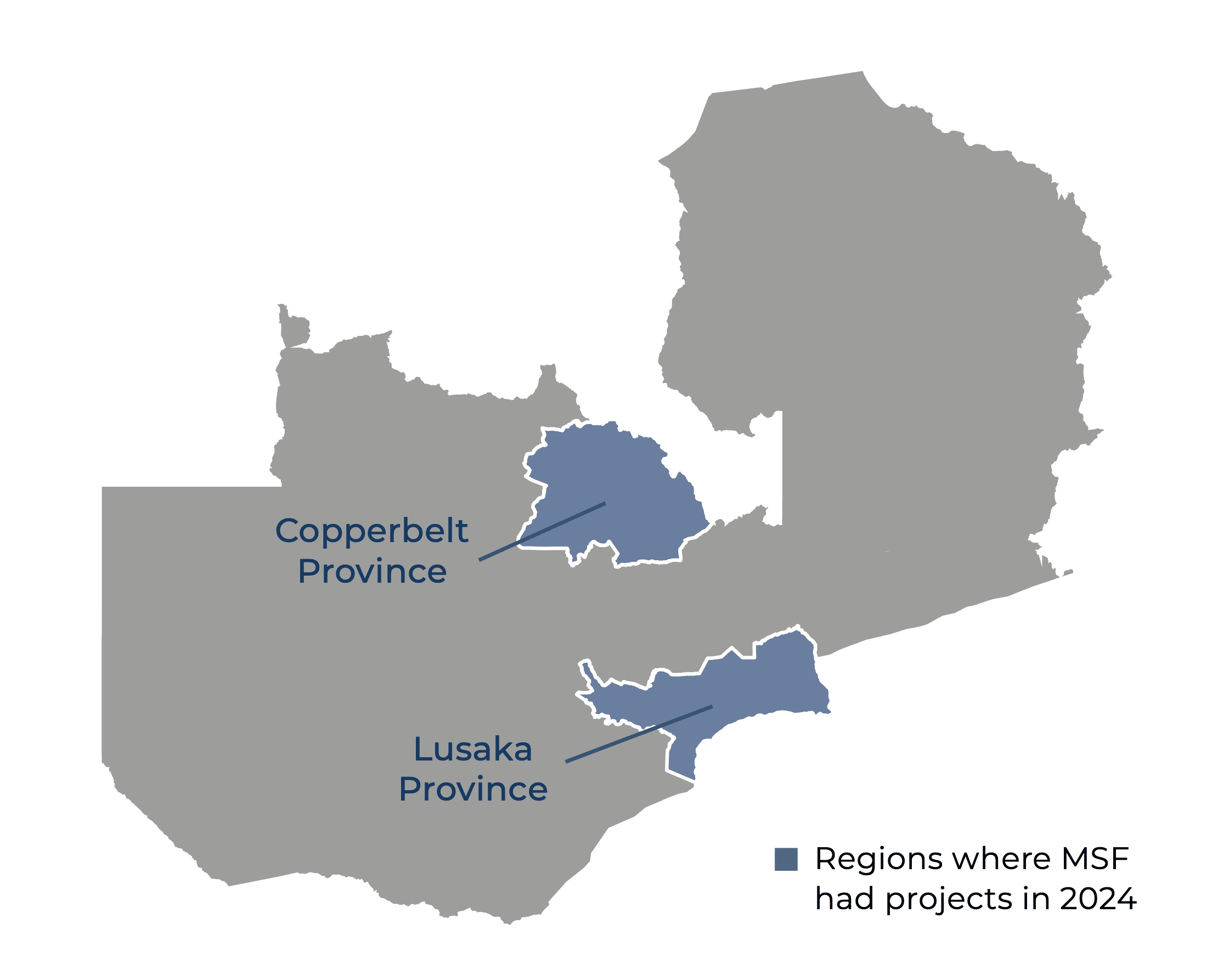
Cases continued to increase, leading to a surge in early 2024, which overwhelmed health facilities. The Ministry of Health declared a national emergency, setting up a 1,000-bed cholera treatment centre (CTC) at Lusaka stadium, and requesting aid from various organisations, including MSF.
We started to support the response in January 2024, seeking to reduce transmission and strengthen community resilience through awareness-raising activities and various water, sanitation, and hygiene initiatives.
In addition, we set up oral rehydration points (ORPs) in districts such as Kanyama and Chawama, to bring care closer to communities and reduce the risk of people becoming severely ill. By establishing these ORPs in the community, we also reduced pressure on CTCs. Our key achievements included developing national cholera guidelines in collaboration with the Ministry of Health, training ministry staff on the management of ORPs, and improving patient care and infection prevention and control measures across treatment centres.
We finished our response in March 2024.