Refugees and displaced people
Last updated: November 2025
There are more forcibly displaced people around the world today than at any other time in modern history. 117.3 million people have been forced to flee their homes due to violent conflict, natural disasters, and economic or political upheaval.
Forced migration is a growing crisis as instability from climate change, conflict, and other events lead to mass displacement. People who have been uprooted from their homes often face further struggles on their journey to find safety, including a lack of access to essential needs like clean water, food, shelter, personal security, and health care. As they seek safety, many struggle to survive with what little savings or possessions they manage to bring with them, and become prime targets for violence, extortion, and human trafficking.
Doctors Without Borders/Médecins Sans Frontières (MSF) provides medical humanitarian care to displaced people and people forced to migrate at every step of their journey, from treacherous migration routes to the inhumane detention centers where many end up once they reach their destination. We also bear witness and speak out against harmful government policies that shut out vulnerable displaced people.
In simple terms: Forced migration and displacement
- Asylum seeker: A person who has left their country to seek protection from persecution and serious human rights violations in another country, and who is now waiting to receive a decision on their asylum claim. Seeking asylum is a human right.
- Internally displaced person: An internally displaced person (IDP) has been forced to flee their home but remains within the borders of their own country.
- Migrant: There is no internationally accepted legal definition of a migrant. It can be a person who is neither an asylum seeker nor a refugee, but who is living outside their country of origin (this can be for various reasons).
- Refugee: A person who has fled their own country, due to the risk of serious human rights violations or persecution, and has now sought and been granted safety by another country. Refugees have a right to international protection.
- Stateless person: Someone who is not recognised as a citizen under the laws of any country, which means, simply, that they hold no nationality.
What is MSF doing to support displaced people?
As an independent humanitarian medical organisation, MSF responds to displacement crises across the world.
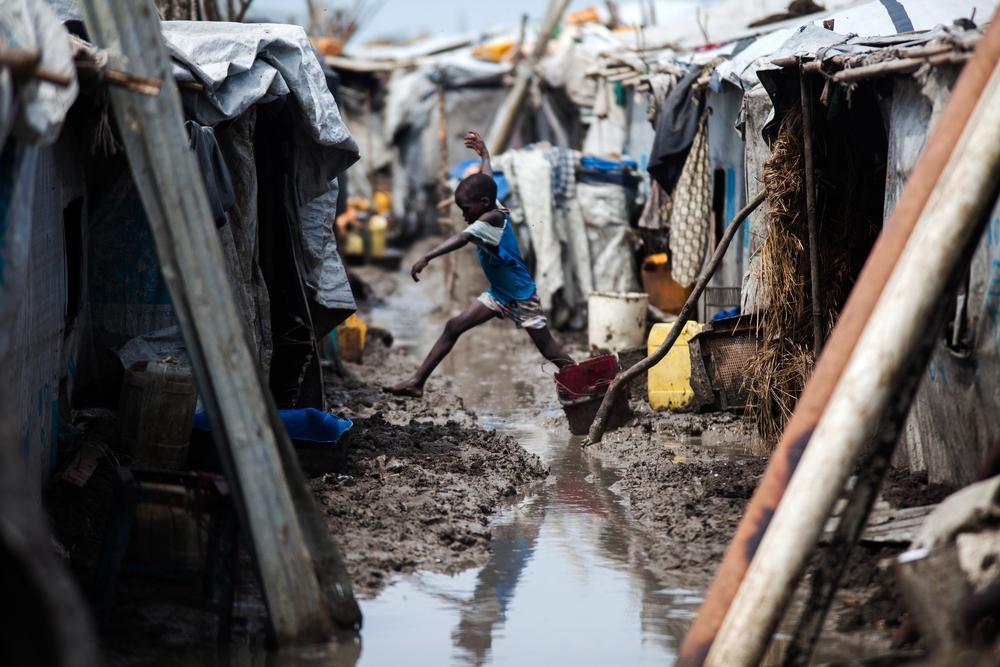
From migration routes in the Americas to refugee camps in South Sudan, our teams provide care to those who are displaced, internally or across borders. We work closely with affected communities, providing displaced people with the healthcare they need, from psychological support to life-saving nutrition.
Our teams work to address the health impacts of forced migration and displacement. This includes:
- Ensuring access to essential medical care and services
Vital healthcare needs are often not met when people are on the move. In displacement camps, for example, which often lack adequate water, hygiene, and sanitation infrastructure, displaced people are at high risk of contracting and spreading communicable diseases like measles, malaria, and cholera.
- Responding to the impact of violence and abuse
Displaced people may experience this in various forms, including torture, sexual and gender-based violence, kidnapping, arbitrary detention, denial of access to care and basic needs and protection systems. It can happen to an individual while on the move or when they arrive at their permanent or temporary destinations. And, it may be carried out by border and security forces, gangs, or come in the form of harsh deterrence policies enacted by national governments.
- Providing mental health care
Many people experience mental health conditions and psychological distress because of the circumstances or crises they initially fled. This may then be exacerbated by hardship and trauma experienced along their journey or during their interaction with border and security forces, gangs or even government systems.
people are forcibly displaced worldwide in 2025
out of 70 people on Earth has been forced to flee
people are internally displaced