MSF’s response to conflict in the Middle East
Last updated: May 6, 2026
The war has had a devastating impact on both Iran and Lebanon, with civilians bearing the brunt.
Thousands of people have been killed or injured across the region, and millions have been forced from their homes, often multiple times. In Lebanon alone, more than one million people have been displaced, while large numbers of households in Iran have also been affected by displacement and destruction.
Basic services and healthcare systems are under severe strain. Attacks and insecurity have forced hospitals and health facilities to close or operate at reduced capacity, leaving people without access to essential care and increasing the risk of preventable deaths.
The psychological toll is immense. Repeated displacement, constant exposure to violence, and the loss of family members, homes, and livelihoods are driving widespread trauma and long-term mental health needs.
The war is also deepening economic and humanitarian crises. In Lebanon, it is worsening an already fragile situation marked by mass displacement, destruction of infrastructure, and rising food insecurity. In Iran, the conflict has disrupted daily life, damaged infrastructure, and contributed to instability and reduced access to basic services.
In Iran
More than nine weeks after the war in Iran began, the impact of the war continues to be felt across the health system, supply chains, and access to basic services. Although the ceasefire has brought some relief, the situation remains fragile and uncertain.
In Lebanon
Humanitarian needs remain immense, with many people unable to return home because their houses and villages have been destroyed, or because continued attacks, evacuation orders, and the presence of Israeli forces prevent them from reaching their towns.
More than eight weeks after the escalation in Lebanon began on 2 March, the temporary ceasefire that came into effect on 17 April has brought a fragile sense of relief, but the situation remains highly uncertain. While the intensity of bombardment has decreased in parts of the country, the ceasefire has not halted the violence, particularly in southern Lebanon, where Israeli attacks continue and communities face widespread destruction, ground incursions, and occupation of Lebanese territory.
Many towns and neighbourhoods have been heavily damaged, with essential infrastructure — including hospitals, roads, and water systems — destroyed or severely disrupted.
Impact on MSF's operational environment in the Middle East and beyond
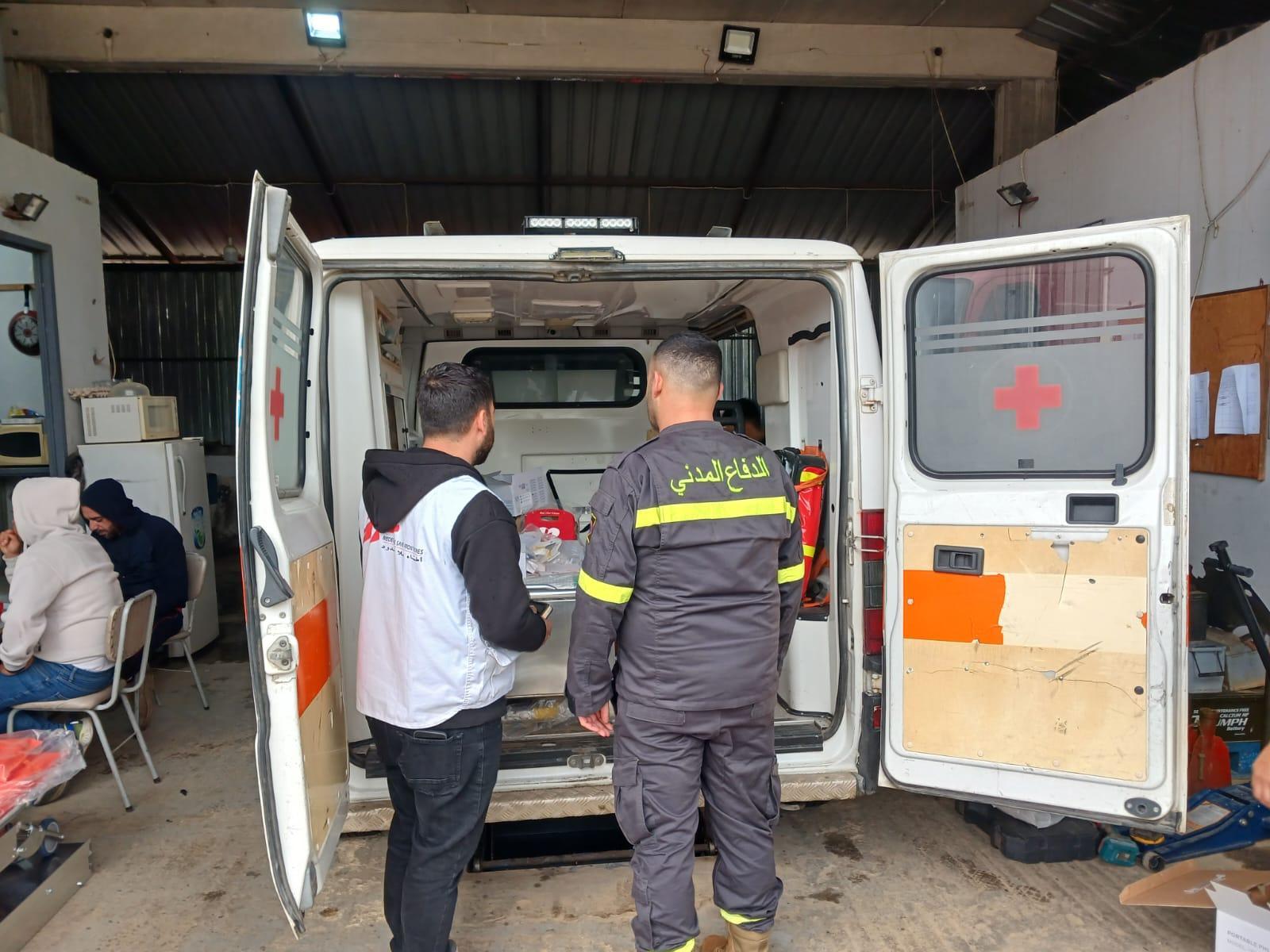
Supply chains remain under pressure due to rising fuel, transport, and procurement costs, longer delivery times, and rerouted cargo, while increased prices and possible fuel shortages could further affect access to essential services, including healthcare, especially for people already facing displacement, financial constraints, and limited access to basic support. Across the Middle East and beyond, the ceasefires have brought some improvements in security conditions, movement, and airspace access, however, the situation remains fragile and unpredictable, with continued volatility in some areas and wider regional disruptions still affecting MSF operations.
MSF’s Anticipation and Response to the Escalation of Conflict in the Region
MSF teams across the Middle East are fully mobilised with emergency teams deployed in Armenia and Iraq.
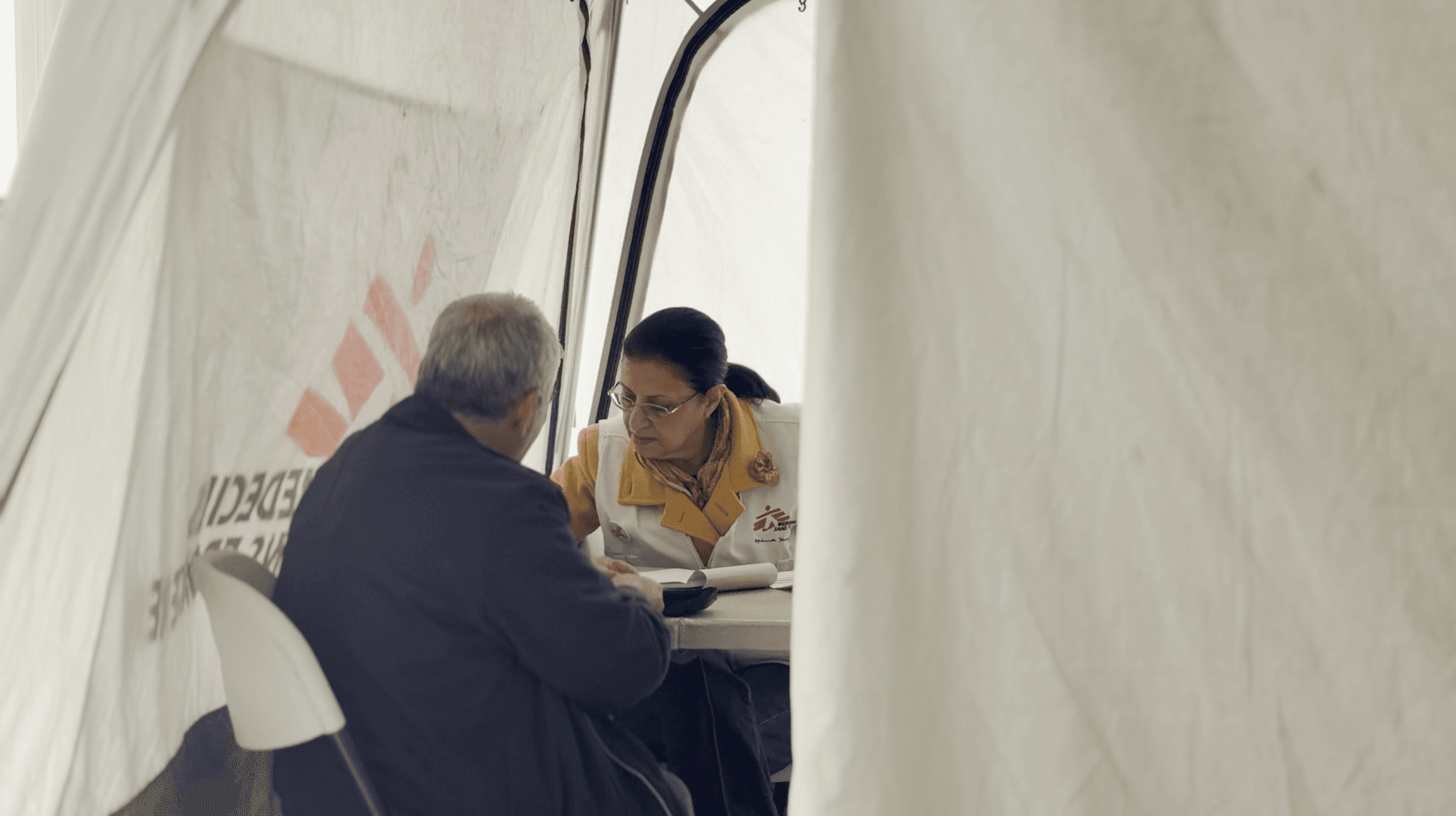
We are also adapting to uncertainty through preparedness and response measures, including monitoring the situation, contingency planning, pre-positioning and shipping supplies, using alternative routes, deploying mobile medical services, coordinating with health authorities and humanitarian partners, and revising costs where needed.
The aim is to maintain operational readiness, support strained health systems, and prepare for possible displacement or increased medical needs, with responses adapted to the evolving context in each country.
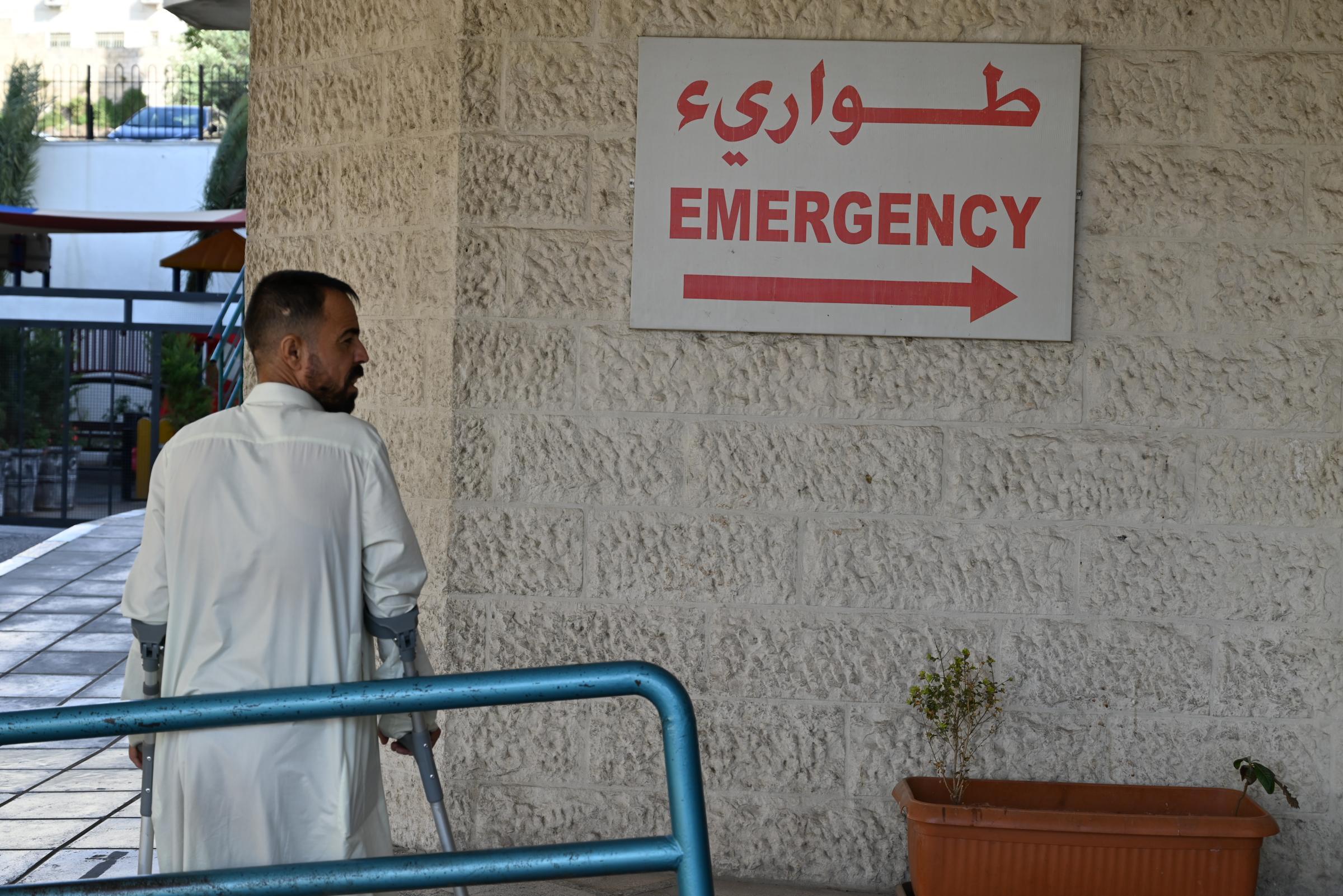
MSF Regular Projects: Our Work in the Middle East in the Current Context
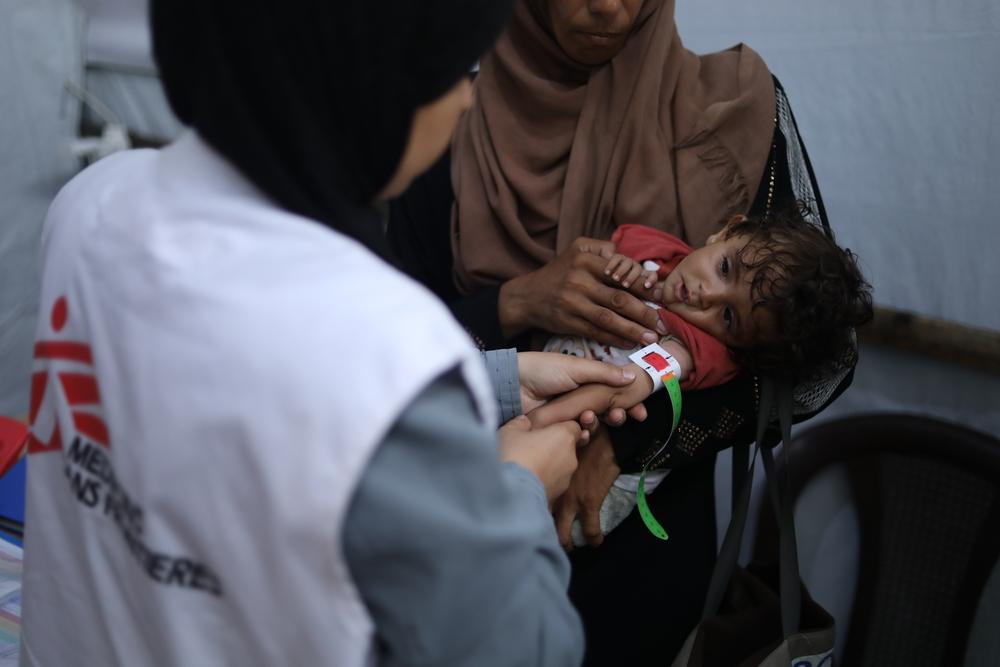
MSF operates a wide network of medical and humanitarian activities across the Middle East, providing essential healthcare to vulnerable populations affected by conflict, displacement, and limited access to services.
Across the region, our teams deliver a range of services including primary and secondary healthcare, surgical care, maternal and paediatric services, mental health support, treatment for chronic diseases, and water and sanitation interventions. We work through a combination of hospitals, primary healthcare centres, mobile clinics, and partnerships with local health authorities to reach communities in need.
Support Us
I choose my method of support ↓