MSF’s response to conflict in the Middle East
Latest update : 25th March, 2026
Médecins Sans Frontières (MSF) is alarmed by the dramatic escalation of conflict across the Middle East, following strikes by US and Israeli forces in Iran and Iran’s subsequent retaliatory actions across the region.
This escalation is deepening fear and insecurity for millions of people, including in Lebanon, Iran, and Gulf countries. Bombing continues across cities and villages, often affecting densely populated areas, with casualties rising and hundreds of thousands forced to flee.
MSF calls for the protection of civilians, hospitals, health facilities, and other essential infrastructure.
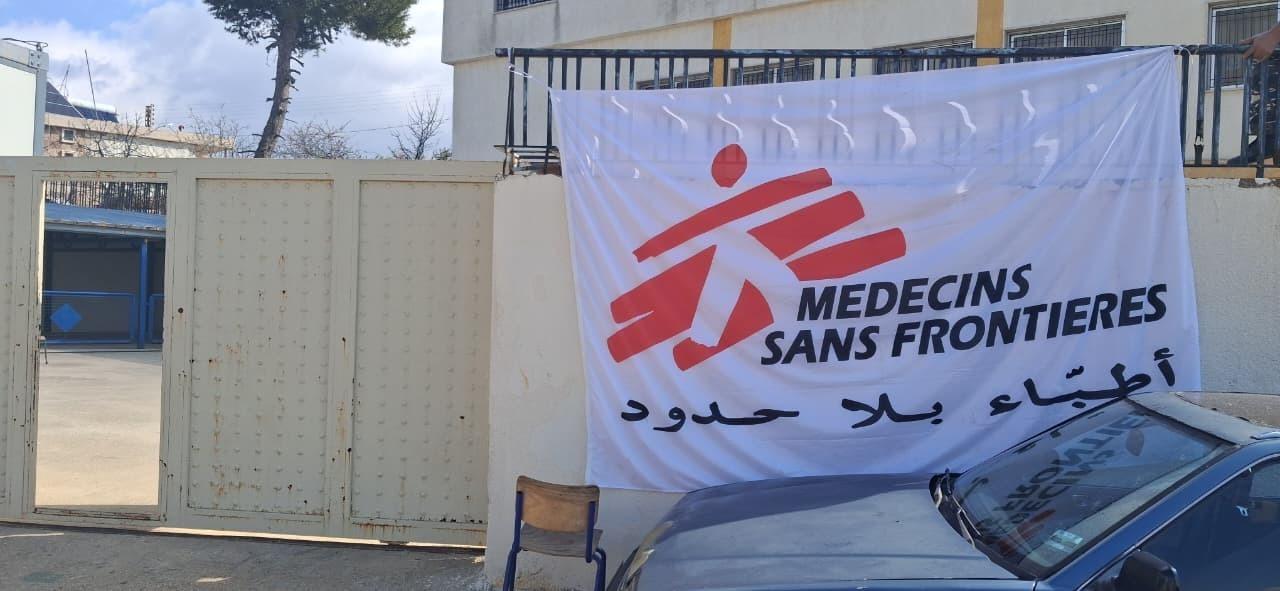
In Lebanon, MSF has launched a nationwide emergency response, delivering large-scale distributions of shelter materials, water, and essential items to hundreds of thousands of displaced people, while adapting activities to maintain continuity of care and support health facilities receiving casualties.
In Iran, MSF clinics remain prepared to respond to new and evolving emergencies. For now, MSF programmes are focused on supporting vulnerable populations. MSF is expected to reopen as a more specialized clinic in Teheran following the authorization granted in mid-March to strengthen support to local health systems responding to conflict-related needs. MSF has already provided initial donations and stands ready to further increase its support as needs evolve. Initial donations have already been delivered to the national emergency response, and we stand ready to scale up as needs evolve.
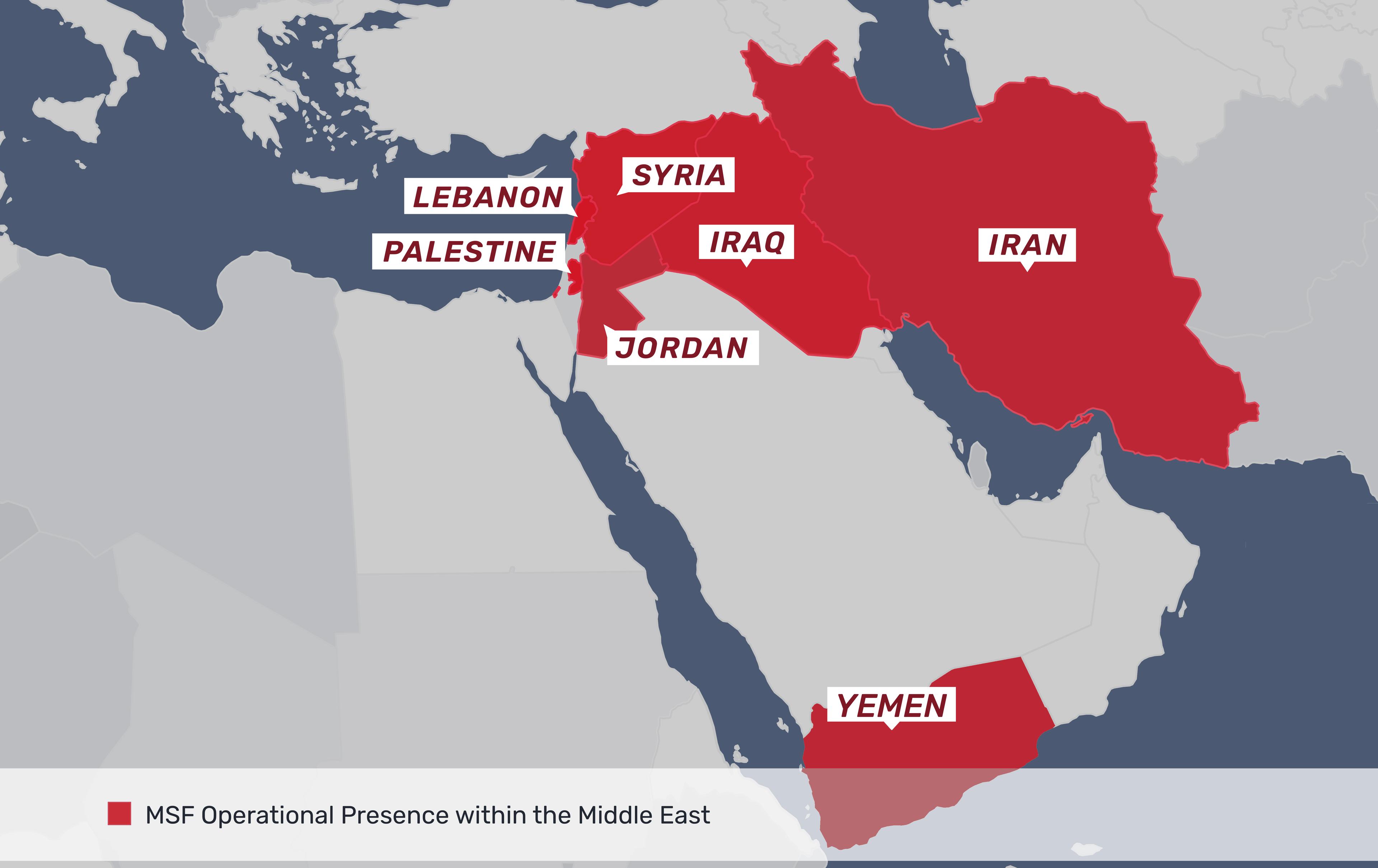
Regional tensions are creating an increasingly volatile and constrained environment for MSF operations across Lebanon, Yemen, Iraq, Iran, Jordan, Palestine, and Syria although the level and nature of the impact vary between countries. Overall, airspace closures and heightened security risks are restricting staff movement, delaying medical evacuations, and disrupting activities. At the same time, instability around the Strait of Hormuz is placing additional strain on logistics and supply routes. These developments are already affecting supply chains, increasing the risk of shortages of critical medical supplies, driving up fuel prices, and complicating both air and sea transport.
MSF teams across the region are fully mobilized, with emergency teams deployed in Lebanon, Armenia, and Iraq. Preparedness measures include contingency planning, close monitoring of the situation, pre-positioning of medical supplies, and deployment of mobile services to respond to growing needs. To mitigate the impact of disruptions, supply routes have been redirected through alternative channels, and efforts are underway to explore additional transport options, despite increased costs, to ensure the continuity of medical activities. Since 28 February, MSF has shipped 42 tons of medical supplies destined for the Middle East, including Iraq, Iran, Lebanon, Palestine, Syria, and Yemen.
Support Us
*The Middle East Fund makes it possible to finance MSF projects in Palestine, Egypt, Cyprus, Lebanon, Jordan, Iraq, Iran, Syria, Yemen, and Turkey, as well as medical evacuation operations.
As of 19 March 2026, the estimated budget required to cover our projects across the entire region amounts to €301 million.
MSF’s Anticipation and Response to the Escalation of Conflict in the Region
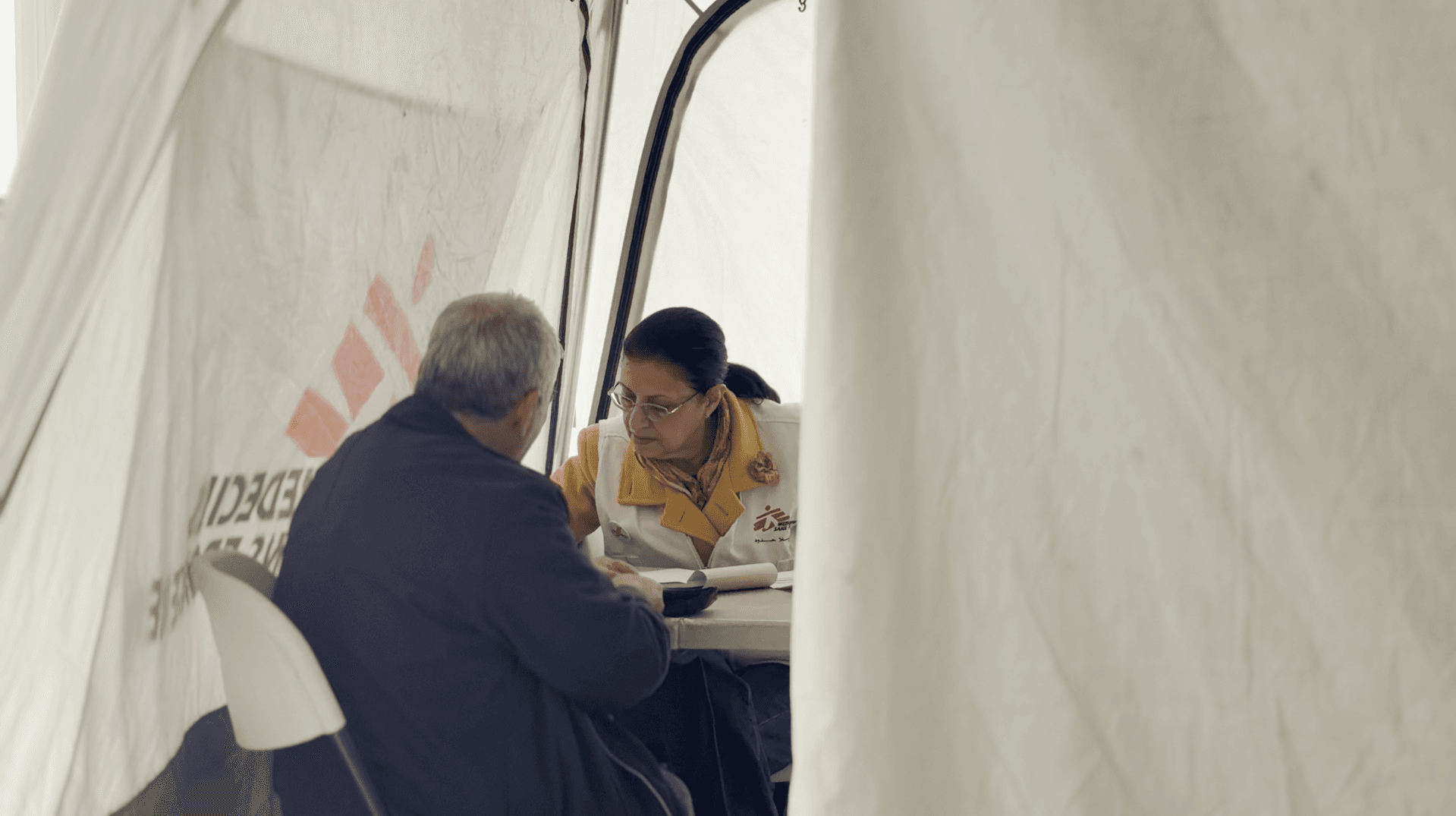
MSF teams in the Middle East have implemented preparedness and response measures, including situation monitoring, pre-positioning of supplies, and mobile medical services, to support health systems and address humanitarian needs related to the regional escalation. In addition, MSF runs 98 regular projects in the Middle East.
In addition, MSF teams have been present for several weeks in the Iraqi Kurdistan Region (KRI) and in Armenia, preparing responses for different scenarios, including population displacement and mass casualty incidents. Our emergency units are mobilized to ensure rapid coordination and response.
Since 28 February, MSF has shipped 42 tons of medical supplies to Middle Eastern countries, including Iraq, Lebanon, Palestine, Syria, and Yemen.
An MSF team is currently deployed at the Iranian border in Turkey to assess humanitarian needs. At this stage, no major needs have been identified.
MSF Regular Projects: Our Work in the Middle East in the Current Context
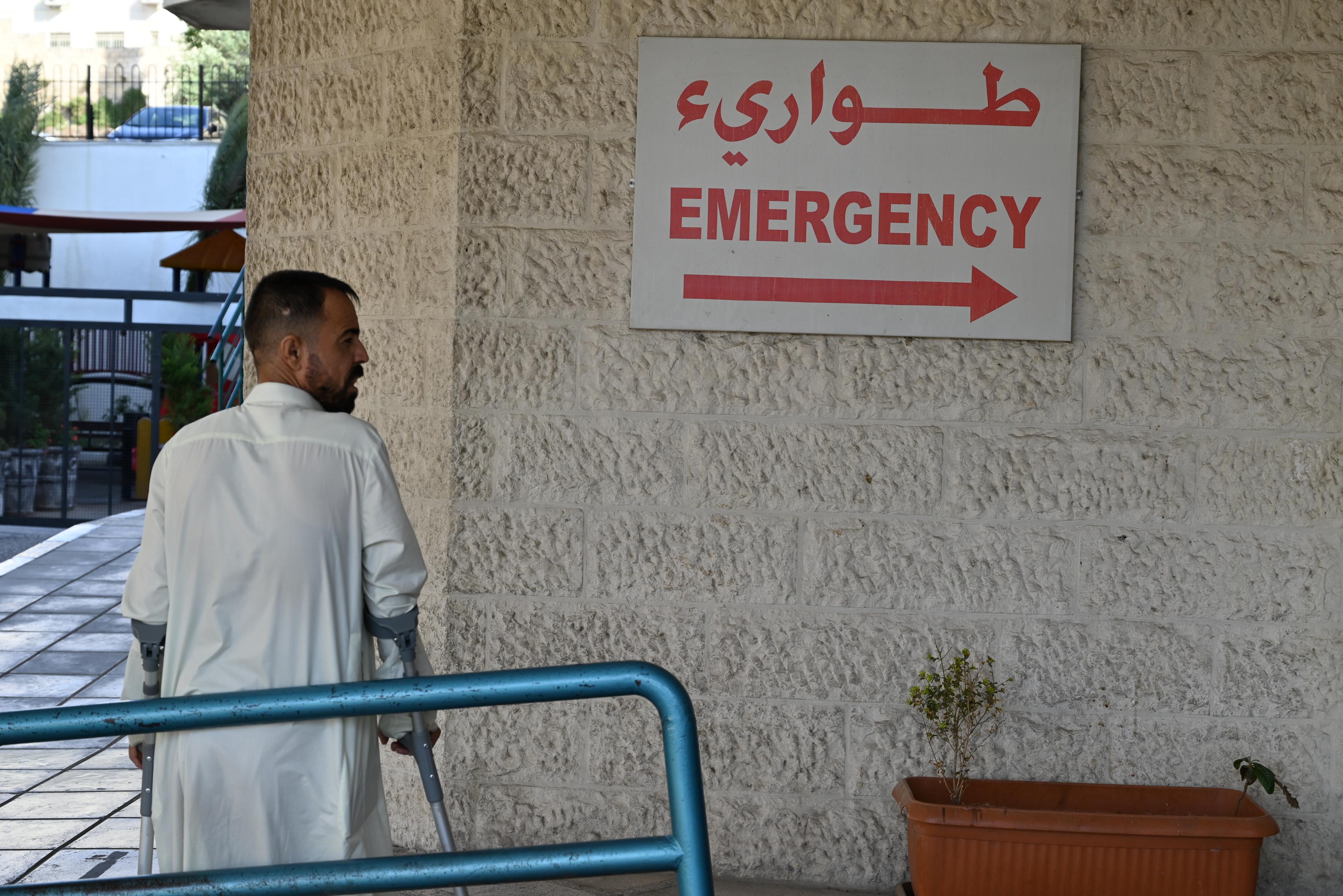
In the Middle East, in addition to its emergency activities, MSF runs 98 regular projects to provide essential care to vulnerable populations: primary and secondary healthcare, surgery, maternity and pediatric care, mental health services, treatment of chronic diseases, as well as water and sanitation programs, delivered through hospitals, mobile clinics, and local partnerships.
Support Us
*The Middle East Fund makes it possible to finance MSF projects in Palestine, Egypt, Cyprus, Lebanon, Jordan, Iraq, Iran, Syria, Yemen, and Turkey, as well as medical evacuation operations.
As of 19 March 2026, the estimated budget required to cover our projects across the entire region amounts to €301 million.