
Yemen: Delayed access to healthcare puts mothers and babies at risk
In 1 click, help us spread this information :
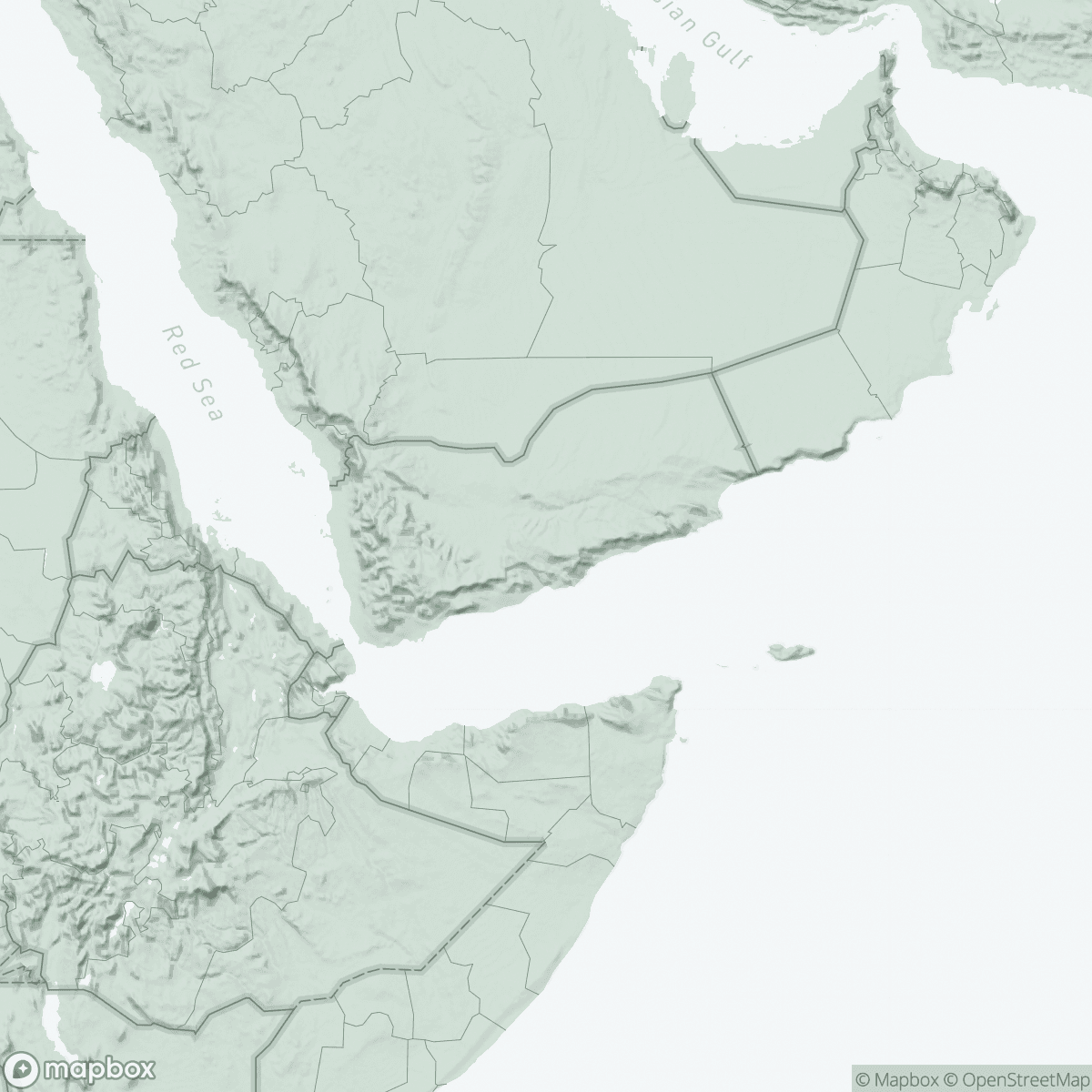
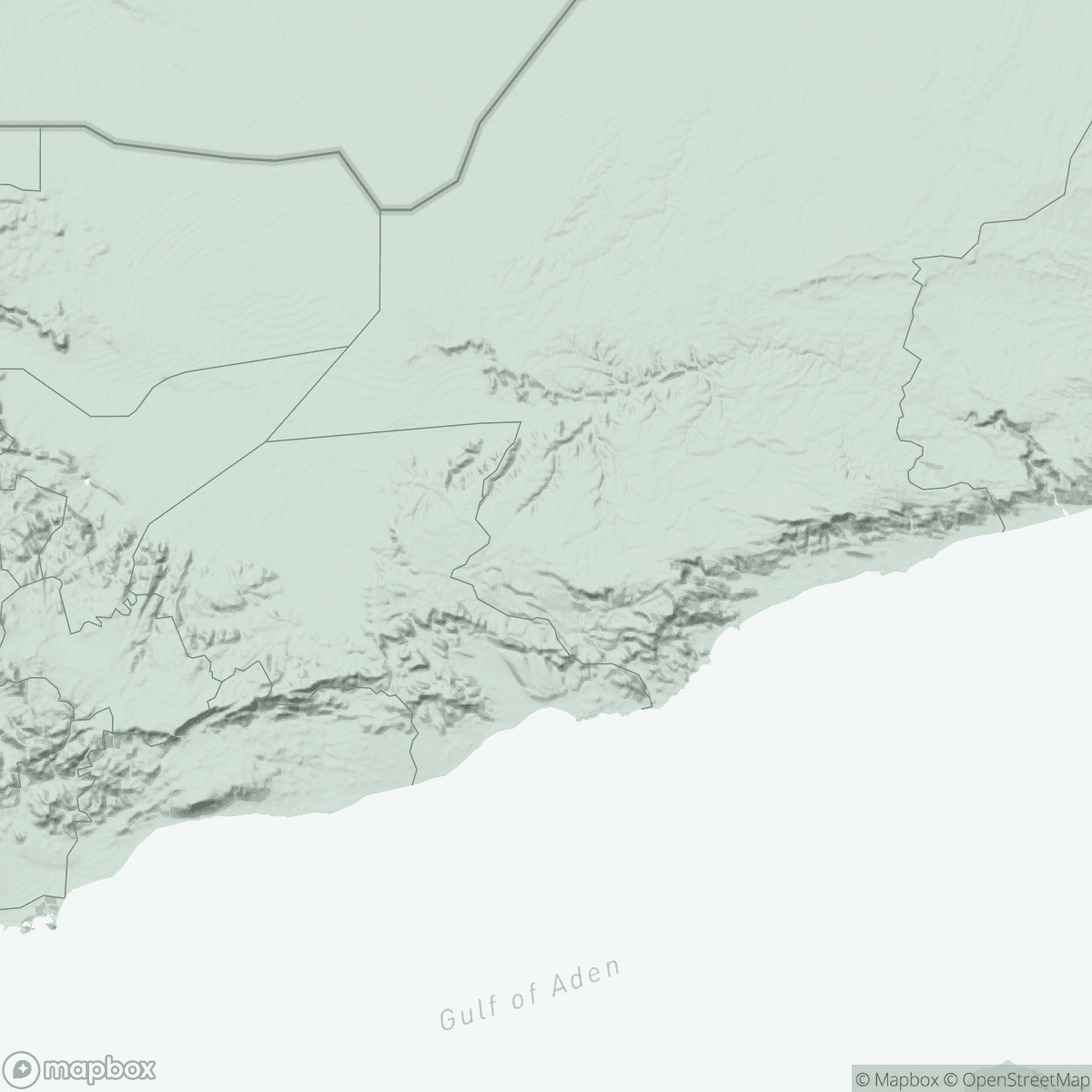
The escalation of conflict in Yemen is placing further pressure on an already weakened healthcare system. Along the country's western coast, particularly in Mokha and surrounding areas, insecurity, displacement, and fear of moving, are making it increasingly difficult for women and children to access essential healthcare with more than 357,000 people newly displaced, according to the International Organization for Migration IOM, medical needs continue to rise while access to healthcare becomes increasingly constrained.
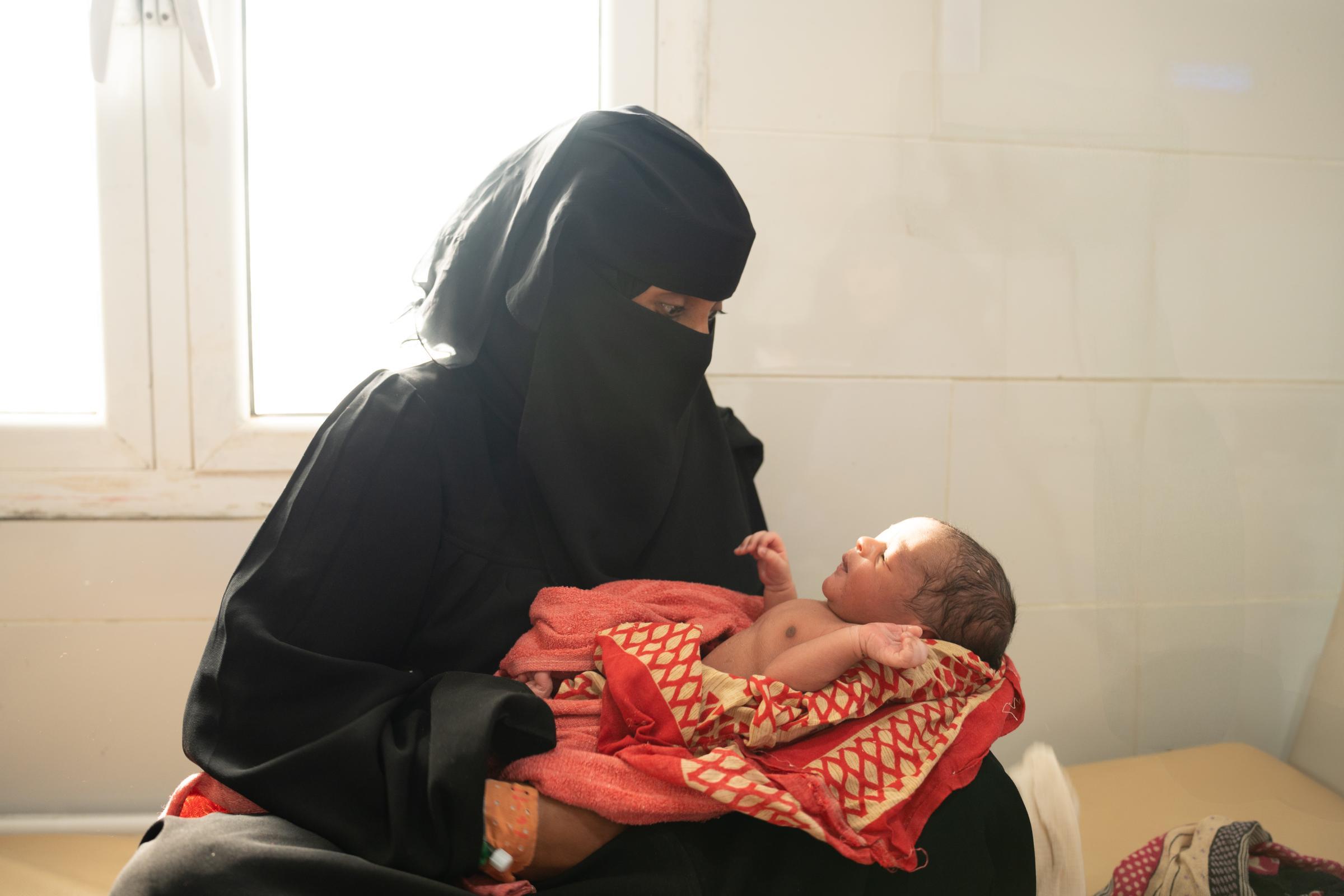
For pregnant women in Mokha, Mafraq (which is located 40 kilometers east of Mokha) and Khokha (60 kilometers north of Mokha), reaching a hospital safely can mean the difference between receiving timely care and facing potentially life-threatening complications. For newborns and sick children, delays in accessing treatment can have equally serious consequences.
Médecins Sans Frontières (MSF) has supported pediatrics services at Mokha General Hospital since May 2023 and integrated its already-existing maternity services at the hospital since July 2024, providing routine and emergency care to women and children However, the hospital itself is not immune to the impact of ongoing insecurity.
Women face several barriers to accessing healthcare, particularly fear of insecurity airstrikes and travelling at night. Some are also afraid that hospitals may be unsafe due to the changing security situation.
Financial difficulties and the displacement of family members further limit their ability to reach medical facilities. Others believe health centers are closed and choose to give birth at home instead, putting themselves and their babies at risk of serious complications”, says Samia Al-Rachid, a Yemeni midwife who works in Mokha hospital.
Explosions occur repeatedly in Mokha, including three on 26 October. One occurred just 150 meters from Mokha General Hospital, damaging the building and causing fear among patients and healthcare workers. Although no injuries were reported, the incident highlighted the risks faced by healthcare facilities and the potential disruption to essential medical services.
“As healthcare workers living nearby, we were also terrified by how close the explosion was the incident deeply affected the sense of safety of both patients' families and medical staff.” Adds Samia Al-Rachid
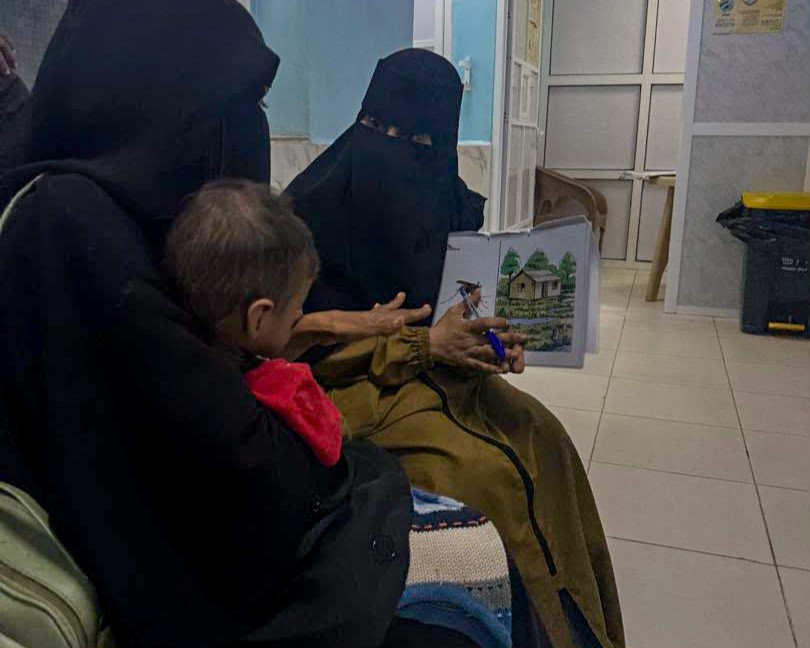
Fewer patients reaching healthcare facilities amid growing medical needs
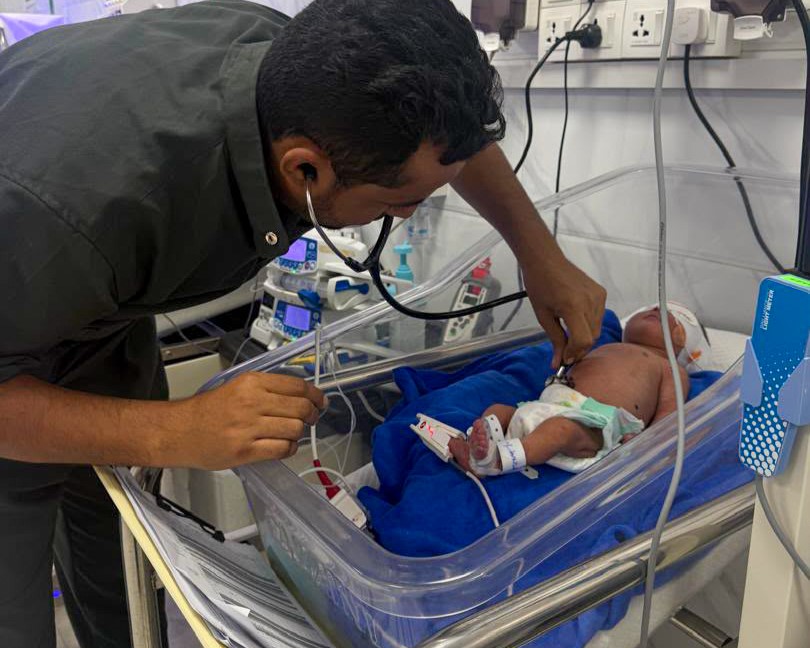
Between July and October 2026, there was a significant decline in activity at Mokha General Hospital. Outpatient consultations dropped by 60%, while reproductive healthcare consultations, including antenatal care, postnatal care, and family planning decreased by 50%. Maternal admissions fell by 43%. At the same time, the proportion of deliveries requiring caesarean sections increased from 27% to 33% in October.
“Unfortunately, I have witnessed several cases of women arriving at the hospital with serious complications after delaying seeking medical care. In one case, a woman arrived with a ruptured uterus. Sadly, the baby had died, and the medical team managed to save the mother's life at the last moment."
"In another case, a woman arrived with severe bleeding and required a hysterectomy to save her life."
"I also remember a case involving a woman with a breech presentation. During delivery, the baby's head became trapped, and sadly, the baby did not survive.” Samia Al-Rachid
Beyond Mokha General Hospital, MSF supports Mafraq and Khokha Primary Healthcare Centers, providing essential maternal and child healthcare and general outpatient services.
In October 2026, Khokha PHCC recorded an increase in the number of consultations compared with September, with maternity admissions rising by 34%, antenatal care visits by 24%, and outpatient consultations by 63%. However, Mafraq PHC suspended its activities for five weeks due to security concerns. This further affected the availability of essential healthcare services for the local community.
Protecting healthcare and ensuring safe access to essential medical services
At the same time, growing medical needs remain largely unmet due to the extremely limited presence of humanitarian and medical actors. Critical gaps in essential healthcare persist leaving vulnerable communities, particularly women, newborns and children, with limited access to life-saving services.
The challenges faced by patients in Mocha, Khokha and Mafraq reflect wider healthcare concerns across Yemen, where years of conflict have disrupted the availability and continuity of essential primary healthcare services.
“Displacement, fear of travelling, rising transportation and food costs, and the lack of functioning nearby facilities are creating multiple barriers. Crucially, the absence of humanitarian organizations is also severely affecting access to essential healthcare
There is an urgent need for humanitarian organizations to return to the West Coast and for health facilities to receive the supplies, financial support, and human resources needed to operate.
Even when fighting moves further away, its humanitarian consequences remain. Without sustained support, communities will continue to have fewer options when they need medical care." Said Itta Helland-Hansen, Country Coordinator.
*Name changed to protect identity