
Chad: In Metché, access to water becomes a matter of dignity / A matter of dignity: Access to water in Metché, Chad
In 1 click, help us spread this information :
"WASH (water, hygiene and sanitation) needs are set to become a major problem as the dry season approaches. A significant rise in waterborne diseases such as diarrhoea, scabies and hepatitis will further weaken the population in the refugee camps, who are already suffering from malnutrition and living in appalling sanitary conditions. The withdrawal of humanitarian organisations following drastic cuts in funding is only exacerbating a situation that was already at a critical stage."
— Roland Couprie, a Luxembourg resident working with Médecins Sans Frontières as a WASH (Water, Sanitation, and Hygiene) team leader
When dawn breaks over the Sudanese refugee camp of Metché in eastern Chad, the silence is never truly quiet. It is filled with waiting.
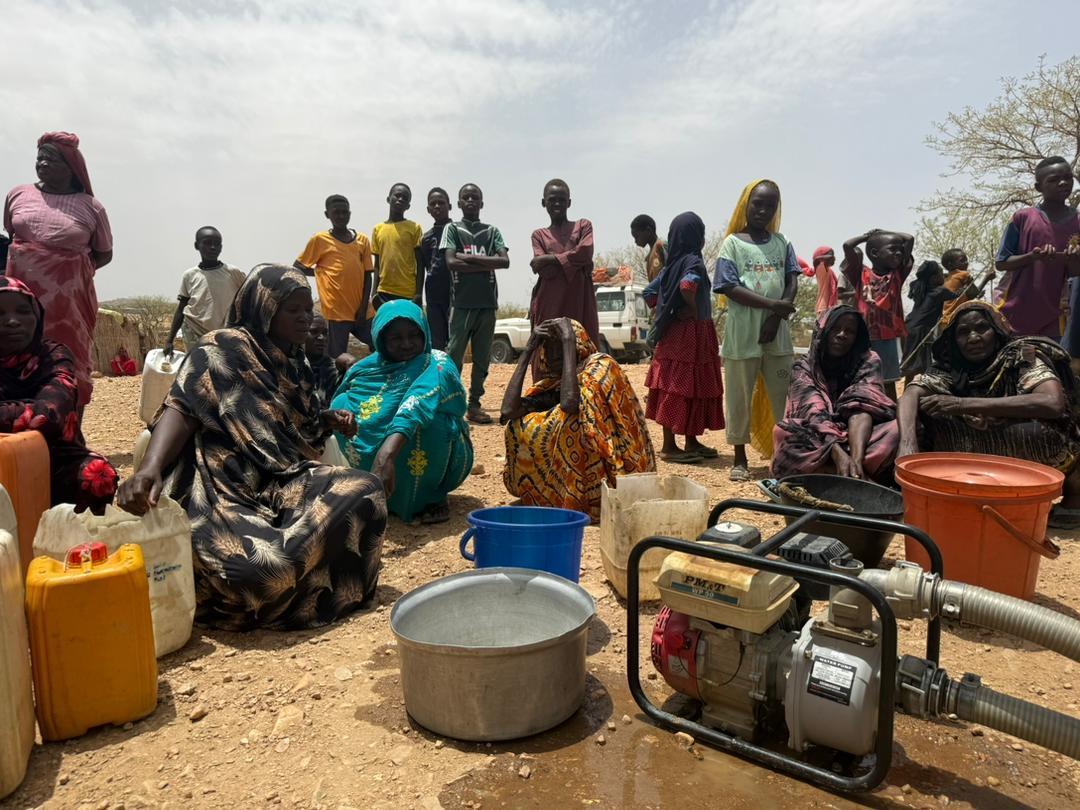
Even before the heat sets in, queues have already formed at the water points. Yellow, black and blue jerrycans line the ground alongside plastic basins and containers of wastewater — everyday objects that carry the full weight of survival here in the camp. A crowd of mostly women moves forward slowly, some already balancing a jerrycan on their heads, others holding their children by the hand.
Among them is Fatna. She lives in Zone 3, Block 5 of the camp. She fled El Geneina, Sudan, where running water was part of her daily life.
"We never lacked water, and we had safe drinking water," she says.
Today, Fatna searches for water not only for herself, but also for the six other members of her family.
Three jerrycans for two days
In Metché camp, obtaining water has become a matter of time management.
"It takes two days to get three jerrycans," Fatna explains.
Those three jerrycans of water — around 60 litres in total — must cover the essentials: drinking, cooking and washing. Sometimes, it’s not even enough for a single day.
"It’s not enough for us, especially if we have to do laundry,” she says. “Unless we buy more."
Water in the camp is supposed to be free and available in sufficient quantities. However, when they can afford it, some families rely on vendors who fetch water from outside the camp using donkey carts. This water is often unsafe for drinking, as it is collected from wadis, or riverbeds, but it helps compensate for shortages. Each jerrycan costs around 500 CFA francs [€ 0.76] — a considerable expense in Metché, where there are virtually no employment opportunities.
But the problem is not only the cost. It is also availability. Water points are overwhelmed. Queues are long. On some days, people wait for hours only to return the next day without having collected enough water.
When water becomes a matter of dignity
Fatna describes her repetitive routine: carrying jerrycans by hand, then on her head; leaving the containers under the sun, where they eventually crack; filling them, carrying them home, and starting all over again.
According to international humanitarian standards, every person should have access to 15 to 20 litres of water per day to meet their basic needs.
In Metché, however, those standards remain little more than an illusion. People do not wash when they want to — they wash when they can. They do not cook freely — they calculate. They do not drink whenever they are thirsty — they share. In daily lives reduced to the bare essentials, the conditions necessary for living with dignity are constantly undermined.
Because water is not only a vital resource; it is a fundamental human right, inseparable from human dignity.
A persistent lack of monitoring and maintenance
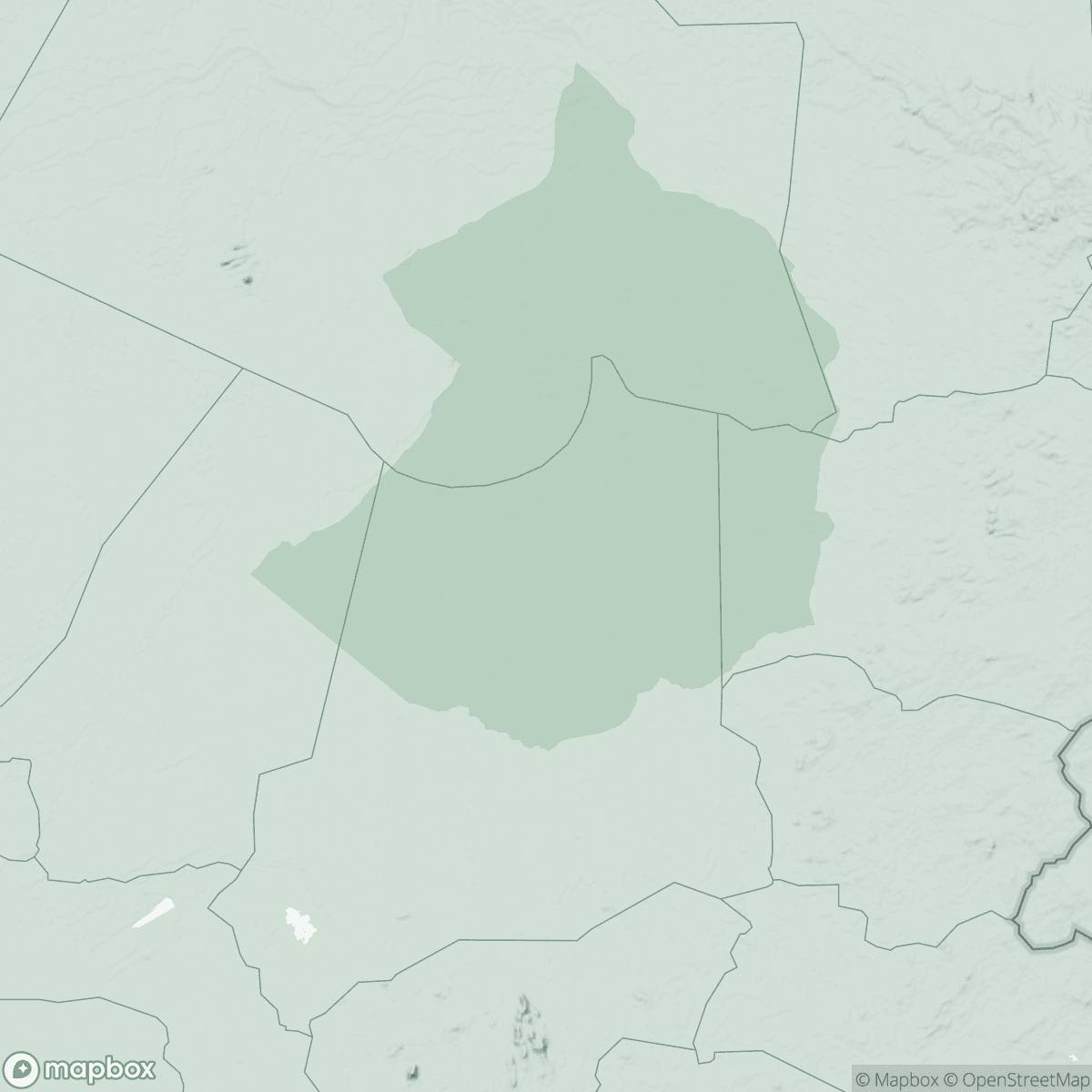
Metché camp was established three years ago by the United Nations High Commissioner for Refugees (UNHCR) to relocate Sudanese refugees arriving in their hundreds of thousands in Adré. The camp is now home to more than 40,000 people. While the security situation is relatively stable, living conditions, including access to water, remain catastrophic.
To understand the situation, one must look beyond the queues. Romaric, MSF's water, sanitation and hygiene (WASH) Supervisor, describes a system under immense pressure:
"The problem of access to water is primarily technical and structural. Water production no longer meets the needs of the population. The infrastructure was designed for the initial emergency phase. But the population increased rapidly with the influx of refugees. Demand has exceeded capacity."
Some areas remain poorly served because the water network was inadequately designed: Reservoirs are too far away, differences in elevation reduce water pressure, and some facilities are no longer operational due to insufficient maintenance. Indeed, the lack of adequate monitoring and maintenance by the partners responsible for water services remains a recurring and deeply concerning issue.
Furthermore, UNHCR and the Chadian authorities have announced plans to relocate more than 10,000 refugees currently living in Adré to Metché in 2026. Without the necessary resources and investment to improve conditions in the camp, this relocation could have disastrous consequences.
WASH: A system under strain
In Chad's eastern provinces, the situation was already fragile before the current crises. The massive arrival of Sudanese refugees has further increased pressure on water and sanitation resources.
Across several refugee sites, people receive less water than the minimum international standards recommend, while sanitation coverage also remains well below emergency standards.
These structural shortcomings significantly increase public health risks, particularly for waterborne diseases such as cholera and acute diarrhoea, as well as other faecal-oral infections. In 2025, several provinces were affected by a cholera outbreak that resulted in 167 deaths and nearly 2,979 reported cases.
An MSF assessment conducted in Metché in 2025 highlighted a significant gap between water needs and daily production, with some water points operating for only one to two hours per day. Despite these challenges, MSF continues to strengthen water infrastructure. During the first six months of the year, our teams distributed more than 8 million litres of water and initiated the drilling of new boreholes.
The same situation can be observed in other refugee camps across eastern Chad. In Aboutengué, MSF expanded water storage capacity, constructed new boreholes and improved the distribution network, increasing access to around 12 litres of water per person per day — an improvement, but still below international standards. In Adré, the water supply is closer to recommended standards, but major investments in sustainable sanitation infrastructure remain urgently needed.
Water as an invisible border
Back in Metché camp, Fatna returns home. Today her jerrycans are full — sometimes, they are only half full. She never really knows whether what she has will be enough. Around her, other women are making the same journey. The same queues. The same waiting. The same exhaustion.
And through this endless repetition, one reality becomes unmistakably clear: Beyond being essential for survival, access to safe drinking water and sanitation is a fundamental human right. For refugees who have lived in the camp for several years, with no realistic prospect of returning home in the near future, this right should be guaranteed in a sustainable and dignified manner.
In Chad, access to water remains inadequate despite ongoing humanitarian efforts.
Without sustained investment in infrastructure, maintenance and the necessary funding, thousands of people will continue to live below the minimum standards required for a life of dignity.
And every day, women like Fatna will continue to turn an essential resource into a long journey of survival.