RIEPS 2026 in Douala: an event to advance Global Citizenship Education
In 1 click, help us spread this information :
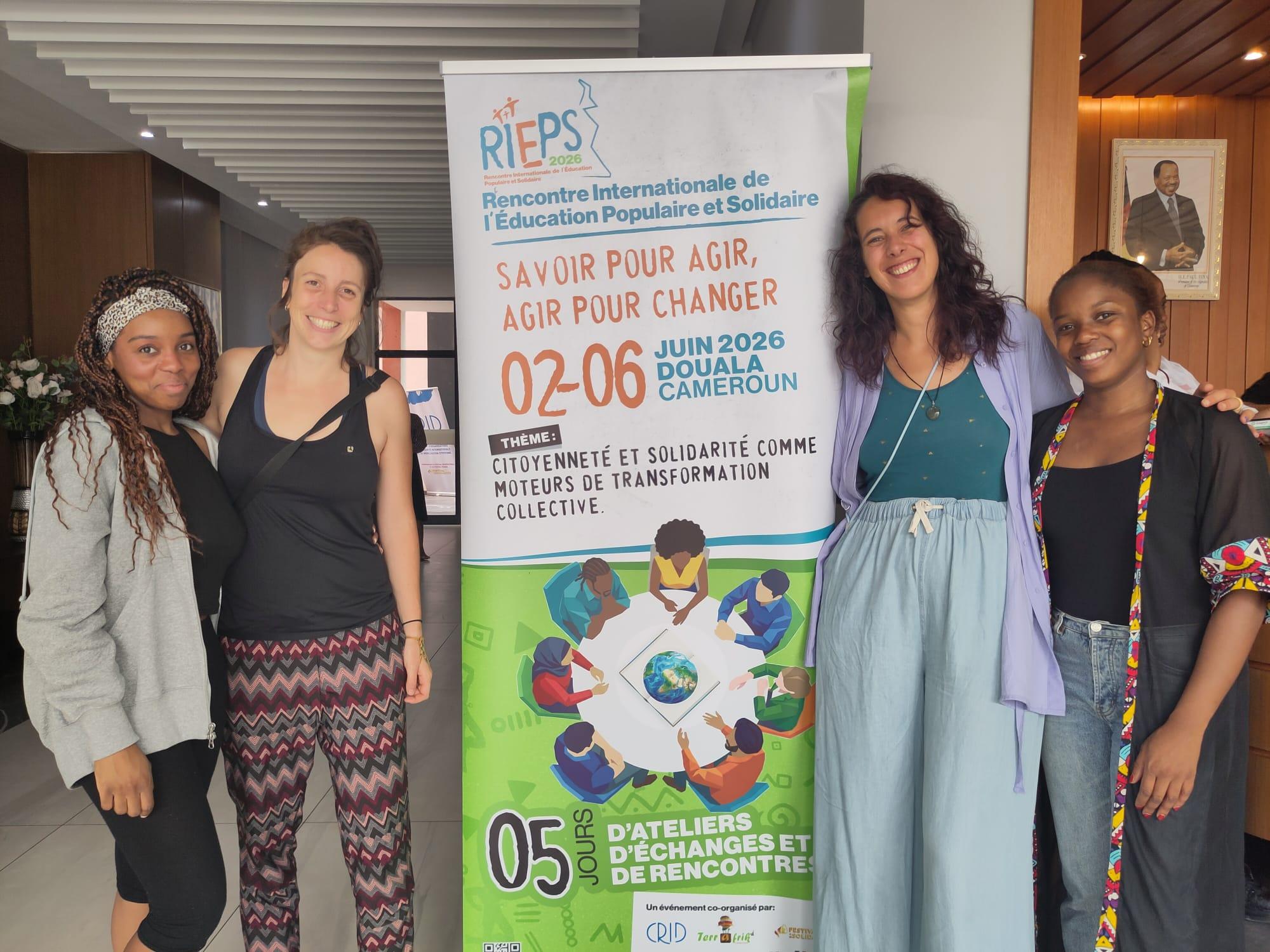
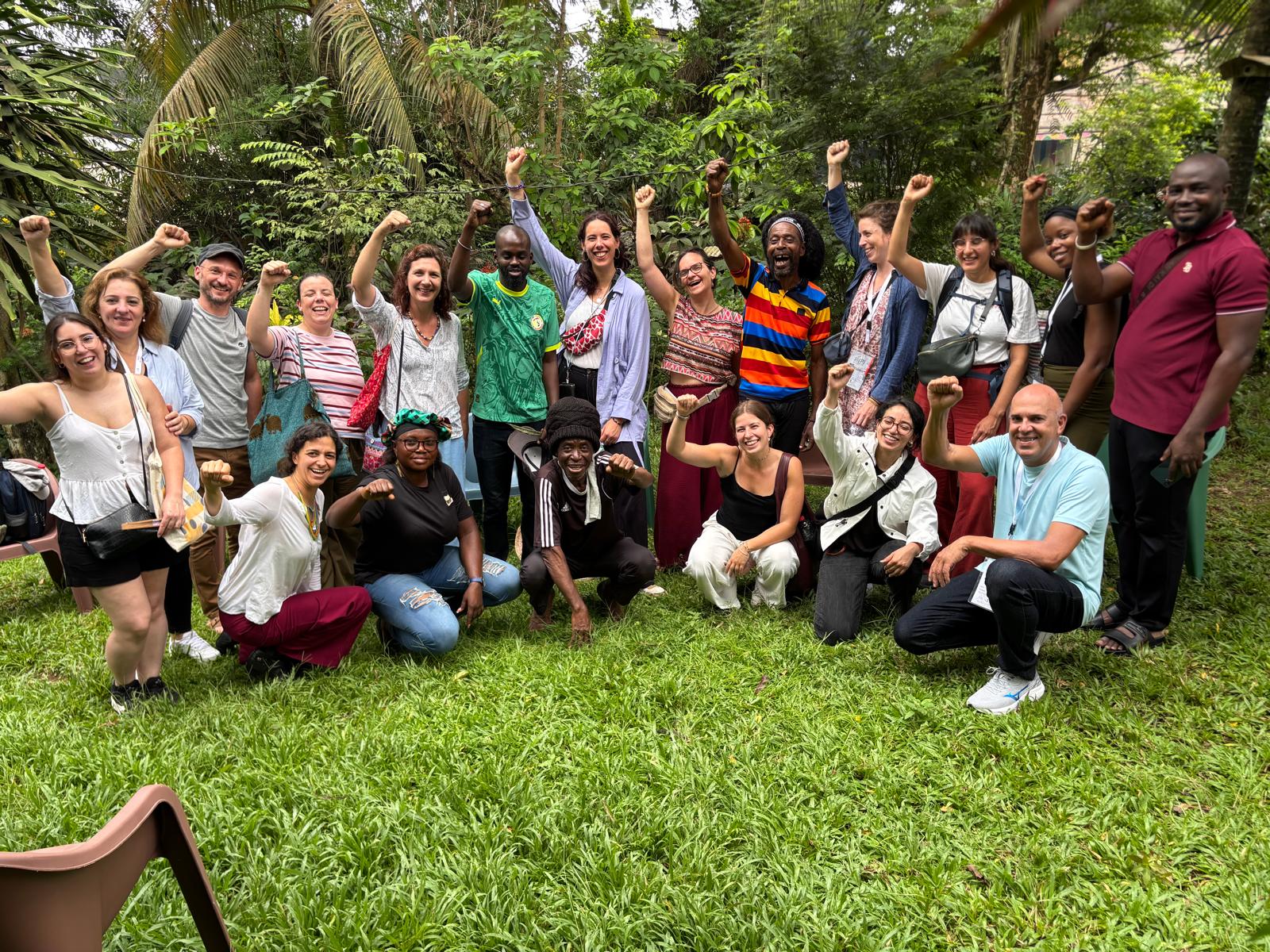
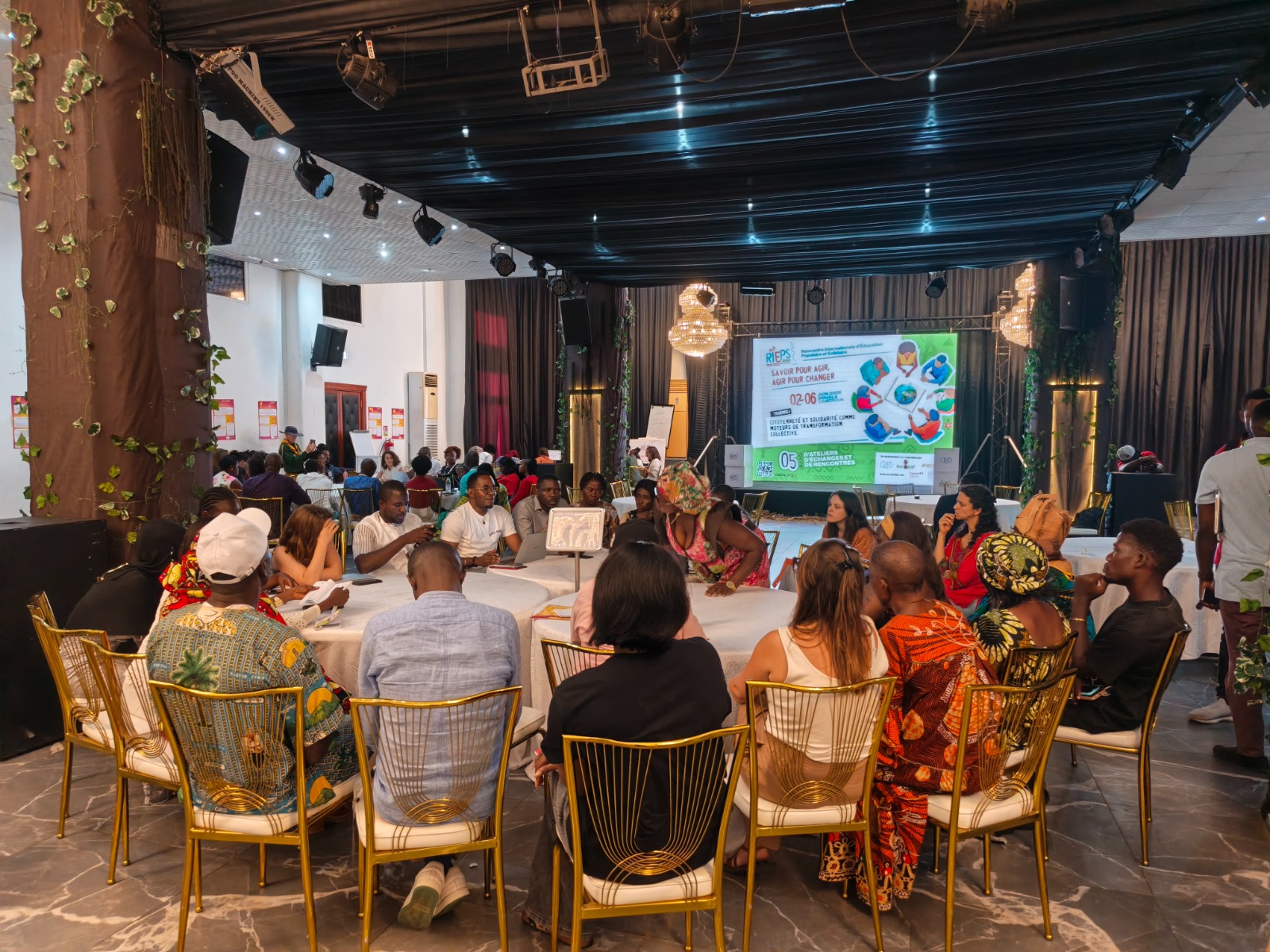
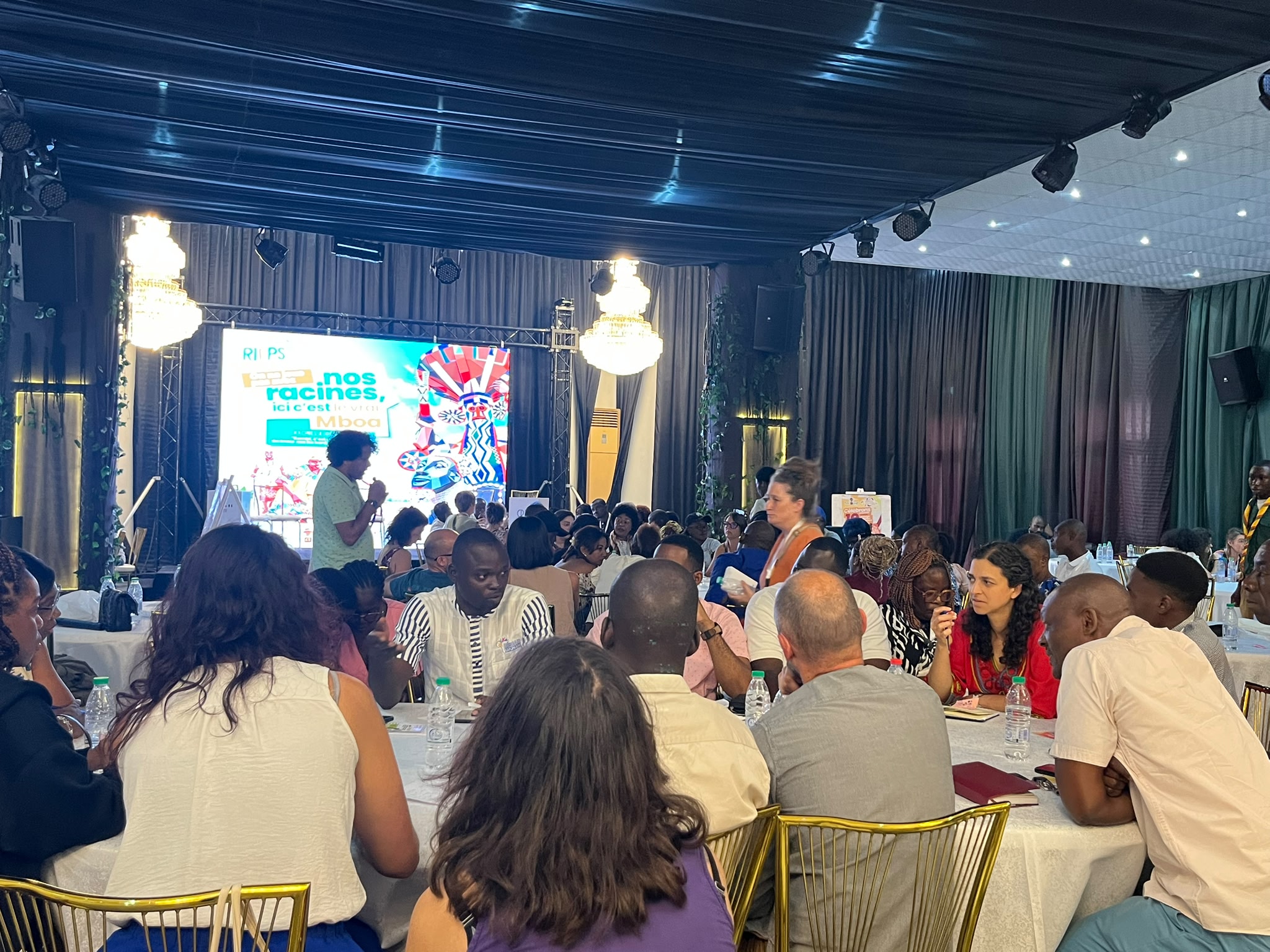
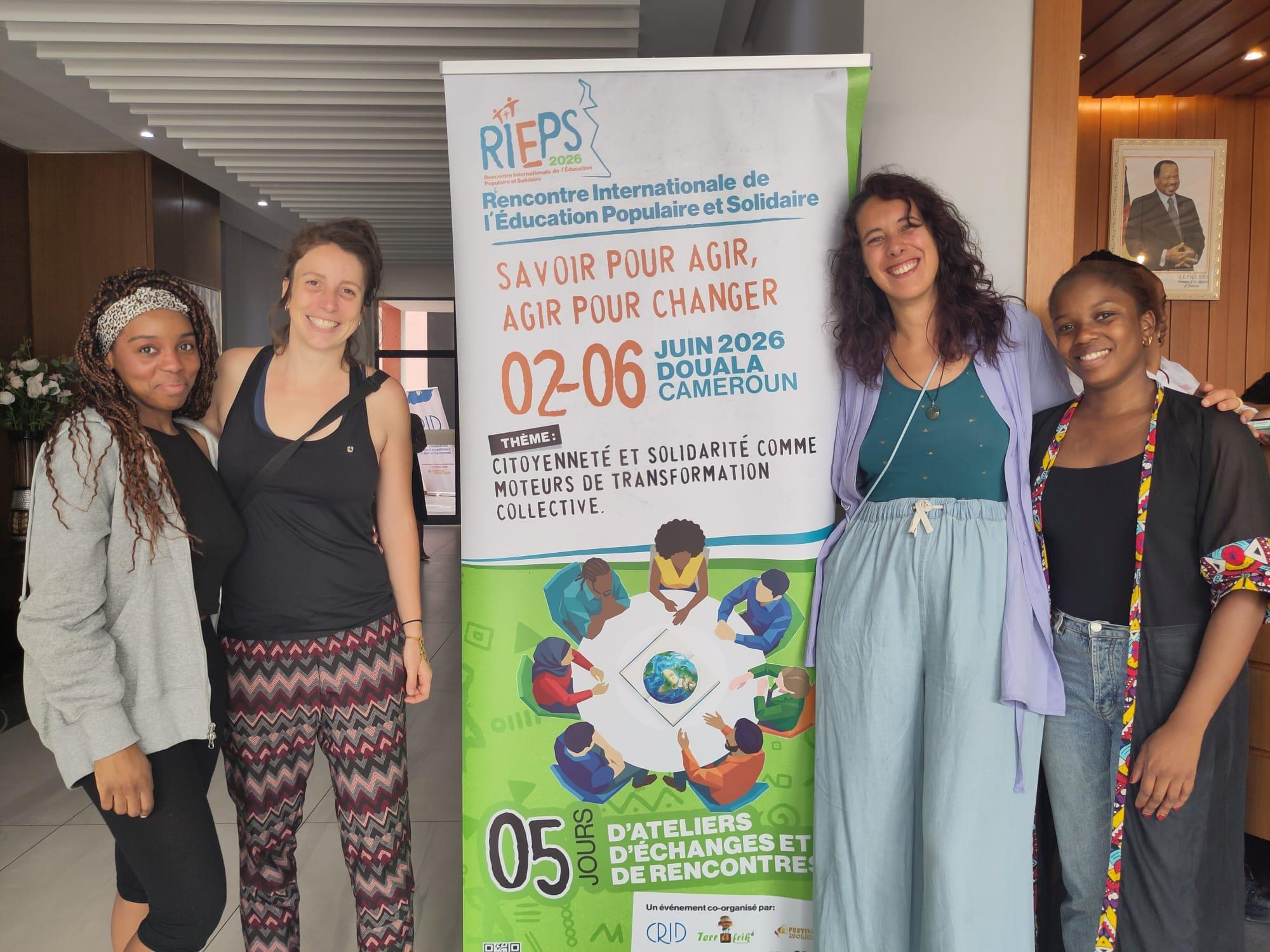
Organised around the theme ‘Citizenship and solidarity as drivers of collective transformation’, the 2026 edition of the International Meeting on Popular and Solidarity-based Education (RIEPS), held in Douala, Cameroon, brought together key figures from the fields of popular education, international solidarity, youth, culture and civic engagement from around the world. Médecins Sans Frontières (MSF) was present, alongside representatives from the NGO network FNEL, Graines de Vie and the Circle of Luxembourgish NGOs.
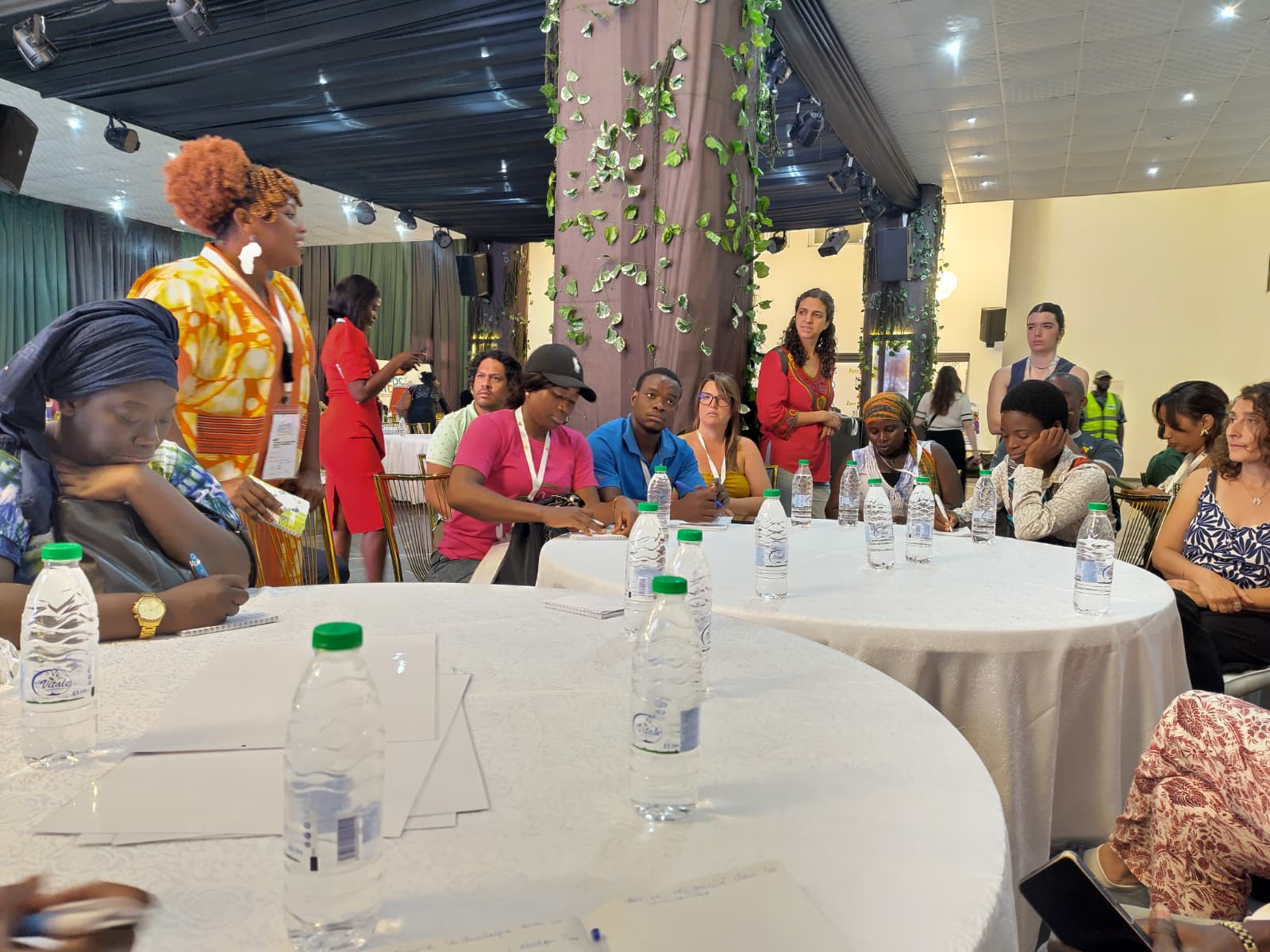
The meeting provided a forum for dialogue, encouraging the sharing of both local initiatives and international networks. Conferences, workshops, reflection sessions, and cultural and educational activities enabled participants to exchange experiences and highlight decolonial learning practices rooted in local communities. RIEPS thus emphasised that popular education is not merely about imparting knowledge: it also aims to create the conditions for youth participation, expression and collective action.
One of the key lessons to emerge from the discussions was the need to restore a central role to the people and communities concerned. Young people, families, volunteers and local organisations are not merely the beneficiaries of solidarity projects: they are the primary contributors and must be able to define the priorities themselves.
From raising awareness to empowering people to take action
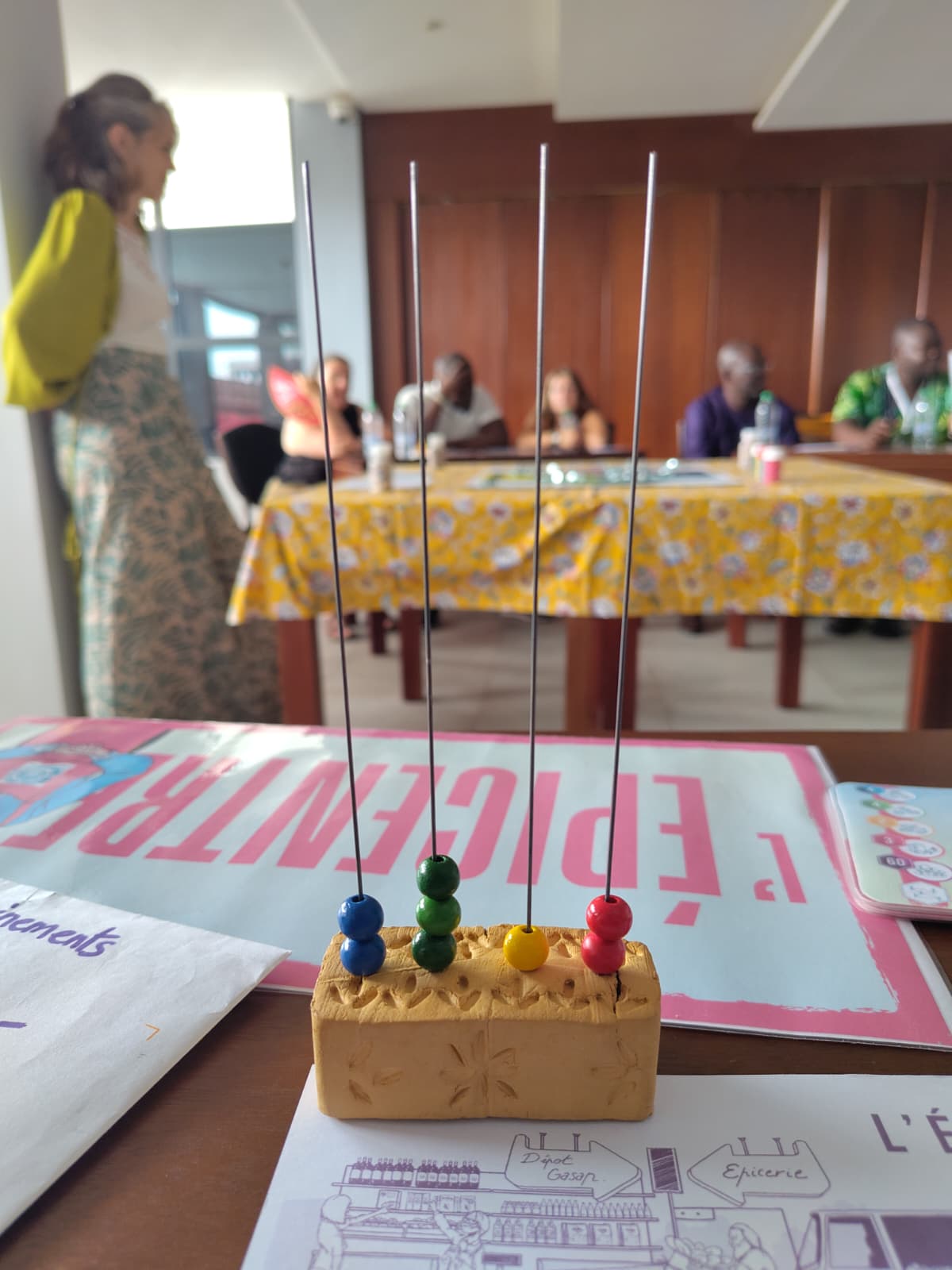
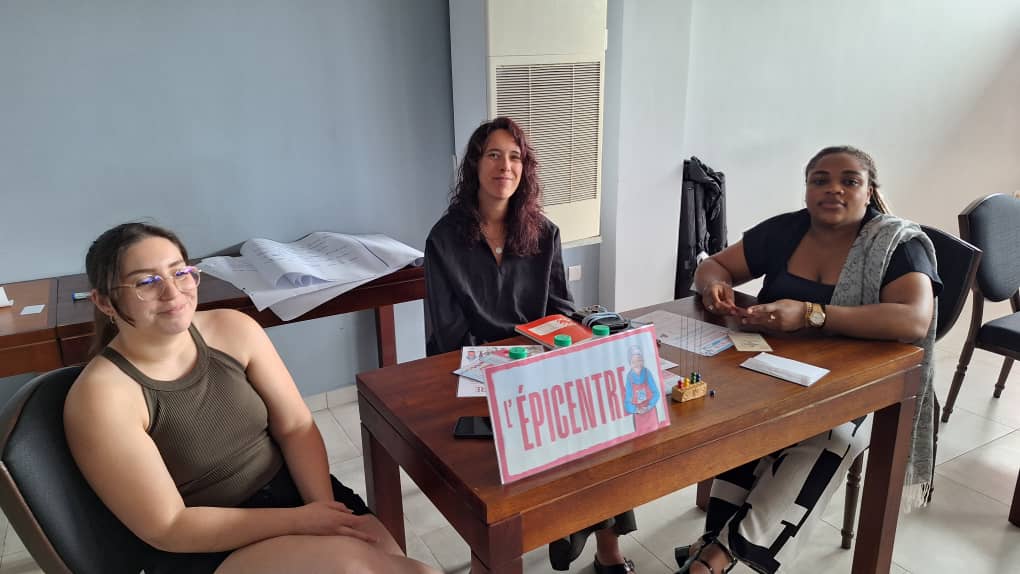
The discussions highlighted a range of very practical initiatives: intergenerational projects, awareness-raising in schools, initiatives involving families, radio programmes, environmental activities and educational games. Behind this diversity, a shared ambition emerged: to make each activity a starting point for bringing about change.
This approach is directly in line with the vision of Global Citizenship Education (GCE) in Luxembourg. GCE is not limited to providing information on international issues: it aims to develop an understanding of interdependence, critical thinking, empathy, solidarity and the ability to take action at different levels.
In its school outreach programmes, Médecins Sans Frontières Luxembourg specifically seeks to make pupils active participants in their own reflection on humanitarian action. Presentations, personal accounts, interactive workshops, board games, escape games and educational projects are all ways of moving from simply receiving information to shared reflection, and ultimately to the ability to get involved.
Tools tailored to different audiences and local circumstances
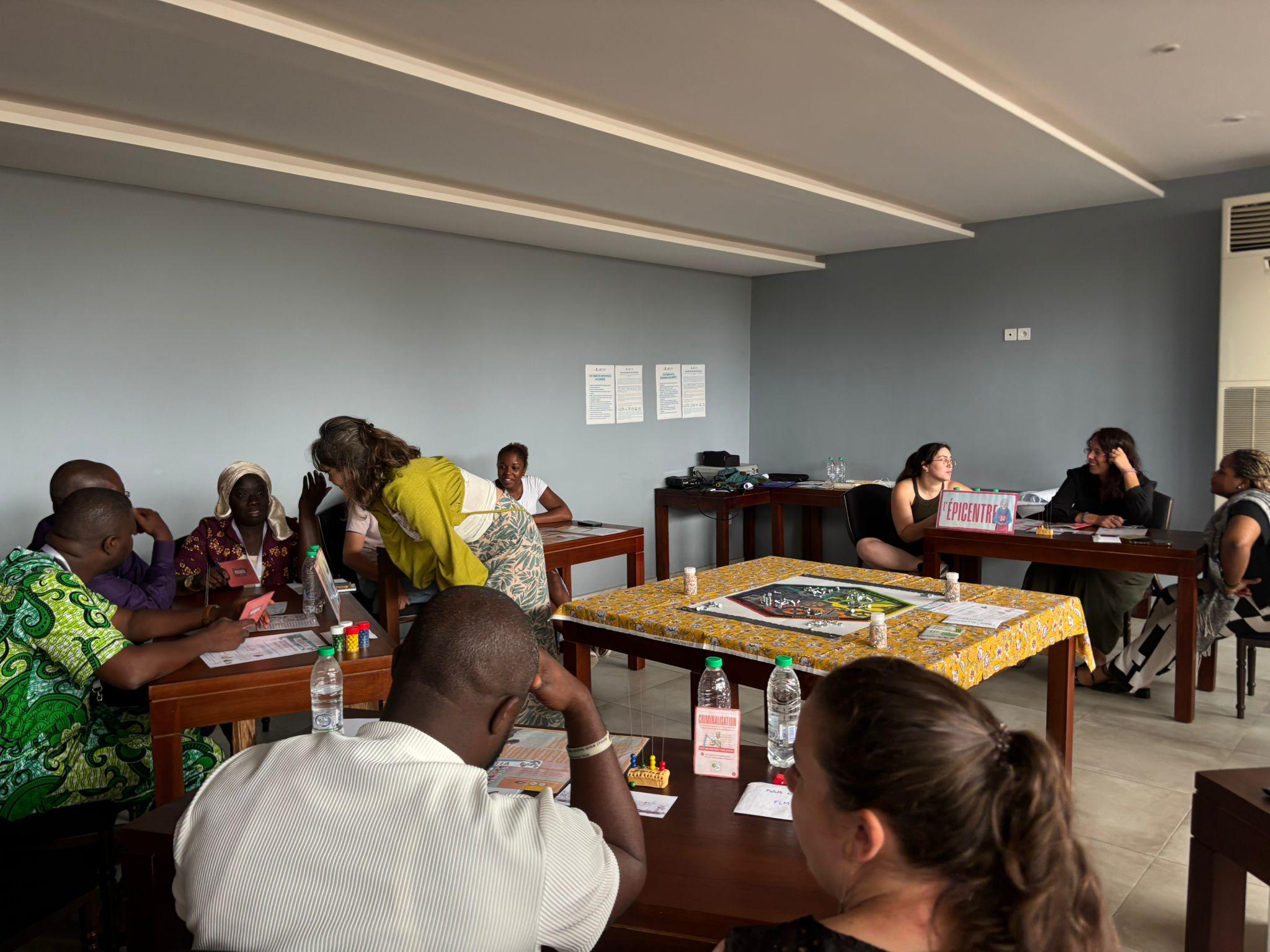
RIEPS also emphasised the importance of not imposing standardised models or tools. An educational tool is only relevant if it can be adapted: its content, materials, mechanics, delivery framework and delivery methods must be capable of being adapted to different people, regions and contexts.
This focus on adaptability is particularly important when addressing sensitive or complex issues, such as inequalities, gender relations, climate change, migration or crises: wars, famines, disasters – all the contexts in which MSF operates. It involves creating spaces for discussion where everyone feels safe to express their views, taking people’s lived experiences into account and promoting participatory approaches.
Recognising commitment and making the impact visible
The discussions in Douala highlighted that young people’s engagement is strengthened when it is tangible, recognised and visible. Seeing the impact of an initiative in one’s school, neighbourhood or community can inspire people to carry on, to bring others on board and to launch new initiatives.
This requires recognising the contributions of young people and volunteers, celebrating successes, supporting emerging projects and forging links between those involved. Peer-to-peer exchanges, communities of practice, training and partnerships with schools therefore emerge as key drivers.
A meeting focused on collective action
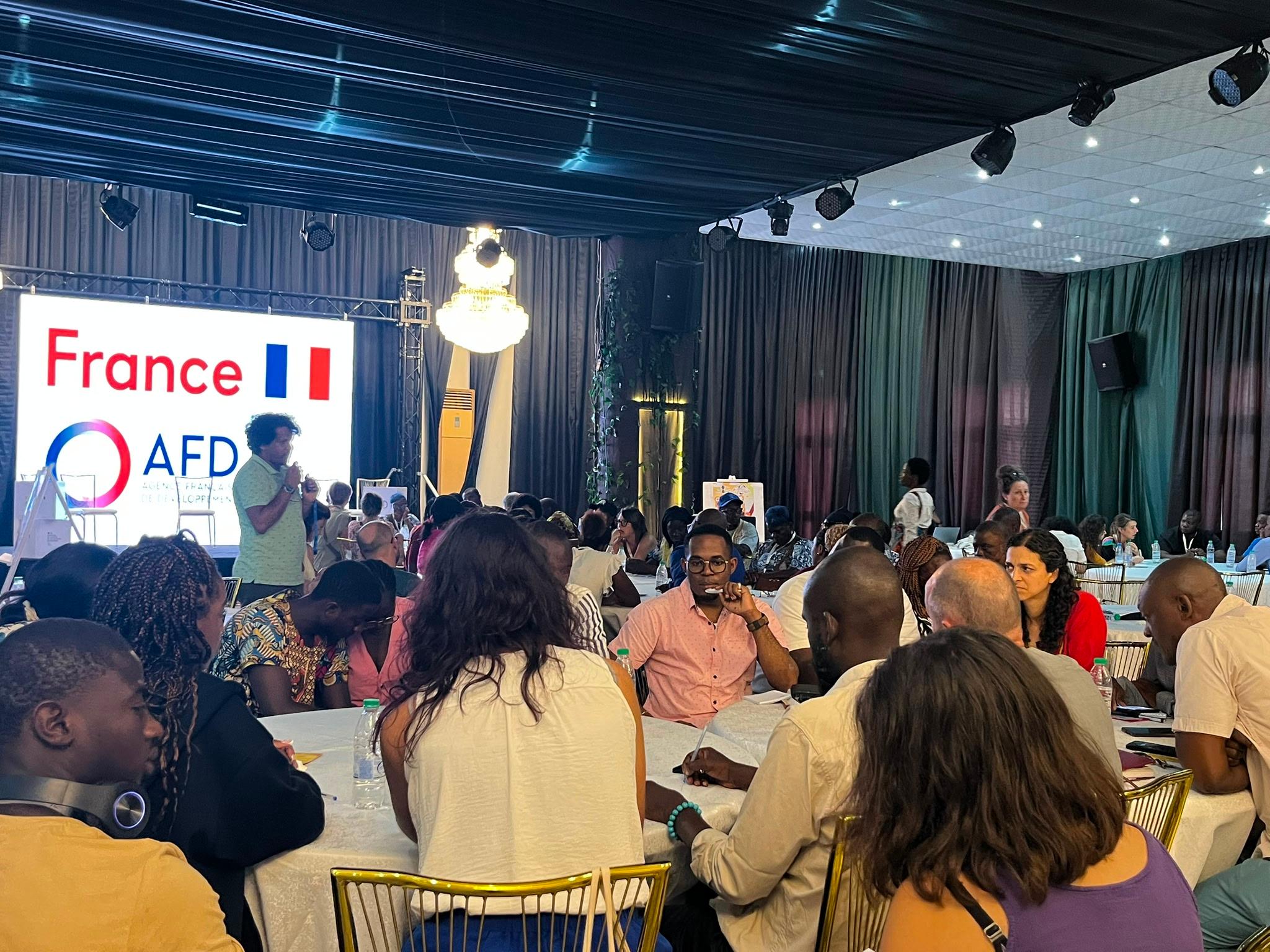
RIEPS 2026 confirmed the value of creating spaces where experiences come together, where local knowledge is recognised, and where educational practices foster tangible social transformation.
The discussions showed that citizenship cannot be imposed: it is built through participation, dialogue, cooperation and action. By bringing together the dynamics of popular and solidarity-based education with the ambitions of the ECM in Luxembourg, RIEPS has provided a valuable source of inspiration: to make education a space where people learn not only to understand the world, but also to take part in it in a responsible, supportive and collective manner.