
In 1 click, help us spread this information :
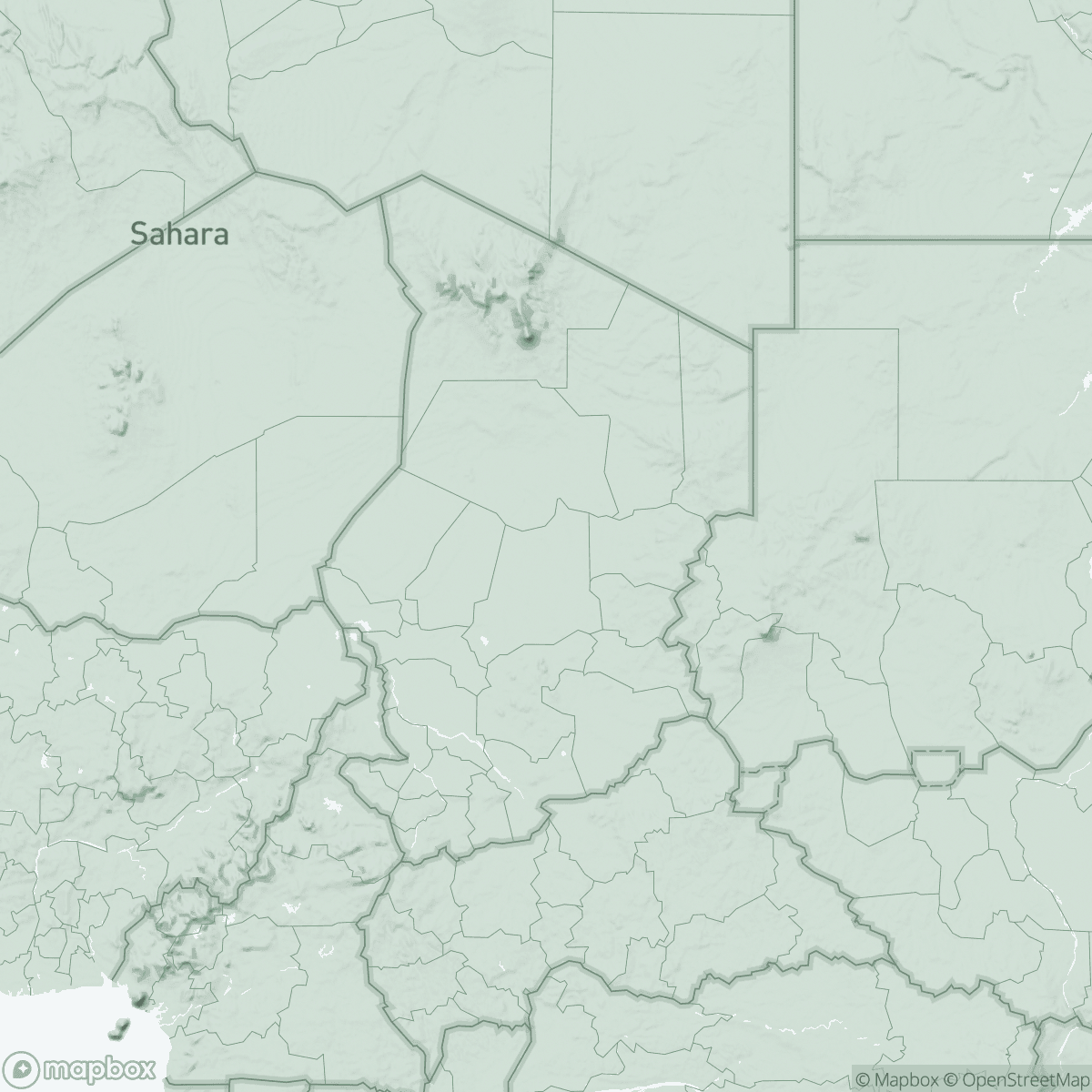
While attention in Chad is focused mainly on the war in neighbouring Sudan and the refugee camps in the east, the country has been confronted to another crisis: malnutrition.
There, 5.7 million people are facing malnutrition—including 3.6 million who are severely food insecure—in a context exacerbated by conflict, displacement, climate shocks, and economic deterioration. This situation follows successive nutritional crises that particularly affect children.
In a country already prone to lack of food and malnutrition, funding cuts in humanitarian aid are further impacting the situation. Food assistance from the World Food Programme (WFP) during the lean season (from June to September) has fallen dramatically: from more than 1 million beneficiaries in 2024 to just 118,000 in 2025 in the three target provinces of Kanem, Barh El Gazel and Ouaddai.
Reducing malnutrition requires coordinated actions starting at the community level, with early screening and treatment, and the involvement of all actors to ensure access to food and essential services before the situation becomes critical. This approach must also include adequate medicines and trained human resources in health facilities for complicated cases. Even after recovery, malnutrition can leave lasting effects.
A chronic crisis
Orange, orange, red, red, red.
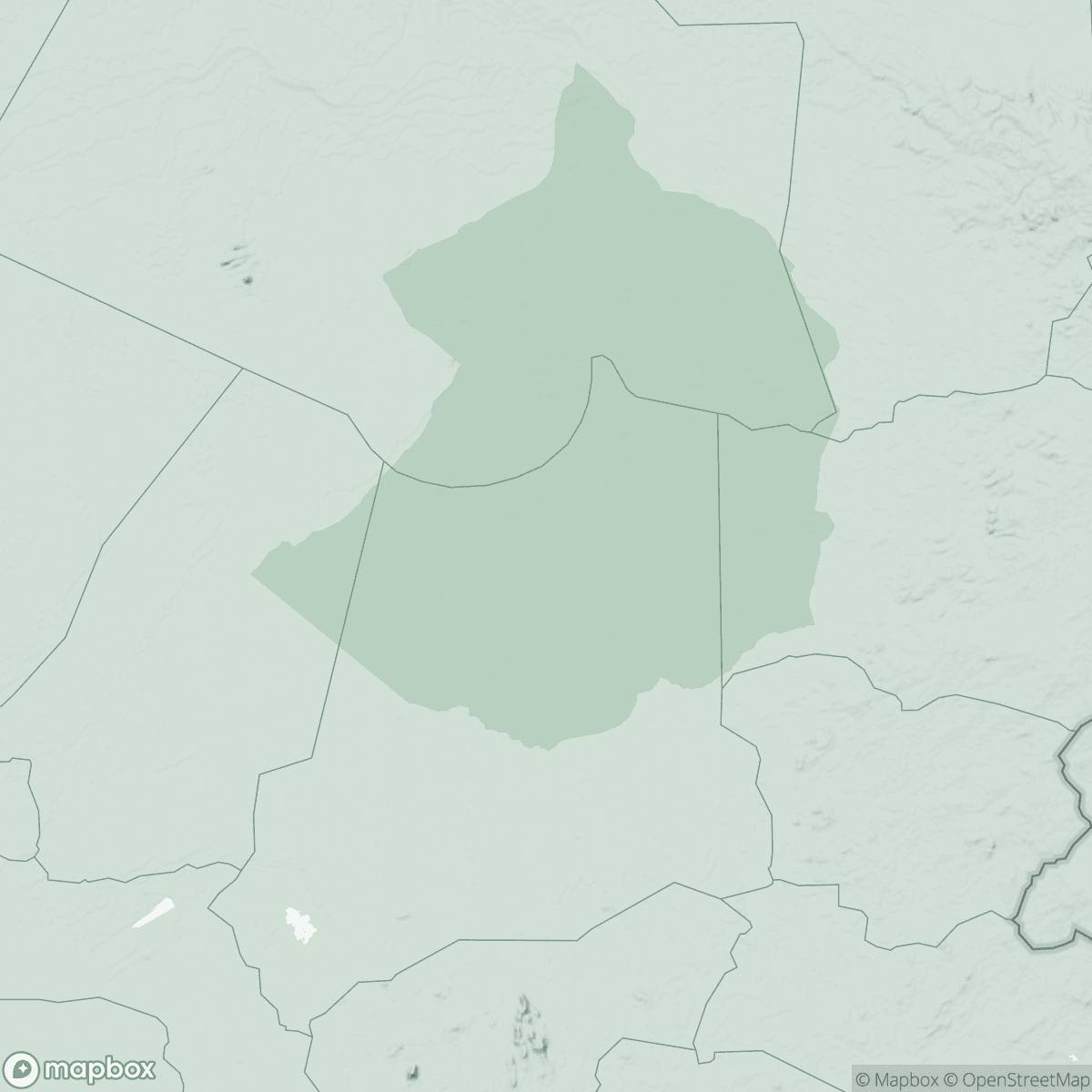
In Bla Kouka, in Hadjer Lamis province in Chad’s west, the colours follow one another, as does the bad news. The MUAC band—that measures the mid-upper arm circumference of a child’s arm—indicates orange for moderate acute malnutrition and red for severe acute malnutrition. In the arid landscape, under a shelter made of wood and canvas, around twenty women wait their turn to have their children screened for malnutrition.
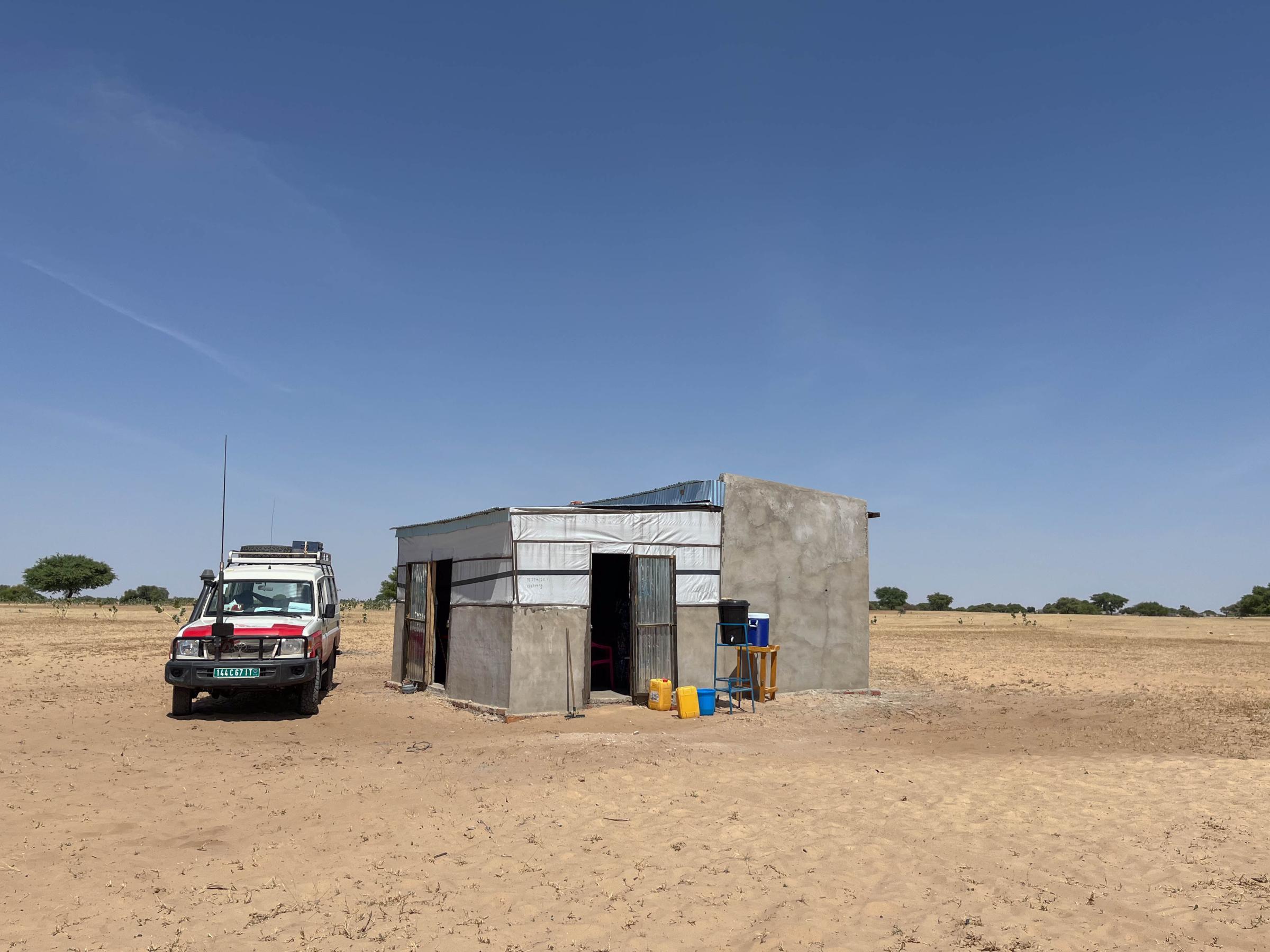
Two ‘MUAC moms’—women from the community trained in screening—measure each child's arm circumference. The tape around the arm of nine-month-old Adam Moussa shows red.
I was in the program, said Zara Adam, Adam’s mother. Adam was hospitalised in Massakory, three hours from the capital. But after we left, I had to come back for screening (...) because he fell ill again. I have four other children, including two older ones who were also malnourished."
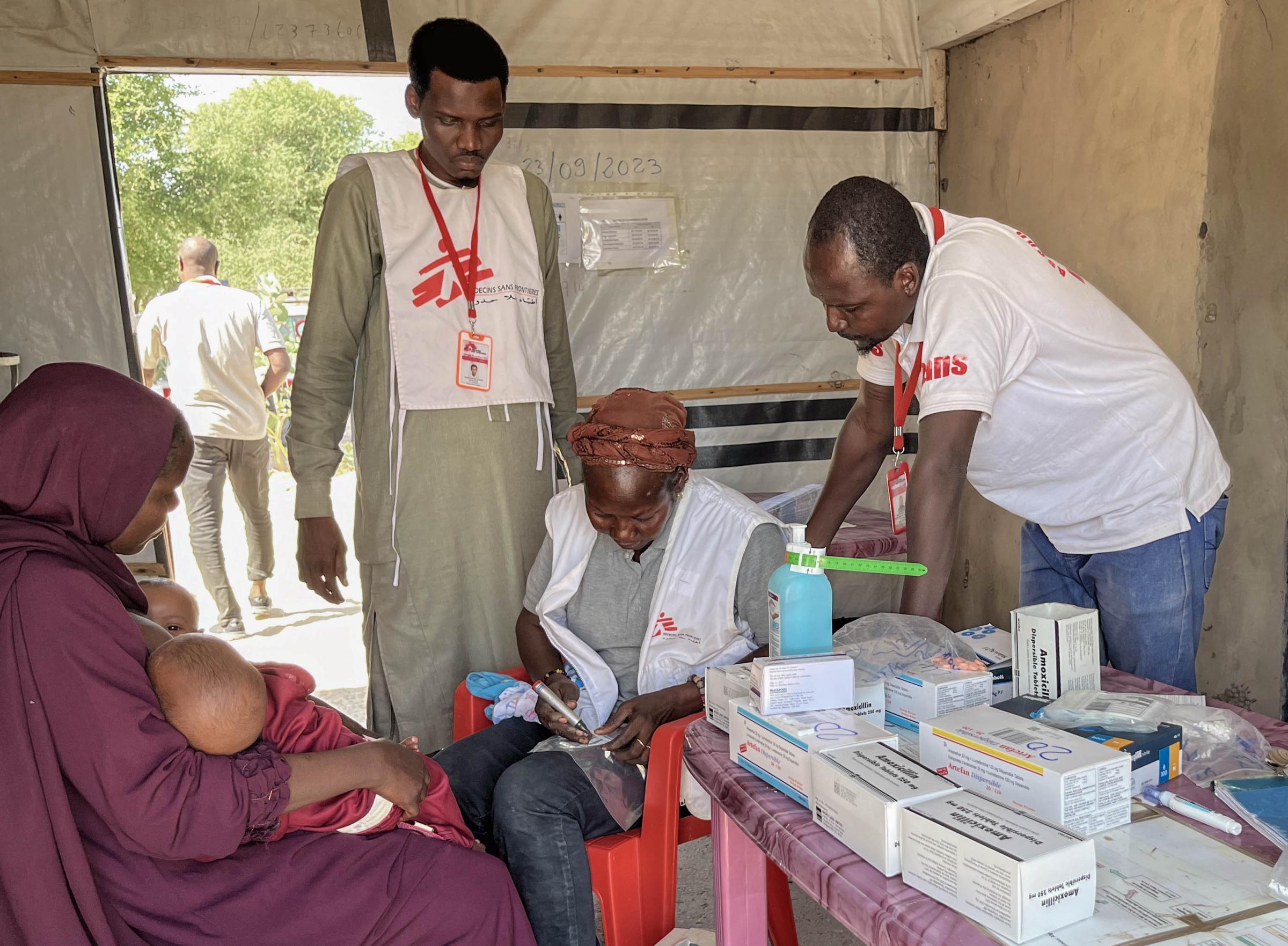
After a consultation and taking Plumpy Nut—a nutrient rich peanut-based ready-to-eat therapeutic food used to treat malnutrition—Adam joined the community-based care program (ICCM+). Implemented by MSF, the Ministry of Health, and the community, the program enables children aged 6–59 months and pregnant and breastfeeding women to receive appropriate care through 21 ICCM+ sites in the Massakory district. These sites are run by community health workers trained by MSF and the Ministry of Health and recruited from the community.
This community-based approach guarantees access to primary healthcare (malaria, malnutrition, respiratory infections, vaccination) at numerous treatment points, proper referrals to the hospital when needed and ensures the sustainability of the response through community ownership of healthcare. These sites will therefore be able to continue operating even if MSF leaves the intervention area; provided supplies are guaranteed.
Recurring crises and seasonal malnutrition
Beyond chronic malnutrition, the situation regularly worsens during critical periods—the rainy season; the lean period before harvests, peaks in diseases (such as malaria)—all factors that contribute to outbreaks.
At the Am Timan hospital in eastern Chad, MSF launched an emergency intervention during this peak period in August 2025. In a hospital room, a health promoter shows Kadija Mahamad Zen an awareness-raising picture book. Kadija is holding her one-year-old daughter, Youssoura Adam, in her arms.
First, when my child fell ill at the beginning of the rainy season, [...] I had to pressure my in-laws to take her to a health center. The health worker told me that her condition was beyond their capabilities, and we were referred to Am Timan Hospital.”
The massive influx of patients forced the staff to add beds to the hospital: between September and October, the occupancy rate reached 108%, according to MSF supervising nurse Harou Habou Rahamatou. She explains that malnourished patients often have weakened immune systems, which makes them vulnerable to infections and prolongs their hospital stays.
Taking long-term action
Malnutrition does not end with recovery. The consequences can be physical or cognitive, lasting, especially for children.
At Toukra Hospital, on the outskirts of N'Djamena, MSF is attempting to mitigate the long-term effects of malnutrition in urban areas through a pilot program run by the MSF Foundation. This program involves recruiting three Chadian physical therapists who are currently being trained by a pediatric rehabilitation specialist, and empowering patients to treat the psychomotor consequences of malnutrition.
The goal of physical therapy for these patients is to get them moving early on to prevent orthopedic or functional complications in the future. This means that they no longer walk, no longer use their arms, and lose their ability to function in their environment," explains Lucie Saint Louis, a clinical specialist in pediatric rehabilitation at the MSF Foundation.
After just a few sessions, some children regain their desire to move and make up for their developmental delay.
Malnutrition in Chad is not a one-time emergency, it is a decades long struggle, and the result of deep structural vulnerabilities such as poverty, lack of livelihoods and access to food, exacerbated by poor harvests due to droughts and delayed rains.
Medical care alone is not enough to break this cycle. It is urgent that the government of Chad, together with humanitarian and development organisations, work together to address the root causes and fight malnutrition and food insecurity in the long term. This includes developing resilient agriculture, improving access to water as well as community management of water, and strengthening community food storage capacities.