
Far from Bangui, AI helps screen for tuberculosis
In 1 click, help us spread this information :
In the Central African Republic, tuberculosis remains a major health problem, according to the Ministry of Health and Population. An estimated 540 people out of 100,000 are infected with tuberculosis each year in CAR, according to the World Health Organization—a total of approximately 29,000 people annually.1
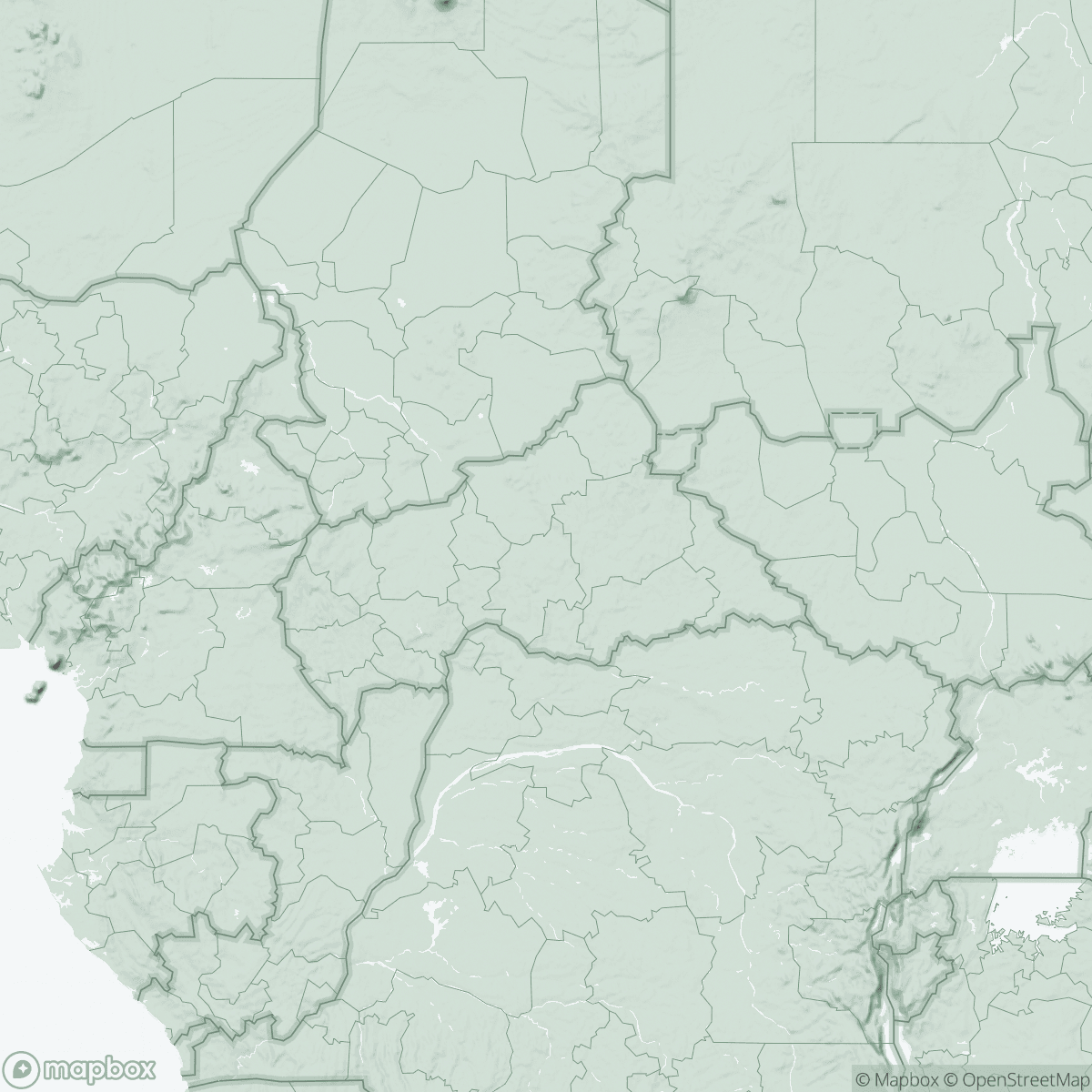
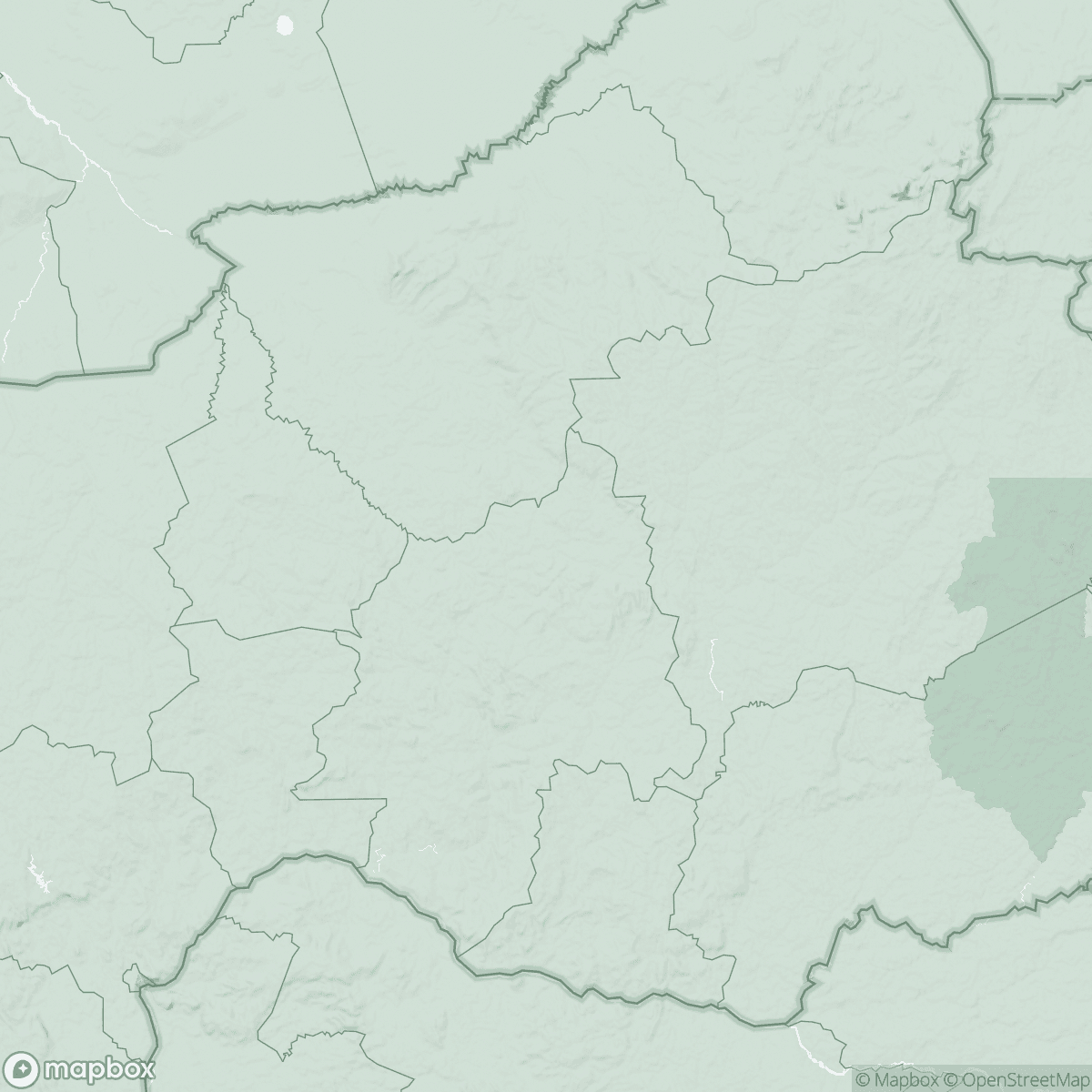
People in Batangafo in the north of the country, far from the infrastructure and services of the capital Bangui, are not spared: 203 people were recorded as new cases in 2025. Pulmonary tuberculosis, the most common form of tuberculosis, is an infection of the lungs caused by a bacterium transmitted through the air. Biological confirmation is based on sputum analysis and remains complex. To address this and support medical teams in diagnosing this disease—following interest expressed by the Ministry of Health and Population, and in collaboration with it—MSF decided to equip Batangafo District Hospital with a new device in 2024: the CAD4TB.
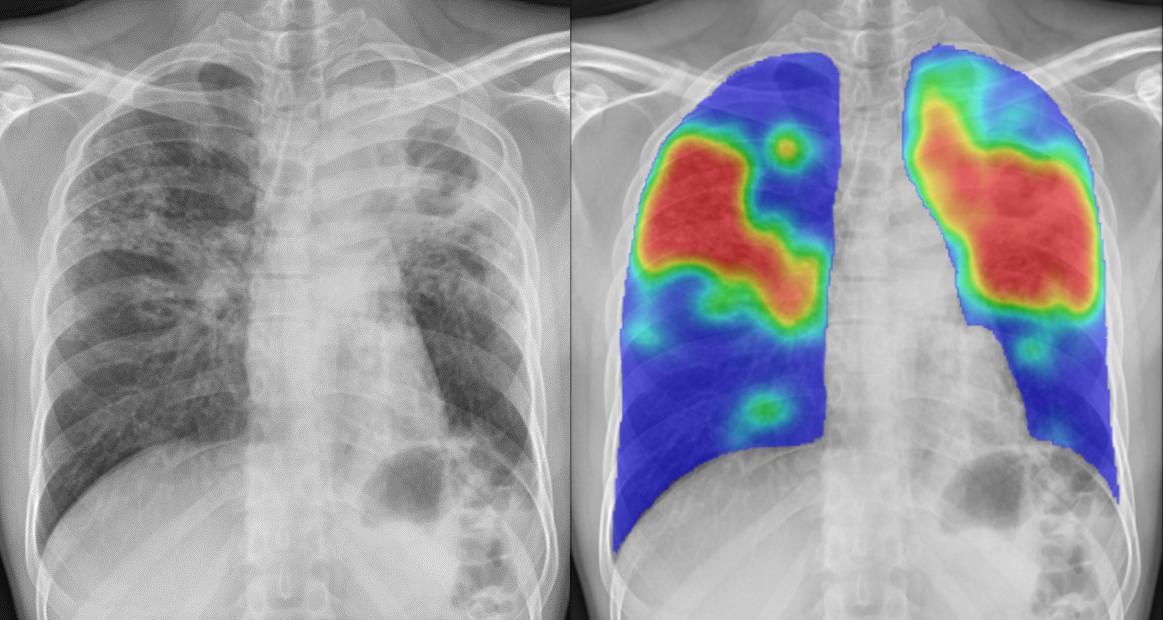
CAD4TB (Computer-Aided Detection for Tuberculosis) is a digital device that uses artificial intelligence to detect pulmonary TB in individuals over the age of 15. It is used when the doctor observes clinical signs that raise suspicion, such as weight loss, night sweats or fever. “We then take an X-ray, which is subsequently processed by this digital tool,” explains Clément Daka, a nurse and radiology technician who has received comprehensive training, enabling him to perform X-rays and use CAD4TB. “Based on comparisons with a very large number of other X-rays, the AI analyses the presence of cavities, pulmonary opacities, and pleural effusions characteristic of this disease.”
When CAD4TB yields a score above 40, the level of suspicion is high, and the patient is referred for a confirmatory test.
“This analysis, while very effective, remains a diagnostic aid and does not replace it: the doctor has the final say in every situation” emphasises Dr Mouemba Dave King, head of medical operations at the hospital.
However, in some cases, CAD4TB can also support doctors who may not have much experience interpreting X-rays.
“This innovation is a great help to us because it allows us, in less than 30 minutes, to cross-check the doctor’s diagnosis and take action by isolating the patient to prevent them from infecting those around them”, adds Dr King.
“When TB is confirmed, we administer a treatment combining four antibiotics. This treatment lasts six months. But after the initial two months, weperform a sputum test to see if TB bacilli are present in the sample. If the disease persists, we conduct a more comprehensive analysis.”
In Batangafo in 2025, this device helped detect tuberculosis in 90 of the 203 people identified to have the disease. This initiative, implemented in collaboration with the Ministry of Public Health, demonstrates that state-of-the-art devices using AI can be installed and put to good use even in rural areas. With diagnosis, an essential step in treating affected patients and preventing the spread of the disease, this is an important development for the people of Batangafo.
1 WHO World Tuberculosis Report, 2022
A few words from Petros Isaakidis, operational research advisor, on the link between tuberculosis and operational research.
"Tuberculosis is seriously underdiagnosed around the world, particularly in places with the highest burden. Many of our existing tests, both lab and imaging, underperform and we really need better performance and more equitable access for the people who need it most. Innovative technologies like AI can help, and this example from Central African Republic is a great one.
We often test such innovations through operational research, including feasibility and acceptability studies, because scientific and ethical oversight matters to us. We see this more as a way to improve an old tool like x-rays with new technologies, like AI-supported reading of x-rays. The aim is increasing access in places where radiologists or doctors experienced in reading x-rays do not exist or are in demand.
We're all a bit sceptical about unregulated use of new technologies, but this one is promising, and with the right measures, particularly sensitive patient data protection, we believe it can bring a big change in early diagnosis of tuberculosis, a disease that remains deadly despite recent breakthroughs in diagnosis and treatment."
Petros Isaakidis – Operational Research Advisor