

"Thanks to you": MSF honors its donors, guarantors of its independence in a context of international budget cuts
In 1 click, help us spread this information :
The Luxembourg section of Médecins Sans Frontières (MSF) has launched its end-of-year campaign, which, once again this year, emphasizes the importance of donors' role in guaranteeing its impartiality, neutrality, and independence.
This campaign aims to raise public awareness of these three principles that guide MSF's work, to promote understanding and sharing of them, and to encourage people to financially support the organization through donations.
Public generosity guarantees MSF's independence
In a context marked by the proliferation of humanitarian crises and budget cuts in international aid, it is public generosity that guarantees Médecins Sans Frontières (MSF) its financial independence and neutrality. Indeed, private donations constitute more than 99% of its resources. Thanks to its donors, MSF can continue to provide care impartially and without discrimination, wherever the situation demands it.
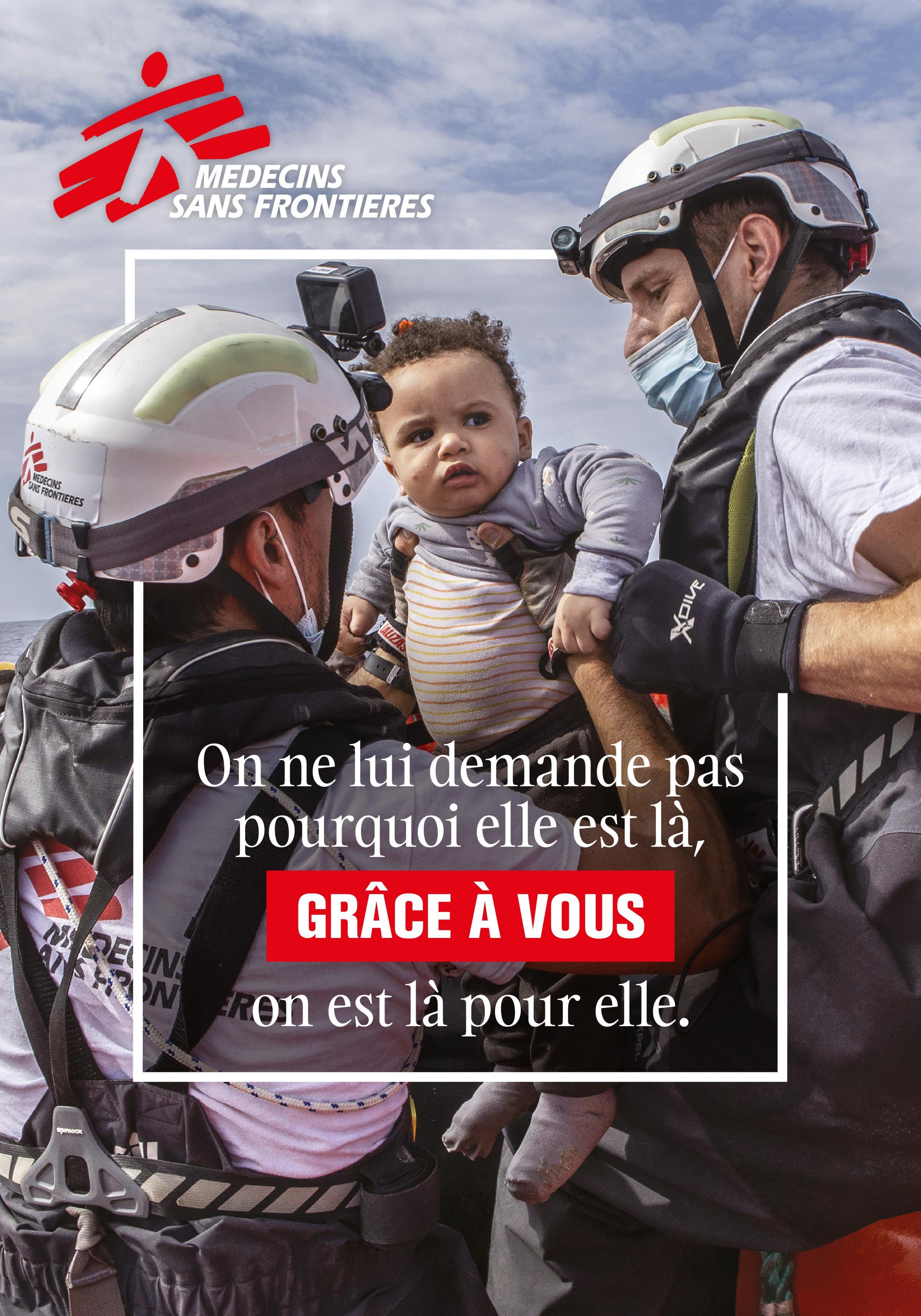
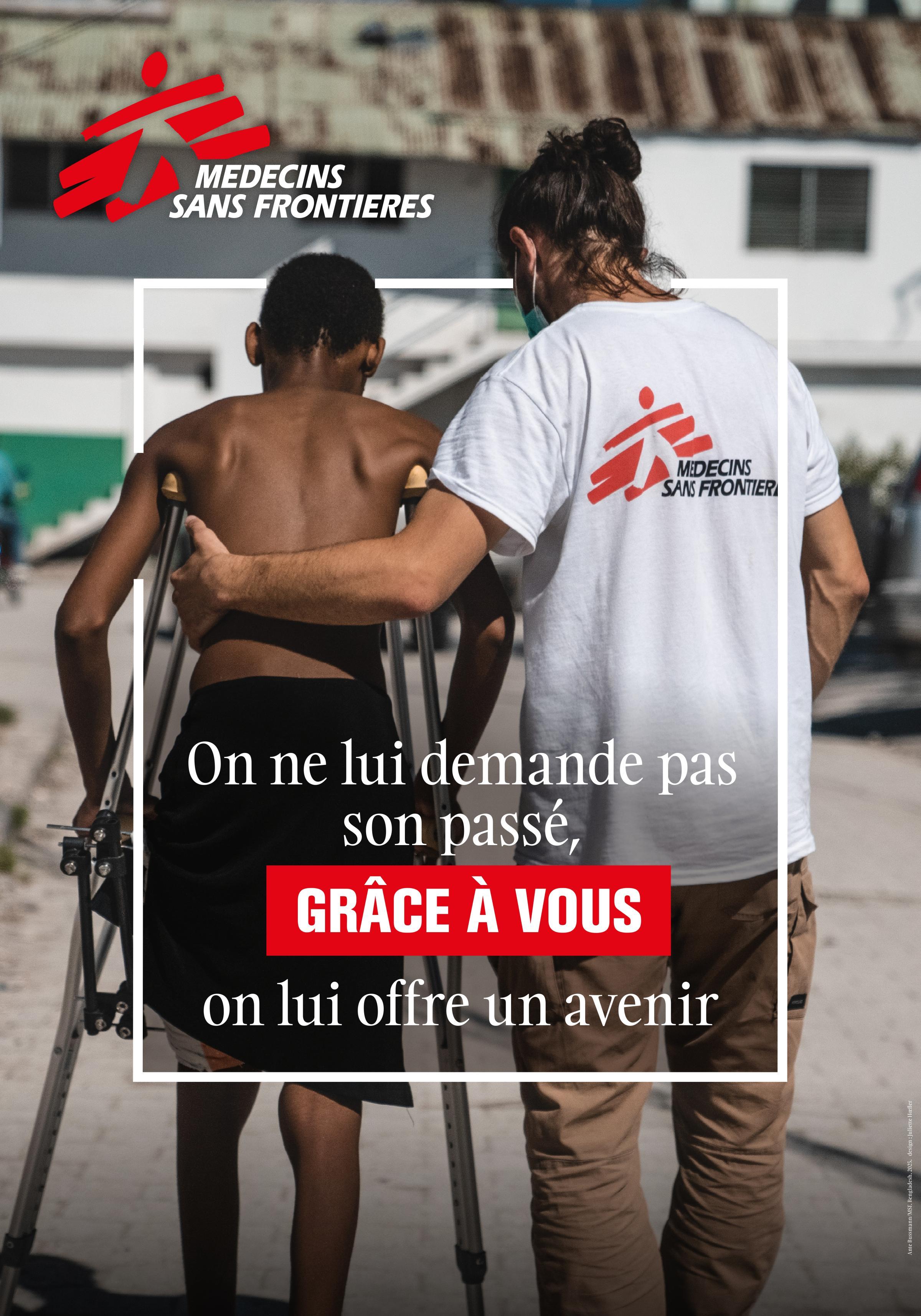
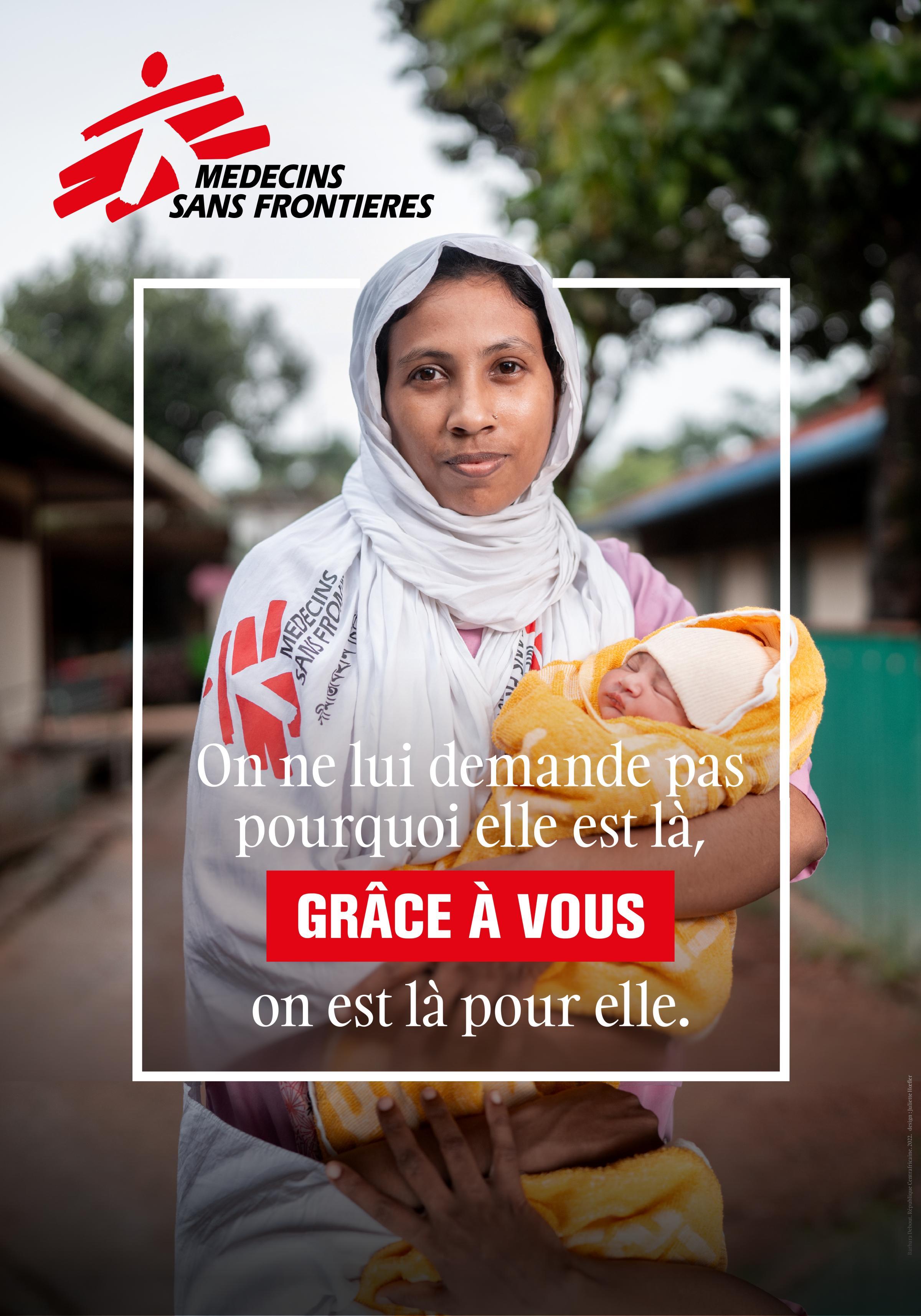
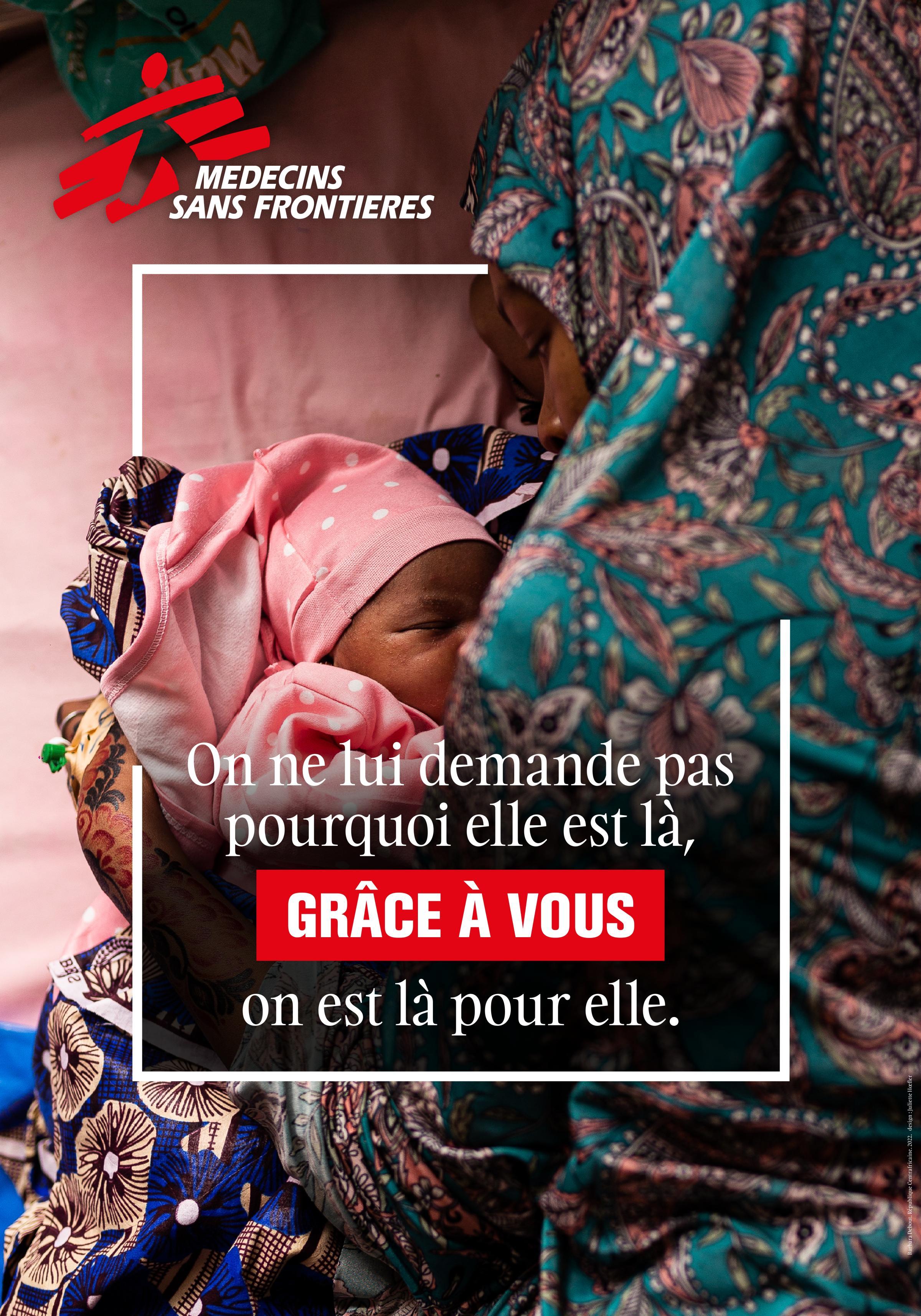
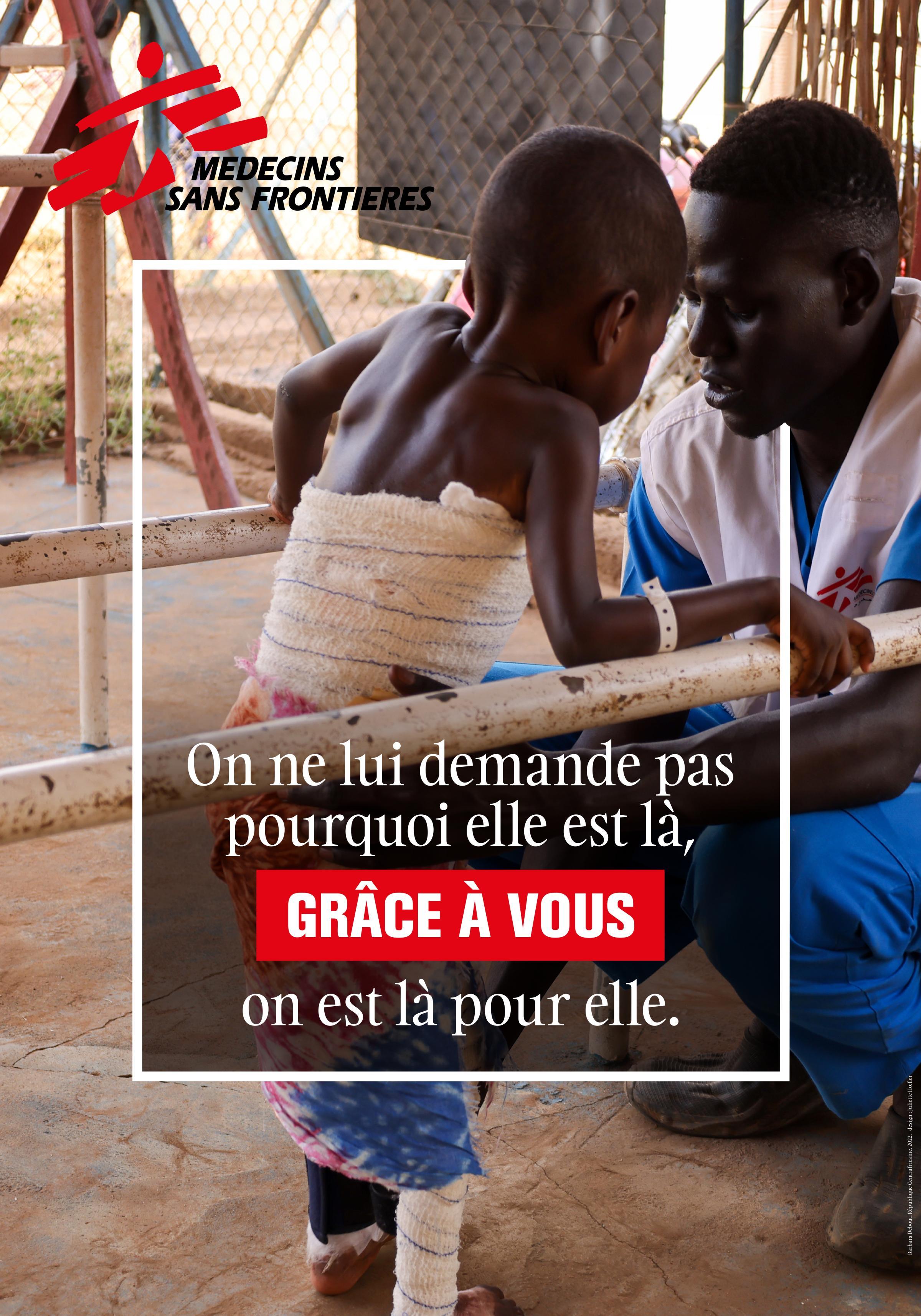
The end-of-year campaign, "Thanks to You," reflects this direct impact of donor engagement on patient health in Médecins Sans Frontières 73 intervention contexts. It relies on powerful visuals that place patients at the center. The selected visuals immerse the public in the heart of different MSF intervention contexts: a search and rescue (SAR) operation in the central Mediterranean; a physiotherapy service in South Sudan; a rehabilitation program in Haiti; An MSF hospital in a refugee camp in Bangladesh; a neonatal unit in Nigeria.
Because people are at the heart of every MSF mission, they are also at the heart of its campaign.
Budget cuts in international aid: gaps to fill
Drastic budget cuts and policy changes by the United States and other traditional donors have significantly reduced the resources available to meet global humanitarian needs. As a result, millions of people suffering from malnutrition, preventable and treatable diseases, conflict, forced displacement, and the climate emergency are being left even more neglected. Programs focused on the needs of women and girls, as well as marginalized communities, are particularly affected.
Our teams are seeing shortages of therapeutic foods, disruptions in vaccine supplies, the suspension of sexual and reproductive health programs, and interruptions in HIV and tuberculosis care. We are seeing a decrease in the number of humanitarian organizations, with reduced capacities, responding to humanitarian emergencies, infectious disease outbreaks, and population displacement crises. At the same time, ministries of health are losing access to essential supplies and technical support.
MSF is not directly impacted financially by government budget cuts—including those of the US government—or by the United Nations. However, our teams are facing shortages of supplies, rising costs, gaps in patient referral and coordination, and an increase in the number of patients resulting from cuts and closures at other agencies. This situation has increased the pressure on MSF services in several countries, including Afghanistan, Bangladesh, Yemen, Ethiopia, Somalia, and the Democratic Republic of Congo. Despite scaling up and adapting our operations, we cannot fill the significant gaps created by aid reductions.
In a severely deteriorated international context, public generosity makes a difference more than ever.
Campaign Dissemination
Conceived by the MSF Luxembourg teams and the Hoefler Graphic Studio, the campaign is now visible on trams and bus shelters in Luxembourg City, as well as in print media and on digital channels.
The original campaign photos are available, along with the visual variations (vertical format and banner).
Learn more and donate: https://msf.lu/banner/agir