
Ten Years of the EU-Türkiye Deal: The Lasting Impact of the EU–Türkiye Deal on Europe’s Borders
In 1 click, help us spread this information :
Ten years after the European Union (EU)–Türkiye deal of March 2016, the policy’s humanitarian consequences remain visible across the Greek islands and beyond. Introduced during a period of increased arrivals along the Eastern Mediterranean route, the agreement was presented as a pragmatic solution to reduce migration towards Europe. In practice, it fundamentally reshaped the EU’s migration policy by introducing a model centred on deterrence, containment, and the externalisation of asylum responsibilities beyond EU borders.
Médecins Sans Frontières (MSF) is calling on European and Greek authorities to radically rethink their approach to migration, stressing the urgent need to end the unnecessary suffering endured by women, children, and families trapped in appalling conditions. Governments must ensure safe and dignified reception conditions, access to healthcare, and fair and efficient asylum procedures, and end the policies that shift Europe’s protection responsibilities beyond its borders.
In line with this position, MSF announced in June 2016 that it would no longer accept any funding from the EU, its Member States, or Norway.
“The EU–Turkey deal, which has been hailed as a success by the European Commission, has come at an enormous human cost over the past decade,” says Christina Psarra, General Director MSF Greece.
Despite claims of progress, thousands of people continue to face inhumane conditions, and European leaders are celebrating 10 years of policies that have caused chaos and mistreatment. We will not stop demanding that the EU and the Greek authorities end this cynical strategy of containment, to stop further damaging the health of our patients and respect their dignity.”
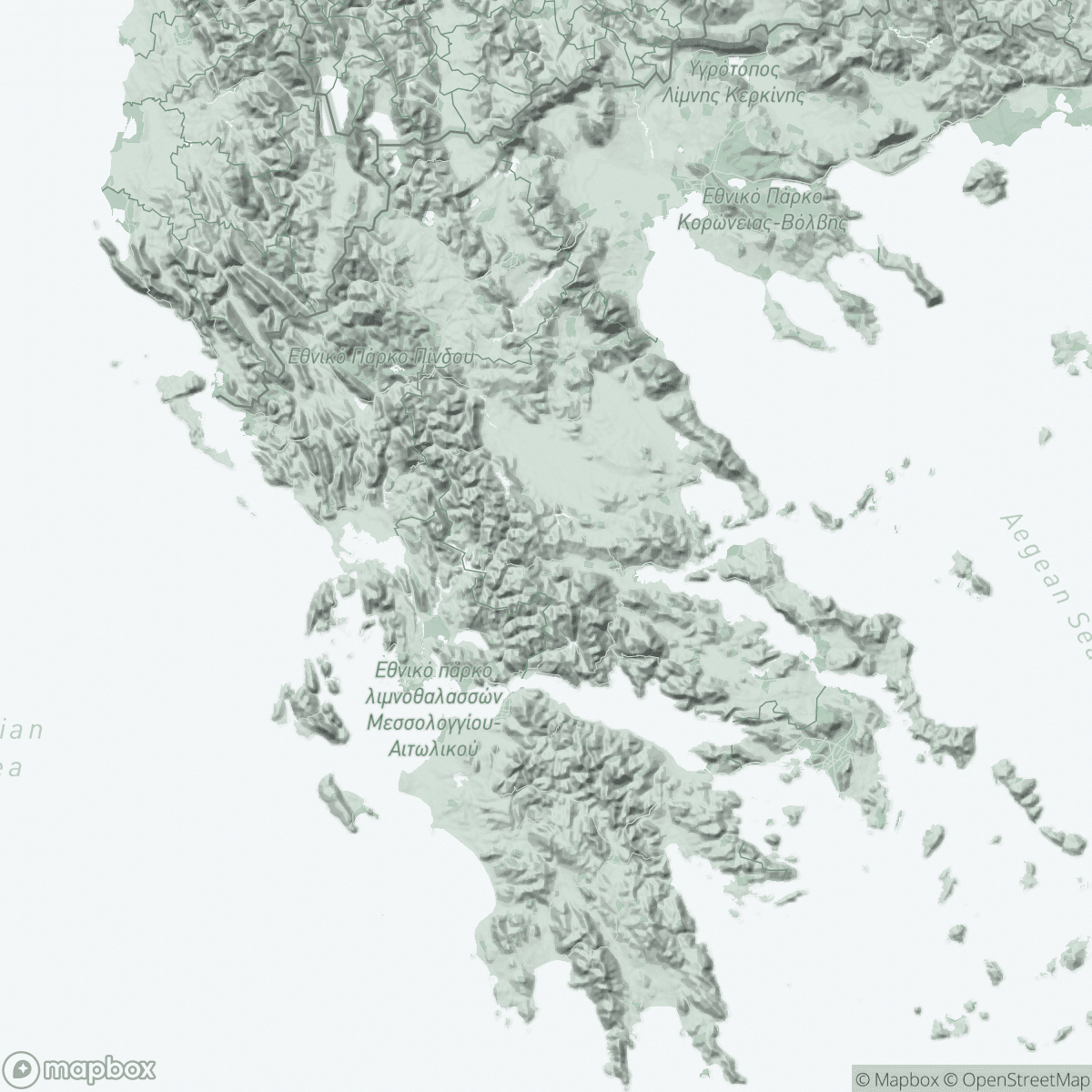
For a decade, MSF has provided medical and mental health care to refugees and migrants arriving on the Greek islands. Over the 10-year period from 2016 to 2026, a total of 156,977 outpatient consultations were provided. Asylum seekers arriving on islands such as Lesbos, Samos, Chios, Kos, and Leros have often had to remain there while their claims were processed, sometimes for months or years. MSF teams have repeatedly documented border violence, overcrowded camps, inadequate sanitation, limited access to healthcare, and a severe deterioration in mental health among people trapped in these conditions.
Under the EU–Türkiye deal, people whose claims for asylum were rejected could in theory be returned to Turkey, which the EU designated as a “safe third country.” At the same time, the EU committed to resettling one Syrian refugee from Turkey for every Syrian returned. In reality, returns remained extremely limited: between April 2016 and February 2025, 2,140 people were returned from the Greek islands to Türkiye, and no returns have taken place since March 2020.
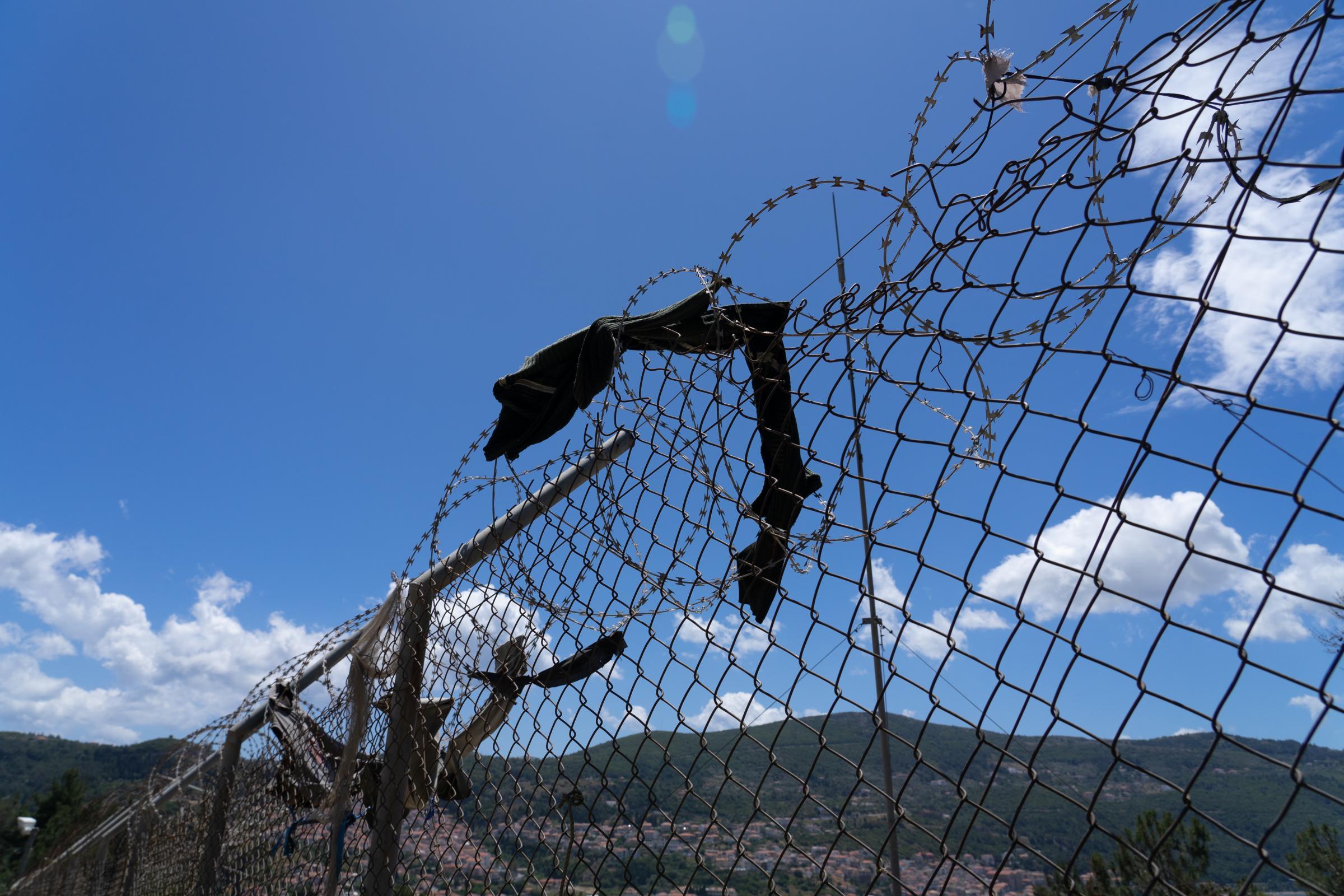
Following the destruction of the Moria camp on the island of Lesbos in 2020, new facilities known as Closed Controlled Access Centres (CCACs) were established on several islands. Although presented as improved reception facilities, these camps are located in remote areas and operate under strict surveillance and access controls, reinforcing the underlying logic of containment and exclusion.
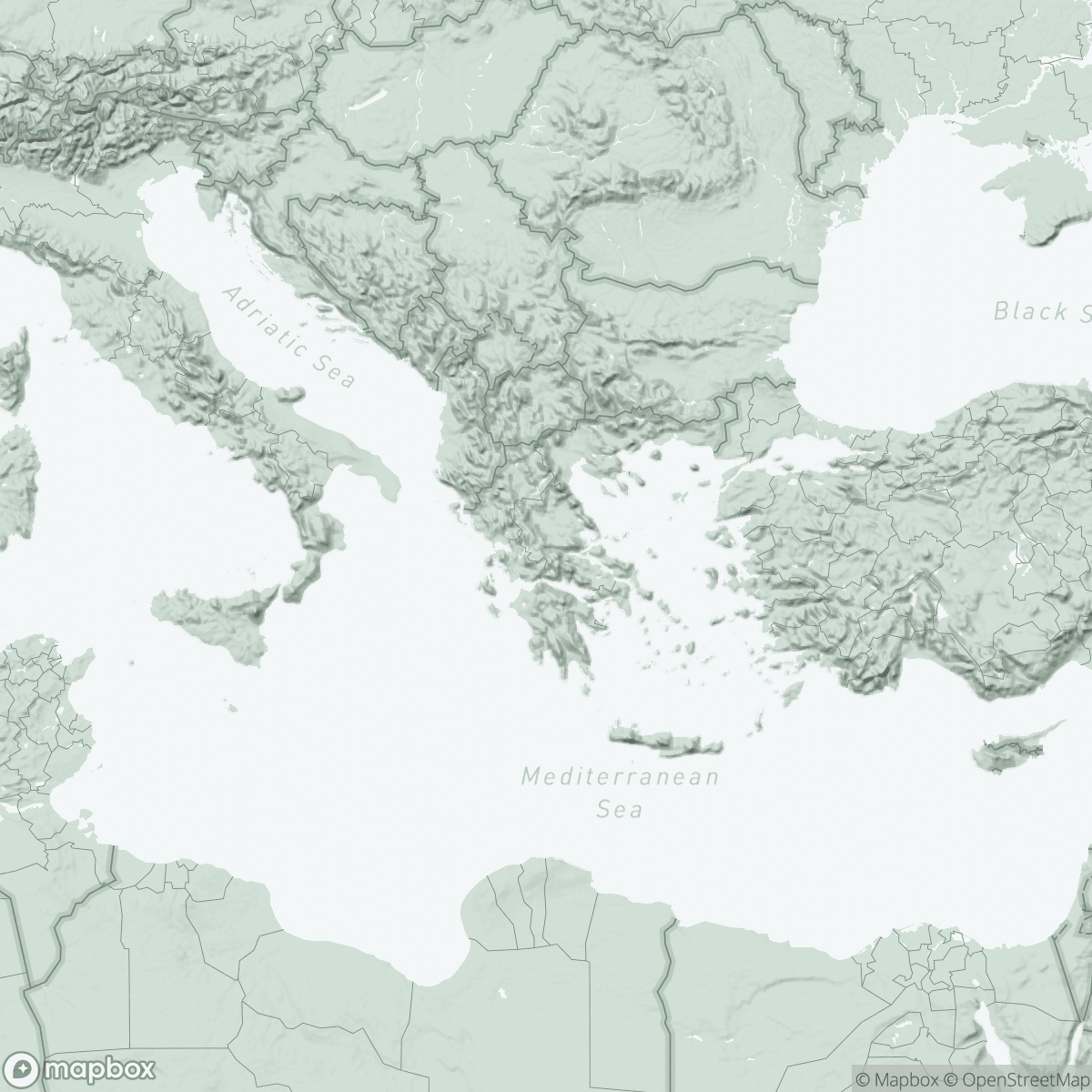
Over the past decade, the EU–Türkiye deal has also served as a blueprint for broader EU migration externalisation policies. The EU has expanded cooperation with countries including Libya, Tunisia, Senegal, Mauritania, Morocco, Niger, Egypt, and several Western Balkan states to prevent people from reaching Europe. These partnerships often involve financial assistance or security cooperation aimed at strengthening border controls, while shifting responsibility for refugee protection to countries where safeguards and asylum systems are often limited.
MSF medical teams have repeatedly warned about the health consequences of deterrence policies.
Many people arriving on the Greek islands have already experienced violence, conflict, or persecution before undertaking dangerous journeys across the Aegean Sea,” continues Chrisina Psarra. “Prolonged uncertainty, restrictions on movement, and poor living conditions often worsen existing trauma.”
Frequently, MSF teams are seeing patients with depression, anxiety, post-traumatic stress disorder, sleep disorders, or who have suicidal thoughts. Poor living conditions have also contributed to outbreaks of skin infections, respiratory illnesses, and gastrointestinal diseases linked to overcrowding and inadequate sanitation. Chronic conditions often go undiagnosed or untreated, while pregnant women, survivors of sexual violence, and women with complications related to female genital mutilation frequently receive no medical care for weeks or months.
Despite increasingly restrictive policies, people continue to attempt dangerous sea crossings. Shipwrecks and violent interceptions remain frequent, illustrating the risks people continue to face when safe pathways to protection are unavailable.
MSF teams regularly provide emergency medical and psychological care to survivors arriving after these journeys.