
Specialised newborn care, closer to home: The journey of two tiny lives at Dogra Hospital
In 1 click, help us spread this information :
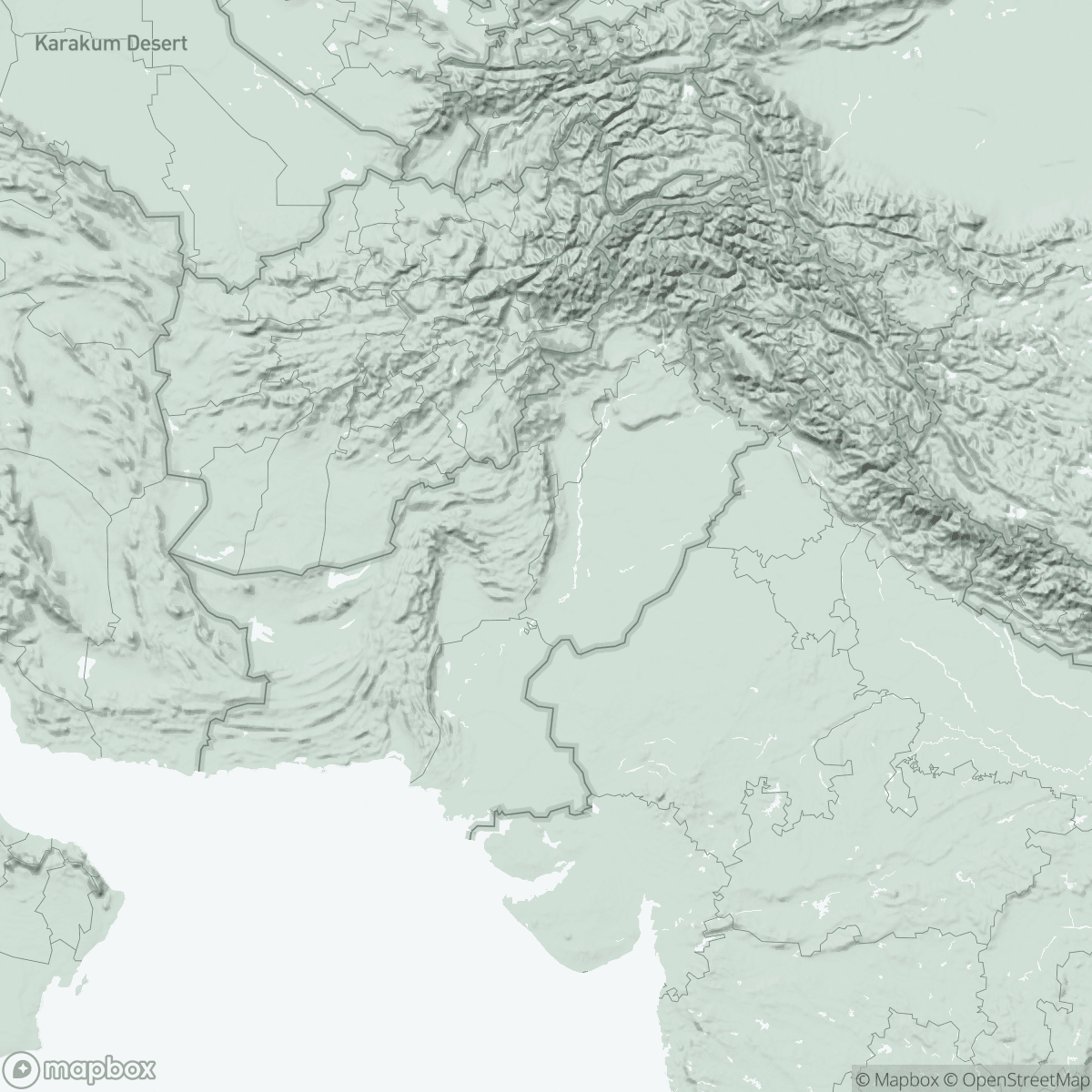
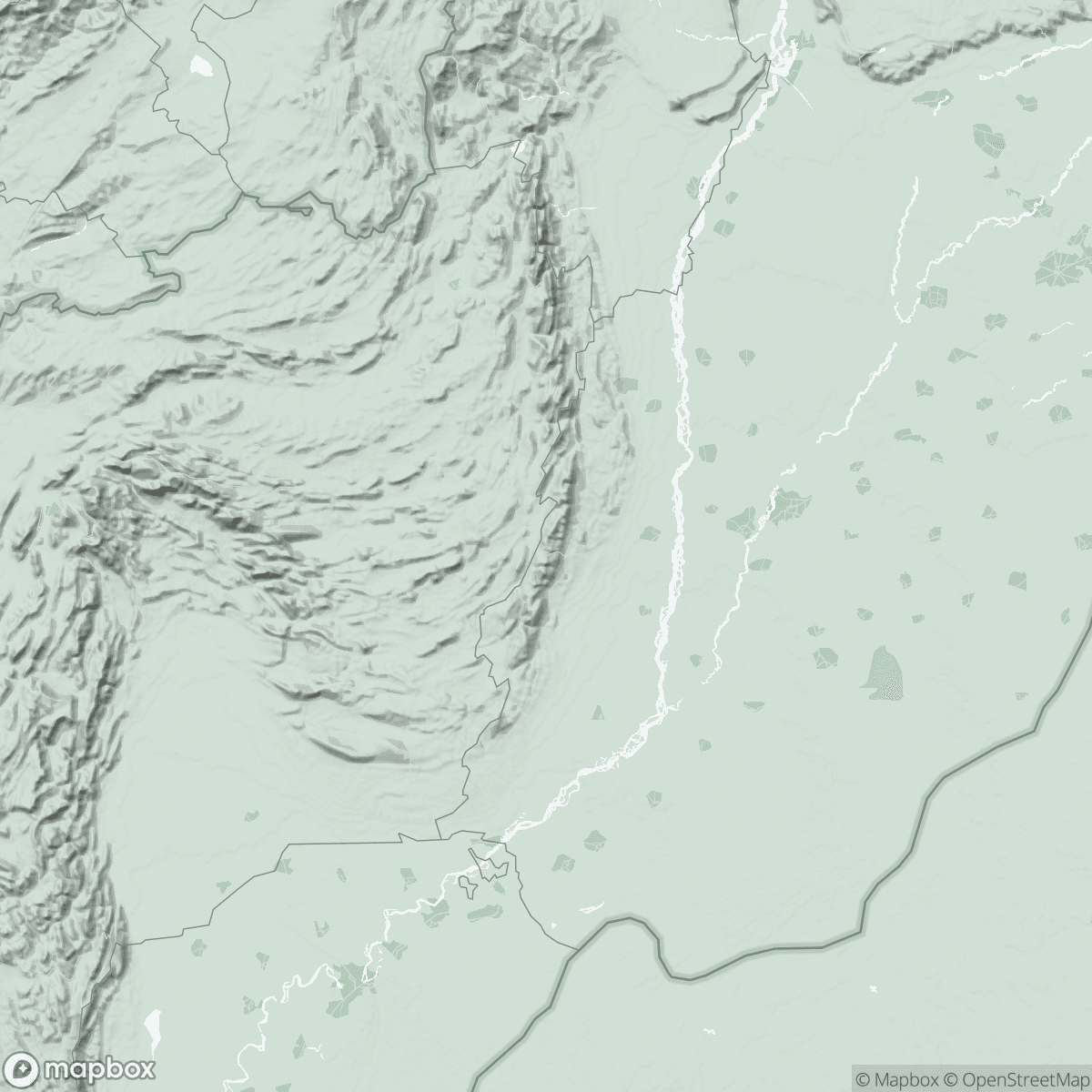
From central Peshawar, a northwestern city in Pakistan’s Khyber Pakhtunkhwa province known as the “City of Flowers”, the road heads south towards Bara tehsil in Khyber tribal district. The journey takes around 35 to 45 minutes, covering roughly 22 kilometres. Along the way, it passes through Bara Bazaar, the area’s main commercial hub, which remained closed for more than six years during anti-militancy operations before reopening in 2015.
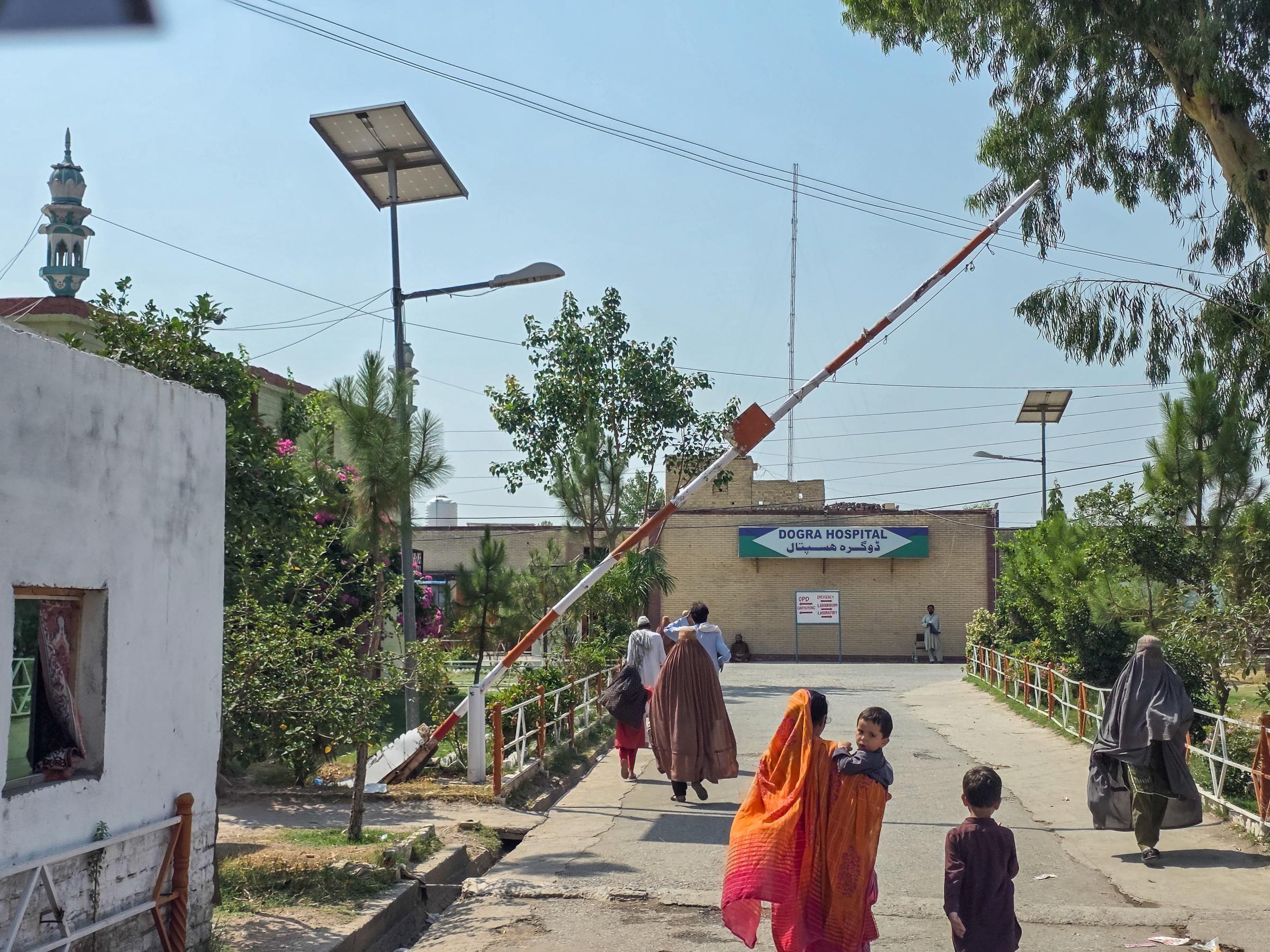
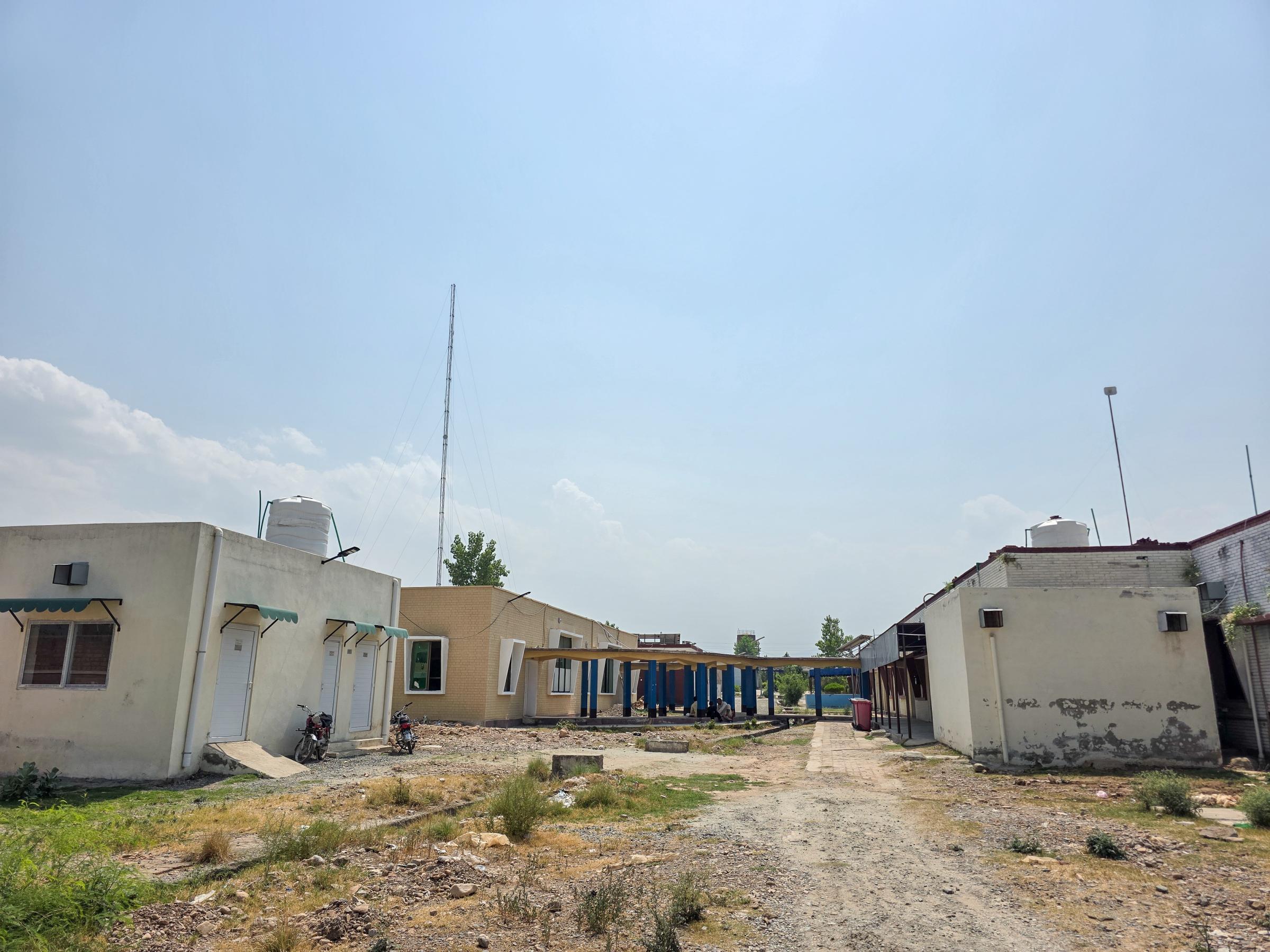
Five to ten minutes beyond the bazaar, Dogra Hospital comes into view on the left, a vital lifeline for communities in Bara tehsil (sub-district) and surrounding areas.
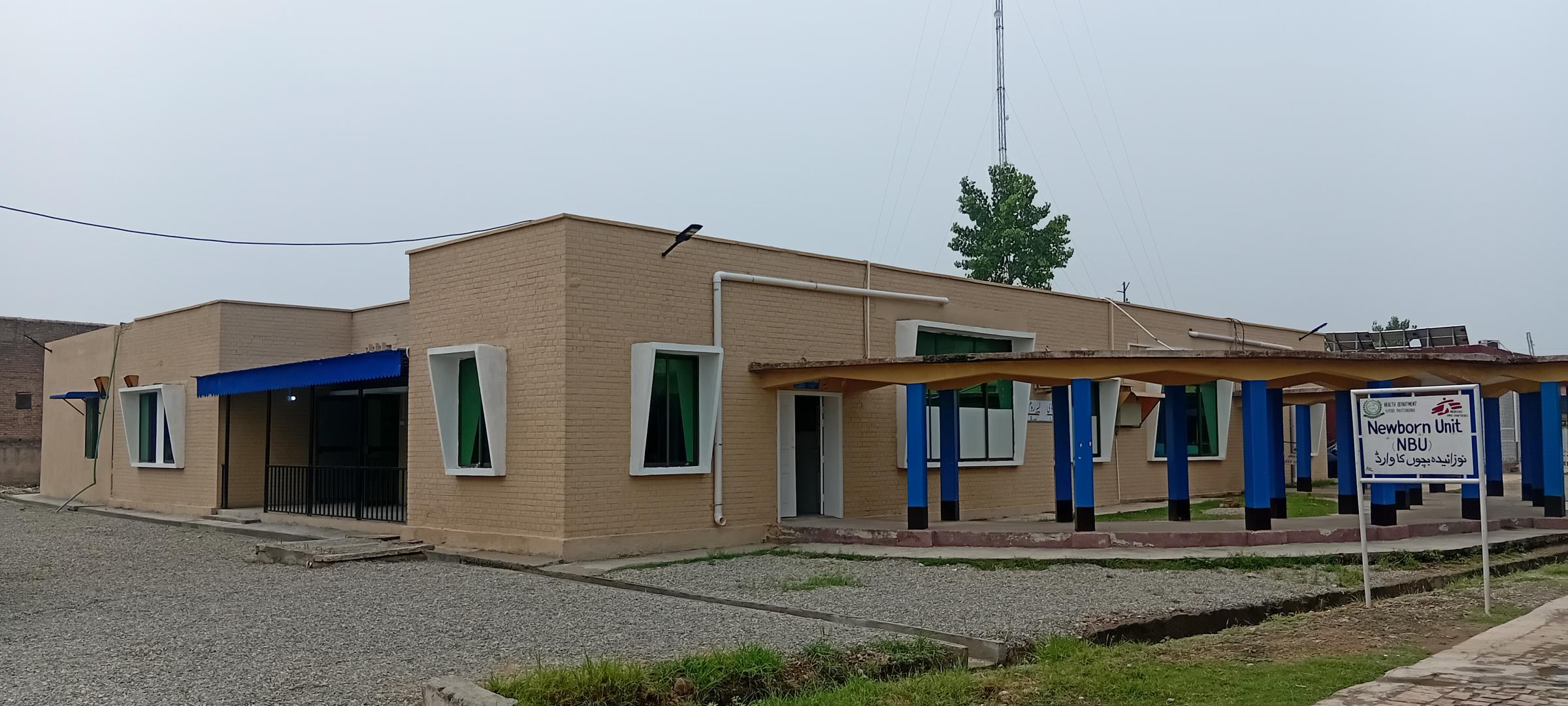
Once inside the main gate, the road turns left, passing the cutaneous leishmaniasis clinic before reaching two neighbouring facilities: a Médecins Sans Frontières (MSF) supported maternity and newborn care unit.
At the entrance to the newborn unit, the hums and cries of babies fill the background as Nizam Khan and his sister, Reema, from Batatal, a locality near Peshawar, prepare to leave.
In their arms are twin baby boys who are finally going home after 24 days of life-saving care. For the family, the long wait is over. But reaching this moment was not easy.
A search for care
Reema had travelled to a public hospital in Peshawar to give birth to her twins. Both boys were born prematurely at 32 weeks of pregnancy, weighing approximately 1.55 and 1.5 kilograms.
The babies needed to be admitted to the nursery, but due to a lack of space at that hospital and another public health facility the family approached, they had to take the twins to a private facility, where the babies stayed for three days.
At the private facility, the cost of treatment became difficult to manage. Reema’s husband is a daily wage worker, and the family had to take out a loan to pay for the babies’ care.
It was there that someone told them about the MSF newborn unit at Dogra Hospital, where care is provided free of charge.
For families living in communities where specialised healthcare is limited, reaching a facility capable of caring for a premature or critically ill newborn can be a matter of urgency.
If this hospital didn’t exist, or if we hadn’t known about this facility, then we would have left our babies in the hands of God,” Reema says.
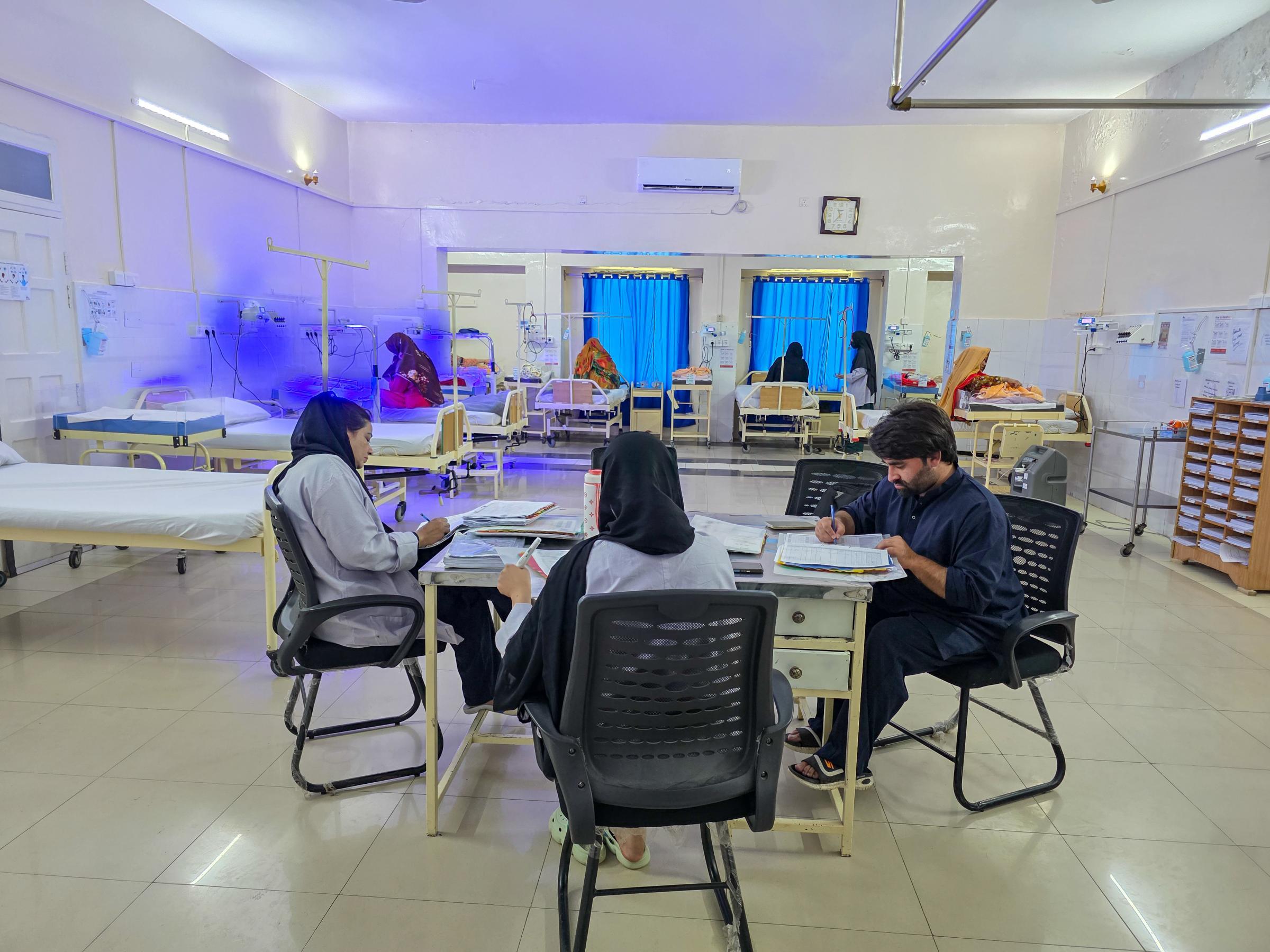
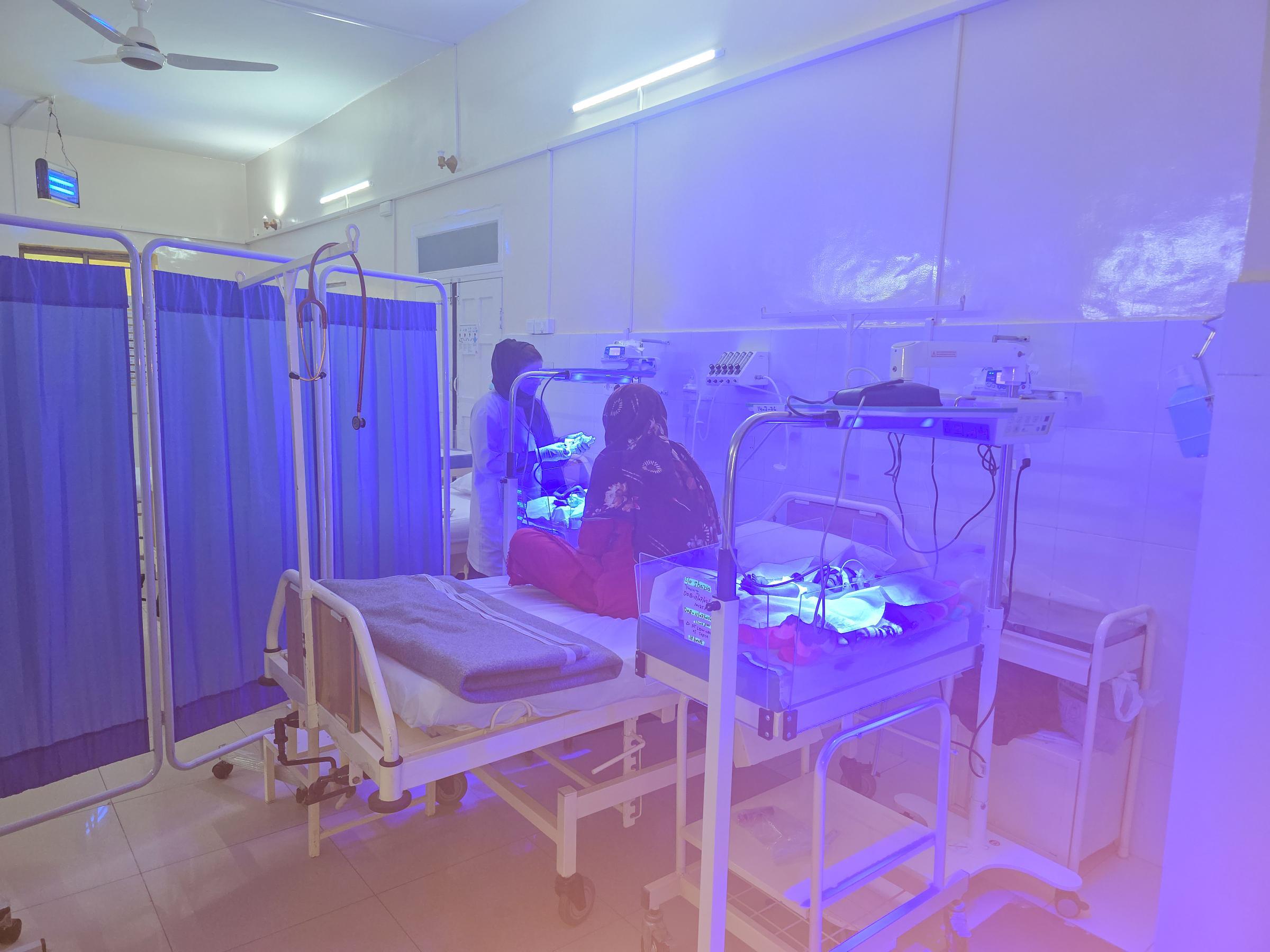
When Reema’s twins arrived at the newborn unit, they were critically ill. Born prematurely, the babies were struggling to breathe and entirely dependent on oxygen support. The MSF medical team immediately started treatment and monitored them closely.
Timely access to oxygen, thermal care, feeding support, monitoring, infection prevention and appropriate referral can be critical for premature and sick newborns, particularly when delays in reaching a specialised facility may increase the risk of complications.
A region with urgent health needs
Reema’s experience reflects a wider challenge facing communities in and around Bara Tehsil, Khyber District.
Dogra Hospital serves an area significantly affected by militancy, displacement and limited access to healthcare. People from Bara and surrounding communities, including parts of Tirah Valley and Dara Adamkhel, travel to the hospital for care.
Pakistan's neonatal mortality rate remains among the highest in the world, at roughly 36 to 38 deaths per 1,000 live births, according to the World Health Organization (WHO). In Khyber Pakhtunkhwa, the neonatal mortality rate is 42 deaths per 1,000 live births, according to the Pakistan Maternal Mortality Survey 2019.
It is within this context that MSF, in collaboration with the government of Khyber Pakhtunkhwa, Health Department, is supporting maternal, newborn and cutaneous leishmaniasis (CL) services at Dogra Hospital.
Before the establishment of the newborn unit by MSF in this hospital in September 2025, all the babies born in the maternity ward of Dogra Hospital, as well as those from the surrounding areas who needed to be assessed by a doctor or required admission right after birth, used to be referred to big hospitals in Peshawar,” says Dr Zia Ullah, Medical Activity Manager of the MSF Dogra project.
Between September 2025 and August 2026, 348 newborns were successfully treated at the unit. For Dr Zia Ullah, some of the cases treated at the newborn unit remain particularly memorable.
He recalls a baby who was brought from a private hospital in an extremely critical condition. The baby was not breathing and had no detectable heartbeat. The on-duty doctors immediately began resuscitation. After approximately 25 minutes, the baby started breathing again.
“Based on our medical experience, we did not expect that the baby would survive,” Dr Zia Ullah recalls. But the baby did survive. After 15 days in the newborn unit, the child was discharged and was able to take breast milk from his mother.
This support is part of broader efforts to strengthen Dogra Hospital as it works towards an upgrade, with the aim of expanding the services available to communities in the area.
To ensure the highest quality of care for mothers, MSF renovated the hospital's maternity ward and provided critical staffing and essential services. Pregnant women can receive check-ups, while women experiencing complications after delivery can be admitted for treatment. Patients requiring specialised care unavailable at Dogra are referred to major hospitals in Peshawar.
MSF has worked to strengthen the referral process, including assessing patients before transfer and contacting the receiving hospital in advance, and also donated an ambulance to improve such referrals in the district.
Between July 2025 and August 2026, the the hospital’s CL clinic screened 896 people, with 424 patients starting treatment after testing positive.
A mother and her babies, together
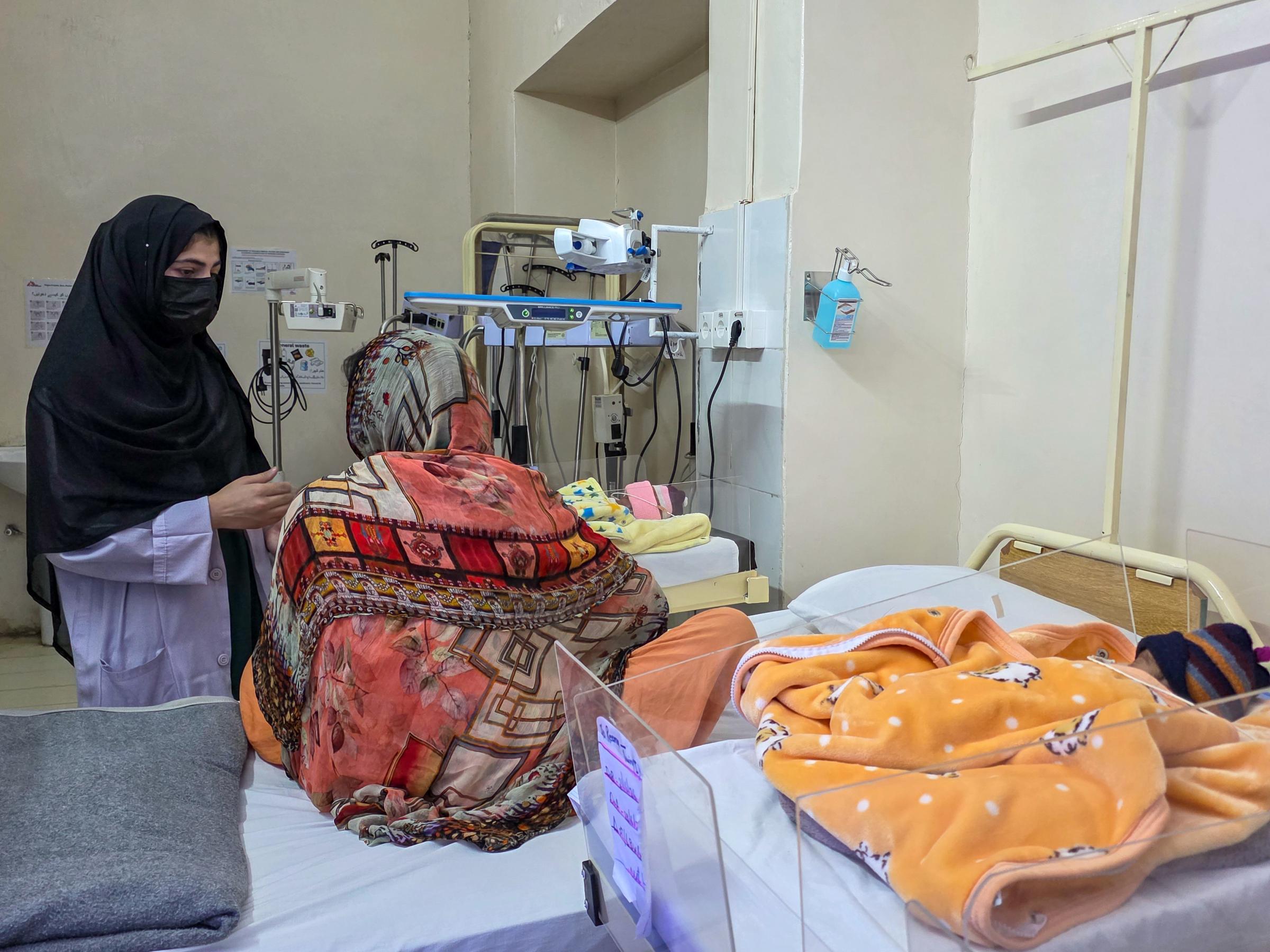
In the newborn unit, MSF follows a “zero-separation” policy, allowing mothers to stay alongside their babies throughout their hospitalisation.
By ensuring mothers and newborns are not separated, the vital maternal and neonatal bond remains completely intact,” says Dr Zia Ullah. Keeping mothers with their newborns supports breastfeeding, maternal involvement in care and bonding, while also helping mothers learn essential newborn-care practices before discharge.
For Reema, the policy meant she could remain beside her twins throughout their treatment.
She was provided with three meals a day, while the newborns received nursing care, medicines, hygiene support and laboratory investigations free of charge.
I am getting good care for my babies in this hospital. That’s all I want,” Reema says. “I am receiving everything, so my husband is able to continue working without constantly worrying about hospital expenses.”
Going home
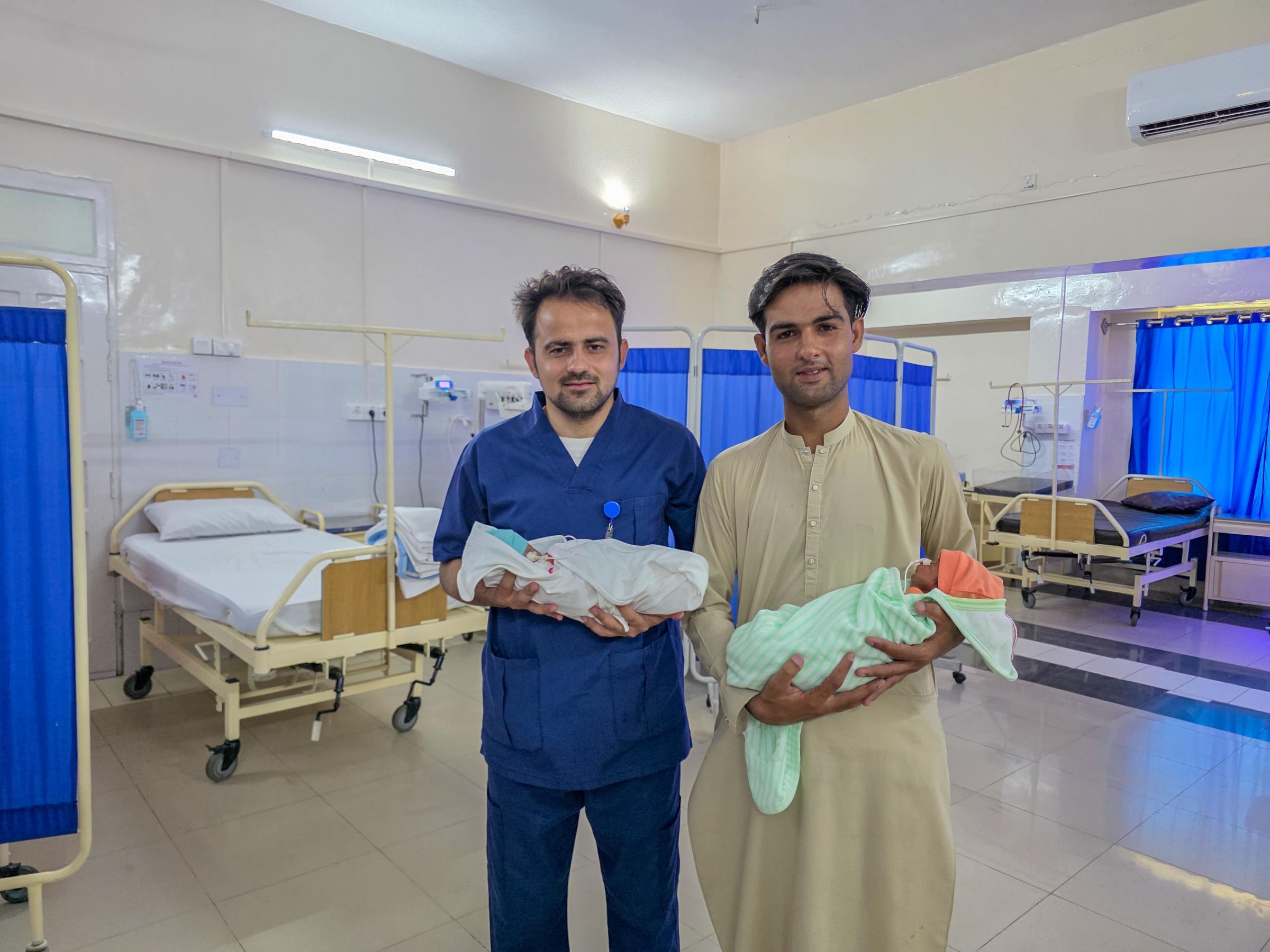
After 24 days, the twins were stable, gaining steady weight and feeding well by mouth. They were provided with essential vitamins, a follow-up plan and guidance for Reema on how to safely care for them at home.
For weeks, the twins’ world was a hospital bed, medical equipment and the people caring for them.
At the entrance of the newborn unit, Nizam holds one of the twins while Reema carries the other, finally heading home to Batatal.
Their story is one among hundreds of newborns who have passed through the unit since it opened in September 2025.
For communities in and around Bara, many of whom are still dealing with the consequences of militancy, displacement and limited access to healthcare, the availability of specialised newborn care closer to home can mean the difference between having an option and having none.
For Reema, it was about finding a place where her babies could receive the care they needed when her family could not afford it elsewhere.
For the two tiny boys leaving Dogra Hospital that day, it is the beginning of a new journey, this time in their mother’s arms.