
MSF at AIDS 2026: Gilead and governments must do more to make HIV prevention medicine accessible worldwide
In 1 click, help us spread this information :
As the 26th International AIDS Conference (AIDS 2026) opens in Rio de Janeiro, Gilead continues to restrict access to lenacapavir. A true breakthrough in HIV prevention, this treatment will not be available as a generic in many middle-income countries, including Brazil, which is hosting the conference. Yet these are the very countries where the company conducted the clinical trials that enabled lenacapavir to reach the market.
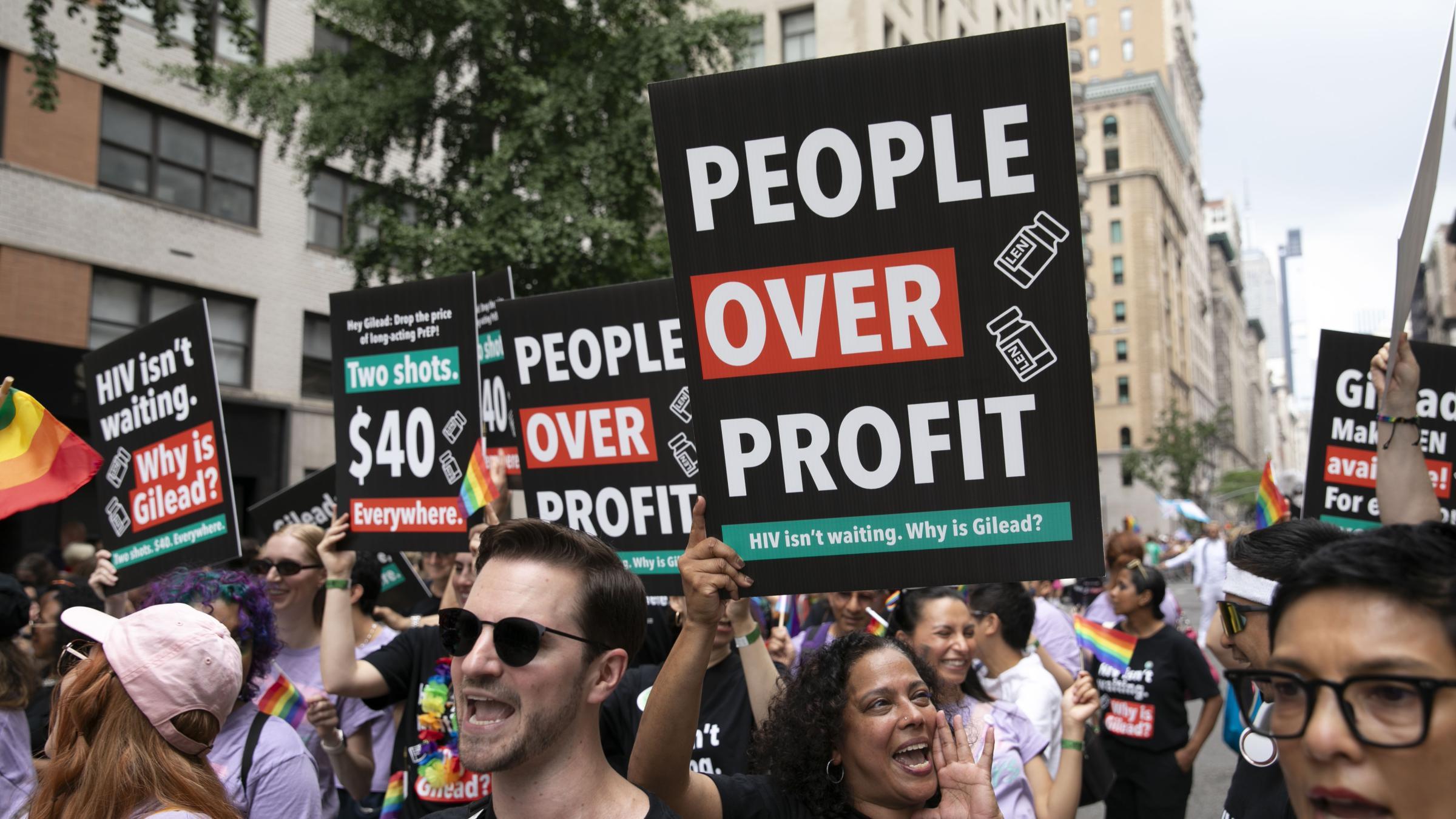
Present at the conference, Médecins Sans Frontières (MSF) is calling on the US pharmaceutical company Gilead Sciences to end its monopoly and make lenacapavir accessible in all low- and middle-income countries.
Visit the MSF campaign's website: Two Shots. $40. Everywhere.
Lenacapavir is an injectable version of pre-exposure prophylaxis (PrEP) that only needs to be given twice a year and is nearly 100 percent effective in preventing HIV. It could be a gamechanger for communities affected by HIV everywhere, especially those who face stigma and additional barriers accessing health care, like men who have sex with men, transgender individuals, sex workers, and people caught in conflict or humanitarian crises — if they could access it. Instead, Gilead has priced the medicine out of reach, severely restricts its supply to certain countries like Brazil, and refuses to sell it directly to MSF for use in its medical programmes.
We’re here at AIDS 2026 with one main ask: lenacapavir must be available for no more than $40 per person per year in all low- and middle-income countries,” said Renata Reis, executive director of MSF-Brazil.
“We have been running HIV prevention programs and treating people with HIV/AIDS across the globe for decades.
We’ve seen firsthand what happens when medical tools like antiretroviral treatments are priced out of reach or are simply unavailable: People die needlessly, and communities suffer. We can’t let history repeat with this critical HIV prevention medicine.”
Gilead currently completely controls who can receive lenacapavir, where it’s available, and on what terms. The pharmaceutical corporation sells it for $28,000 a year per patient in the US even though it could be produced for less than $40. Some more affordable generic versions are set to become available as early as next year, but only select manufacturers will be allowed to make them, and their sale will be restricted to certain countries. Many countries — including Brazil, Argentina, Mexico, and Peru — that hosted the lenacapavir clinical trials are excluded from that deal altogether.
It is unacceptable that communities in Brazil contributed to the clinical trials that paved the way for lenacapavir’s approval and sale in countries across the world, yet people here still struggle to access this game-changing medicine,” said Antonio Flores, senior HIV and tuberculosis (TB) advisor with MSF’s Southern Africa Medical Unit. Gilead alone should not decide who gets lenacapavir and who doesn’t.”
If Gilead continues to charge high prices for this medicine and restrict its production, governments, including Brazil’s, should take any and all necessary steps to make it easier to override Gilead’s monopoly on this product. Governments are afforded a broad range of flexibilities under the World Trade Organization’s agreement on Trade-Related Aspects of Intellectual Property Rights (TRIPS). For example, countries may grant compulsory licenses on otherwise patented products, allowing their use without the authorisation of the patent holder. Actions like this can remove intellectual property barriers and may facilitate broader generic production.
“HIV isn’t waiting, so why is Gilead?” Flores said.
Millions of people who need this medicine can’t currently access it. The pharmaceutical corporation must immediately lower its prices and expand access to lenacapavir — or governments like Brazil must take action. There are international legal tools in place for a reason: to protect public health. Brazil has used them in the past, and they must use them again now.”
MSF recently launched a campaign against Gilead and is encouraging people to sign up to join and voice their support for increased access to lenacapavir. MSF will also be hosting a satellite session on July 30 during AIDS 2026 on improving access to lenacapavir.