
Aden 2015: Inside the only MSF trauma hospital functioning amid Yemen war
In 1 click, help us spread this information :
“What I witnessed that day was something I had never expected. The hospital was full of war-wounded patients. The corridors were filled with screams.” — Dr Nagwan
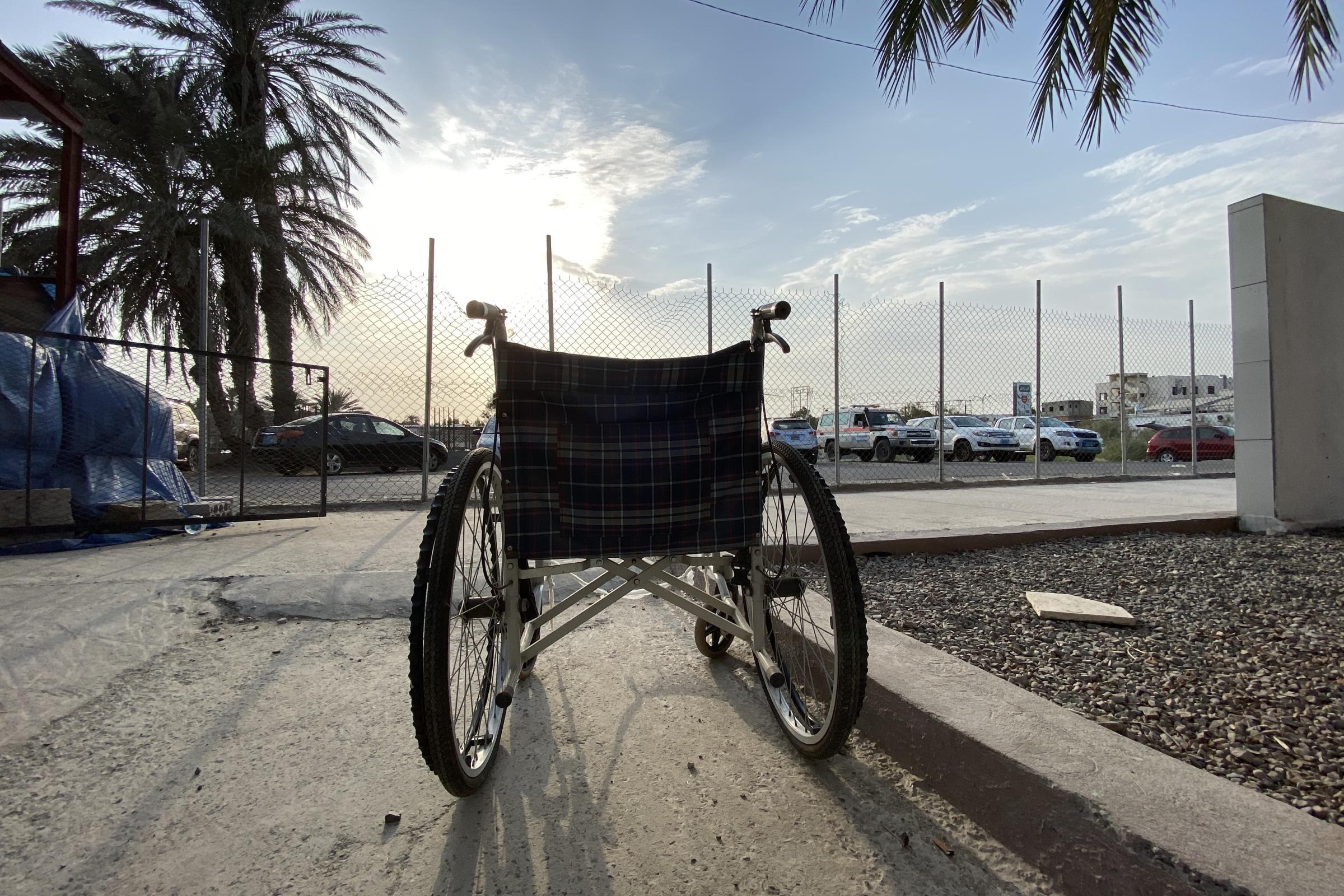
In March 2015, Aden Teaching Hospital’s trauma department, run by Médecins Sans Frontières (MSF), became the city’s only functioning facility for people injured in the fighting. For the next four months, during the battle for Aden, the hospital operated under relentless pressure, treating a constant influx of war-wounded patients.
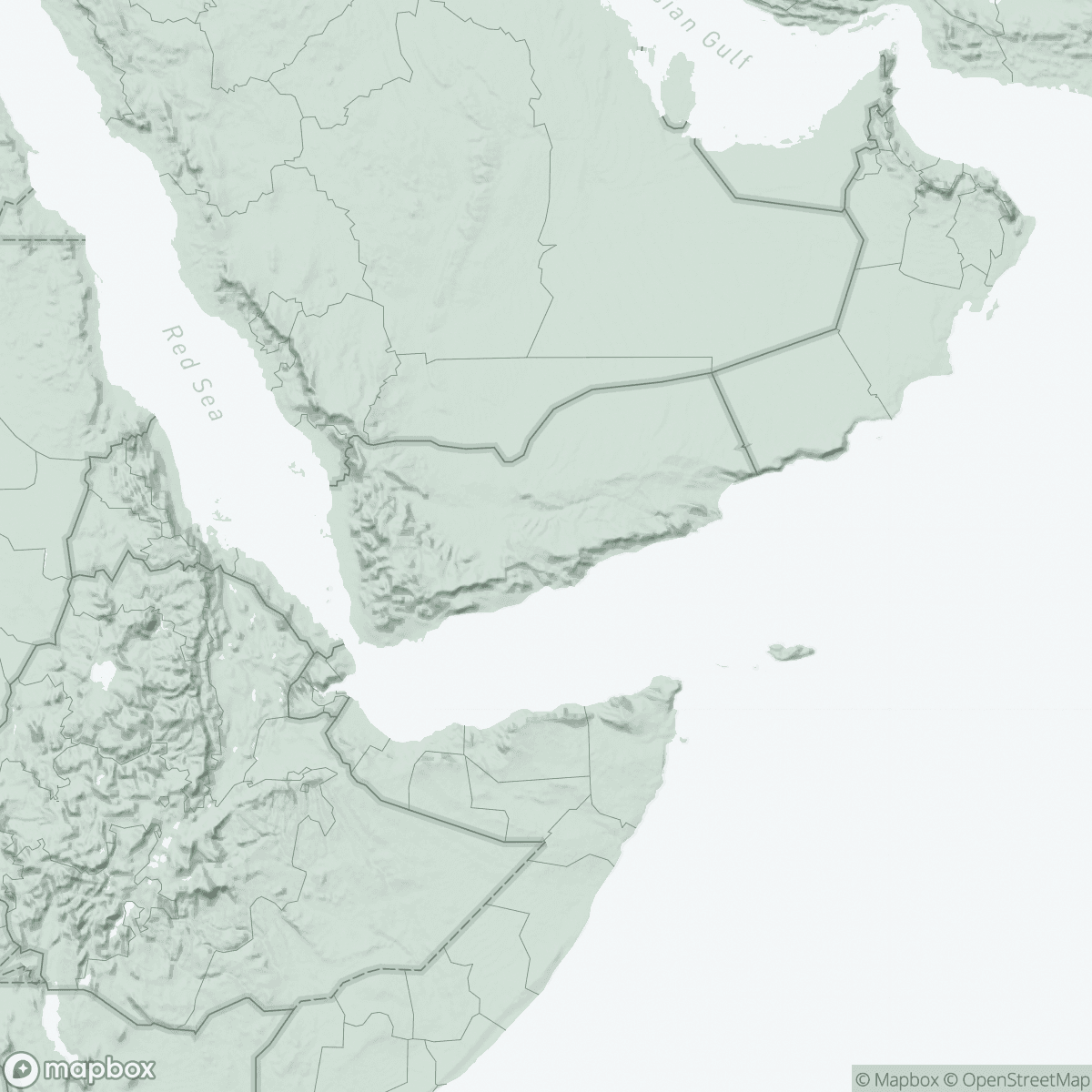
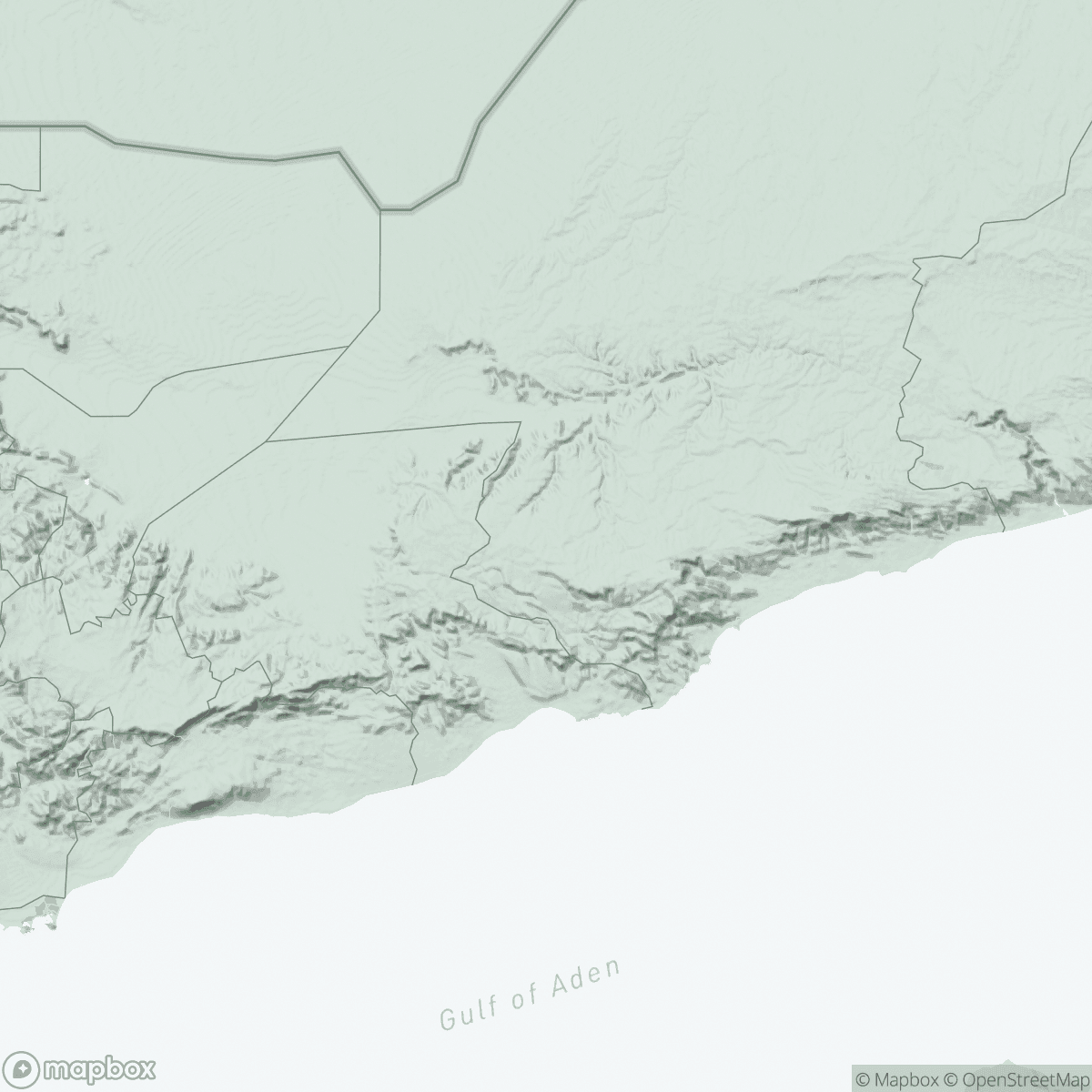
By then, Yemen had been engulfed in war for nearly a year. The conflict involved the forces of President Abdrabbo Mansour Hadi and Ansar Allah, also known as the Houthis. In September 2014, the Ansar Allah movement and their allies advanced from the northwest, seizing large parts of the capital, Sana’a. Under mounting pressure, President Hadi resigned in January 2015 and fled to Aden, a port city in southern Yemen and the last stronghold of the internationally recognised government.
In March 2015, rumours began spreading that Ansar Allah were advancing south toward Aden.
People rushed to shops to stock up on food and basic supplies. No one knew what was coming,” remembers Dr Nagwan.
On 25 March, Ansar Allah forces and their allies entered Aden. Fighting erupted across the city, including in residential areas, while the president left the country. Within hours, the conflict reached MSF’s trauma hospital.
As I was making my way home, I saw a vehicle carrying injured people crash into the hospital,” Dr Nagwan recalls.
Though not yet part of the MSF team, he entered immediately to help.
“I suddenly found myself in what felt like a medical battlefield, stopping bleeding for one patient, searching for a vein for another, moving from one critical case to the next.”
Between 25 and 26 March, MSF treated about 180 wounded patients. Over the following weeks, Aden became a divided city: the north and south fell under Ansar Allah control, while the centre remained under southern forces, now part of the Southern Transitional Council (STC).
Throughout the months that followed, patients arrived in large numbers, often with life-threatening injuries. Medical teams had to prioritise immediate, life-saving care over definitive treatment. Mohamed, MSF logistics coordinator, explains:
Drivers helped carry patients, administrative staff cleaned mattresses, everyone supported the medical teams. We had to constantly manage the crowds, reduce tension, and protect the medical staff so they could keep working.”
In July 2015, fighting intensified as Ansar Allah forces withdrew from Aden, triggering the largest influx of wounded patients since the conflict began. Between March and August 2015, MSF treated around 2,800 war-wounded patients, including many women and children.
By 2023, a decrease in violence had reduced war-related trauma cases. In February 2025, the trauma surgery programme at Aden Teaching Hospital closed after 12 years, during which MSF carried out more than 65,000 emergency consultations and nearly 68,000 surgical interventions. The closure of the trauma surgery programme does not mean that needs in Aden have disappeared. Yemen remains unstable, and access to healthcare is limited.
In recent months, tensions have increased between Yemen’s Presidential Leadership Council, internationally recognized and backed by Saudi Arabia, and the Southern Transitional Council, backed by the United Arab Emirates and seeking greater autonomy for southern Yemen, including Aden. For MSF, the end of one project does not mark the end of engagement.
The organisation continues to maintain a presence in Aden, monitor evolving needs, and keep an emergency response plan ready to provide urgent medical care whenever it is needed.