Supporting Survivors of Ill Treatment in Contexts of Ongoing Trauma
The Survivors of Ill Treatment (SoIT) strategy implemented by Médecins Sans Frontières (MSF) in Damascus and Aleppo seeks to address the complex needs of people who have experienced detention, torture, or other forms of ill treatment during the Assad regime. While the programme is grounded in medical and mental health support, observations from an anthropological analysis show that recovery extends far beyond clinical care.
An anthropological reading of the programme highlights a fundamental challenge: many individuals classified as "survivors" are still actively living with the consequences of their trauma. Their experiences continue to shape their physical health, mental wellbeing, family relationships, social status and economic opportunities. Understanding these interconnected dimensions is essential both for effective programming and for meaningful research.
Rethinking the Notion of "Survivor”
One of the key observations emerging from the SoIT experience in Syria concerns the term "survivor" itself.
In humanitarian and medical settings, the label is often used to identify individuals who have endured violence and lived through it. However, the realities encountered in Damascus and Aleppo suggest a more nuanced picture. Many people continue to navigate the long-term consequences of detention and abuse. For them, survival is not a past event but an ongoing process.
The physical injuries may persist years after release. Psychological symptoms may continue to affect daily functioning forever. At the same time, individuals often face economic hardship, disrupted family dynamics and changes in their social identity.
This raises an important question: at what point does a person cease to be in a state of survival and begin a process of recovery? The experiences documented through the SoIT programme suggest that the boundary is often unclear.
Researching Can Open Wounds
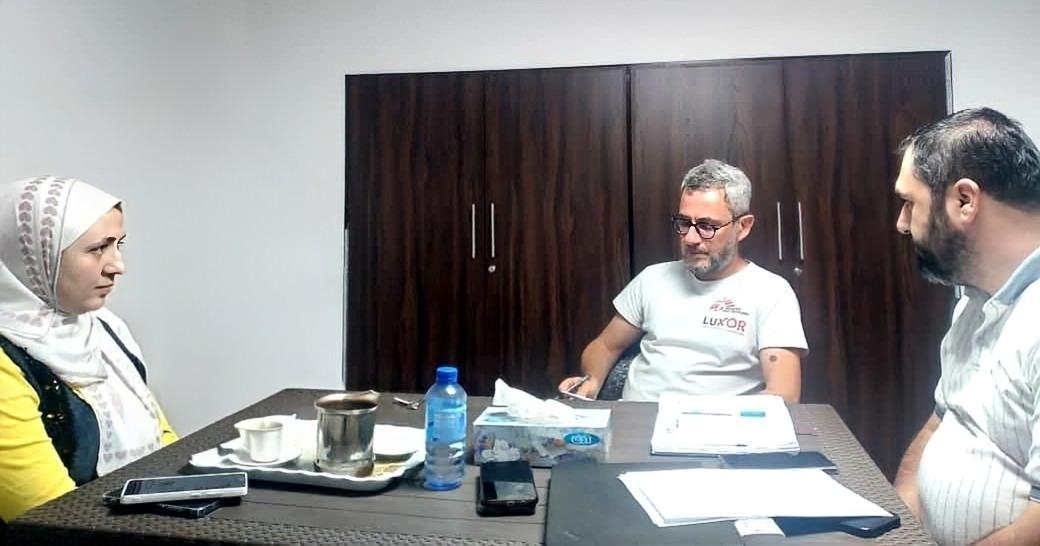
Anthropological analysis also highlights the methodological and ethical challenges of conducting research among populations whose traumatic experiences remain unresolved.
Collecting evidence on the consequences of ill treatment requires engaging directly with highly sensitive experiences. Interviews and discussions may lead participants to revisit painful memories, sometimes triggering emotional distress or reactivating traumatic responses.
Researchers therefore face a delicate balance. On one hand, documenting experiences is necessary to understand needs, evaluate interventions and strengthen evidence for future programming. On the other hand, the process of generating evidence should not inadvertently contribute to harm.
An anthropological approach is particularly valuable in this context because it focuses not only on what happened to individuals but also on how they continue to live with those experiences. It encourages attention to context and everyday realities rather than limiting analysis to symptoms or diagnoses.
Beyond Physical and Mental Health
The SoIT programme demonstrates that the consequences of ill treatment extend beyond physical and psychological suffering.
People released from prison frequently present with a combination of:
- Physical injuries and chronic health conditions;
- Mental health consequences related to trauma;
- Economic vulnerability;
- Difficulties rebuilding trust and social relationships.
While healthcare services are critical in addressing physical and psychological needs, many of the challenges reported by participants fall outside the traditional scope of purely medical care.
The result is a blurred boundary between health and social recovery. Improvement in one area often depends on progress in another. A person's mental wellbeing may be affected by unemployment and social isolation.
Additionally, recovery involves reconstructing a sense of identity and purpose, which often are being eroded by ill treatments.
The Role of Community Engagement
A key lesson emerging from the SoIT strategy is the importance of community engagement as part of the recovery process.
The findings suggest that community-based approaches should not be viewed as secondary or complementary to medical care. Rather, they represent an essential component of an integrated response.
Community engagement can help:
- Strengthen social support networks – thus reducing isolation;
- Facilitate reintegration into community life;
- Identify and address needs that may not emerge through clinical consultations alone.
By connecting healthcare interventions with the broader social environment, community-based activities help bridge the gap between treatment and recovery.
Supporting Recovery
The experience of MSF's Survivors of Ill Treatment strategy in Damascus and Aleppo illustrates that recovery from ill treatment cannot be understood solely through a medical lens. While healthcare remains fundamental, the realities documented through an anthropological perspective reveal the importance of social, relational and economic dimensions of recovery.
For many participants, the transition from surviving to recovering remains incomplete. Their experiences underscore the need for programmes that recognise the interconnected nature of physical health, mental wellbeing and social reintegration: .
One of the people I interviewed was M., a 41-year-old former teacher. Before his arrest, teaching was more than a job for him: it was a source of purpose and pride. He spent nearly six years in detention, where he endured extreme violence and torture.
During our conversation, hesitantly, and yet with striking awareness, he said that he could no longer teach because what had been done to him in prison had erased his knowledge. He did not remember anything anymore...
M. was not only physically harmed. Torture had shattered the very foundations of his identity. The teacher, the professional, the person he had once been, all seemed irretrievably fragmented. This is what torture does: it reaches far beyond the body, attacking memory, self-worth, relationships, and a person’s place in the world.
Today, M. lives with physical injuries and profound psychological scars. Like many other survivors I met, he struggles not only with the trauma of what happened to him, but also with rebuilding a sense of purpose and belonging. His story is a strong reminder that the consequences of torture endure long after the violence ends. Recovery is not only about healing wounds and trauma, but it is also about supporting survivors to reclaim their identity and find a renewed place in society.
The central lesson is clear: effective support for survivors of ill treatment requires more than treating wounds. It requires helping people rebuild their place in the social world. Community engagement is therefore not an added value to SoIT programming but a core element of recovery itself.