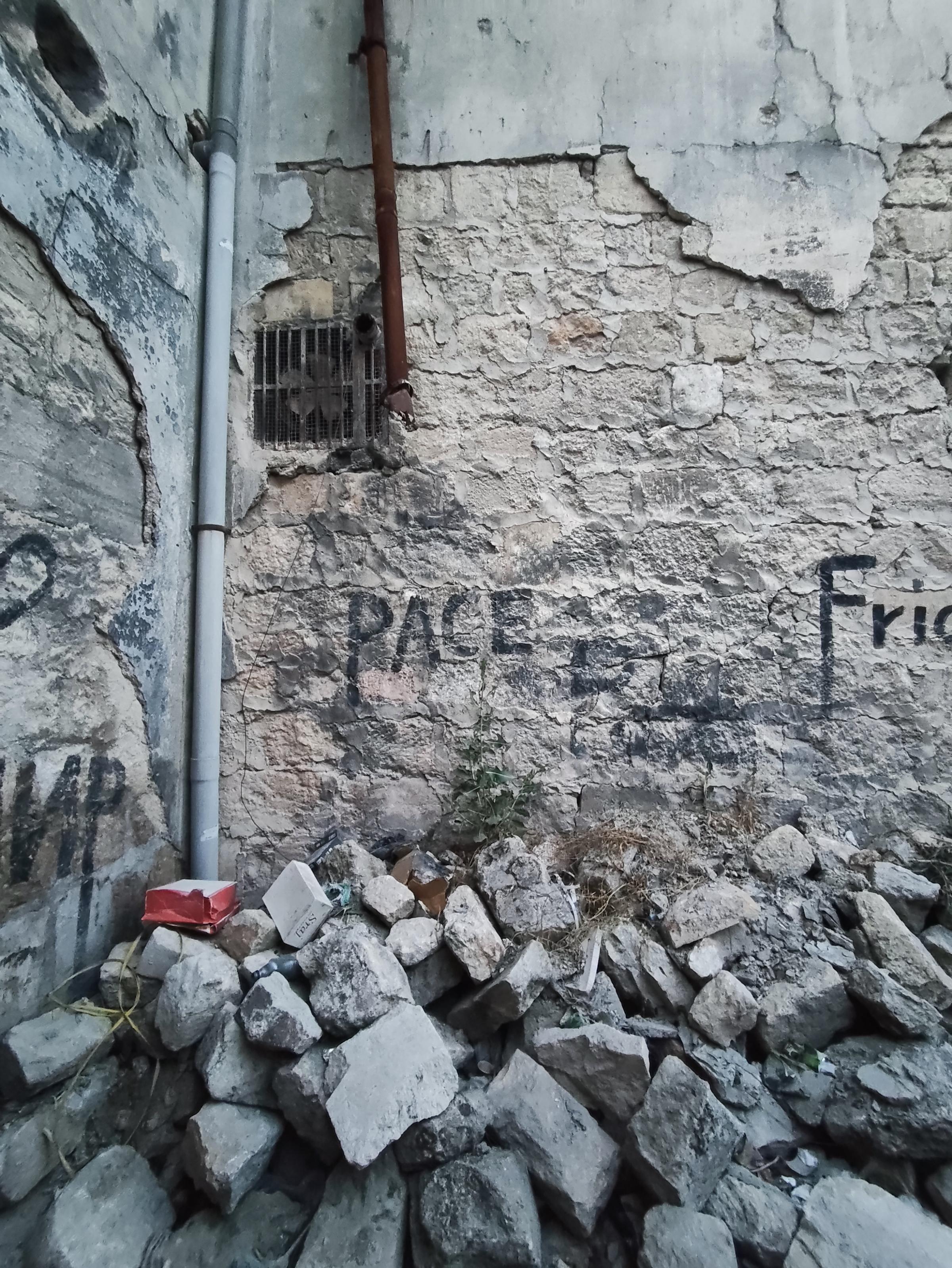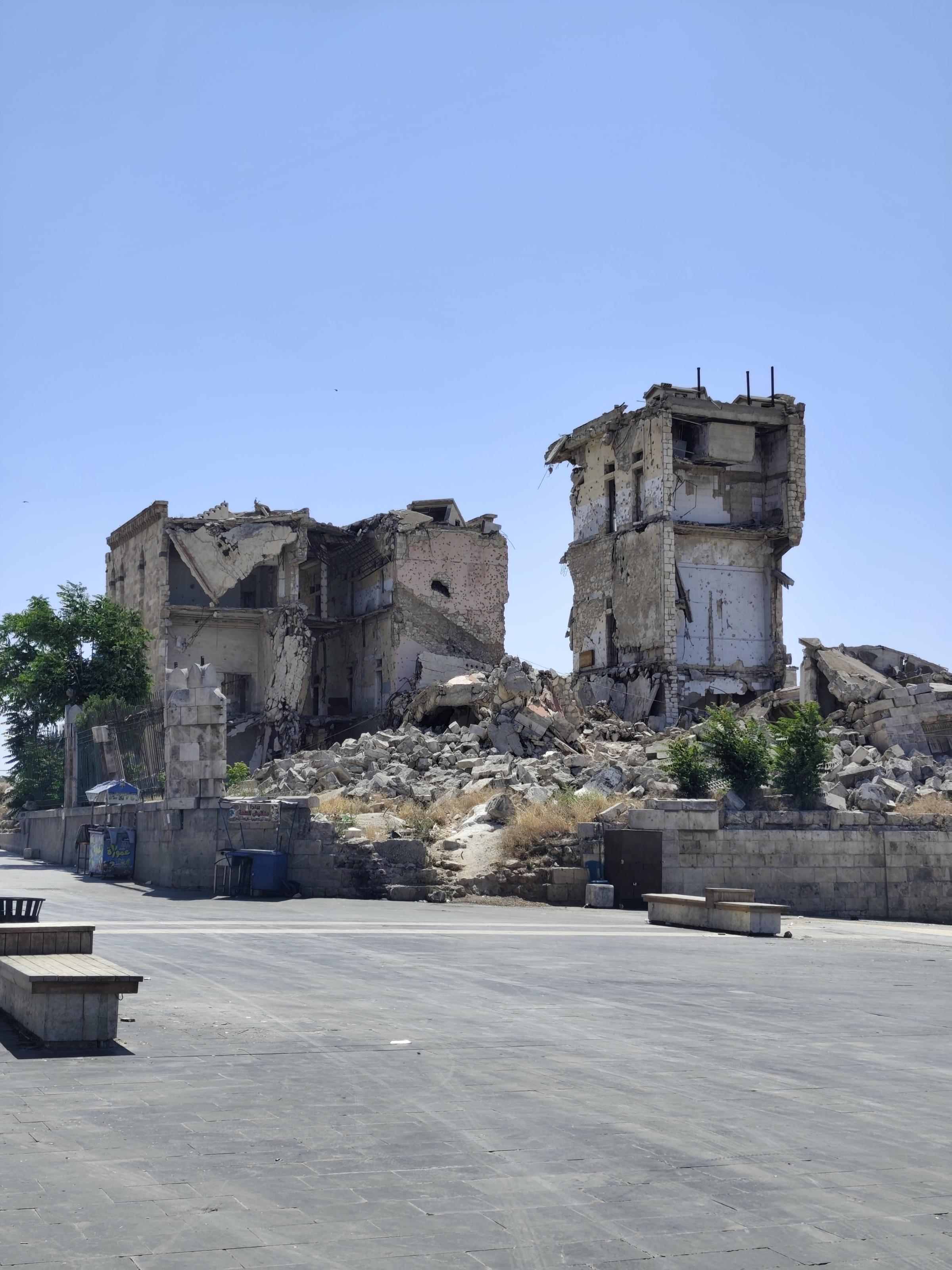
Soutenir les survivants face à un traumatisme continu
La stratégie Survivants de Torture (SdT) mise en œuvre par Médecins Sans Frontières (MSF) à Damas et Alep (Syrie) vise à répondre aux besoins complexes des personnes ayant subi la détention, la torture ou d’autres formes de mauvais traitements sous le régime de Bachar al -Assad. Bien que le programme repose sur une prise en charge médicale et en santé mentale, l’analyse anthropologique montre que le processus de rétablissement va bien au-delà des soins cliniques.
Umberto Pellecchia, conseiller en recherche opérationnelle en mission en Syrie, a porté un regard anthropologique sur ce programme. Son analyse met en lumière un enjeu majeur : les personnes qualifiées de « survivants » continuent, pour beaucoup, de vivre avec les séquelles de leur expérience. Celles-ci influencent durablement leur santé physique et mentale, mais aussi leur vie familiale, leur place dans la société et leurs possibilités économiques. Prendre en compte l’ensemble de ces dimensions est indispensable pour adapter les programmes à leurs réalités et produire des recherches véritablement utiles.
Repenser la notion de « survivant »
L’un des principaux enseignements tirés de l’expérience du programme SdT en Syrie concerne la notion même de « survivant ».
Dans les contextes humanitaires et médicaux, ce terme désigne généralement les personnes ayant subi des violences et ayant survécu à ces épreuves. Pourtant, les réalités observées à Damas et à Alep révèlent une situation plus complexe. Beaucoup continuent à vivre avec les séquelles de la détention, de la torture et des mauvais traitements. Pour elles, la survie n’est pas un événement appartenant au passé, mais un processus qui se poursuit au quotidien.
Les blessures physiques peuvent persister longtemps après la libération. Les conséquences psychologiques peuvent affecter durablement la vie de tous les jours. À cela s’ajoutent souvent des difficultés économiques, des bouleversements dans les relations familiales et une transformation profonde de la place occupée dans la société.
Cette réalité soulève une question essentielle : à quel moment cesse-t-on simplement de survivre pour entamer un véritable processus de reconstruction ? Les expériences recueillies dans le cadre du programme SoT montrent que la frontière entre ces deux états est souvent floue.
La recherche peut raviver les blessures
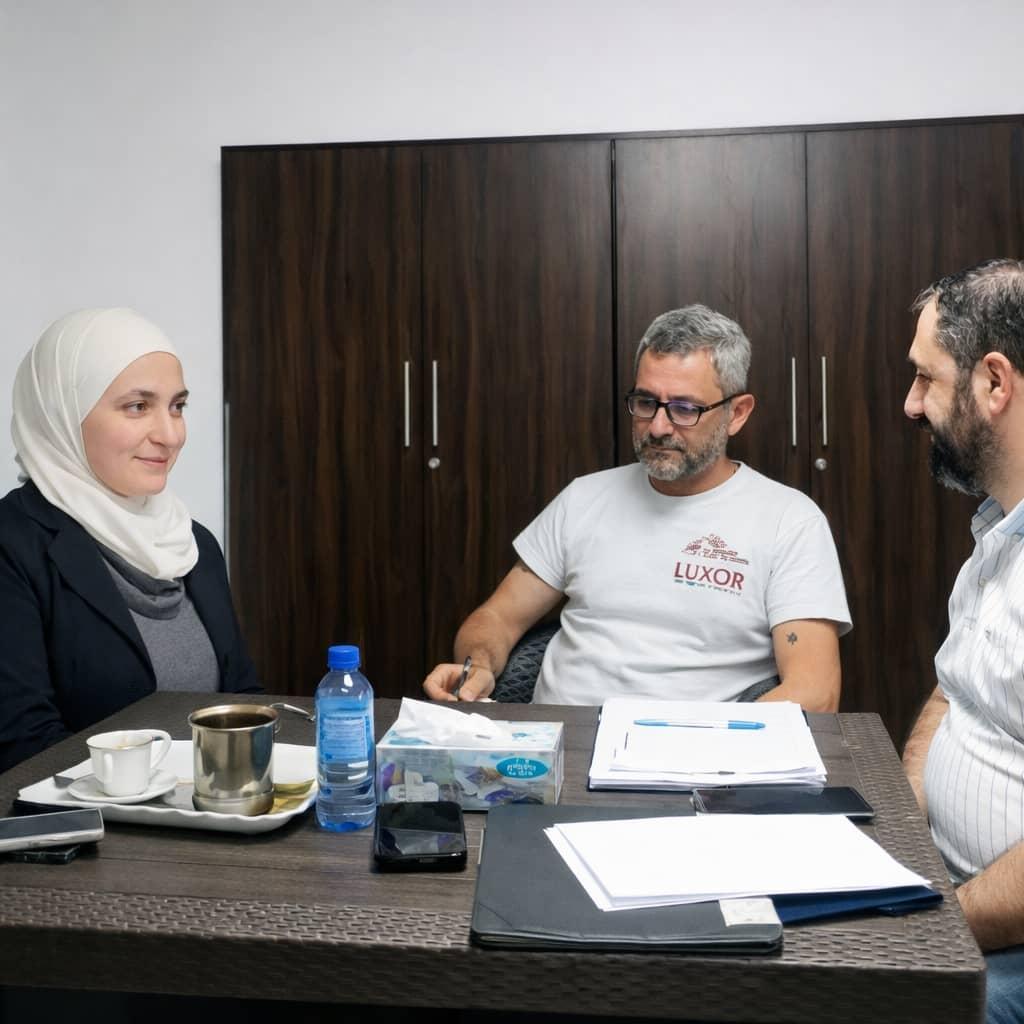
Mener des recherches auprès de populations marquées par des expériences traumatiques encore non résolues soulève d’importants défis méthodologiques et éthiques. Étudier les conséquences des mauvais traitements implique en effet d’aborder des récits profondément personnels et douloureux. Les entretiens peuvent amener les participants à se replonger dans des souvenirs difficiles, au risque de raviver une souffrance émotionnelle ou des réactions liées au traumatisme.
Les chercheurs doivent donc avancer avec prudence. S’il est essentiel de recueillir ces témoignages pour mieux comprendre les besoins des personnes concernées, évaluer les interventions et orienter les futures actions, la recherche ne doit pas devenir une source supplémentaire de détresse.
Dans ce contexte, l’approche anthropologique offre une perspective particulièrement utile. Elle ne s’intéresse pas uniquement aux événements vécus, mais aussi à la manière dont les individus continuent de composer avec ces expériences au quotidien. En mettant l’accent sur le contexte, les relations sociales et les réalités de la vie de tous les jours, elle permet une compréhension plus nuancée et plus humaine que celle fondée uniquement sur les symptômes ou les diagnostics.
Au-delà de la santé physique et mentale
Le programme SdT montre que les conséquences des mauvais traitements ne se limitent pas à la souffrance physique ou psychologique.
Les personnes libérées de détention sont souvent confrontées à un ensemble de difficultés, parmi lesquelles :
- des blessures physiques et des problèmes de santé chroniques ;
- des troubles psychologiques liés au traumatisme ;
- une situation de précarité économique ;
- des difficultés à rétablir des relations de confiance et à renouer avec leur entourage.
Si les services de santé jouent un rôle essentiel dans la prise en charge des besoins physiques et psychologiques, nombre des difficultés rapportées par les participants dépassent le cadre traditionnel des soins médicaux.
La frontière entre rétablissement sanitaire et réinsertion sociale devient alors floue. Les progrès réalisés dans un domaine dépendent souvent de ceux accomplis dans un autre. Par exemple, le bien-être psychologique d'une personne peut être fortement affecté par le chômage, l'insécurité financière ou l'isolement social.
Par ailleurs, le processus de rétablissement ne consiste pas uniquement à surmonter les séquelles physiques ou psychologiques. Il implique également de reconstruire un sentiment d'identité, d'utilité et de projection dans l'avenir, souvent fragilisé par les mauvais traitements subis.
Le rôle de l'engagement communautaire
L’un des principaux enseignements tirés de la stratégie SdT est l’importance de l’engagement communautaire dans le processus de rétablissement.
Les résultats montrent que les approches fondées sur la communauté ne doivent pas être considérées comme un simple complément aux soins médicaux. Elles constituent au contraire un élément essentiel d’une réponse globale et intégrée aux conséquences des mauvais traitements.
L’engagement communautaire peut contribuer à :
- renforcer les réseaux de soutien social et ainsi réduire l’isolement ;
- faciliter la réintégration dans la vie communautaire ;
- identifier et répondre à des besoins qui ne sont pas toujours mis en évidence lors des consultations cliniques.
En reliant les interventions de santé à l’environnement social dans lequel évoluent les personnes concernées, les activités communautaires permettent de combler l’écart entre la prise en charge thérapeutique et le processus plus large de rétablissement.
Soutenir le rétablissement
La stratégie Survivants de torture de MSF à Damas et à Alep montre que le rétablissement des survivants de mauvais traitements ne peut pas être appréhendé uniquement à travers le prisme médical. Si les soins de santé demeurent essentiels, les réalités mises en évidence par l’approche anthropologique soulignent l’importance des dimensions sociales, relationnelles et économiques du processus de rétablissement.
Pour de nombreuses personnes accompagnées par le programme, les violences subies continuent de peser sur leur quotidien, rendant le processus de rétablissement long et incertain. Leurs parcours rappellent combien la santé physique, le bien-être psychologique et la réintégration sociale sont étroitement liés. A ce sujet, Umberto témoigne:
L’une des personnes que j’ai rencontrées, M., est un ancien enseignant de 41 ans. Avant son arrestation, l’enseignement représentait bien davantage qu’un métier : c’était une source de sens, d’accomplissement et de fierté. Il a passé près de six ans en détention, où il a subi des violences extrêmes et des actes de torture.
Au cours de notre entretien, avec hésitation mais aussi une grande lucidité, il m’a confié qu’il n’était plus capable d’enseigner. Selon lui, ce qu’il avait vécu en prison avait effacé ses connaissances. Il avait le sentiment de ne plus rien se rappeler.
M. n’a pas seulement été atteint dans son intégrité physique. La torture a profondément ébranlé les fondements mêmes de son identité. L’enseignant, le professionnel, la personne qu’il était autrefois semblaient irrémédiablement fragmentés. C’est là toute la portée destructrice de la torture : elle va bien au-delà des atteintes au corps, touchant la mémoire, l’estime de soi, les relations avec les autres et, plus largement, la place qu’une personne occupe dans le monde.
Aujourd’hui, M. vit avec des séquelles physiques et de profondes blessures psychologiques. Comme de nombreux autres survivants rencontrés dans le cadre de cette étude, il doit faire face non seulement au traumatisme des violences subies, mais aussi au défi de reconstruire un sentiment d’utilité, d’appartenance et de projection dans l’avenir.
Son histoire rappelle avec force que les conséquences de la torture perdurent bien après la fin des violences. Le rétablissement ne consiste pas seulement à soigner des blessures physiques ou psychologiques. Il s’agit également d’accompagner les survivants dans la reconquête de leur identité, de leur autonomie et de leur place au sein de la société.
Au-delà des soins, le rétablissement consiste aussi à retrouver sa place parmi les autres. C’est pourquoi l’engagement communautaire ne constitue pas une dimension secondaire du programme SdT, mais l’un des piliers de la reconstruction des survivants.