Why is Research Important for Climate and Environmental Health? The Example of Noma
Recherche et santé climatique : l’exemple du noma
February 2026
The LuxOR 2026–2031 strategy integrates a Climate, Environment, and Health (CEH) lens across all major research portfolios. This approach reflects a simple reality: climate change and environmental pressures influence nearly every aspect of MSF’s operations. Climate change is affecting everything from water safety to the spread of new diseases, creating new health challenges for our teams worldwide.
In early 2023, LuxOR launched a capacity building on CEH research (see Article - CEH Research Training.docx). One of the successful candidates was Michael Olaleye and his research on noma disease and how the climate influences its incidence.
Understanding how the climate influences Noma in Nigeria
Michael Olaleye's research explores the factors contributing to the occurrence of Noma disease in Nigeria.
Watch the full video here: https://youtu.be/R_AhzDFA020)
Noma is a life-threatening, fast‑progressing bacterial disease linked to extreme poverty that begins as a simple gum inflammation but can destroy facial tissue within days. It mainly affects malnourished children under seven, and often leaves survivors with debilitating facial disfigurement and social stigma. Only about 10% of people survive noma, and those who do typically require extensive reconstructive surgery to regain essential functions such as eating, speaking and breathing.
children are affected every year
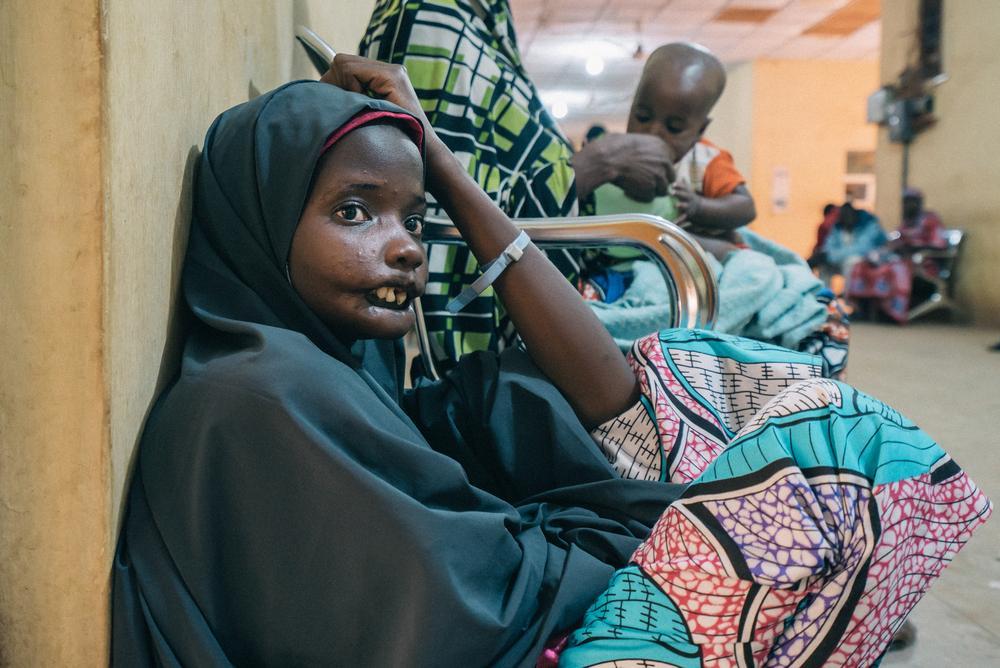
Noma Children’s Hospital (NCH) is the only hospital in Nigeria specialized in the treatment of noma, and one of the few centres worldwide. Since 2014, MSF has supported the hospital with a wide range of activities for people affected by the disease, including survivors and their families. After years of MSF-led advocacy alongside Nigerian health authorities, noma was officially added to the World Health Organization’s list of neglected tropical diseases in December 2023.
In this unique setting, MSF has launched research to understand the seasonality of noma disease to support proactive preparedness, improve resource allocation, and strengthen treatment strategies for healthcare providers. It also aims to inform policymakers on the importance of climate‑resilient health systems that anticipate seasonal environmental risks.
Our findings indicate that noma cases follow a distinct seasonal trend, increasing during the dry Harmattan season when conditions are colder and dustier. In addition, rainfall and temperature patterns in preceding months were associated with noma cases increases, suggesting a delayed effect of environmental conditions. These patterns are consistent with the hypothesis that seasonal deterioration in nutritional status may increase vulnerability to noma. Community members recognised the dry season as a time of heightened vulnerability for noma.
One Year Later: Where Does The Research Stand Today?
In the written interview below, Michael Olaleye shares his insights.

Michael, how did you proceed with your research?
We used a mixed methods sequential design, comprising a retrospective time series analysis and exploratory qualitative design. This means that we collected noma, malnutrition, and climate data since 2019 and runned a statistical analysis to see how the different factors influenced the incidence of noma. Afterwards and based on this information, we conducted key informant interviews and focus group discussions with caregivers, local leaders, traditional healers, farmers, and the general population to explore the local perceptions of seasonality and noma disease and if they were in agreement with the information our data suggested.
What major challenges did you face to set up and implement your research?
One of the main challenges was limited prior experience with climate data analysis, which required additional learning and technical support. Obtaining meteorological data from the Nigerian Meteorological Agency was also time-consuming, and significant effort was needed to clean, harmonise, and curate the datasets for analysis.
In what ways did your research questions and approach evolve, and what drove these changes?
Noma is a rare disease therefore, we had access to a limited number of cases, just over 350. Sounds like a lot, but it si actually small for a time-series analysis. Therefore, we had to aggregate data monthly rather than weekly level to improve statistical robustness. Additionally, key informant interviews and focus group discussions were conducted at MSF-supported clinics rather than within communities, as initially planned, due to a deterioration in the security situation. Ongoing armed conflict in northern Nigeria has resulted in population displacement, and disruption of agricultural activities, exacerbating the already rampant malnutrition crisis. These conditions also limited the mobility of MSF teams, as movements outside health facilities posed significant security risks, including the threat of kidnapping.
How can the findings be applied to strengthen or inform MSF’s operational activities?
The findings provide stronger evidence on the temporal and seasonal patterns of noma incidence, which can inform earlier detection, improved prevention strategies, and more effective treatment planning. The results also support the development of season-specific interventions targeting high-risk periods and populations. Overall, the study can guide more strategic resource allocation and strengthen health system capacity for the prevention, detection, and management of noma within MSF programs. In summary, help saving lives.