Couffo Project, Benin: A Participatory Approach to Reduce Maternal and Neonatal Morbidity and Mortality
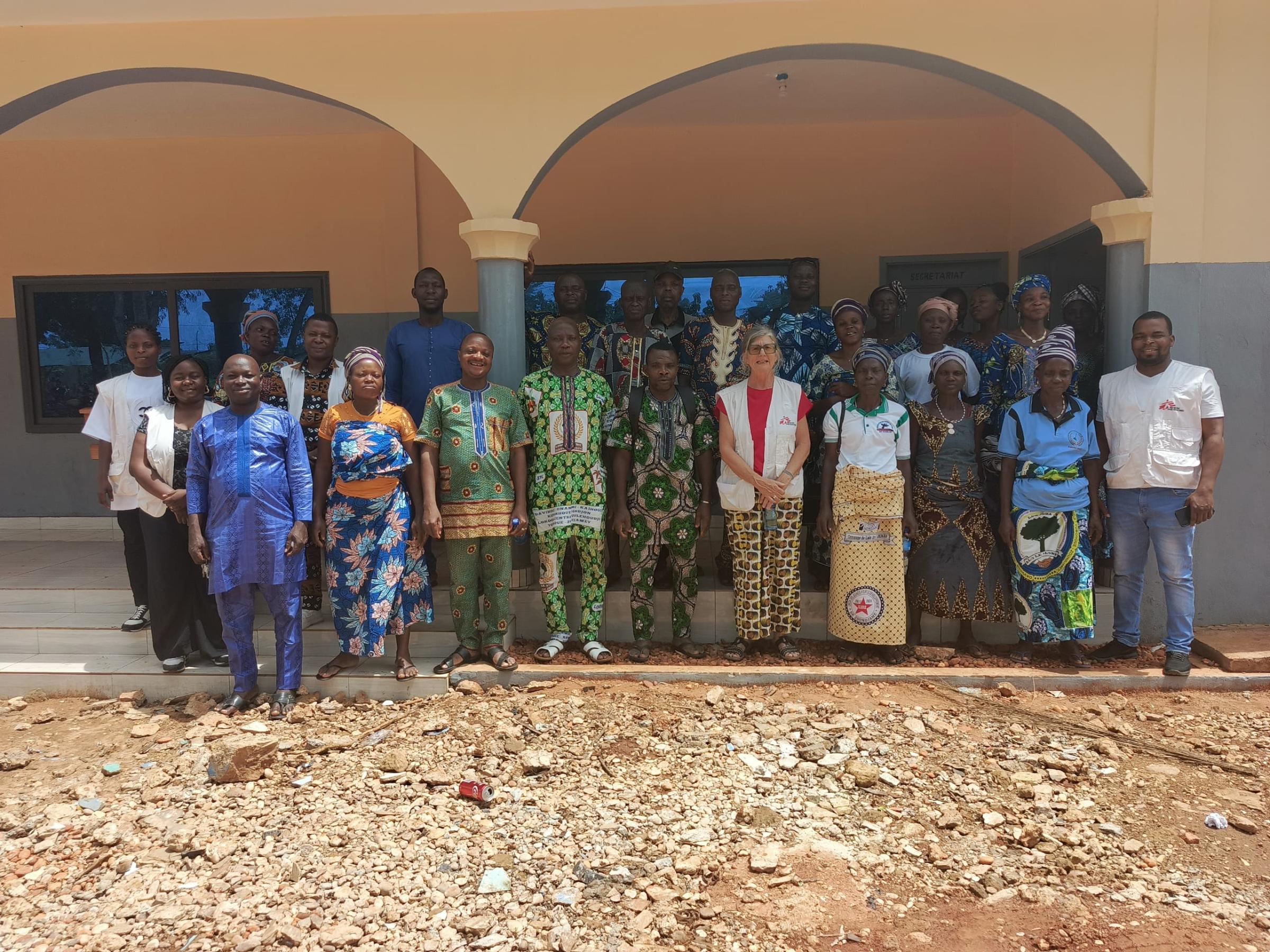
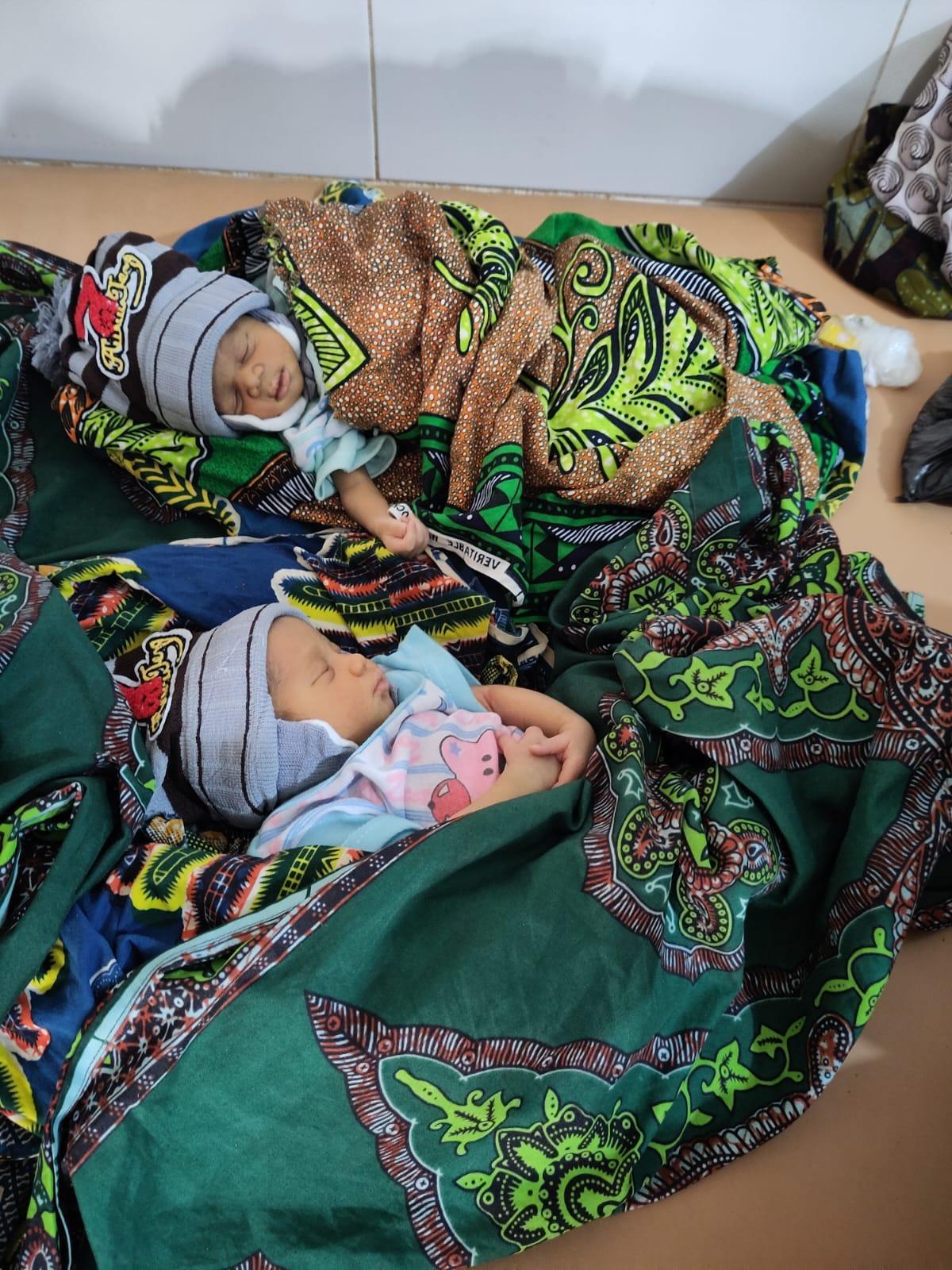
Since 2022, Médecins Sans Frontières (MSF) has been implementing an ambitious project in the Klouékanmé, Toviklin, and Lalo (KTL) health zone in Couffo, Benin. The goal: to reduce maternal and neonatal morbidity and mortality through a participatory approach involving local communities. The project will run until 2027.
Despite the Beninese government’s efforts to promote access to healthcare, maternal and neonatal mortality rates remain high, particularly in Couffo. MSF has introduced a Participatory Community Model (PCM) to strengthen the use of health services. If successful, this model could be scaled up to other regions in Benin and neighboring West African countries.
The project aims to improve the quality of primary and secondary care in three key areas:
- Maternal and Neonatal Health (MNH)
- Sexual and Reproductive Health (SRH)
- Care for Survivors of Sexual Violence (SV)
Community Validation Phase
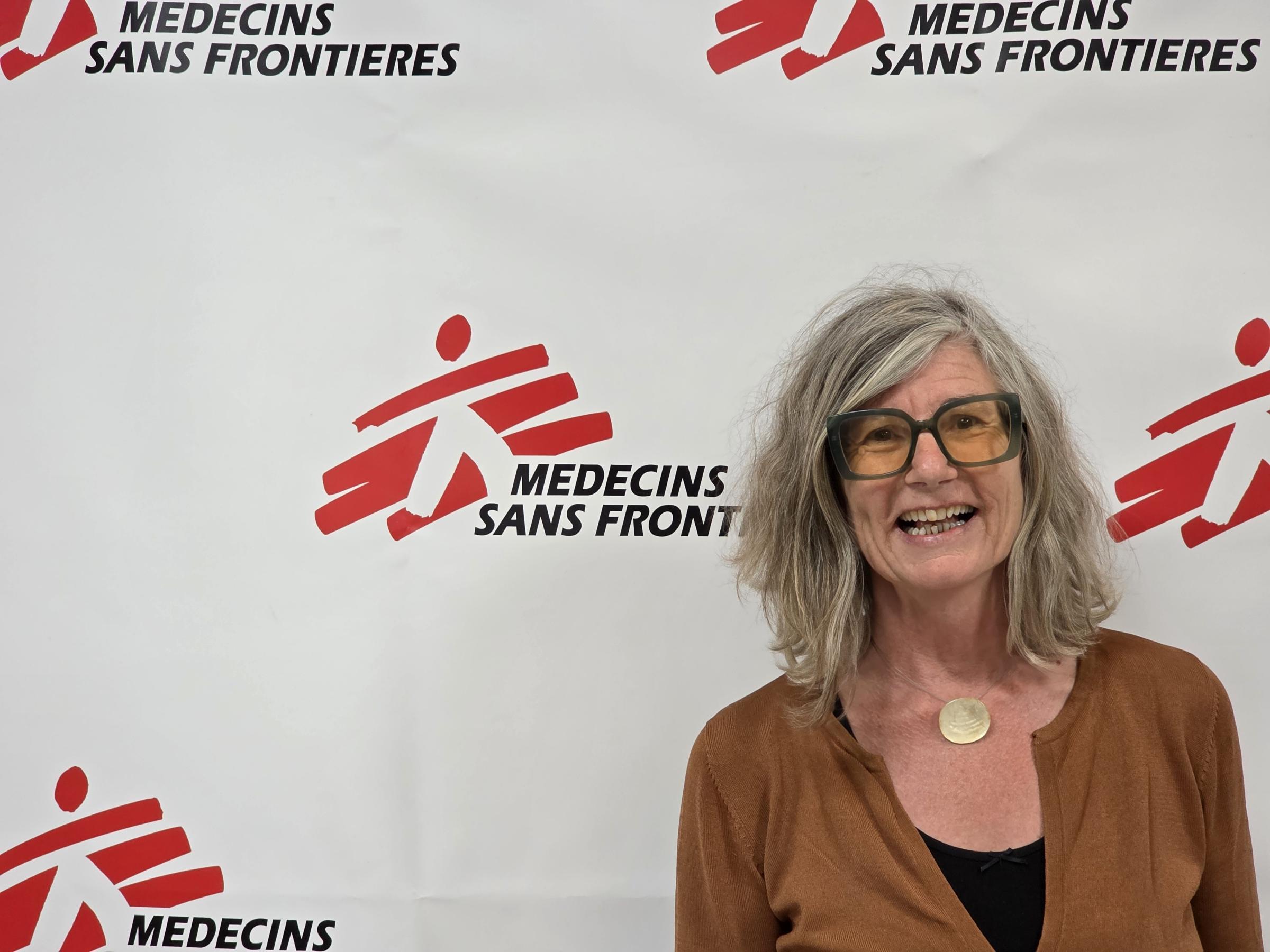
Wilma van den Boogaard, Operational Research Advisor at MSF, shares her insights from her visit during the community validation phase for SRH. This stage relies on real-time data collection and dialogue with communities to adapt interventions to local realities.
What was the purpose of your visit to Couffo from October 6th to 20th?
The PCM helped identify three major factors influencing pregnant women’s attendance at health centers:
- Social norms: The husband’s role in decision-making, traditional birth attendants.
- Infrastructure and logistics: Distance without available transport, rainy season, financial cost.
- Quality of care: Availability of qualified staff, access to blood.
The goal is to track these factors, define an action plan, and assign responsibilities to reduce complications during childbirth and ultimately limit maternal deaths.
Together, Community Volunteer Members (CVMs), village and religious leaders, health center staff, and MSF defined indicators to measure health progress and social change. These indicators are updated every three months to monitor project evolution. My visit aimed to discuss with these community members in villages where the project started, such as Adjahonmé and Lokogba, to assess progress and validate findings by consensus.
What results have been observed?
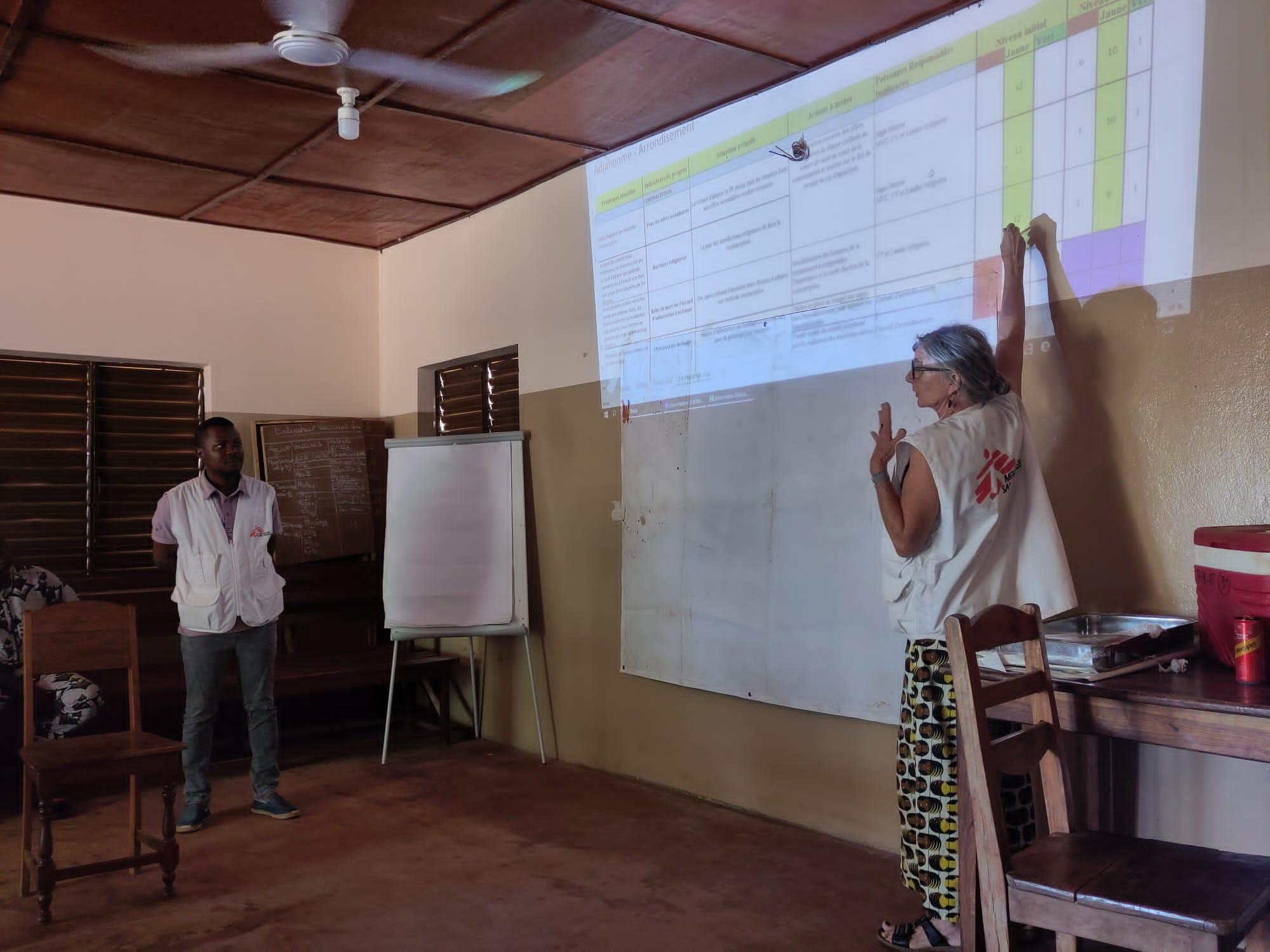
Despite strong awareness efforts, the use of health services has not increased as expected. This is because acquiring new knowledge does not quickly translate into behavior change—costs remain a major barrier. Logistically, the main challenge is related to ambulances (converted tricycles): although they are now available, their use remains limited due to lack of continuous fuel supply and/or driver availability. Finally, regarding quality of care, despite strengthening health center staff, a critical shortage of blood persists.
What are the study’s limitations?
Routinely collected data are sometimes subject to interpretation, leading to inconsistencies. For example, aggregated data indicated more women attended a fourth antenatal visit than a first, which is unlikely. Additionally, hospital-level data only included women arriving by ambulance, often in critical condition, while others came by their own means.
These limitations required detailed field verification to improve data reliability.
Lessons learned:
Using community engagement models to improve service utilization takes more time than active awareness campaigns. MSF should consider ongoing follow-up and continuity.
What's next?
The results will be analyzed and presented in a report for the Ministry of Health and all concerned community members, including CVMs. A publication in a specialized journal is also planned, along with a strategy to disseminate these models within and beyond MSF as an advocacy tool. Meanwhile, MSF is seeking partners to ensure long-term continuity.