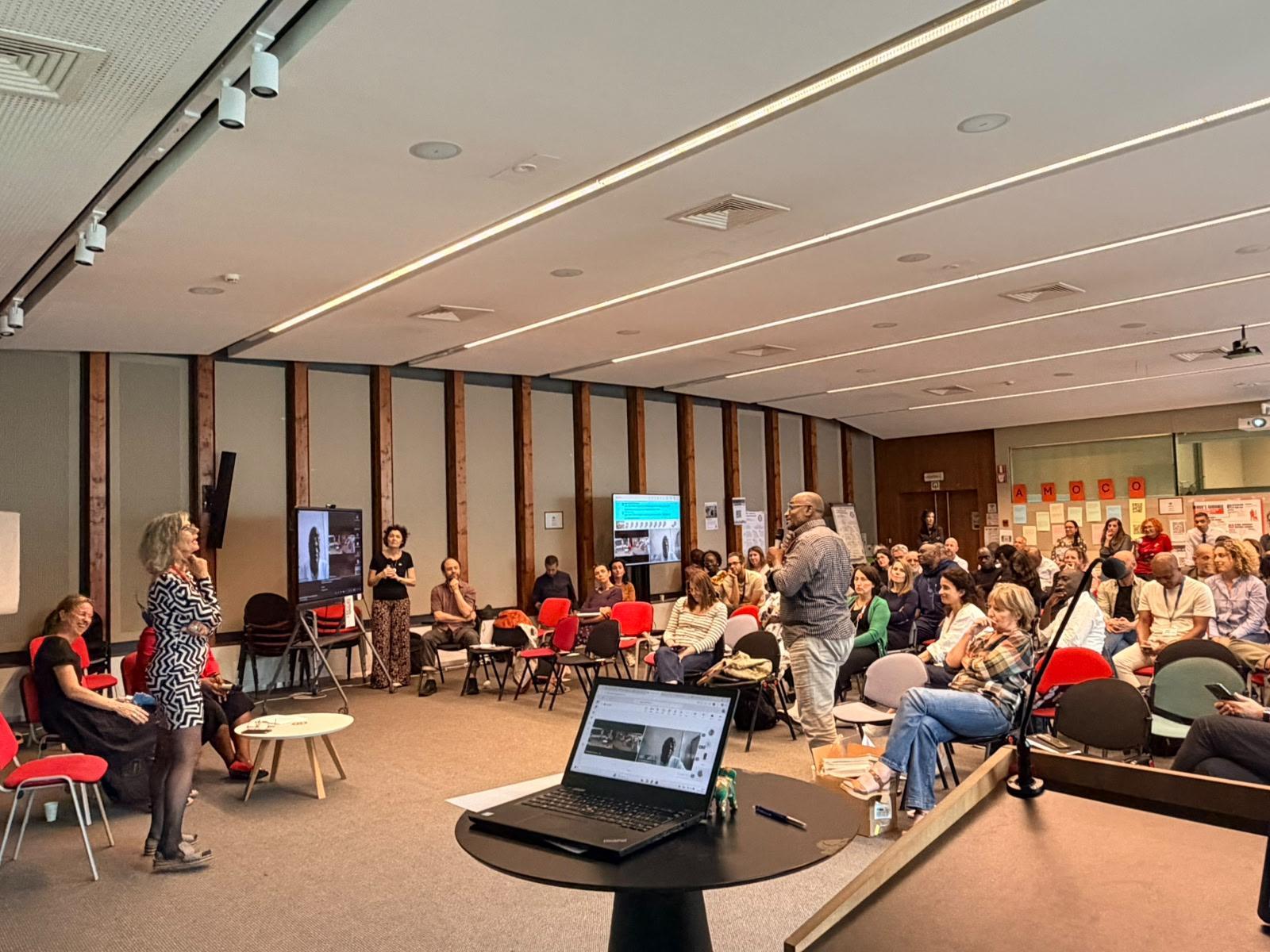
OR Day 2026: Connecting Research and Field Operations at MSF
Every year, LuxOR, one of Médecins Sans Frontières’ operational research units, brings together colleagues from all OCB countries of intervention, for the OR Day, an internal conference dedicated to learning, exchange, and reflection. The event is part of the Coordination week, which gathers country coordinators, medical staff, and MSF teams working in diverse project settings, creating a space to connect frontline experience with research-driven insights.
At the core of MSF’s mission is the commitment to provide effective, high-quality medical care to populations living in crisis. Operational research plays a crucial role in this effort. By generating evidence directly from field activities, it helps teams better understand health challenges and adapt interventions to the realities on the ground. OR Day is a moment to collectively share lessons learned and explore how research can continue to improve patient care.
The 2026 edition of OR Day highlighted four key sessions that reflect pressing operational challenges.
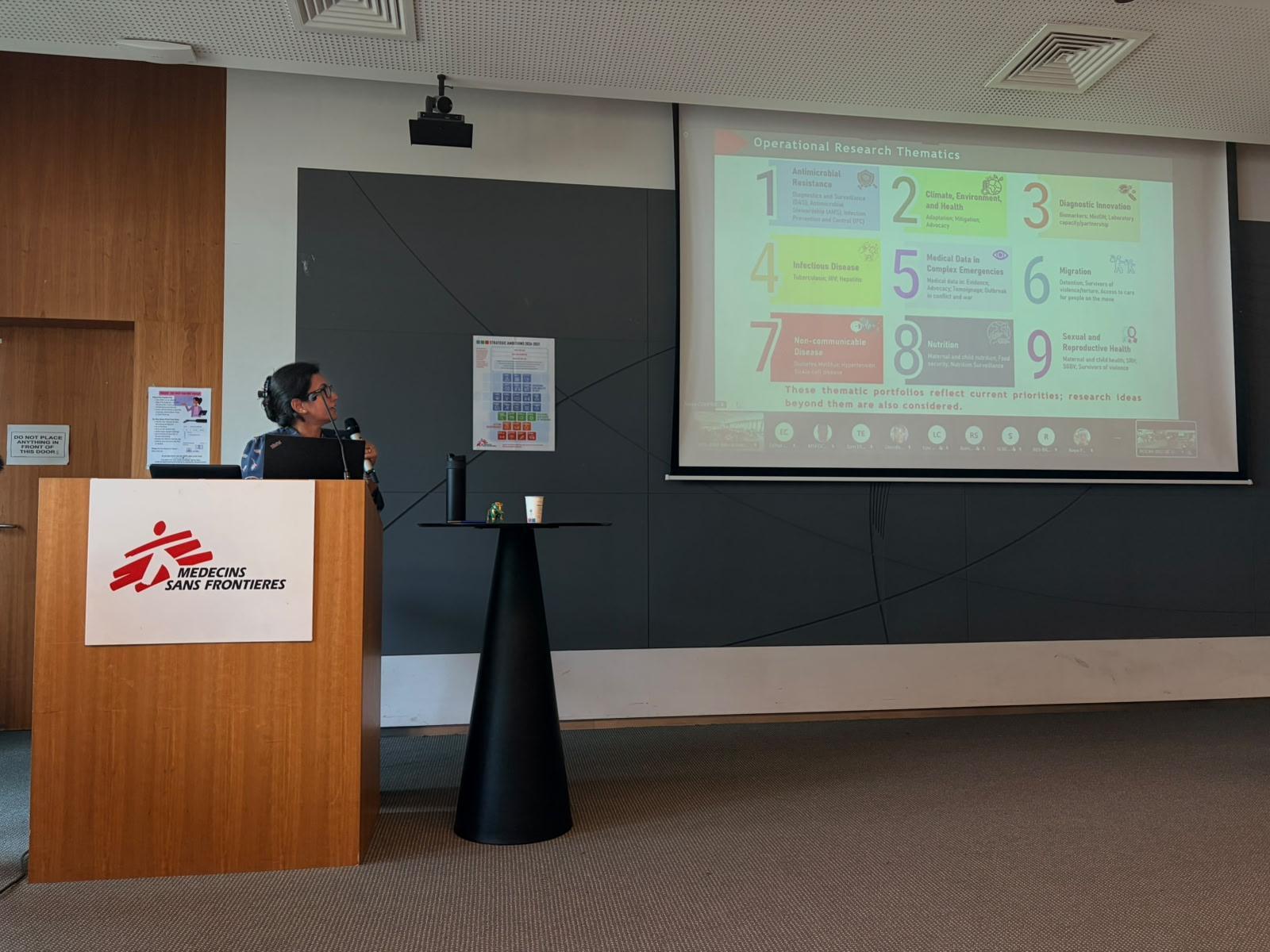
The session opened with an introduction or OR “Operational Research: How does it work in OCB? Who can help?”, offering a practical introduction to how research is carried out within MSF’s Operational Centre Brussels (OCB). It enabled to guide participants through the different stages of an operational research project, from initial ideas emerging in the field to protocol development, ethical review, implementation, and dissemination of results. The session also showcased the LuxOR support available to field teams, being the initial point of contact to the Operational Research Committee (ORC), and the Ethics Review Board (ERB).
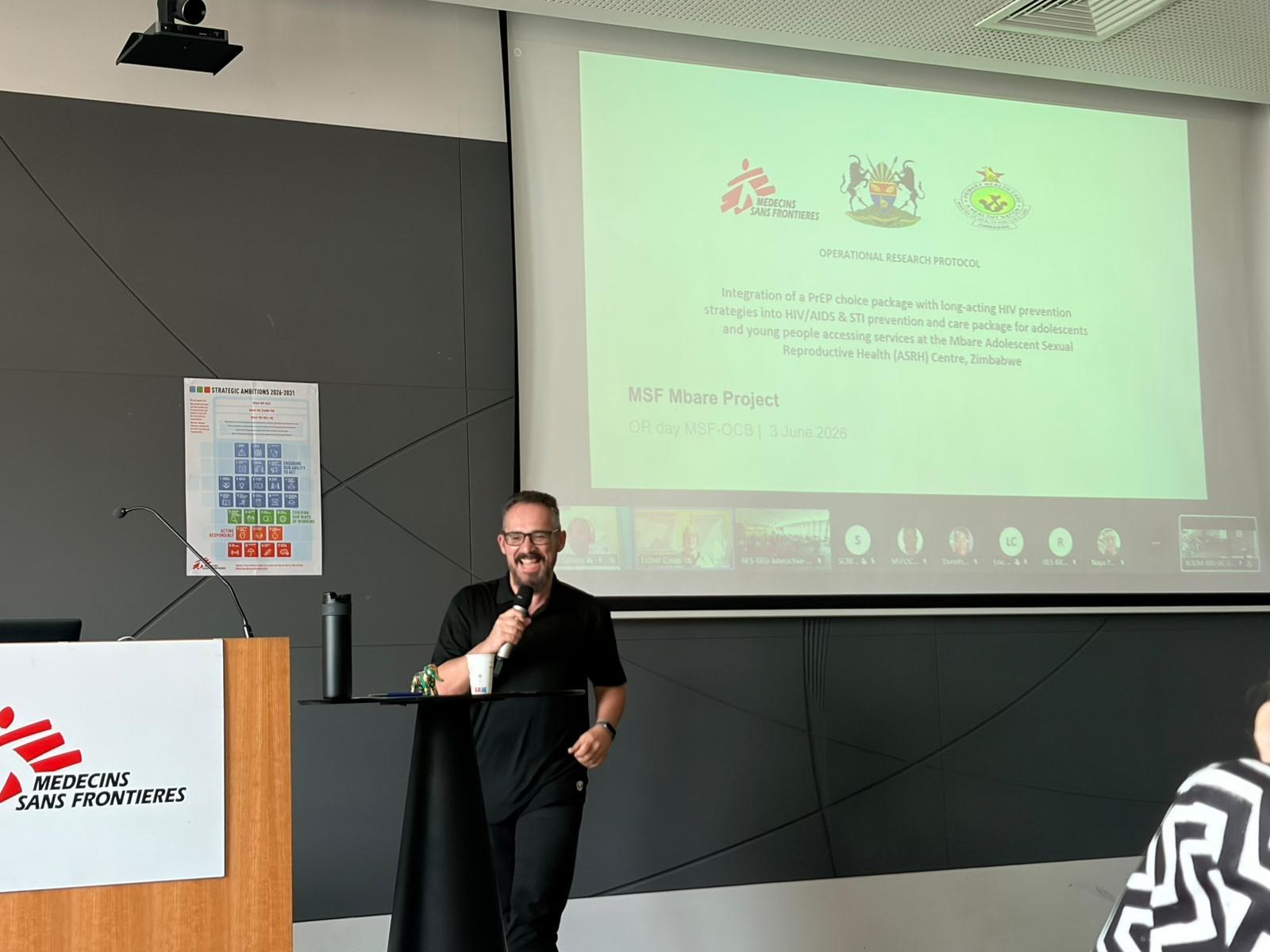
Innovation in treatment and care was represented through a session on “Long-lasting antiretrovirals for prevention and treatment of HIV/AIDS: Research studies can become game changers.” Long-acting antiretrovirals offer new opportunities to transform HIV care, particularly in contexts where adherence to daily treatment remains challenging. This session explored how these therapies could reduce barriers to care, improve patient outcomes, and better serve vulnerable populations. Drawing from ongoing research, it will also address the operational realities of introducing such innovations in resource-limited settings, where access, affordability, and feasibility remain key considerations.
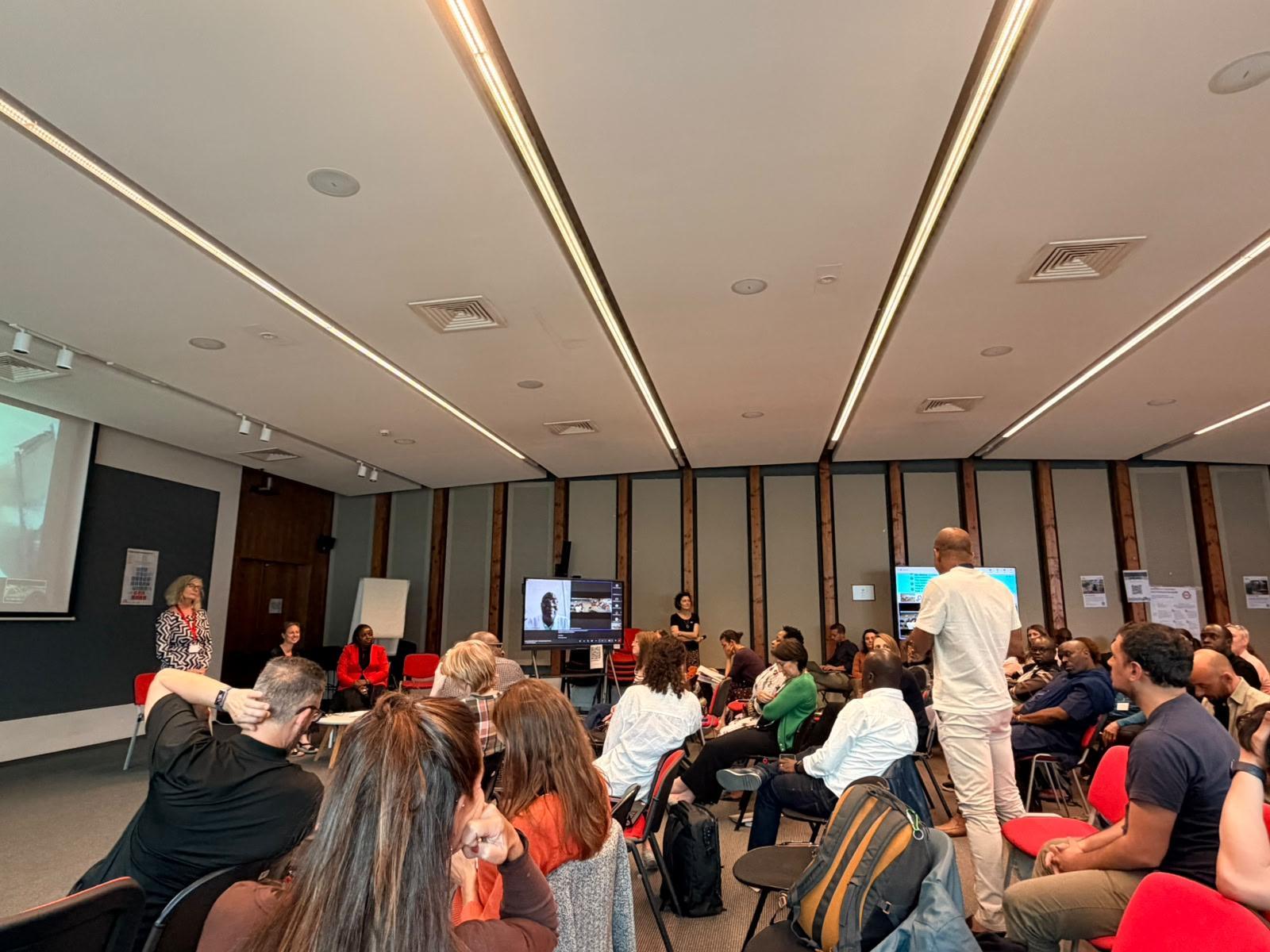
Addressing a highly sensitive but critical issue, the session “Abortion-related Morbidity and Mortality in Conflict and Fragile Settings (AMoCo): From operational research to brave dissemination strategies” shed light on the burden of abortion-related complications in some of MSF’s most challenging environments. The presentation shared findings from the AMoCo project, illustrating the health risks faced by women and girls where safe abortion care is limited or inaccessible. Beyond the research itself, the session tackled the complexities of communicating such findings, emphasizing the need for thoughtful, courageous dissemination strategies that can drive awareness, influence policy, and ultimately improve access to safe care.
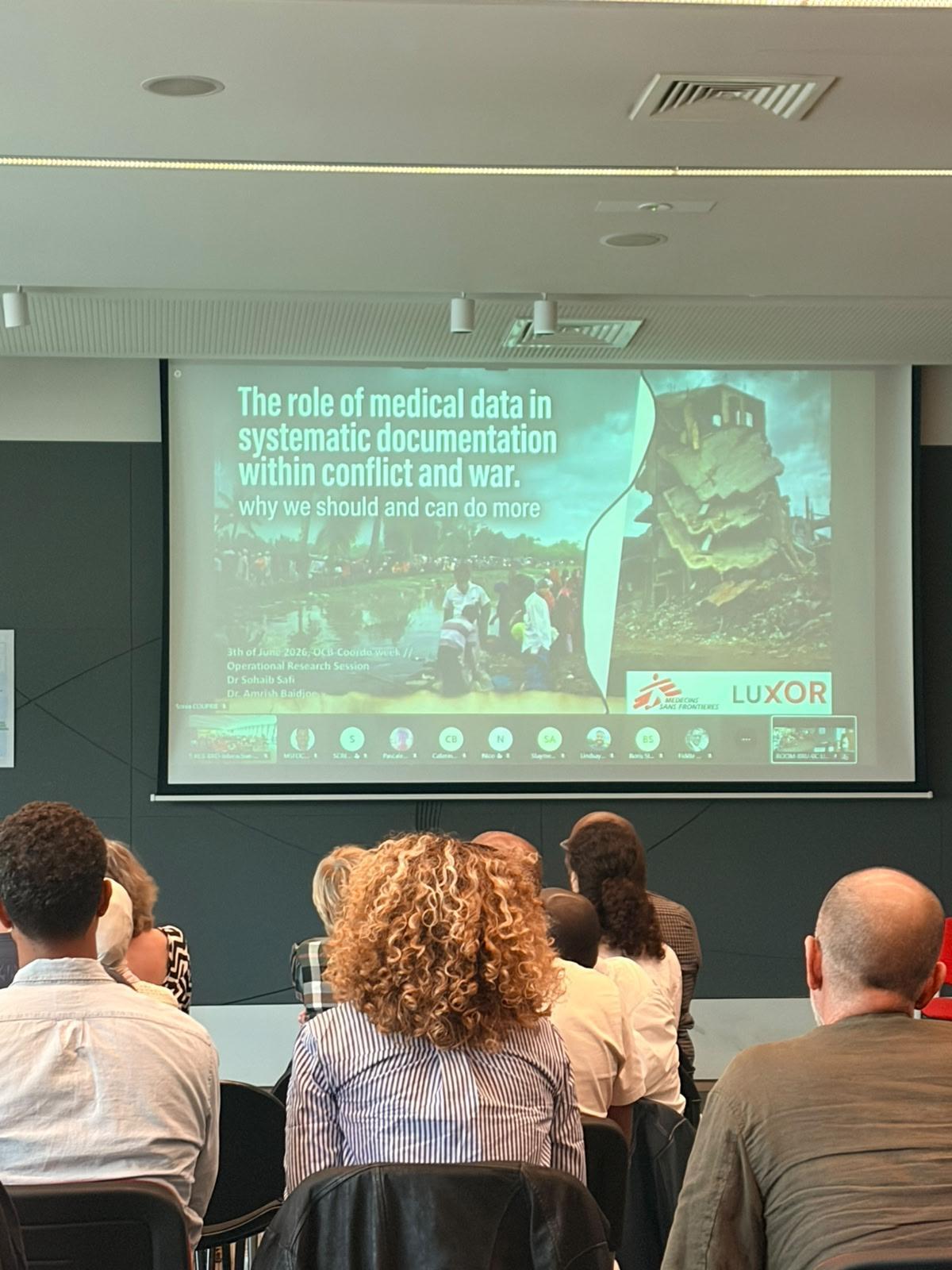
Finally, the session “The role of medical data in systematic documentation in conflict and war: An example from Gaza and a plea for doing more” explored the vital importance of medical data in conflict settings. In highly volatile environments, systematically collected data can serve not only to guide medical operations but also to document the human impact of war. Using Gaza as a case study, this session reflected on how medical data can support advocacy efforts and contribute to a broader understanding of healthcare needs in times of crisis. It also highlighted the ethical and practical challenges involved, calling for stronger, more consistent efforts to collect and use data responsibly and effectively.
Through these discussions, OR Day 2026 aimed at strengthening the link between research and operations, fostering a culture of collaboration and continuous improvement within MSF. Ensuring that research remains firmly anchored in the realities of the projects is OR priority.