LuxOR: Training, Supporting, and Contributing to Research on Climate, Environment, and Health
Climate change is not only an environmental crisis, but also a humanitarian and health crisis. Médecins Sans Frontières (MSF) faces increasingly complex emergencies where climate impacts and environmental degradation intersect with other factors. While the links between climate and health are well documented, MSF is still eager to learn how to better prepare for and respond to these challenges.
To address this, LuxOR launched the Climate, Environment and Health Operational Research Training program, which is designed to strengthen MSF teams’ capacity to:
- Mitigate MSF’s carbon footprint and climate impacts.
- Prepare and adapt projects to growing health and humanitarian needs linked to climate change.
- Document and bear witness to the impacts on the communities served by MSF.
An International and Collaborative Training
Nine participants from different MSF sections and projects were selected based on their study proposal. After two initial modules in Abidjan (December 2023), the third module took place in Luxembourg from 3–7 February 2025, and is followed by the implementation of the dissemination strategy by the participants, based on their research findings.
Watch the following video to learn more about this training program:
Concrete Projects for Real Challenges
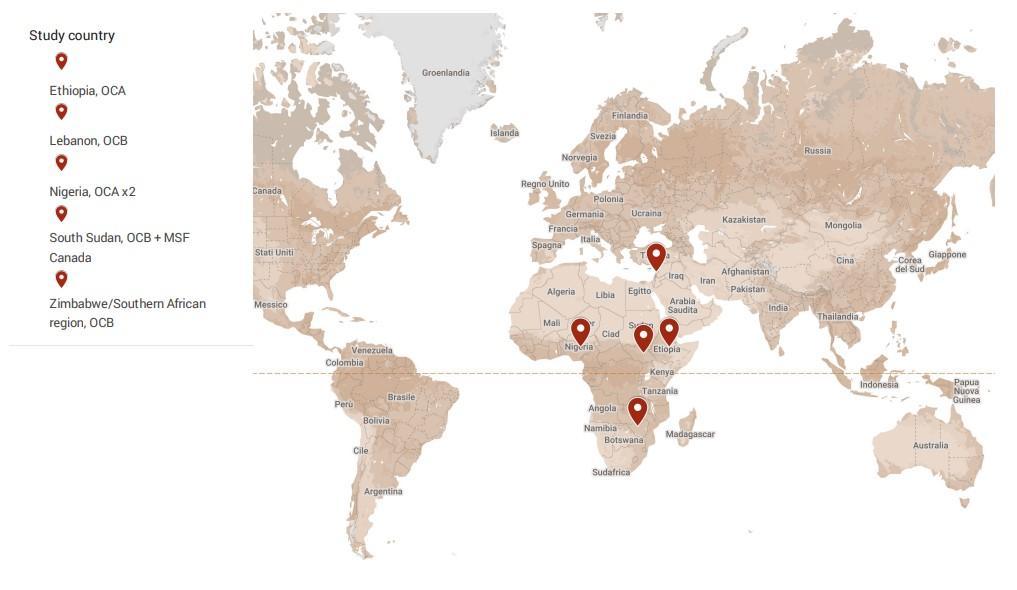
The projects developed during this training reflect the diversity of climate and health challenges faced by MSF:
- Zimbabwe: An Integrated Risk Analysis of Water Provision in an Artisanal Mining Context in Gwanda
- Ethiopia: A community-based approach to integrate community resilience in malaria interventions in Kule Refugee Camp.
- Nigeria: Studying the correlation between seasonality and Noma disease in Sokoto and Zamfara states.
- Using Time Series Analysis to Better Time and Scale Malaria Interventions in Zamfara
- South Sudan: Feasibility of using an MSF-designed diagnostic toolkit and portable laboratory for rapidly assessing borehole functionality and water quality in Kajokeji
- Kenya and South Sudan: Improving MSF’s communication strategies to prepare for and respond to climate risks challenges.
LuxOR’s Key Role
LuxOR plays a central role in this program, providing not only training but also technical mentorship, methodological support, assistance with protocol development, and guidance on advanced analytical tools. Participants unanimously highlight LuxOR’s impact in transforming ideas into solid projects and creating an environment that fosters learning and innovation.
LuxOR supported my project from a simple idea to a detailed, relevant proposal, teaching me essential skills for conducting this research.
Matusela Nyamadzawo, OCB
This journey would not have been possible without LuxOR’s support. We are deeply grateful to their team for accompanying us every step of the way.
Ali Tassawar, OCA