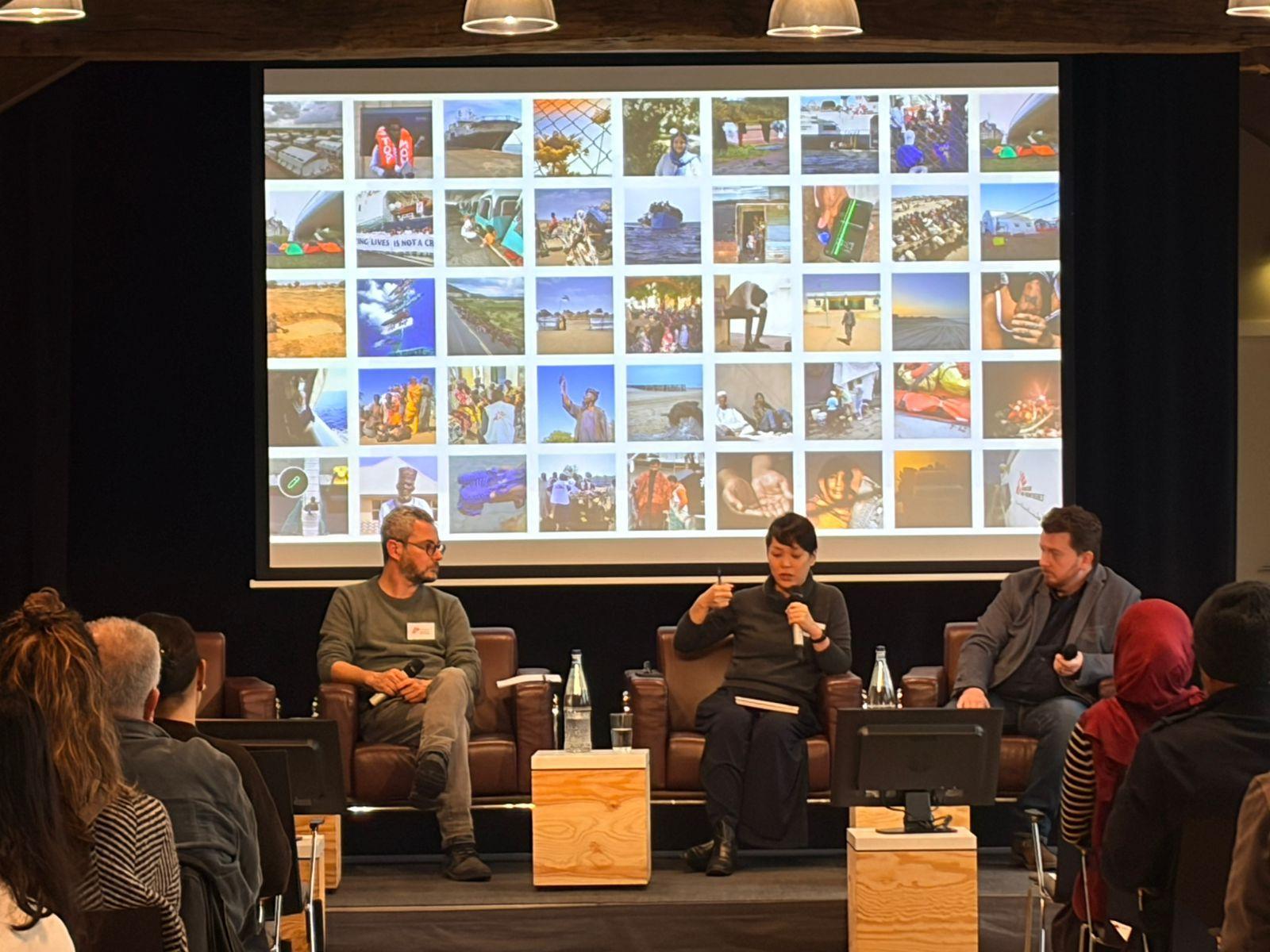
Open Forum: The Role of Research in Humanitarian Action
The Open Forum on Humanitarian Research brought together researchers from MSF and two Luxembourg‑based institutions - the Luxembourg Institute of Science and Technology (LIST) and the Luxembourg Health Directorate - to reflect on how evidence is generated and used in today’s complex humanitarian settings.
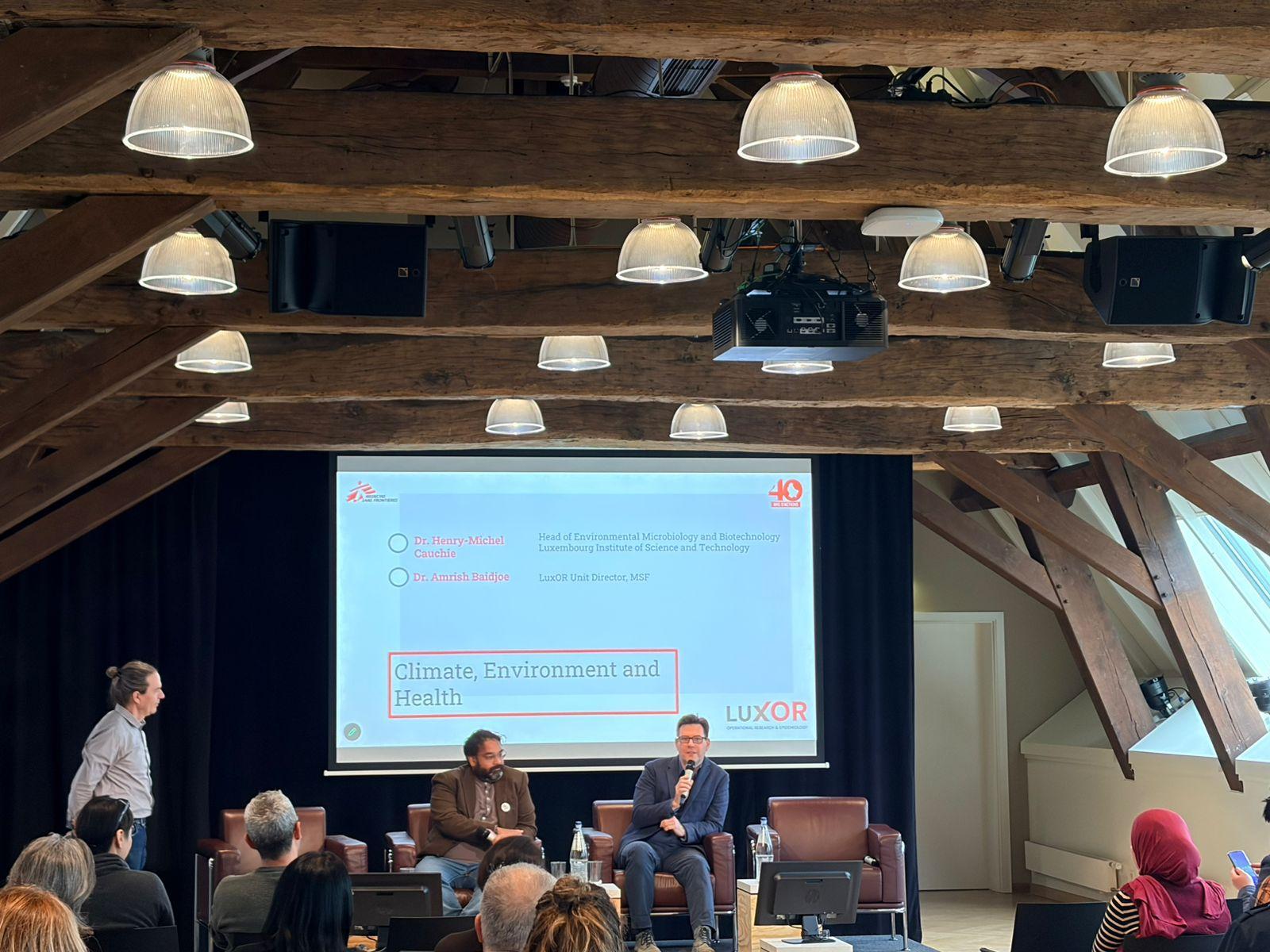
The Climate, Environment, and Health panel examined how extreme weather events and environmental degradation exacerbate health risks and increase the frequency and complexity of crises. Speakers emphasized the need to integrate environmental and climate considerations into health research and humanitarian planning, with operational research presented as a key tool to inform adaptive responses.
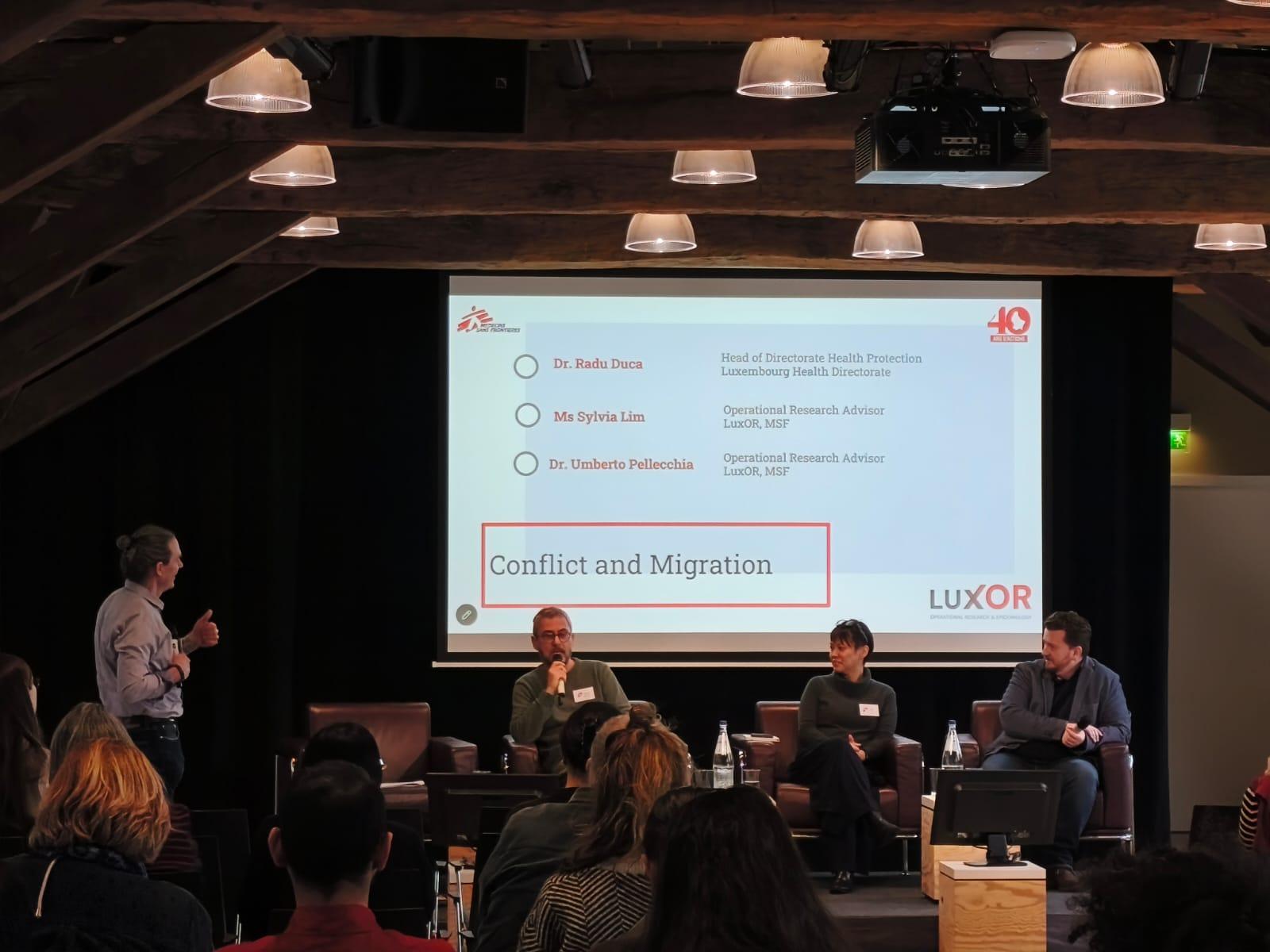
The panel on Conflict and Migration explored how violence, displacement, and political instability disrupt access to care, weaken health systems, and create additional barriers for vulnerable populations. Panellists underlined the challenges of conducting research in insecure and rapidly changing contexts, stressing the importance of flexible, context‑specific, and ethically grounded operational research to improve programme design and humanitarian advocacy.
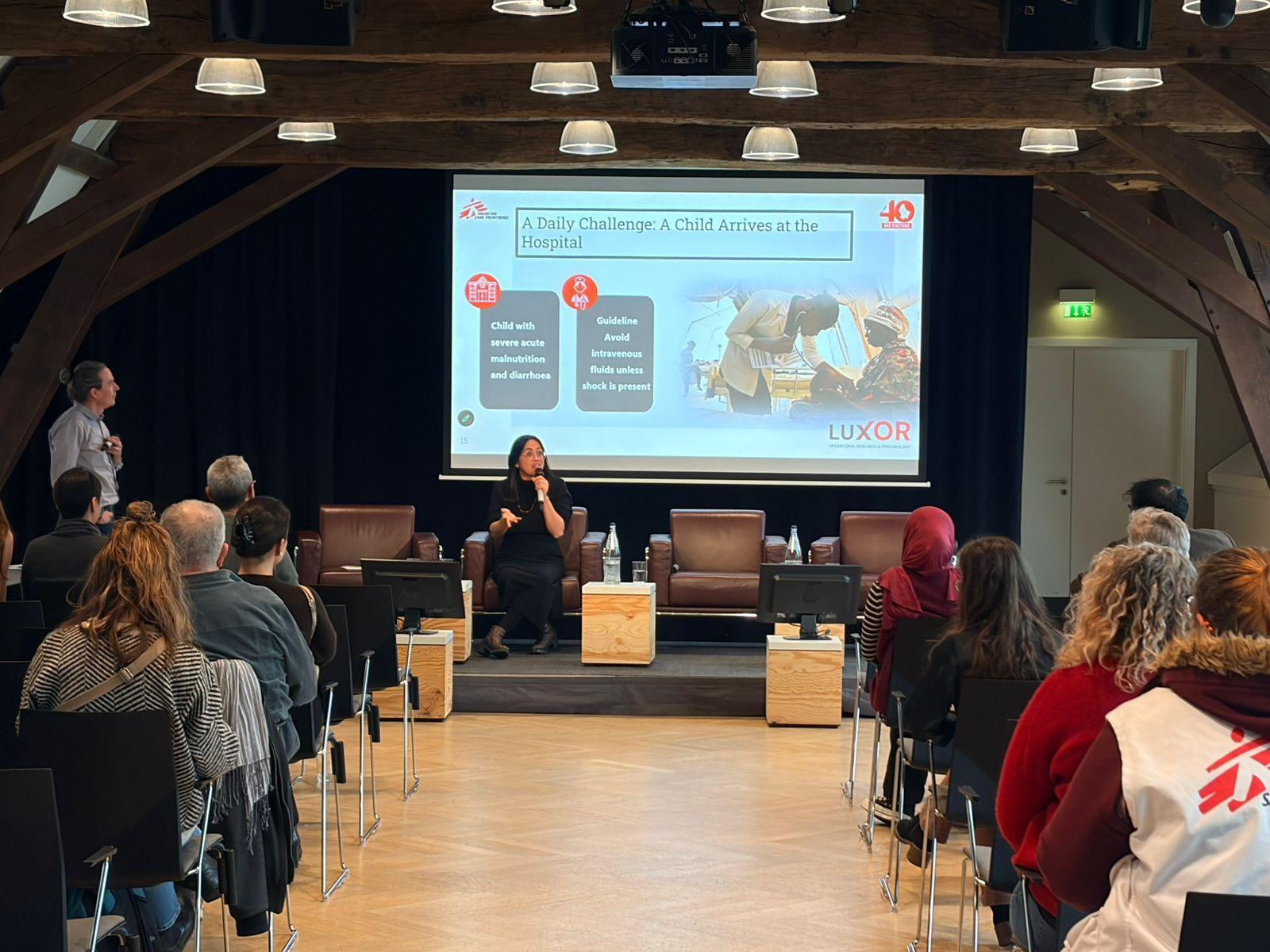
The GastroSAM session focused on research aimed at improving the treatment of children with severe acute malnutrition caused by gastroenteritis. This trial was presented as an example of how rigorous operational research can challenge long‑standing clinical practices and generate evidence with the potential to influence global guidelines, while highlighting the responsibility to translate findings into improved care.
Key takeaways:
Operational research is needed to address evolving humanitarian challenges and adapt the responses to it.
Research in other topics is developing as well, such as Mental health, Antimicrobial Resistance, Diagnostic Innovation, Data in Complex Emergencies, Sexual and Reproductive Health, Survivors of Violence.