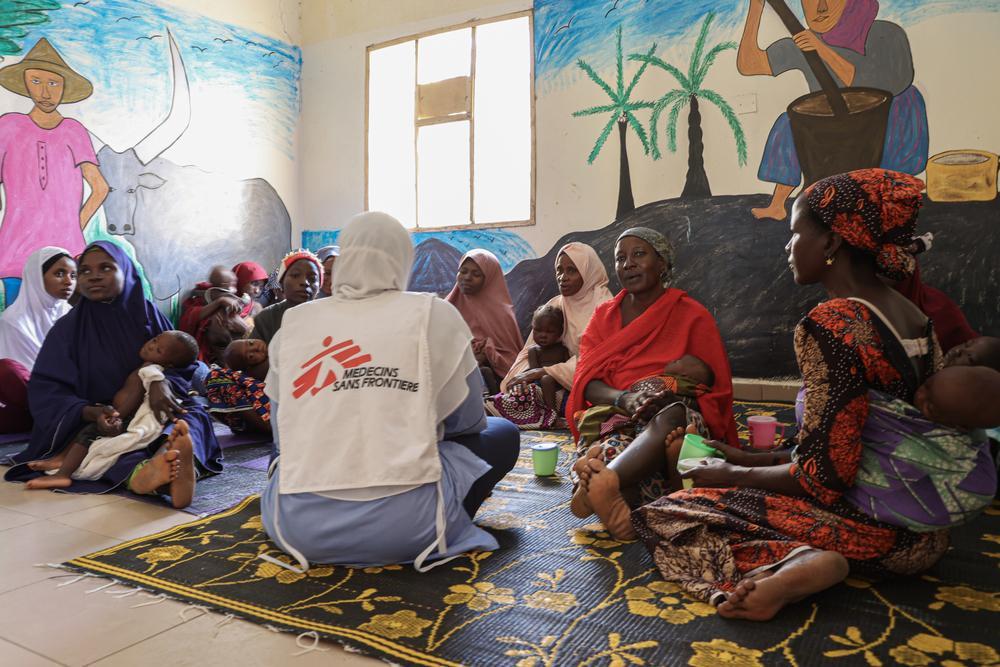
Community-Based Surveillance: Bringing Health Information Closer to Communities
In humanitarian settings, timely and reliable information is essential for detecting health threats, understanding community needs and guiding effective interventions. Yet in many contexts, health facilities capture only part of the picture. Community-Based Surveillance (CBS) helps bridge this gap by bringing surveillance closer to the people we serve.
What is Community-Based Surveillance?
CBS is the systematic detection and reporting of health events that occur within communities. It relies on community members, volunteers or community health workers who are trained to identify and report predefined health events, unusual occurrences or potential outbreaks.
By complementing facility-based surveillance systems, CBS can help detect health threats earlier, particularly in settings where access to health services is limited, populations are mobile, or health systems are disrupted by conflict, outbreaks or natural disasters.
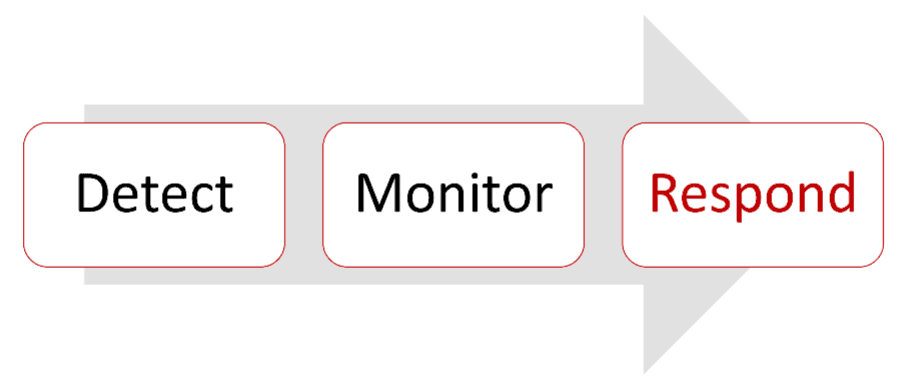
CBS follows a simple process:
- Identify: Community informants are trained to recognize specific health events or alert signals based on agreed case definitions.
- Report: These events are reported through established communication channels to the appropriate health or surveillance focal points.
- Verify: Reported alerts are assessed and verified by healthcare or surveillance teams.
- Respond: When required, teams investigate the event and implement public health actions, such as outbreak response measures or health promotion activities.
- Feedback: Information is shared back with communities and stakeholders, helping maintain trust and engagement in the surveillance system.
How Does CBS Help Field Teams?
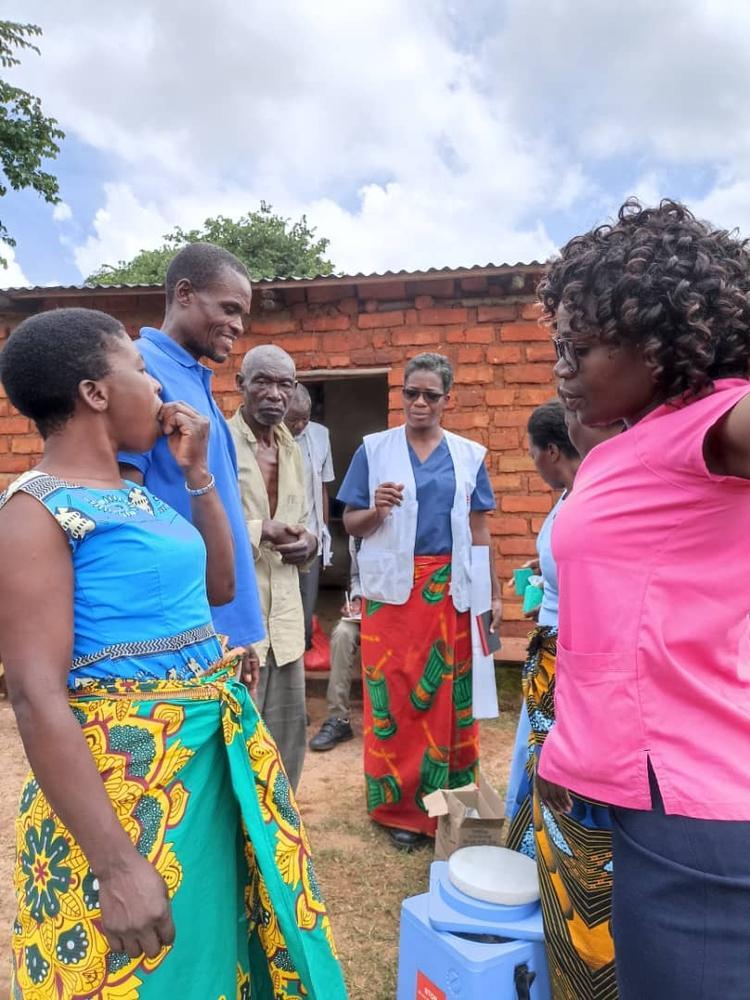
CBS provides field teams with valuable information directly from communities, enabling faster and more informed decision-making.
Key benefits include:
- Detection of Health Threats
By identifying unusual events at the community level, CBS can support outbreak detection and timely response, helping to reduce the impact of public health emergencies.
- Access to Information Beyond Health Facilities
Many people affected by crises may not seek care in health facilities. CBS helps teams better understand what is happening outside formal healthcare structures and reach populations that might otherwise be left out. - Stronger Community Engagement
CBS promotes collaboration between communities and health actors, encouraging trust, communication and participation in public health activities.
- Improved Operational Decision-Making
The information generated through CBS can support programme planning, resource allocation, risk assessment and the monitoring of evolving health situations.
- Adaptability Across Contexts
Whether implemented in conflict settings, epidemic responses, refugee camps or remote areas, CBS can be adapted to local needs and operational realities.
- The Community-Based Surveillance Package
To support teams interested in implementing or strengthening CBS activities, a dedicated CBS toolkit has been developed. It brings together practical resources, guidance and tools designed to facilitate planning, implementation and monitoring.
The toolkit includes resources such as:
- Implementation guidance
- Training materials
- Standard operating procedures
- Reporting templates
- Data collection and reporting tools
- Monitoring and evaluation resources
How Can I Access the CBS Package?
Interested in implementing CBS in your project?
To learn more about the CBS package, receive technical guidance, or discuss how CBS can support your operational context, please reach out to the Epidemiology team at sylvia.lim@luxembourg.msf.org